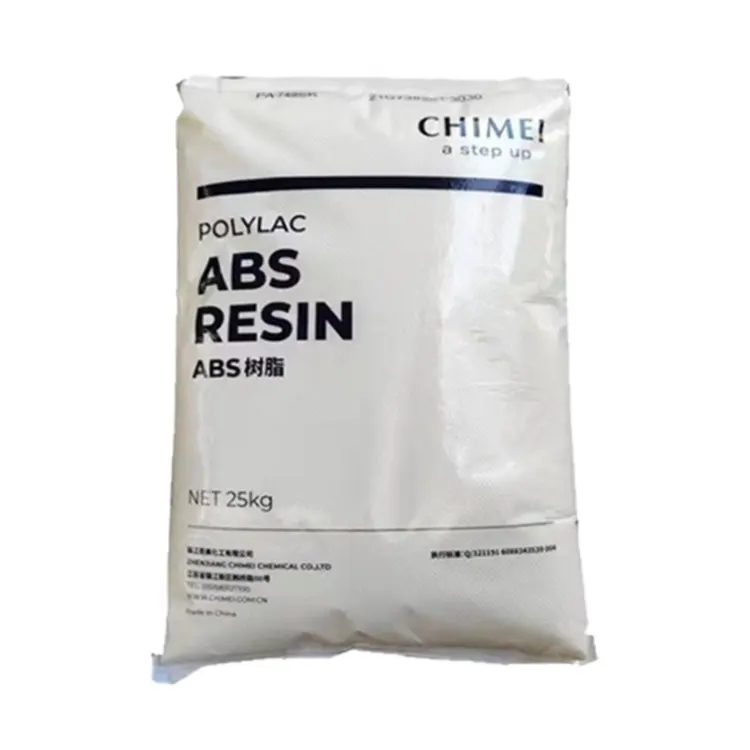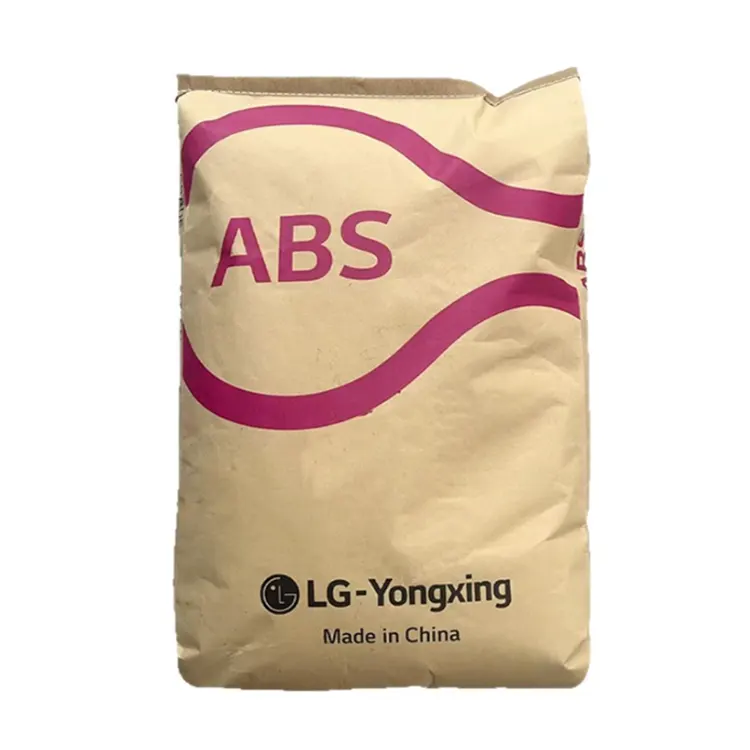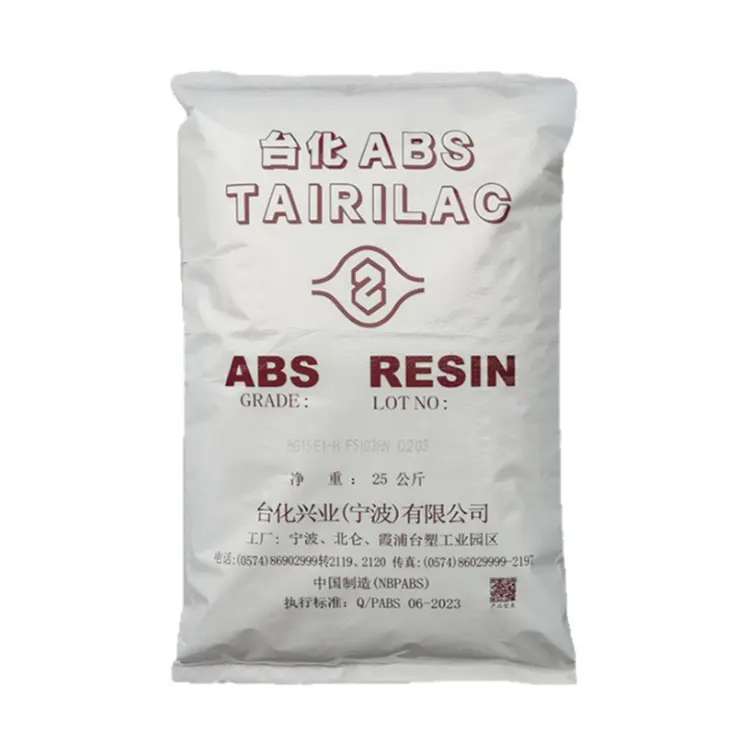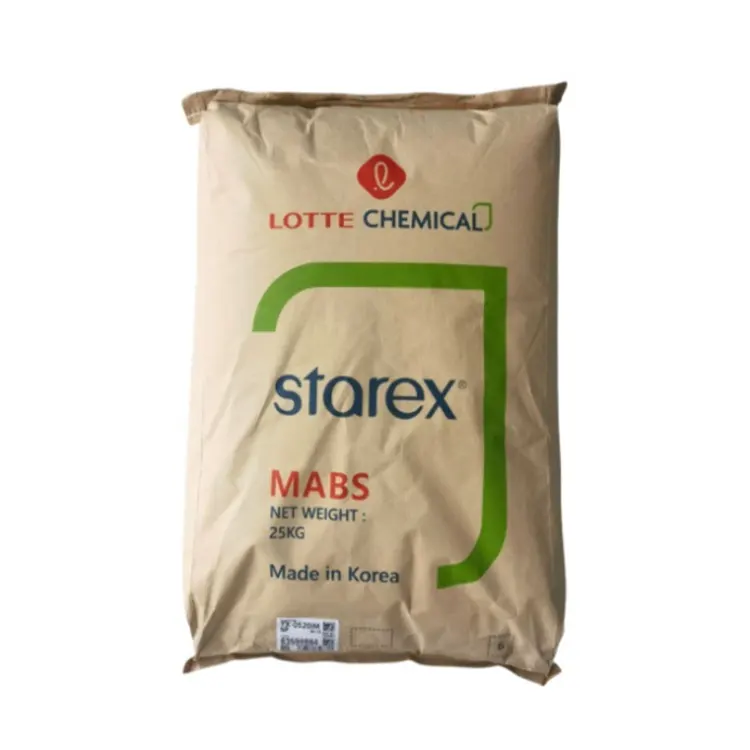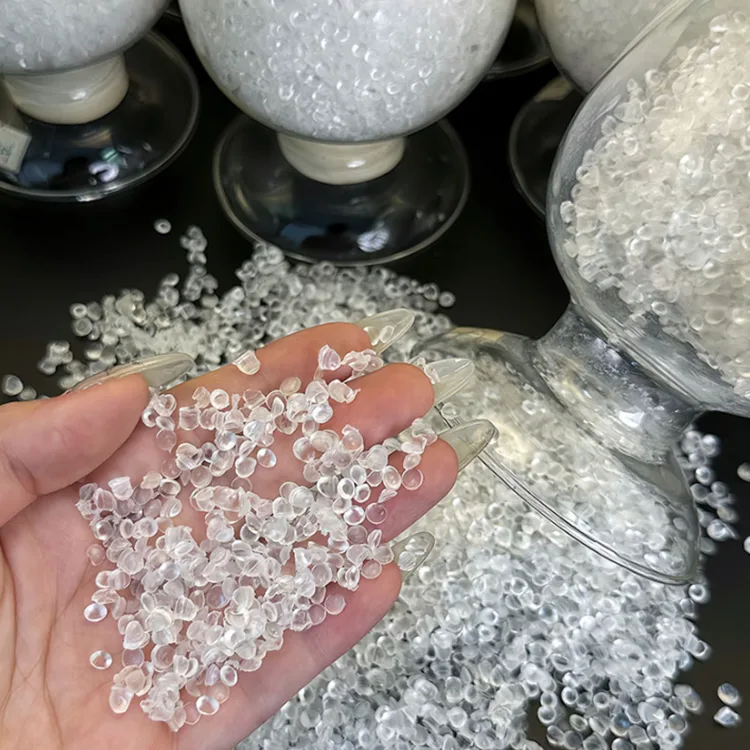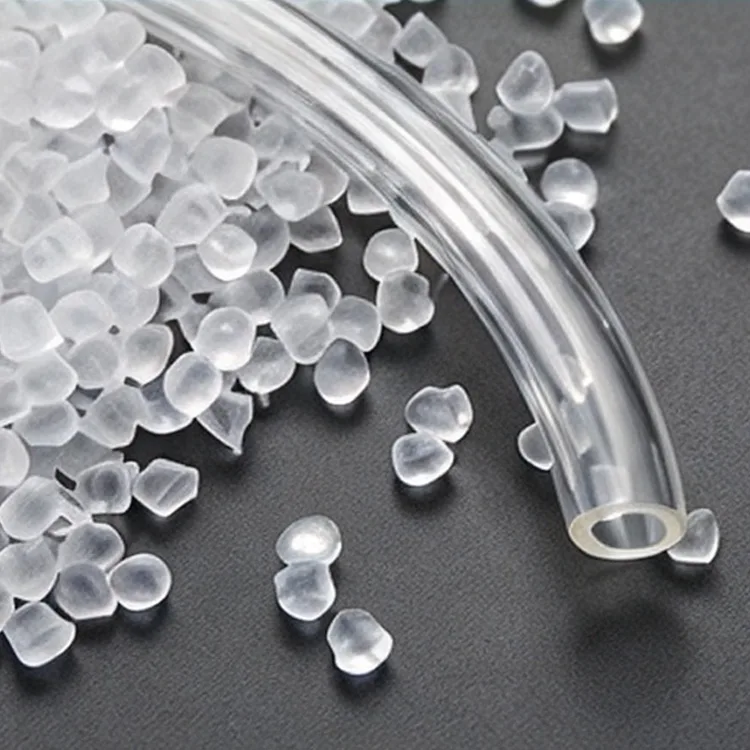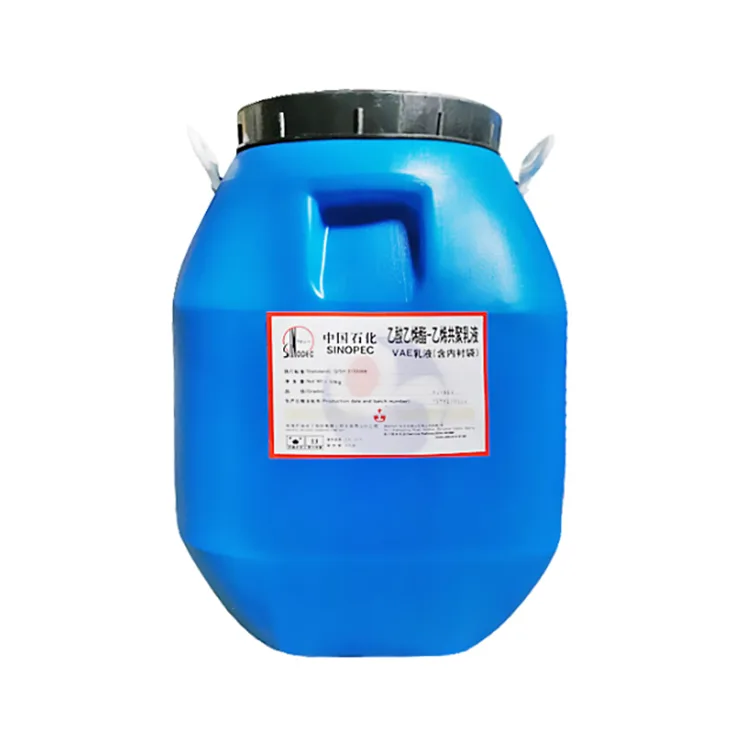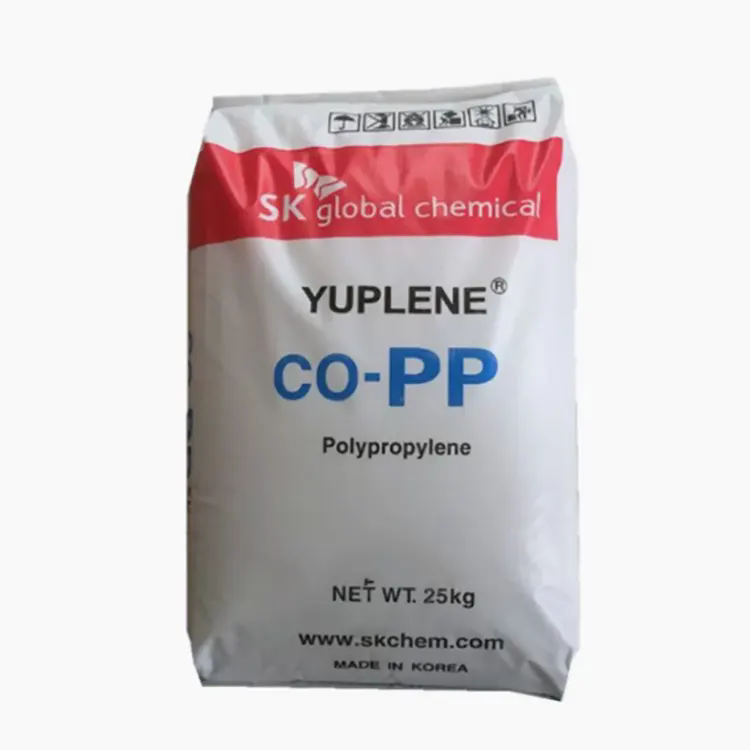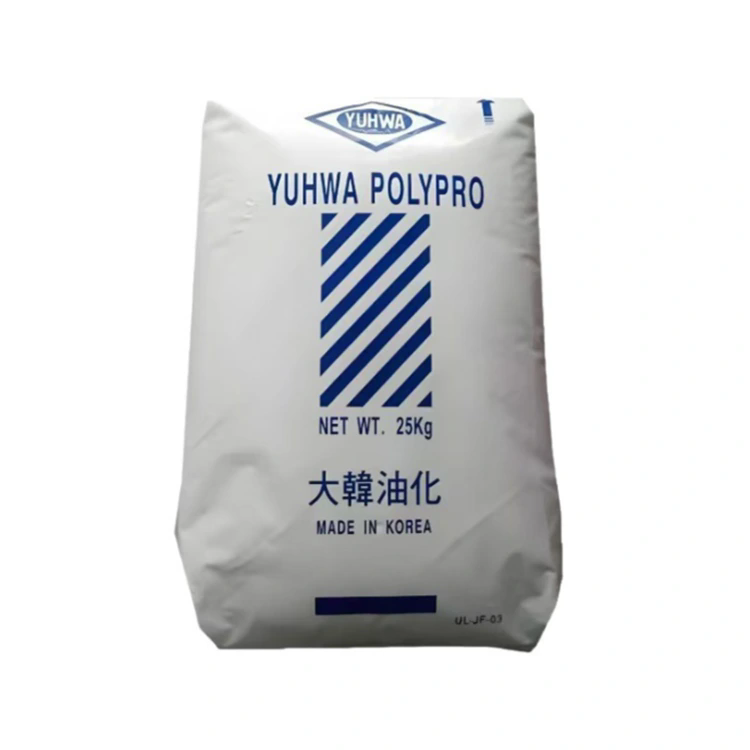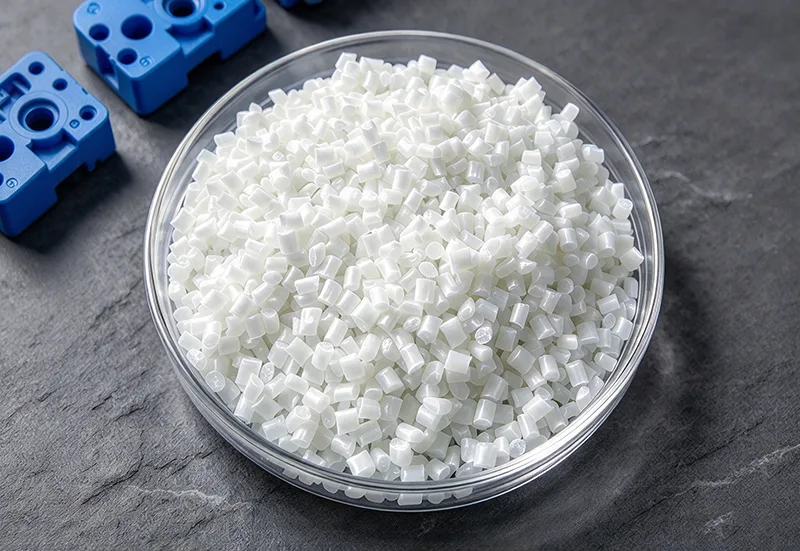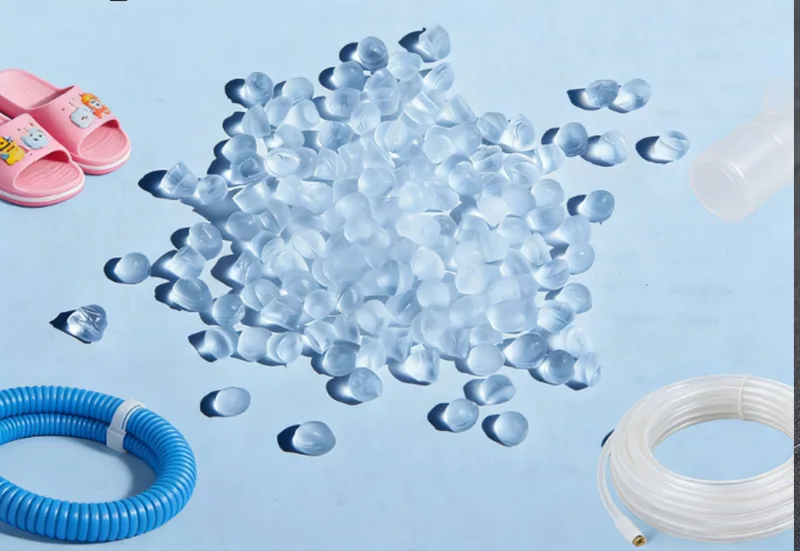
Zhongwang helps manufacturers source ABS Resin for injection-molded components, extruded profiles, hollow plastic products, and reinforced parts. Zhejiang Zhongwang International Trade Co., Ltd. works with established petrochemical supply partners, including SINOPEC and PetroChina, to coordinate material procurement according to processing methods, grade specifications, and order requirements. The available categories include ABS Injection Grade, ABS Extrusion Grade, ABS Blow Molding Grade, and Glass Fiber Reinforced ABS.
ABS (acrylonitrile butadiene styrene) is used in plastic products that require a combination of rigidity, impact performance, and surface appearance. The right grade depends on how the material will be processed and what the finished component needs to achieve.
• ABS Injection Grade: For molded housings, appliance components, consumer products, and other parts produced by injection molding. Buyers should consider melt flow, mold filling, impact resistance, and surface finish.
• ABS Extrusion Grade: For suitable profiles, sheets, and other continuously formed products. Extrusion stability, dimensional consistency, surface quality, and downstream processing requirements help determine grade suitability.
• ABS Blow Molding Grade: For hollow plastic products made through blow molding. Part geometry, wall distribution, impact requirements, and processing conditions are important when evaluating a grade.
• Glass Fiber Reinforced ABS: For applications where increased stiffness or strength is required. Glass fiber content, dimensional behavior, surface appearance, and processing characteristics need to be considered together.
These categories are not interchangeable. A grade intended for injection molding should not automatically be selected for extrusion or blow molding simply because all three materials are ABS.
Two ABS grades can differ in flow behavior, impact resistance, heat performance, and appearance. Before choosing a material, buyers should establish the specifications that matter most to the finished product.
| Selection Factor | Why It Matters |
|---|---|
| Processing method | Determines which grades are suitable for the production line |
| Melt flow characteristics | Affect material flow and processing behavior |
| Impact resistance and rigidity | Relate to the mechanical requirements of the finished component |
| Surface finish and color | Matter for visible housings, consumer products, and finished profiles |
| Heat and operating conditions | Help establish whether the material meets the product's service requirements |
| Glass fiber content | Influences the mechanical and processing characteristics of reinforced ABS |
For parts with strict dimensional requirements, visible surfaces, or specific mechanical targets, the manufacturer's technical datasheet should be reviewed before confirming a grade. If the material is replacing an existing resin, the current grade designation and processing history can help establish a meaningful comparison.
Unfilled ABS may be suitable for parts where appearance, impact performance, and general-purpose molding requirements take priority. Glass Fiber Reinforced ABS is worth evaluating when the component requires greater stiffness or strength.
However, reinforcement is not automatically an improvement for every application. Depending on the formulation and fiber content, it can affect:
• Surface appearance and fiber visibility.
• Flow behavior during molding.
• Dimensional changes and shrinkage.
• The balance between stiffness, impact performance, and part design.
The required fiber percentage and target mechanical properties should be confirmed for the actual grade. If the component has visible surfaces or tight dimensional tolerances, include those requirements in the material enquiry.
Zhongwang coordinates ABS resin sourcing through its plastics trading network in Yuyao, Zhejiang. To help clarify a purchasing enquiry, buyers can provide:
• Material details: ABS grade category, manufacturer, grade number, or technical datasheet.
• Production requirements: Injection molding, extrusion, blow molding, or the specified process for reinforced ABS.
• Finished-product needs: Dimensions, surface appearance, mechanical requirements, and operating conditions.
• Order information: Estimated quantity, delivery destination, target schedule, and required documentation.
When an exact grade is unavailable, any alternative should be evaluated against the original material specifications before substitution.
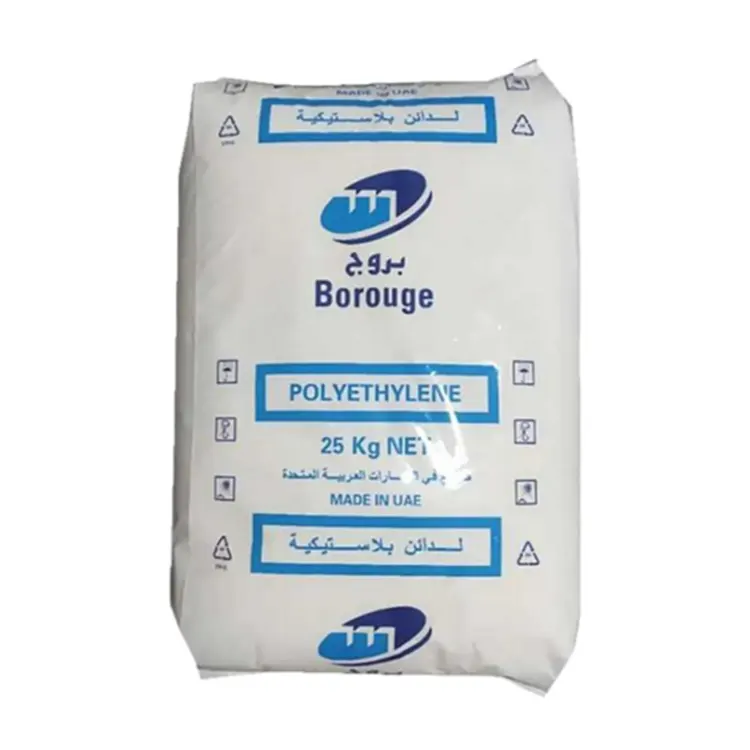
Standard packaging listed in Zhongwang's current company information is 25 kg per bag with a PE liner and woven outer sack. Packaging, grade availability, lead time, and shipment arrangements should be confirmed for the selected material and order. Sample shipments and bulk transportation can be discussed according to quantity and destination.
Not necessarily. Each process has different requirements for melt behavior and processing stability. Some grades may support multiple applications, but suitability must be confirmed using the manufacturer's technical data and processing recommendations.
Start with the finished part's mechanical requirements. Unfilled ABS may suit applications where surface appearance and general-purpose performance are priorities, while glass fiber reinforced grades may be considered when higher stiffness or strength is needed. The specific formulation, fiber content, dimensional requirements, and surface expectations should guide the decision.
Provide the grade category, manufacturer or grade number, processing method, intended application, estimated quantity, and delivery destination. Include critical requirements such as melt flow, impact performance, color, surface finish, or glass fiber content where applicable. A technical datasheet helps clarify the specification and assess possible alternatives.
Zhongwang can review sourcing requirements and discuss available material options. Before an alternative is accepted, its technical specifications and processing suitability should be compared with the original grade. Final approval should be based on the buyer's product requirements and any necessary production trials.