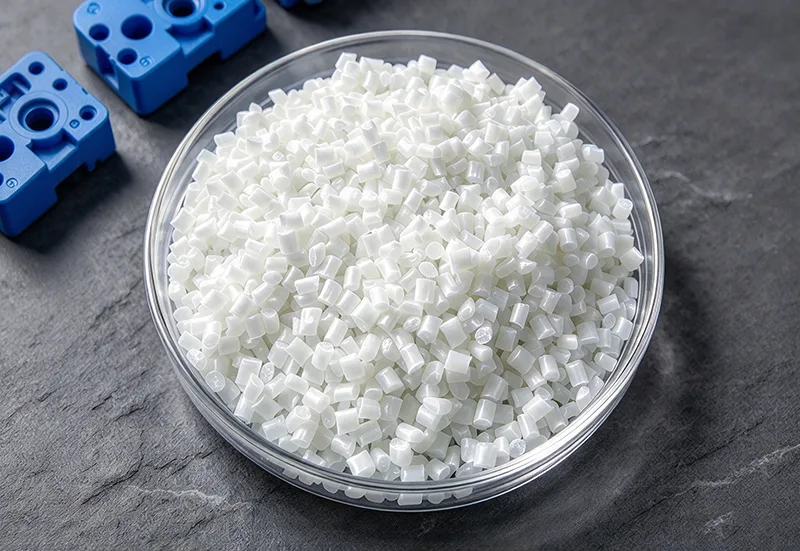
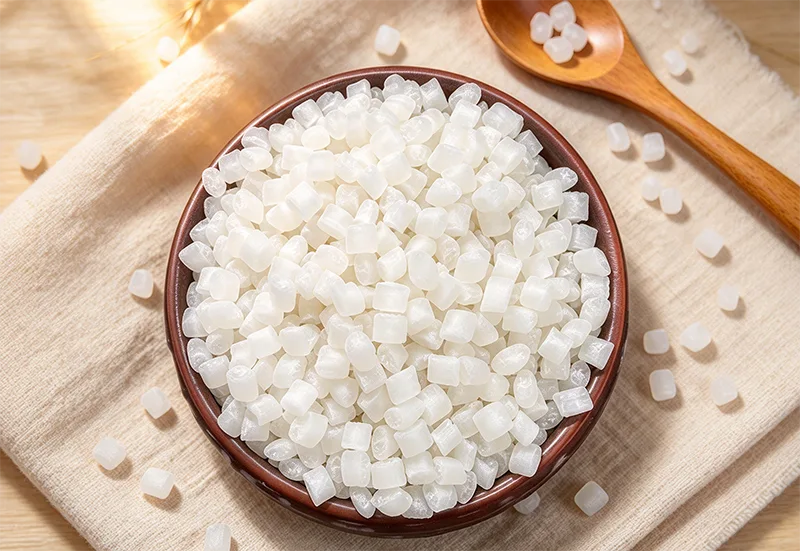
Polytetrafluoroethylene (PTFE) resin is a high-performance fluoropolymer widely recognized for its exceptional chemical resistance, low coefficient of friction, excellent electrical insulation and broad operating temperature range. Often referred to as the "King of Plastics," PTFE offers a distinctive combination of properties that makes it suitable for demanding industrial applications where conventional thermoplastics may not provide sufficient performance.
With the continued development of AI computing infrastructure, high-frequency electronics, aerospace engineering and advanced chemical processing, the demand for specialized materials with reliable thermal, electrical and chemical properties is increasing. PTFE resin plays an important role in these sectors, particularly in applications requiring low dielectric loss, corrosion resistance, dimensional reliability and consistent performance under challenging operating conditions.
One of the most important characteristics of PTFE resin is its ability to maintain useful physical and chemical properties across a wide temperature range. Standard PTFE grades commonly support continuous operating temperatures of approximately -200°C to +260°C, although actual limits depend on the grade, mechanical loading and application conditions.
This broad temperature tolerance makes PTFE suitable for applications involving both cryogenic environments and elevated operating temperatures. It is widely used in chemical processing equipment, industrial sealing systems, aerospace components and low-temperature fluid handling applications.
PTFE also demonstrates outstanding chemical resistance due to the strong carbon-fluorine bonds in its molecular structure. It is highly resistant to most acids, alkalis, oxidizing agents and organic solvents. Unlike many conventional plastics, PTFE maintains its chemical stability when exposed to a wide range of aggressive media.
These properties make PTFE resin a preferred material for:
For applications involving specific chemicals, elevated temperatures or mechanical stress, material compatibility should still be evaluated under the actual operating conditions.
PTFE resin is particularly valued for its exceptionally low coefficient of friction, which is among the lowest of commonly used solid engineering materials. Its naturally lubricious surface helps reduce friction between contacting components, minimizing wear and improving the operating efficiency of mechanical systems.
Unlike conventional materials that may require additional lubrication, PTFE can provide self-lubricating performance in many applications. This characteristic is especially useful in equipment where regular maintenance or the use of liquid lubricants is difficult.
Another distinctive feature is its low surface energy, which gives PTFE excellent non-stick and release properties. Its surface resists the adhesion of many substances, making it easier to clean and less prone to material buildup.
These characteristics support a wide range of applications, including:
PTFE also has very low water absorption, contributing to its suitability for applications where moisture resistance and electrical insulation are important. For precision sealing applications, the design must account for PTFE's creep and cold-flow characteristics under sustained pressure.
Electrical performance is another major reason why PTFE resin is widely used in advanced electronics and communication systems. PTFE has a low dielectric constant and very low dielectric loss compared with many conventional polymer materials, making it particularly suitable for high-frequency signal transmission.
Typical unfilled PTFE materials have a relative dielectric constant of approximately 2.0–2.1 under certain test conditions. Their dielectric loss can also be extremely low, although the actual values vary with frequency, temperature, material formulation and testing methods.
These electrical characteristics help minimize signal attenuation and dielectric losses in high-frequency applications. As data transmission requirements continue to increase, PTFE-based materials are becoming increasingly important in specialized electronic components and communication infrastructure.
Common applications include:
For applications requiring stable signal transmission at high frequencies, PTFE-based dielectric materials offer an effective combination of low dielectric constant, low loss and electrical insulation. The final material selection should consider the required frequency range, mechanical properties and circuit design.
In addition to its low dielectric loss, PTFE provides excellent electrical insulation. Its high electrical resistivity, low dielectric absorption and moisture resistance make it suitable for components that must maintain reliable insulating performance in demanding environments.
PTFE also offers excellent resistance to ultraviolet radiation, oxidation and many environmental influences. Its chemical structure contributes to strong weathering resistance, helping it retain important material properties during prolonged outdoor exposure.
These characteristics make PTFE useful in:
For applications involving repeated mechanical loading, long-term compression or thermal cycling, the material grade and component design should be selected carefully to maintain service reliability.
Beyond conventional PTFE resin, modified PTFE materials are expanding the range of applications available to manufacturers. By adjusting particle characteristics, introducing functional additives or developing specialized formulations, material producers can tailor PTFE for different processing and performance requirements.
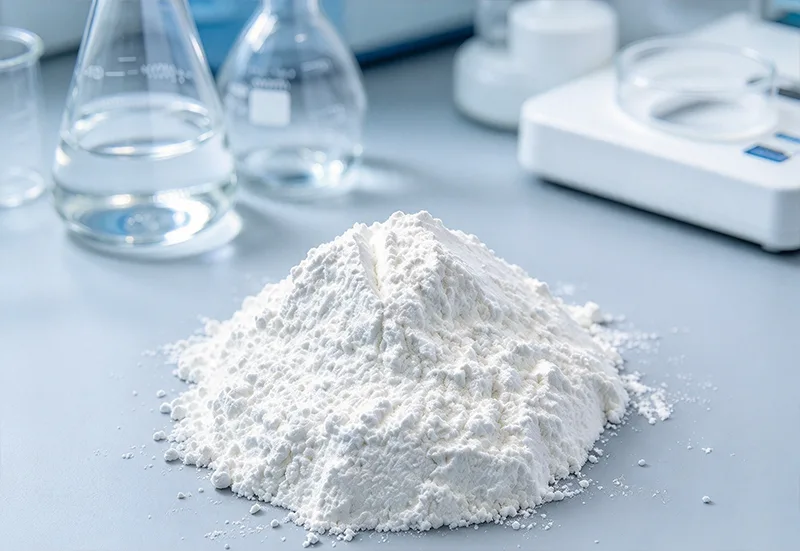
PTFE micropowder is commonly used as a functional additive in coatings, lubricants, inks and engineering plastics. Its fine particle structure allows it to be incorporated into compatible formulations to improve surface lubricity, reduce friction and enhance wear resistance.
Depending on the particle size, dispersion quality and loading level, PTFE micropowder can help improve:
Pure PTFE has excellent chemical and electrical properties, but its relatively low stiffness and tendency to creep under sustained loads can limit its use in certain mechanical applications. Filled PTFE grades incorporate materials such as glass fiber, carbon, graphite or bronze to modify specific mechanical and tribological properties.
These formulations can improve dimensional stability, compressive strength, wear resistance or load-bearing performance, depending on the filler system and application requirements.
Through the incorporation of suitable conductive or antistatic additives, PTFE compounds can be developed with modified electrical resistance. These materials are used in specialized applications where controlling static charge accumulation is important.
Potential applications include selected industrial components, electronic manufacturing environments and specialized fluid handling systems. The required electrical resistance and compatibility must be verified for each application.
As industries move toward more demanding operating conditions, the value of PTFE lies in its ability to combine several important material characteristics in a single polymer. Its chemical resistance supports corrosion-sensitive industrial processes, while its low friction and non-stick properties make it suitable for mechanical and surface-related applications.
At the same time, its electrical characteristics create opportunities in high-frequency electronics, communication systems and advanced computing infrastructure. These applications require materials capable of maintaining predictable dielectric performance while meeting specific mechanical and thermal requirements.
Although PTFE is generally more expensive than many commodity plastics, its specialized properties can provide significant advantages in applications where material failure, excessive friction, chemical degradation or signal loss would affect equipment performance.
For manufacturers and industrial buyers, selecting the right PTFE resin involves more than comparing basic material properties. Factors such as resin grade, particle characteristics, processing method, mechanical requirements and final application all influence material suitability.
Zhongwang focuses on supplying thermoplastic and specialty polymer materials for diverse industrial applications. Its product portfolio includes PTFE-related materials alongside other engineering and specialty plastics, supporting customers with different raw material sourcing requirements.
Whether the application involves chemical corrosion protection, electrical insulation, low-friction components or specialized polymer formulations, understanding the performance characteristics of PTFE is an important step toward selecting the appropriate material.
As high-frequency electronics, advanced manufacturing and chemical processing continue to evolve, PTFE resin is expected to remain an important material for applications where conventional plastics cannot provide the required combination of chemical stability, thermal resistance and electrical performance.