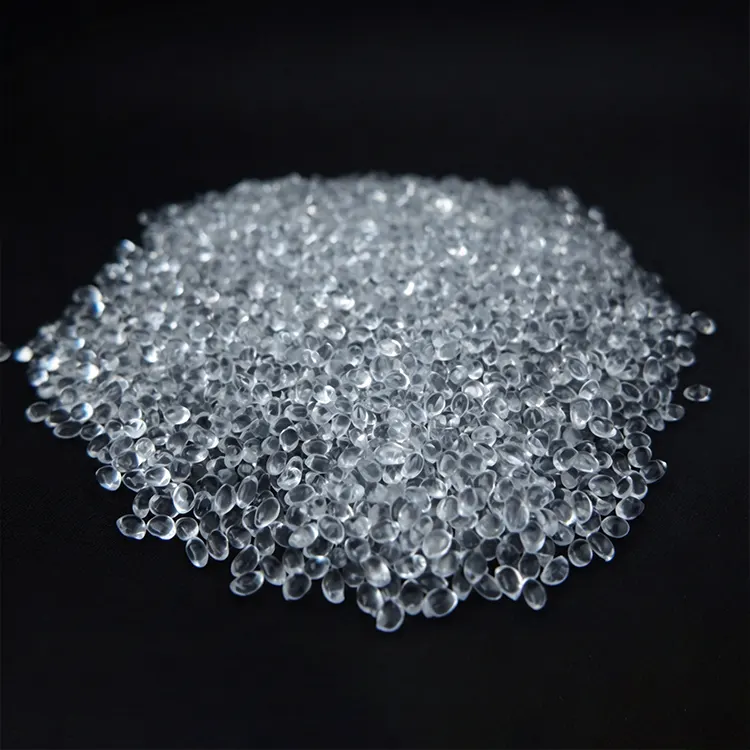
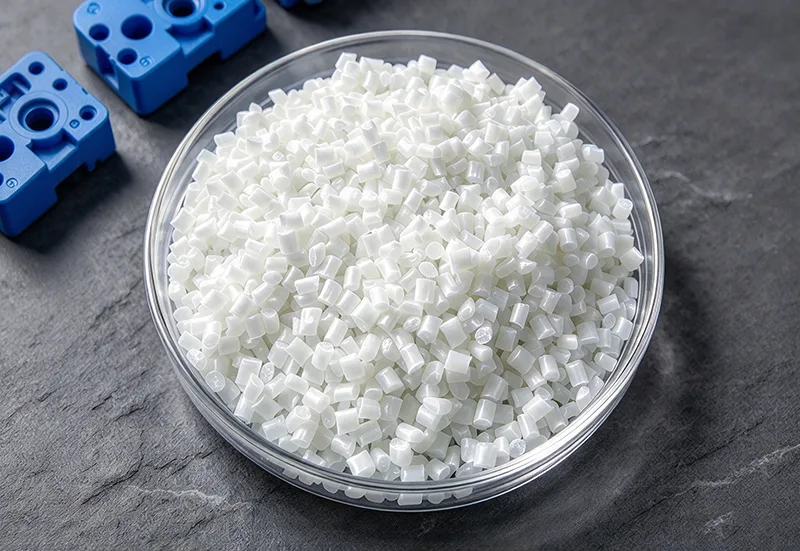
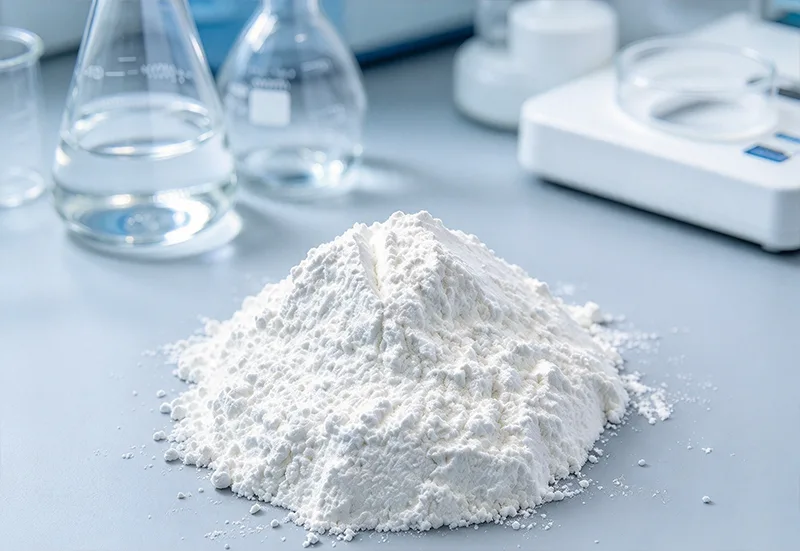
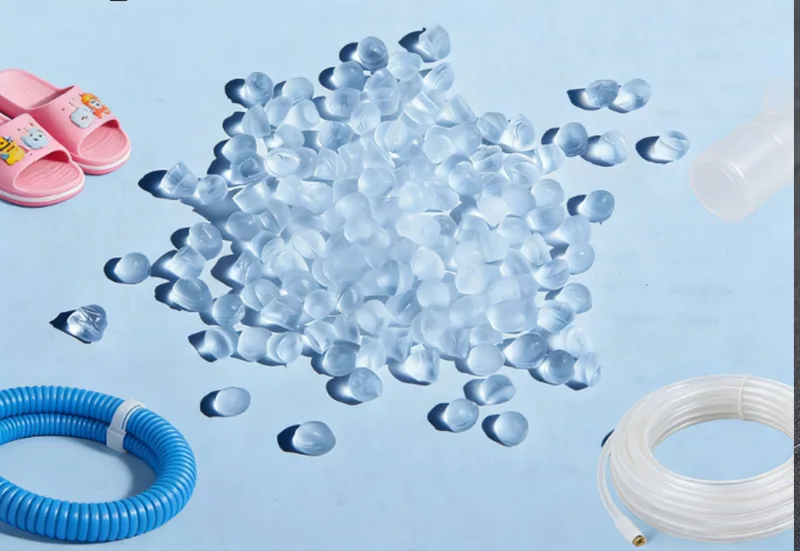
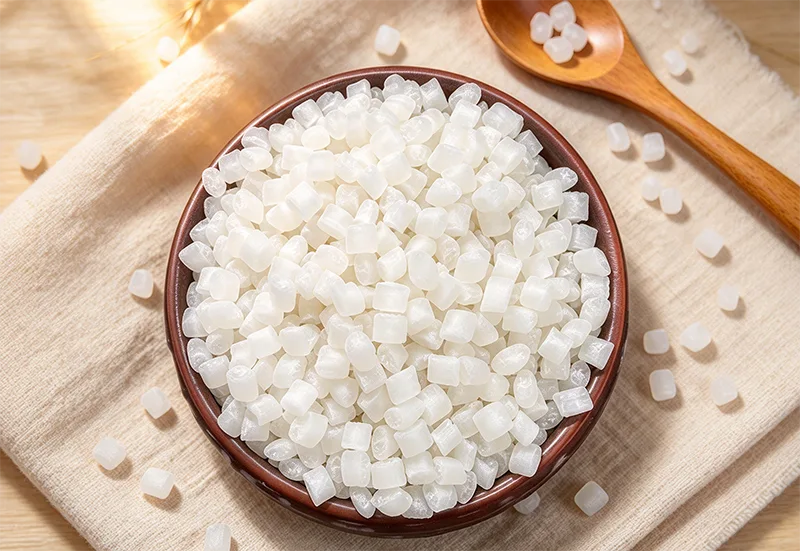
Polypropylene (PP) resin is one of the most widely used thermoplastic materials in the global plastics industry. Known for its low density, balanced mechanical properties, chemical resistance and excellent processing versatility, PP has become an important raw material across automotive manufacturing, household appliances, food packaging, medical products and general industrial applications.
As manufacturers increasingly focus on lightweight product design, production efficiency and material cost optimization, polypropylene continues to play an important role in modern manufacturing. Advances in polymerization technology and material modification have also expanded its performance range, allowing specialized PP grades to serve applications that require improved impact resistance, stiffness, transparency, heat resistance or other functional properties.
From conventional injection-molded products to reinforced automotive components and specialized packaging materials, PP resin offers manufacturers a flexible material platform for different production requirements.
One of the most distinctive advantages of polypropylene resin is its low density, typically around 0.90–0.91 g/cm³. Compared with many other commonly used thermoplastics, PP provides an effective way to reduce product weight without sacrificing the basic mechanical performance required for everyday industrial applications.
This lightweight characteristic is particularly valuable in automotive manufacturing, where reducing component weight can contribute to improved vehicle efficiency and lower material consumption. It is also beneficial for household appliances, consumer products and packaging applications, where manufacturers need to balance product functionality with production costs.
PP also offers a useful combination of stiffness, tensile strength and impact performance. Its mechanical characteristics vary according to polymer structure, molecular weight, additives and processing conditions. Homopolymer PP generally provides higher stiffness, while impact copolymer grades are designed to offer improved toughness, particularly at lower temperatures.
For applications requiring enhanced mechanical performance, reinforced PP compounds are available. Glass-fiber and other reinforcement systems can significantly improve stiffness, strength and dimensional stability, making these materials suitable for selected structural and automotive components.
Common applications include:
Polypropylene is a semi-crystalline thermoplastic with a melting point generally around 160–170°C, depending on the grade and polymer structure. Its thermal characteristics make it suitable for many applications involving moderate heat exposure and repeated use.
However, the melting point should not be confused with the continuous service temperature. Actual heat resistance depends on factors such as mechanical loading, product design, crystallinity and stabilization additives. Standard PP grades are commonly used in applications exposed to moderate temperatures, while specially formulated grades can be developed for more demanding thermal conditions.
Another important advantage of PP resin is its resistance to many acids, alkalis and aqueous chemical solutions. Its low water absorption helps maintain relatively stable physical properties in humid environments, making it suitable for chemical containers, fluid handling components and industrial equipment parts.
Typical applications benefiting from these characteristics include:
Although PP offers good resistance to many chemicals, compatibility should be evaluated according to the specific chemical, concentration, temperature and exposure duration. Certain organic solvents and oxidizing chemicals may affect the material under particular conditions.
Processing flexibility is another major reason why polypropylene resin is widely adopted by plastic manufacturers. Its melt flow characteristics can be adjusted through grade selection, allowing manufacturers to match different processing requirements and product designs.
PP resin supports several established manufacturing processes, including injection molding, extrusion, blow molding and thermoforming. Each process serves different product categories and production requirements.
Injection molding is widely used for producing PP components with complex geometries and consistent dimensions. Common products include automotive interior parts, household appliance components, storage containers, caps and closures, and consumer goods.
Extrusion is suitable for producing continuous PP products such as sheets, films, pipes, profiles and fibers. The process allows manufacturers to control product dimensions and output according to specific application requirements.
PP blow molding grades are used to manufacture hollow products such as bottles, containers and specialized packaging components. Material selection is particularly important for achieving the required wall thickness, impact resistance and product consistency.
PP sheets can also be processed through thermoforming to produce trays, containers and other packaging products. The material's lightweight properties and chemical resistance make it suitable for various food and industrial packaging applications, subject to the requirements of the intended use.
By selecting an appropriate melt flow rate and polymer grade, manufacturers can improve processing efficiency, maintain product consistency and optimize production costs.
Polypropylene is not a single uniform material. Its molecular structure, polymerization process and modification method can produce different grades with distinct mechanical and processing characteristics. Understanding these differences is important when selecting PP resin for specific manufacturing applications.
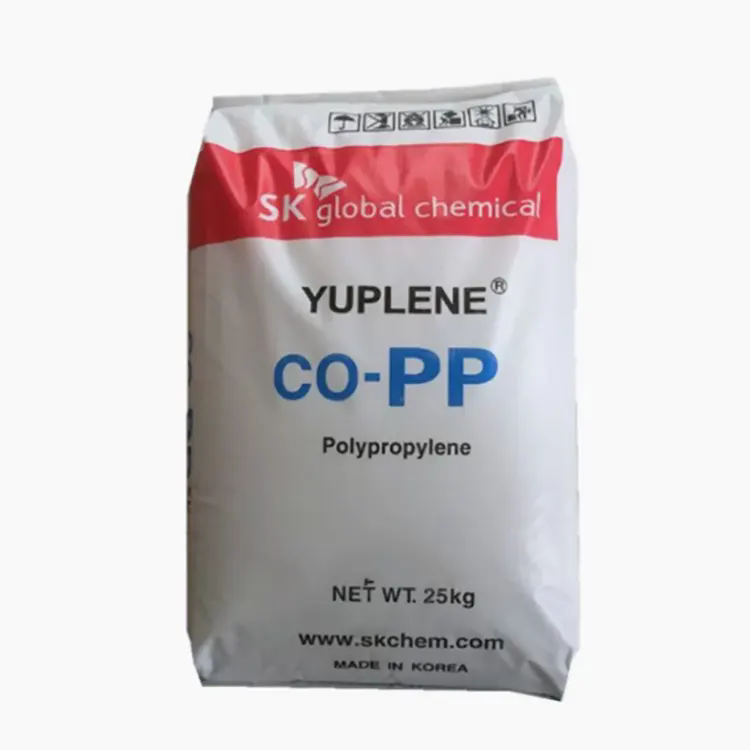
PP homopolymer is produced primarily from propylene monomers and is generally characterized by good stiffness, tensile strength and heat resistance. It is commonly used in injection-molded household products, packaging components, woven bags and industrial applications requiring a relatively rigid material.
Impact copolymer PP is designed to provide improved impact resistance and toughness compared with conventional homopolymer grades. Its performance at low temperatures makes it particularly useful for automotive components, appliance housings, industrial containers and products exposed to mechanical impact.
PP random copolymer incorporates a controlled amount of ethylene into the polymer structure to improve transparency, flexibility and impact characteristics. It is commonly used in transparent food containers, household products, packaging materials and selected medical-related applications.
Modified PP materials are developed to address specific performance requirements that standard grades may not fully satisfy. Glass-fiber reinforcement can improve stiffness and dimensional stability, while impact modifiers can enhance toughness. Other additives may be incorporated to improve UV resistance, flame retardancy, antistatic performance or processing characteristics.
These specialized formulations allow PP to serve a wider range of automotive, electrical, industrial and consumer product applications.
As downstream industries continue to evolve, polypropylene manufacturers are placing greater emphasis on specialized grades, functional modification and more sustainable material solutions.
Selected medical-grade PP materials are developed for applications requiring controlled material composition, consistent processing performance and compatibility with specific sterilization methods. Depending on the formulation, certain grades can withstand steam sterilization at temperatures around 121°C or be suitable for ethylene oxide sterilization.
These materials are used in selected medical containers, laboratory consumables, diagnostic equipment components and other healthcare-related products. Their suitability must be verified against the relevant biocompatibility, sterilization and regulatory requirements for the intended application.
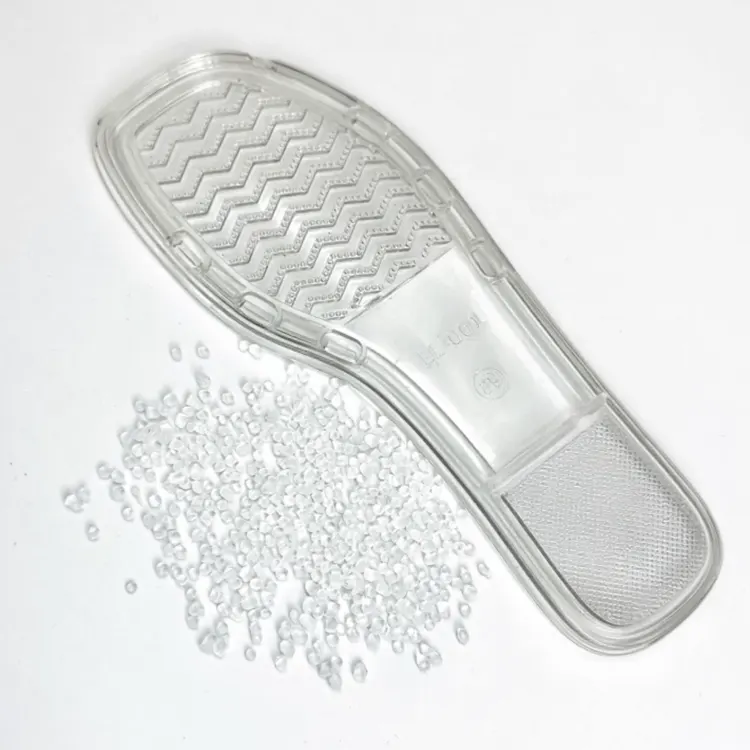
Advances in catalyst technology and polymer formulation have enabled the development of PP grades with improved transparency, surface appearance and processing performance. Random copolymer PP is commonly used when manufacturers require a combination of clarity, toughness and chemical resistance.
Typical applications include transparent food containers, storage products, packaging components and household products where visual appearance is an important consideration.
Recycled polypropylene is becoming increasingly important as manufacturers look for ways to reduce the use of virgin raw materials and improve resource efficiency. Through appropriate sorting, cleaning, compounding and quality control, recycled PP can be developed for applications with defined mechanical and processing requirements.
Some recycled PP products are also developed under recognized recycled-material certification systems, such as the Global Recycled Standard (GRS), where applicable certification and chain-of-custody requirements are met.
The suitability of recycled PP depends on the source material, contamination control, processing technology and final product specifications. For applications involving food contact or medical use, additional regulatory and material safety requirements must be considered.
Polypropylene continues to be an important material across multiple industries because it combines several practical advantages: low density, good chemical resistance, flexible processing options and competitive material costs. Its ability to be modified for different performance requirements also gives manufacturers considerable freedom in product development.
In the automotive sector, PP supports lightweight component design. In household appliances, it provides a cost-effective solution for functional housings and molded parts. In packaging, its chemical resistance and processing versatility support a wide variety of container, film and closure applications. Specialized grades also serve selected medical, electrical and industrial requirements.
As electric vehicles, smart appliances, advanced packaging and sustainable manufacturing continue to develop, demand for application-specific polypropylene grades is expected to remain an important part of the global plastics market.
For manufacturers sourcing polypropylene resin, choosing the right grade is essential for achieving consistent processing performance and finished product quality. Factors such as melt flow rate, stiffness, impact resistance, heat resistance and intended processing method should all be considered during material selection.
Zhongwang supplies a range of thermoplastic raw materials, including PP resin, for different industrial and manufacturing applications. Whether the requirement involves injection molding, extrusion, packaging production or general plastic product manufacturing, selecting a suitable grade is an important step toward balancing product performance and production efficiency.
By understanding the differences between PP homopolymer, impact copolymer, random copolymer and modified polypropylene, buyers can make more informed sourcing decisions based on their specific product designs, processing conditions and end-use requirements.
With its lightweight structure, versatile processing characteristics and broad modification potential, polypropylene resin will continue to play an important role in modern plastics manufacturing.