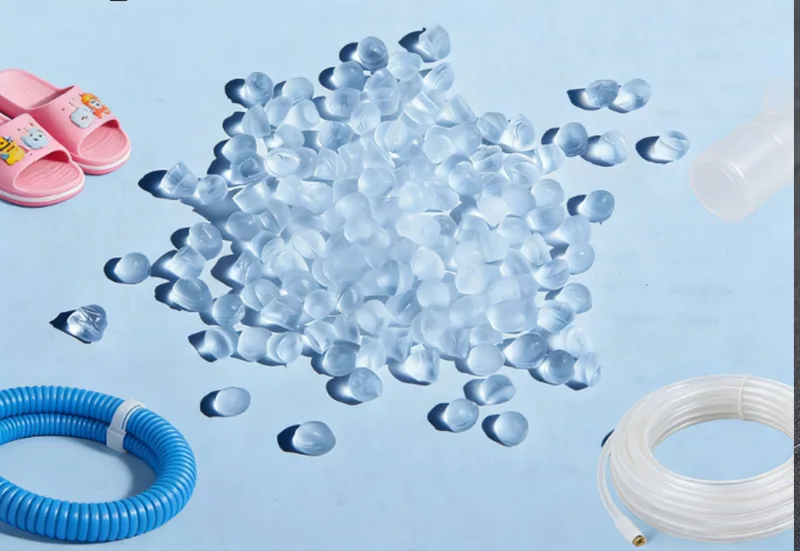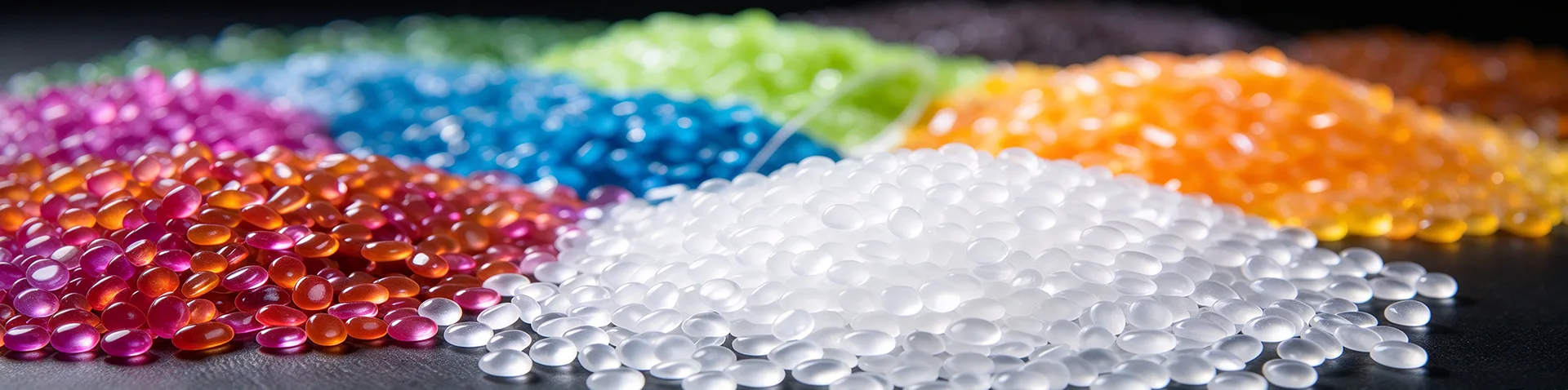
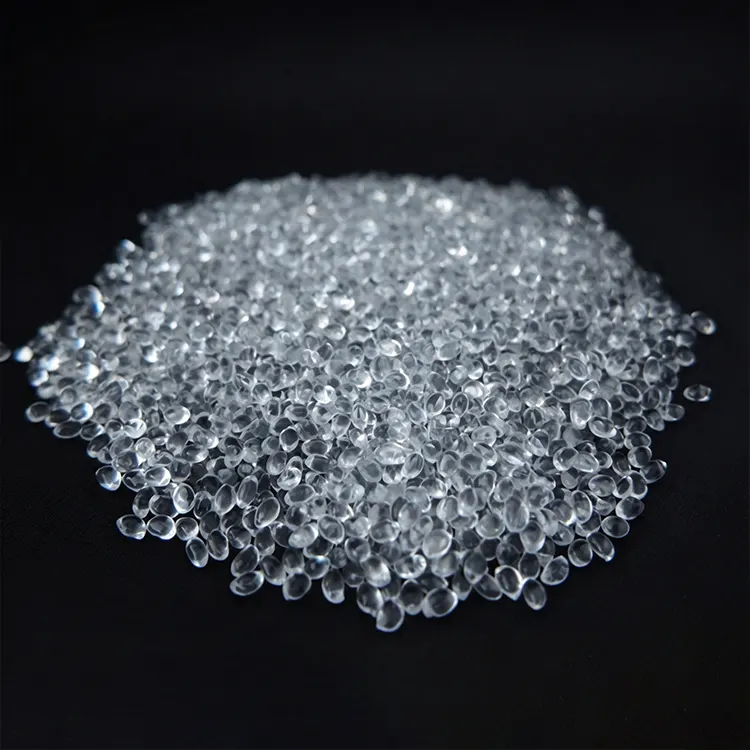
For B2B purchasers evaluating Polyether TPU in humid or water-exposed applications, Zhongwang helps identify grades whose material structure and mechanical properties match the intended operating environment.
Thermoplastic polyurethane contains hard and soft polymer segments. In a polyether-based formulation, the soft segments are derived from polyether chemistry, which influences flexibility and resistance to certain environmental conditions.
This distinction matters because different polyurethane chemistries do not respond identically to water, heat, chemicals, or repeated deformation.
Polyether-based grades are commonly considered where hydrolytic aging is a concern. The material also provides elastic behavior and can be processed through suitable thermoplastic methods.
However, no polymer structure eliminates all environmental limitations. The operating temperature, exposure duration, fluid composition, and mechanical stress remain important to material selection.
Hydrolysis is the chemical breakdown of susceptible polymer bonds through reaction with water. The rate and extent of damage depend on the material chemistry and exposure conditions.
Polyether TPU generally offers better hydrolysis resistance than many conventional polyester-based TPU grades.
This difference becomes relevant when a component is exposed to water, high humidity, or wet service conditions over extended periods.
Elevated temperature can intensify environmental aging. Therefore, a material that performs satisfactorily under ordinary room-temperature humidity may still require further evaluation for prolonged hot-water exposure.
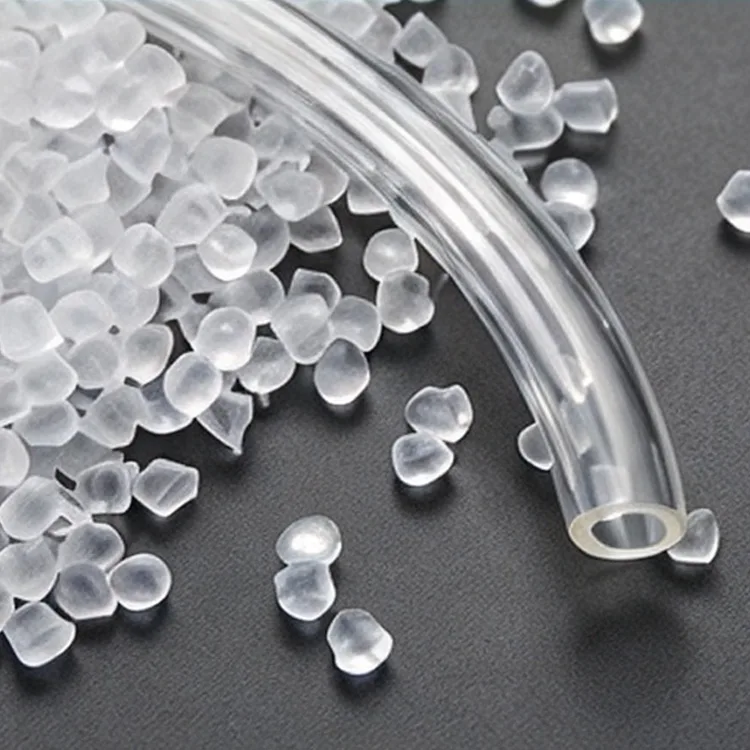
Flexible tubing may encounter humidity, water contact, changing temperatures, and repeated bending during operation.
Material selection should consider hydrolysis resistance, flexibility, pressure conditions, wall thickness, and the actual fluid passing through the tube.
Water resistance does not automatically establish compatibility with cleaning chemicals, oils, or industrial solvents.
Covers and sleeves used around outdoor or moisture-exposed equipment may require flexibility after extended environmental exposure.
Mechanical loading, ultraviolet exposure, and temperature changes should be considered separately from hydrolysis resistance.
If prolonged sunlight exposure is expected, a suitable UV-stabilized grade or other protective measures may be necessary.
For flexible hoses, seals, and related components, elastic behavior is often as important as environmental resistance.
The required hardness, tensile properties, tear strength, and compression behavior should be matched to the component's mechanical function.
Certain polyether-based grades are selected for applications requiring flexibility at relatively low temperatures.
A flexible tube or protective cover must remain capable of bending without developing unacceptable cracking or permanent deformation under its expected operating conditions.
The appropriate temperature range is grade-dependent. It should be established through relevant technical data and, where necessary, testing after low-temperature conditioning.
For products undergoing repeated bending, fatigue performance should be evaluated alongside tensile and elongation results.
A high elongation value from a single tensile test does not by itself establish long-term resistance to repeated movement.
| Application Factor | Polyether-Based TPU | Polyester-Based TPU |
|---|---|---|
| Hydrolysis Resistance | Generally a key advantage | More formulation- and exposure-dependent |
| Humid Environments | Often considered for prolonged moisture exposure | Requires suitable grade and aging evaluation |
| Low-Temperature Flexibility | Important characteristic of selected grades | Grade-dependent |
| Oil and Grease Exposure | Grade-specific compatibility required | Often considered for certain oil-contact applications |
| Abrasion Resistance | Depends on grade and application | Depends on grade and application |
| Manufacturing | Applicable injection and extrusion grades | Applicable injection and extrusion grades |
These comparisons describe broad material tendencies rather than guaranteed superiority under every condition. Actual grades should be compared using relevant tests.
| Item | Reference Information |
|---|---|
| Product Name | Polyether TPU |
| Brand | Zhongwang |
| Material Family | Thermoplastic Polyurethane |
| Soft-Segment Type | Polyether-Based |
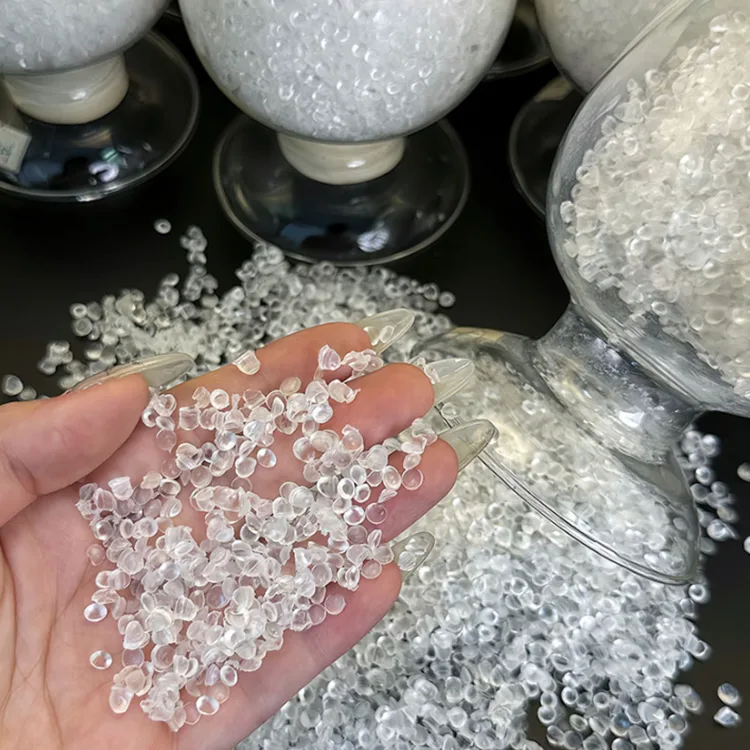
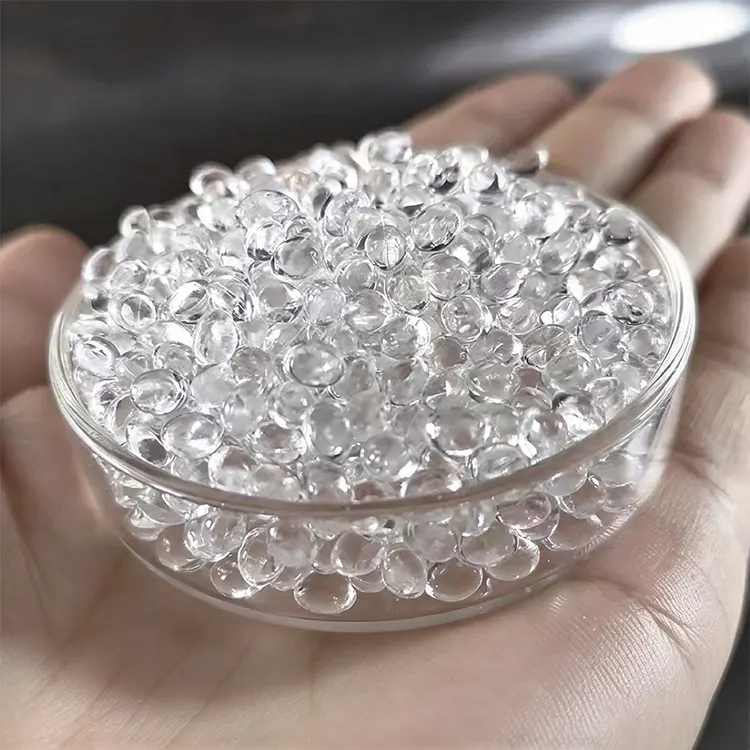
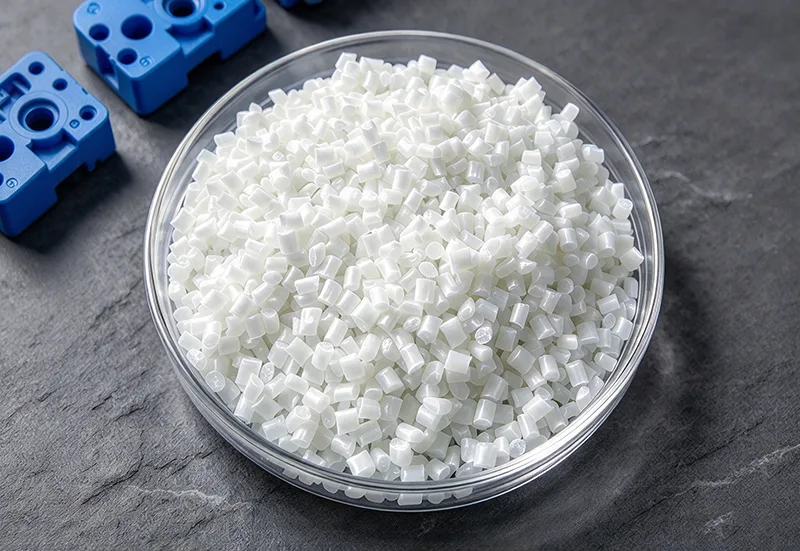
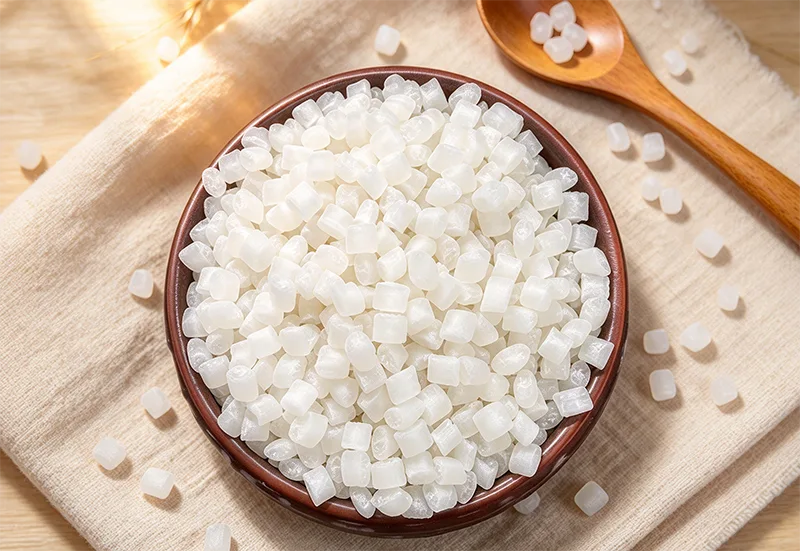
| Material Form | Pellets |
| Hardness | Grade-dependent |
| Density | Grade-dependent |
| Melt Flow | Grade-dependent |
| Tensile Strength | Grade-dependent |
| Elongation | Grade-dependent |
| Tear Strength | Grade-dependent |
| Abrasion Resistance | Grade-dependent |
| Compression Set | Grade-dependent |
| Hydrolysis Resistance | Grade- and exposure-dependent |
| Low-Temperature Performance | Grade-dependent |
| Chemical Resistance | Grade- and chemical-dependent |
| Processing Methods | Injection Molding / Extrusion, Depending on Grade |
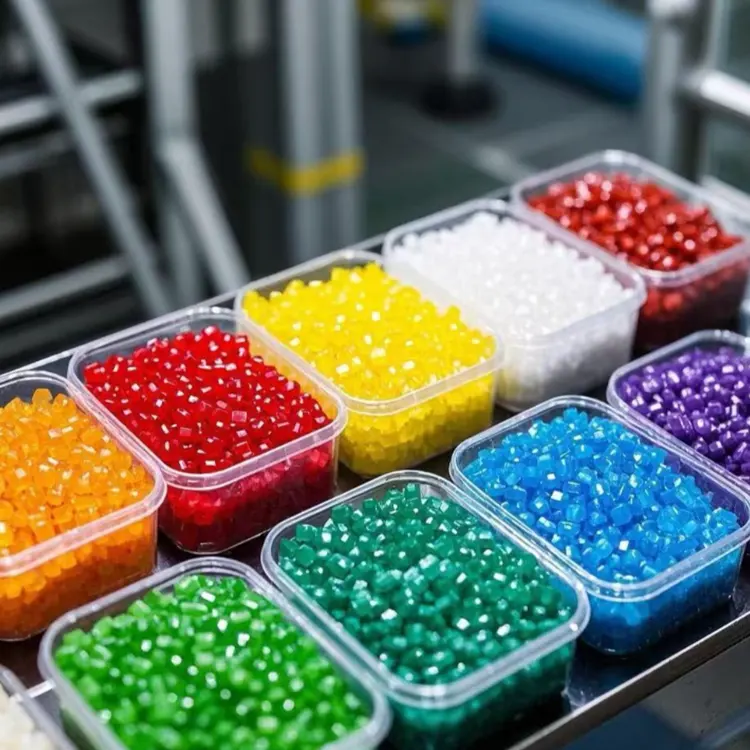
| Color | Natural or Grade-Dependent Colors |
| Packaging | Standard Resin Packaging |
| Documents | TDS, COA and Applicable Product Documentation |
The performance characteristics described above must be confirmed for the selected grade. Exact numerical values should not be assumed from the polyether-based classification alone.
Environmental testing should reflect the temperature and length of exposure expected during service.
A material exposed to intermittent humidity may not experience the same aging conditions as a component continuously immersed in warm water.
Where hydrolysis resistance is important, compare properties before and after representative conditioning.
Tensile strength, elongation, flexibility, and changes in appearance may be relevant depending on the finished component.
Cleaning fluids, lubricants, detergents, and industrial chemicals can affect material suitability.
Compatibility should be checked against the actual chemical composition, concentration, temperature, and contact duration.
Hydrolysis resistance during service should not be confused with moisture tolerance during processing.
TPU pellets can require drying before injection molding or extrusion. Moisture present during high-temperature processing may cause defects or polymer degradation.
Follow the grade-specific drying and allowable moisture instructions supplied with the material.
Zhejiang Zhongwang International Trade Co., Ltd. sources industrial polymer materials from its location in Yuyao China Plastics City, working with established raw material suppliers and logistics resources.
When purchasing Polyether TPU, buyers should describe the expected water or humidity exposure, minimum operating temperature, repeated bending requirements, hardness, mechanical loads, and manufacturing process.
The relevant grade can then be assessed against its technical documentation and representative service testing before production approval.
Its soft-segment chemistry generally provides better hydrolysis resistance than conventional polyester-based TPU. The actual advantage depends on the grade and conditions of exposure.
Selected grades offer useful low-temperature flexibility. The minimum suitable operating temperature must be confirmed through grade-specific data and appropriate conditioning tests.
No. Hydrolysis resistance concerns resistance to chemical degradation involving water. Waterproof performance of a finished product also depends on its geometry, construction, joints, and other design features.
Suitable grades can be considered for flexible hoses, but material selection must also consider fluid chemistry, temperature, pressure, wall thickness, and applicable product requirements.
TPU can be sensitive to moisture during melt processing. Drying requirements should follow the selected grade's technical instructions even when the material is intended for moisture-exposed service.
Address
Building 1, China Plastics International Business Center, No. 285 Shunda West Road, Yuyao City, Ningbo City, Zhejiang Province, China
Tel
If you have any enquiry about quotation or cooperation, please feel free to email us or use the following inquiry form.Our sales representative will contact you within 24 hours. Thank you for your interest in our products.