A sourcing request for Modified TPU begins with the required performance change, and Zhongwang helps buyers compare relevant material grades rather than treating every modified polyurethane as an interchangeable product.
Thermoplastic polyurethane is an elastomer containing hard and soft polymer segments. This structure provides a combination of elasticity, strength, and thermoplastic processing capability.
Material modification can involve changes to the underlying polymer structure, additive package, reinforcement system, or compound formulation.
These changes are intended to adjust selected properties. A formulation developed for wear resistance may not have the same flexibility or surface characteristics as a grade designed for a soft protective component.
Consequently, the term "modified" does not identify a single chemical composition or a universal level of performance.
Material replacement is most effective when the original failure mechanism has been identified.
For example, a roller may fail because of abrasive wear, a flexible cover may tear around a fastening point, and a molded housing may develop dimensional problems during production.
Each problem points toward different material properties and testing methods.
Wheels, rollers, guides, and moving protective components may experience repeated friction or contact with abrasive surfaces.
Abrasion-oriented polyurethane formulations can be evaluated where wear resistance is a primary requirement.
Buyers should specify the counterface material, contact pressure, movement pattern, temperature, and wear-test method.
A material showing favorable laboratory abrasion results may behave differently when exposed to heat, contamination, or repeated impact during service.
Flexible housings, protective sleeves, and elastic industrial parts may develop tears at corners, connection points, or areas with concentrated strain.
Relevant selection properties include tear strength, elongation, fatigue behavior, hardness, and component geometry.
Increasing hardness alone may not solve a tear problem and can reduce the flexibility needed for the application.
Some flexible components need to return toward their original dimensions after being compressed.
Compression-set performance, service temperature, and duration under load should be considered where permanent deformation affects function.
The appropriate formulation should be assessed using representative test conditions rather than a generic elasticity claim.
Short shots, surface defects, inconsistent dimensions, and difficult demolding can be related to melt behavior as well as mold design.
A processing-oriented modified formulation may help address specific requirements, but equipment settings and tooling should be reviewed before concluding that the base polymer is responsible.
| Objective | Relevant Properties | Typical Evaluation |
|---|---|---|
| Wear Resistance | Abrasion behavior, hardness, surface characteristics | Wear testing under representative contact conditions |
| Flexibility | Hardness, elongation, elastic recovery | Bending and deformation trials |
| Mechanical Durability | Tensile strength, tear strength, fatigue | Component-level mechanical testing |
| Chemical Exposure | Compatibility with specific fluids | Immersion or exposure testing |
| Processing Improvement | Melt behavior, shrinkage, surface appearance | Injection or extrusion trials |
| Temperature Performance | Mechanical retention and dimensional response | Conditioned aging or service simulation |
Injection grades are suitable for selected flexible and semi-rigid parts, including protective covers, industrial rollers, grips, seals, and molded mechanical components.
Melt-flow requirements depend on cavity dimensions, gate design, part thickness, and required surface finish.
A compound intended for easy cavity filling may require a different viscosity profile from one intended to retain its shape through continuous extrusion.
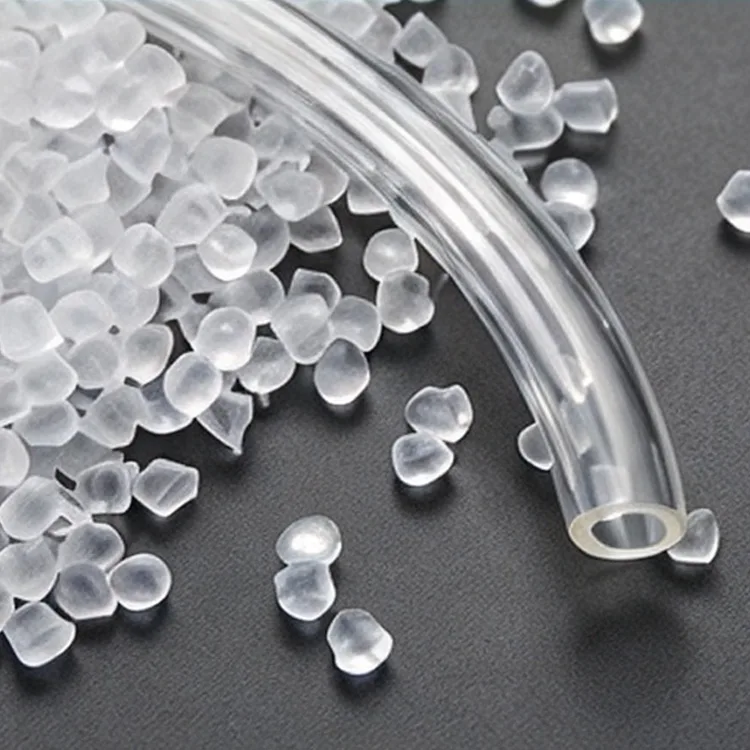
Extrusion grades can be evaluated for continuous tubing, protective sleeves, sheets, profiles, and other flexible forms.
Stable material feeding, melt delivery, die flow, and cooling are required to maintain consistent dimensions.
Finished-product performance should be checked after processing because the selected formulation and thermal history can influence material characteristics.
TPU can be sensitive to moisture during melt processing. Excessive moisture may cause polymer degradation, bubbles, or surface defects.
Drying temperature, duration, and allowable moisture content should follow the actual grade's technical instructions.
A single drying schedule should not be applied to every modified polyurethane formulation.
| Item | Reference Information |
|---|---|
| Product Name | Modified TPU |
| Brand | Zhongwang |
| Material Family | Thermoplastic Polyurethane |
| Material Structure | Application-Specific Modified Formulation |
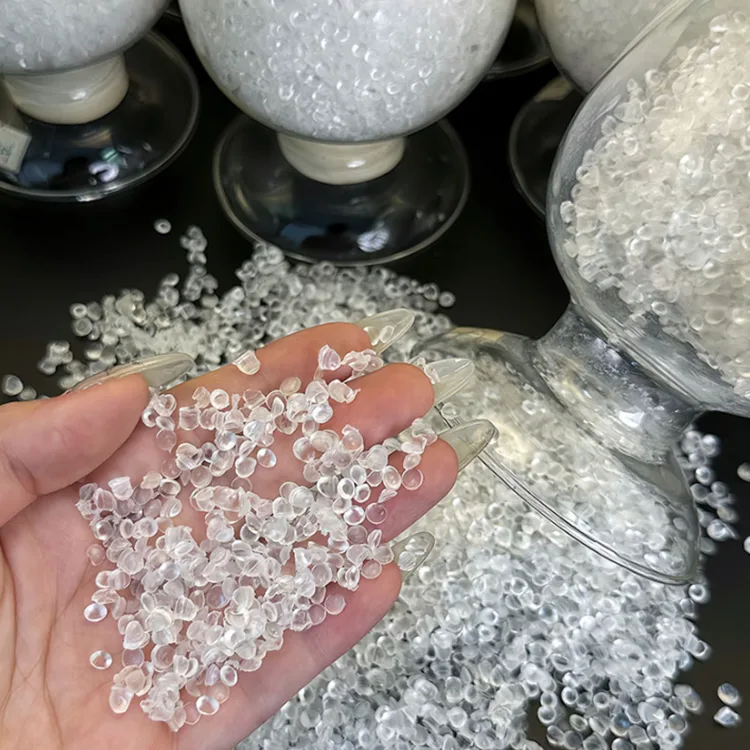
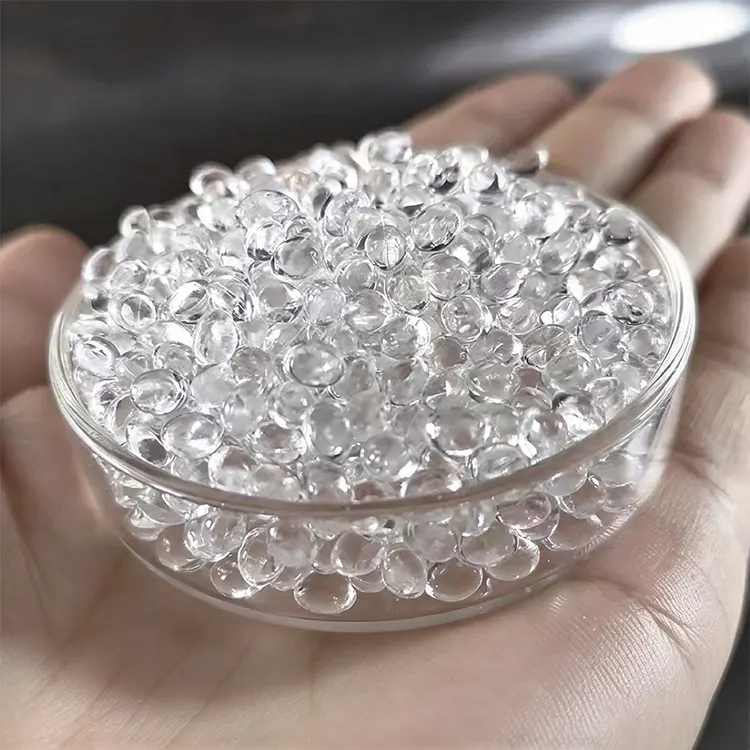
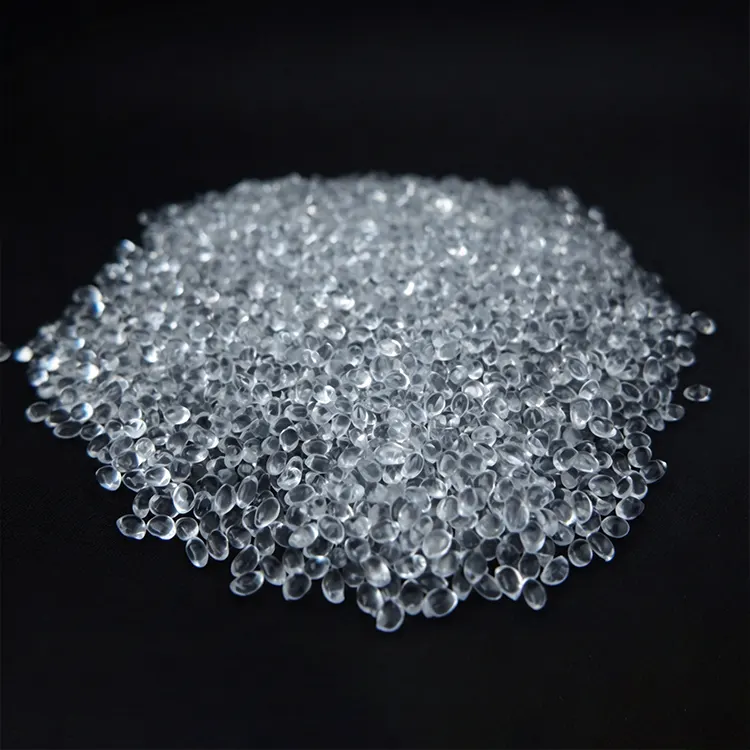
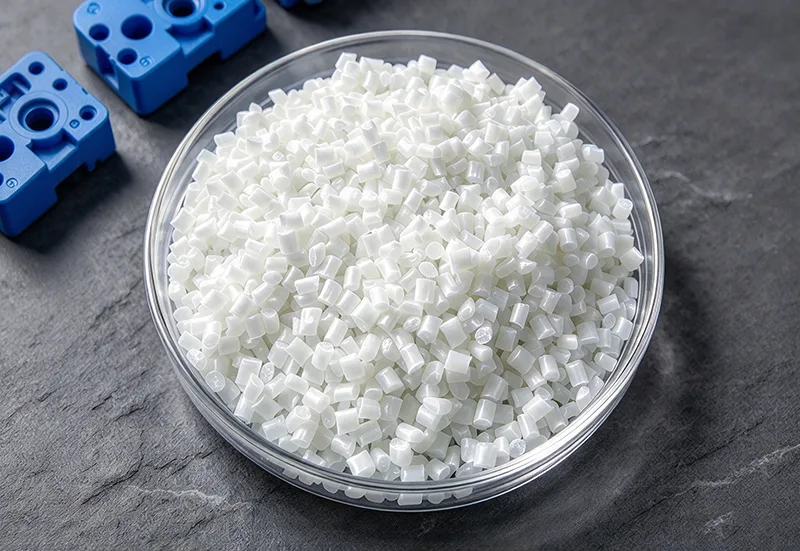
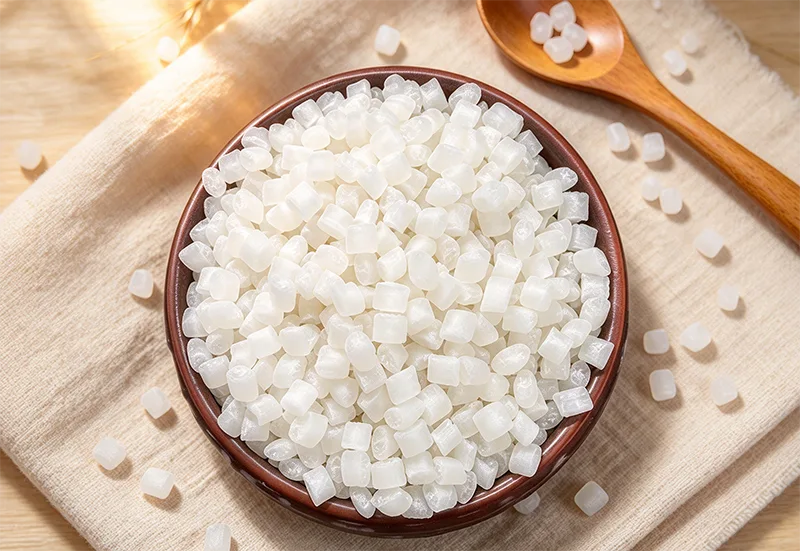
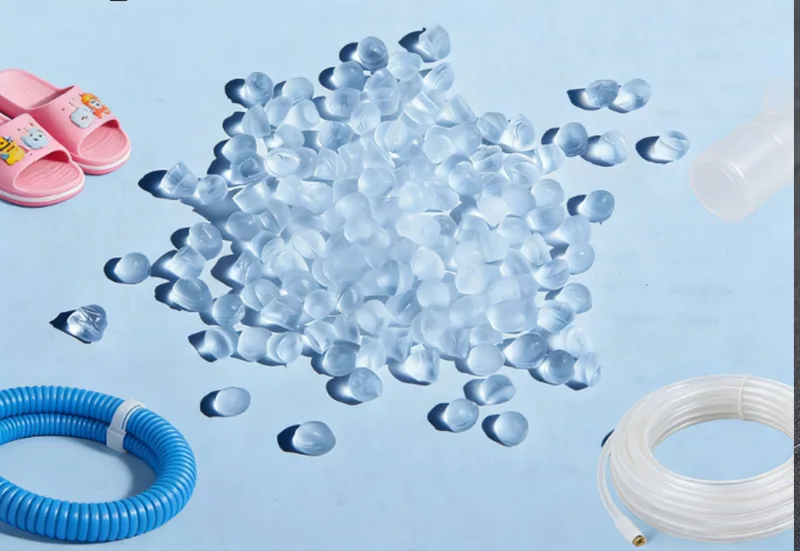
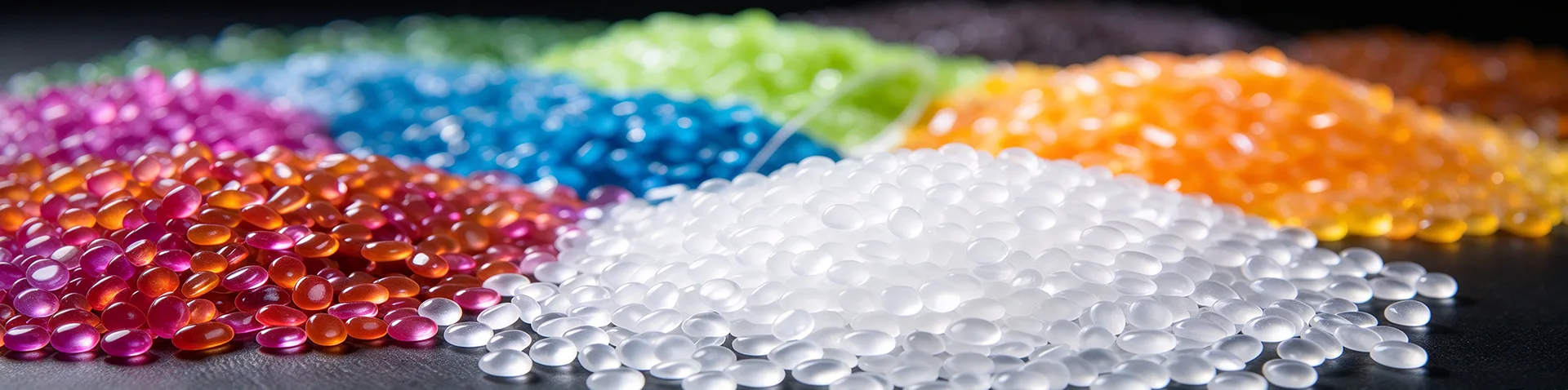
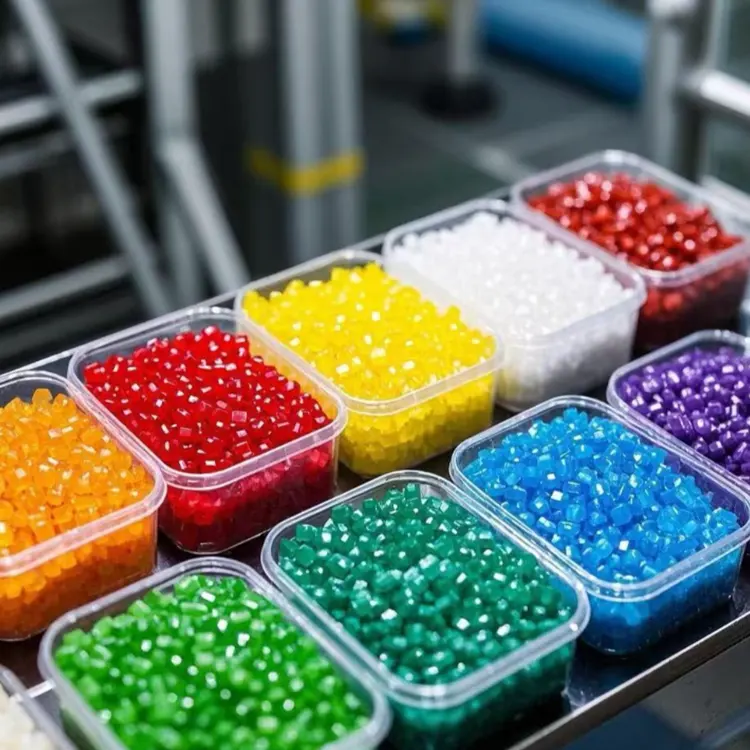
| Physical Form | Pellets |
| Hardness | Grade-dependent |
| Density | Grade-dependent |
| Melt Flow | Grade-dependent |
| Tensile Strength | Grade-dependent |
| Elongation at Break | Grade-dependent |
| Tear Strength | Grade-dependent |
| Abrasion Performance | Grade- and test-dependent |
| Compression Set | Grade-dependent |
| Chemical Resistance | Grade- and exposure-dependent |
| Processing | Injection Molding or Extrusion, depending on grade |
| Color | Natural or Grade-Dependent Colors |
| Packaging | Standard Resin Packaging |
| Documents | TDS, COA and Applicable Product Documentation |
When replacing a standard resin, buyers should identify which properties must improve and which existing characteristics cannot be compromised.
For example, improving abrasion resistance may not justify a material change if the resulting grade fails the required bending or tear test.
A useful trial compares the candidate and existing materials using the same manufacturing conditions and representative finished parts.
Test results should be linked to measurable performance targets such as wear loss, tensile behavior, compression recovery, dimensional variation, or chemical-exposure response.
Zhongwang works within the Yuyao China Plastics City supply network, coordinating raw material sourcing for manufacturers across industrial processing sectors.
For Modified TPU inquiries, buyers should explain the component's current material, target improvement, manufacturing method, mechanical requirements, exposure conditions, and expected purchasing volume.
An existing TDS, a finished-part drawing, or documented failure observations can help identify the type of grade worth evaluating.
Final approval should follow comparison testing and review of the selected material's technical documentation.
No. Modification is intended to address particular requirements. A formulation optimized for one characteristic may involve trade-offs in flexibility, processing, cost, or other properties.
A wear-oriented formulation may improve performance under suitable conditions, but the result depends on contact pressure, surface material, temperature, and operating conditions. Representative wear testing is necessary.
Certain formulations can target particular chemical-exposure requirements. Compatibility must be verified for the specific fluid, concentration, exposure temperature, and duration.
Buyers should describe the current material, the problem requiring improvement, hardness, mechanical loads, processing method, working environment, and finished-part geometry.
Some formulations may be suitable for more than one process, but this should not be assumed. Injection and extrusion have different melt-behavior requirements, and the selected grade must be validated for each process.
Address
Building 1, China Plastics International Business Center, No. 285 Shunda West Road, Yuyao City, Ningbo City, Zhejiang Province, China
Tel
If you have any enquiry about quotation or cooperation, please feel free to email us or use the following inquiry form.Our sales representative will contact you within 24 hours. Thank you for your interest in our products.