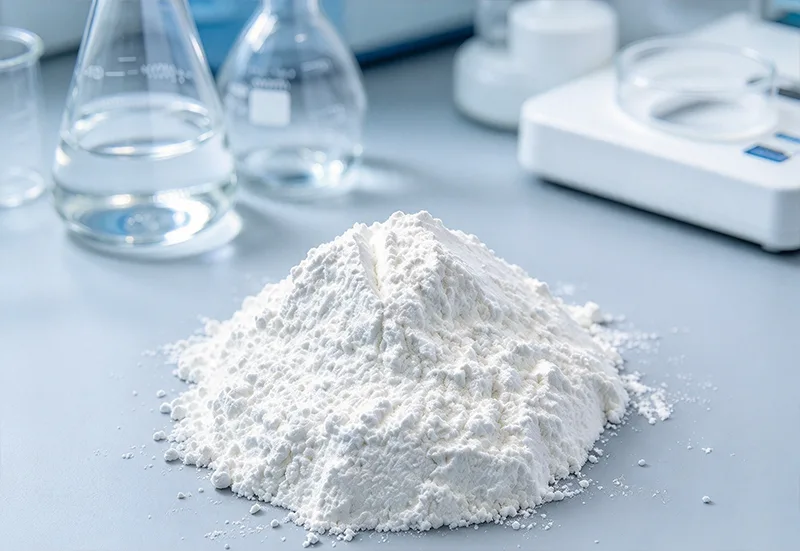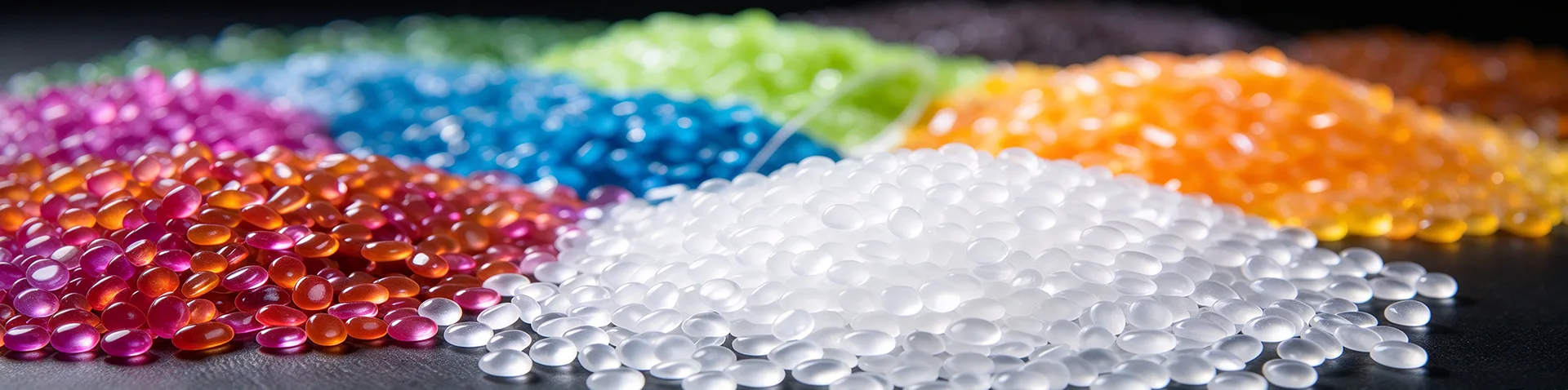
Zhongwang offers PTFE Emulsion for manufacturers sourcing aqueous polytetrafluoroethylene dispersions used in coating and impregnation processes. Unlike solid PTFE powders, this material contains fine polymer particles suspended in a water-based medium, allowing the dispersion to be applied to suitable surfaces before drying and sintering.
The dispersed PTFE particles typically measure 0.1–0.3 μm. After application by spraying, dipping, or roll coating, the water is removed during drying. The deposited polymer particles are subsequently sintered at elevated temperatures to form a continuous PTFE layer.
This processing method is used where conventional PTFE molding or paste extrusion cannot produce the required thin coating or impregnated structure. The resulting coating can provide low surface friction, chemical resistance, and electrical insulation, depending on the formulation and finished coating construction.
The liquid dispersion requires careful handling. Freezing, contamination, unsuitable dilution, or excessive mechanical agitation can destabilize the suspension. Buyers should therefore consider storage and coating conditions alongside the material's technical properties.
Different applications place different demands on particle dispersion, wetting behavior, viscosity, surfactant content, and film formation. A grade intended for cookware finishing may not provide the same processing characteristics required for fiberglass impregnation or secondary industrial formulation.
This grade is intended for industrial surface treatment where balanced dispersion stability and coating performance are required. The supplied reference specifies a typical solids content of 60±2 wt%, with wetting characteristics suitable for selected metal, ceramic, and rigid substrates.
Applications include industrial protective coatings, mold-release surfaces, mechanical component lubrication, and general surface treatment.
Cookware coating requires particular attention to surface leveling, film uniformity, and appearance after sintering.
This grade uses an adjusted particle and surfactant system to support smooth coating formation and a high-gloss finish. Typical applications include non-stick pans, bakeware, kitchen utensils, and suitable food-processing equipment surfaces.
The complete coating system, substrate preparation, and applicable food-contact requirements must be evaluated before commercial use.
For porous substrates, the dispersion must penetrate the textile structure rather than remaining only on the outer surface.
Impregnation grades are selected for wetting and penetration characteristics during repeated dipping and drying cycles. They can be considered for fiberglass cloth, aramid fabrics, heat-resistant conveyor belts, and electrical insulation textiles.
The number of impregnation passes, coating pickup, drying conditions, and sintering schedule influence the final material characteristics.
Some industrial coating manufacturers require greater control over their own formulations. Low-surfactant grades provide a starting material for secondary formulation development where surfactant content or residue is a particular consideration.
These grades can be evaluated for specialized thin-film coatings, industrial coating blends, and compatible polymer modification systems.
Materials intended for cookware or food-processing equipment require additional evaluation of composition, impurities, and applicable regulatory requirements.
Selected grades are available with food-contact-related supporting documentation. Buyers should confirm the relevant destination-market requirements and the scope of supplied documents before incorporating the material into a finished coating system.
| Item | Reference Specification |
|---|---|
| Product Name | PTFE Emulsion / Aqueous PTFE Dispersion |
| Brand | Zhongwang |
| Polymer | Polytetrafluoroethylene (PTFE) |
| Physical Form | Water-Based Liquid Dispersion |
| Appearance | Milky White to Light Yellow Liquid |
| Solid Content | 60±2 wt% (Grade-Dependent) |
| Average Primary Particle Size | 0.1–0.3 μm |
| pH Value | 8–10 |
| Viscosity at 25°C | 10–100 mPa·s (Grade-Dependent) |
| Surfactant Content | 4.0–7.5 wt% Based on PTFE Solids |
| PTFE Melting Point | 327±5°C |
| Reference Sintering Temperature | 360–380°C |
| Reference Service Temperature of Sintered PTFE | -200°C to 260°C |
| Processing Methods | Spraying, Dipping, Roll Coating |
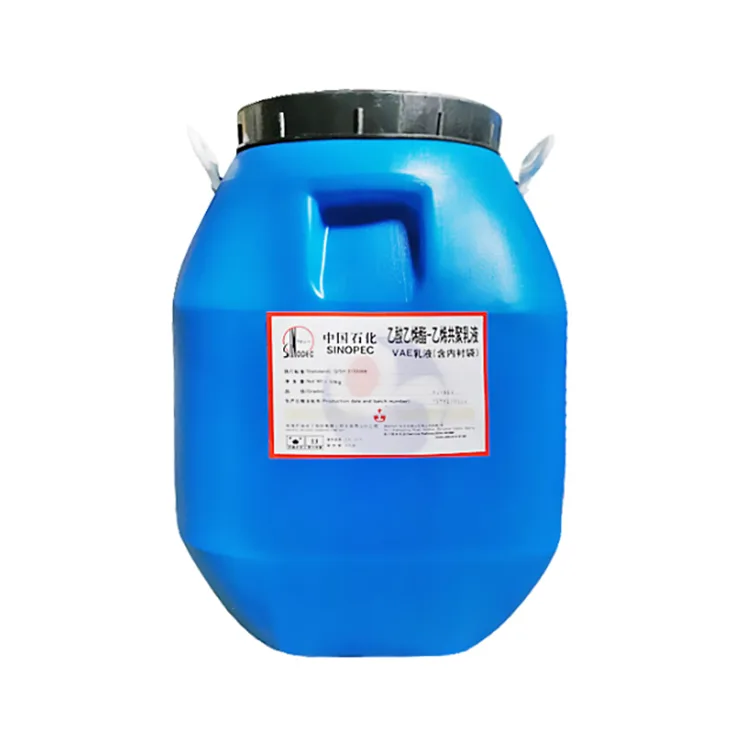
| Packaging | 25 kg / 1000 kg Plastic Drums |
| Recommended Storage Temperature | 5–35°C; Protect from Freezing |
| Reference Shelf Life | 12 Months in Original Sealed Packaging |
| Available Documents | COA, TDS, SDS and Applicable Compliance Statements |
| Supply Location | Yuyao, Zhejiang, China |
The values above are reference specifications rather than guaranteed properties for every grade. Final purchasing specifications should be confirmed against the selected grade's technical data sheet and batch-specific certificate of analysis. Service temperature and melting point refer to PTFE polymer characteristics, not the storage or operating temperature of the liquid dispersion.
The performance of a finished coating depends on more than the dispersion itself. Substrate preparation, application thickness, water removal, and sintering conditions directly affect film continuity and surface characteristics.
Before coating, the substrate should be cleaned to remove oil, dust, rust, and other contaminants. Surface preparation is particularly important when coating metal components, where poor cleaning can contribute to weak coating adhesion.
The dispersion may be applied through spraying, dipping, or roll coating according to the substrate geometry and manufacturing equipment. Coating thickness and wetting behavior should be controlled to achieve the required coverage.
After application, water must be removed before high-temperature sintering. Excessively rapid heating may cause trapped moisture to expand, creating blisters, pinholes, or other defects.
Thick single-pass coatings are particularly sensitive to drying conditions. Multiple controlled coating passes may be preferable where greater coating buildup is required.
The reference sintering range is 360–380°C, subject to the specific grade, coating construction, substrate, and processing equipment.
During this stage, deposited PTFE particles coalesce to form a continuous polymer layer. Insufficient sintering can leave a poorly consolidated coating, while excessive temperature or residence time may cause thermal degradation.
The sintering cycle should be established through trials using the actual substrate and coating equipment.
PTFE Emulsion requires different storage practices from dry fluoropolymer resins. Because the polymer particles are suspended in water, the stability of the liquid system must be protected throughout warehousing, transportation, and manufacturing.
Freezing can cause irreversible coagulation of the dispersed polymer particles. Once the liquid has coagulated, normal stirring may not restore the original particle distribution or processing performance.
The reference storage range is 5–35°C. Cold-weather transportation should include appropriate temperature protection, particularly where shipments may encounter subzero conditions.
Strong acids, alkalis, salts, and certain dissolved metal ions can destabilize the dispersion. Contamination may result in particle aggregation, precipitation, or changes in coating behavior.
Equipment, containers, and transfer lines should be clean before use. When dilution is permitted by the selected grade's technical instructions, clean deionized water is preferable to untreated tap water.
Some sedimentation can occur during extended static storage. Gentle mixing, when recommended for the specific grade, can help restore a uniform distribution before processing.
High-speed agitation should be avoided unless approved by the material supplier, as excessive mechanical shear may reduce dispersion stability.
Aqueous PTFE dispersions are used in coating systems for frying pans, baking trays, and other kitchen utensils. The finished coating is valued for its low surface energy and non-stick characteristics.
For cookware manufacturers, relevant selection factors include coating appearance, compatibility with the primer or multilayer system, sintering requirements, and food-contact compliance.
Fiberglass fabric can be impregnated with PTFE dispersions to produce coated textiles for industrial handling and processing applications.
These materials are used in applications such as heat-resistant conveyor belts, release sheets, and insulation fabrics. Coating pickup, penetration, repeated dipping, and final sintering conditions influence the performance of the treated textile.
PTFE-based coatings can be used on suitable industrial components requiring low surface friction, release characteristics, or chemical resistance.
Examples include mold-release surfaces, selected mechanical components, and industrial processing equipment. The complete coating system should be evaluated for adhesion, wear, operating temperature, and chemical exposure.
PTFE has favorable dielectric properties that make it relevant to selected electrical insulation applications.
Suitable dispersions can be used for impregnating insulating textiles or producing protective layers. Electrical performance depends on the final coating thickness, film continuity, substrate, and operating conditions.
Zhejiang Zhongwang International Trade Co., Ltd. operates from the International Business Center of China Plastics City in Yuyao, Zhejiang. The company supplies thermoplastic and engineering polymer materials to industrial buyers, supported by established raw material sourcing channels, warehousing resources, and regional logistics connections.
For PTFE Emulsion procurement, Zhongwang coordinates material selection around the customer's substrate, coating process, target dry-film thickness, sintering equipment, and intended operating environment.
Grade confirmation is particularly important when switching from one dispersion supplier to another. Products with similar nominal solids content may differ in viscosity, surfactant systems, wetting behavior, and compatibility with existing coating formulations.
Buyers are encouraged to perform application trials before full-scale purchasing, especially for cookware coatings, repeated textile impregnation, and products subject to specific compliance requirements.
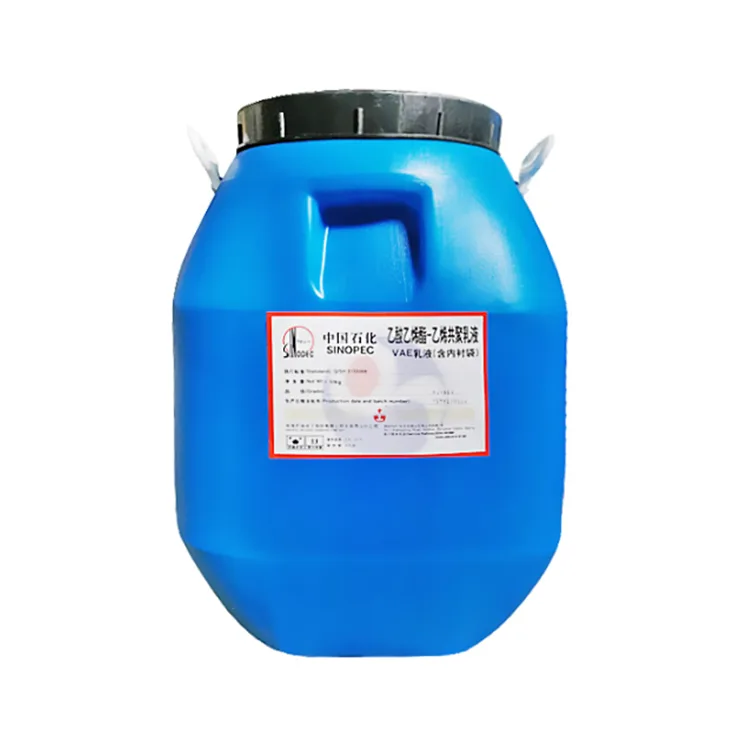
The product is supplied in sealed plastic drums, with reference packaging options of 25 kg and 1000 kg. The original packaging should remain closed during storage to reduce contamination and evaporation.
Available purchasing documents may include a Technical Data Sheet, Certificate of Analysis, Safety Data Sheet, and applicable regulatory statements. Food-contact supporting documents should be requested for the specific grade and intended market.
For accurate grade selection and quotation, buyers should provide the following information:
Samples are available for laboratory evaluation and trial production, subject to confirmation of the selected grade and shipping arrangements. Commercial order specifications should be finalized after reviewing the relevant technical documentation and trial results.
PTFE Emulsion is a water-based liquid dispersion containing fine PTFE particles. It is mainly processed through coating, drying, and sintering. PTFE fine powder is a solid material produced through coagulation and drying of a dispersion and is commonly used in lubricant-assisted paste extrusion. The two forms require different processing equipment and cannot be directly substituted in most applications.
Tap water is not recommended because dissolved salts and metal ions may destabilize the dispersion. If dilution is permitted, clean deionized water should be used according to the specific grade's technical instructions. Dilution should be tested before production to confirm stability and coating performance.
Freezing may cause irreversible particle coagulation, producing lumps, sediment, or separation that cannot be corrected through normal mixing. The material should be stored at 5–35°C under the supplied reference conditions and protected from temperatures below 0°C during transport.
Possible causes include excessive coating thickness, incomplete water removal, rapid heating, substrate contamination, or an unsuitable sintering cycle. The drying and sintering parameters should be adjusted according to the specific coating formulation, substrate, and equipment.
Address
Building 1, China Plastics International Business Center, No. 285 Shunda West Road, Yuyao City, Ningbo City, Zhejiang Province, China
Tel
If you have any enquiry about quotation or cooperation, please feel free to email us or use the following inquiry form.Our sales representative will contact you within 24 hours. Thank you for your interest in our products.