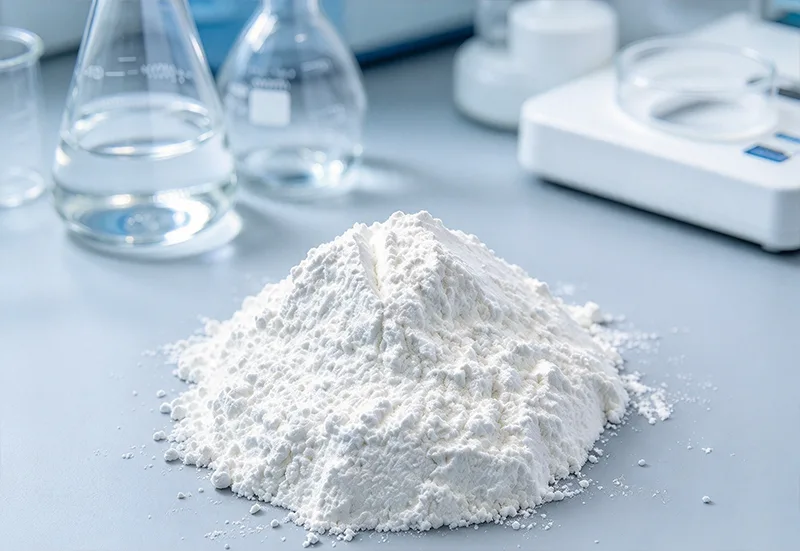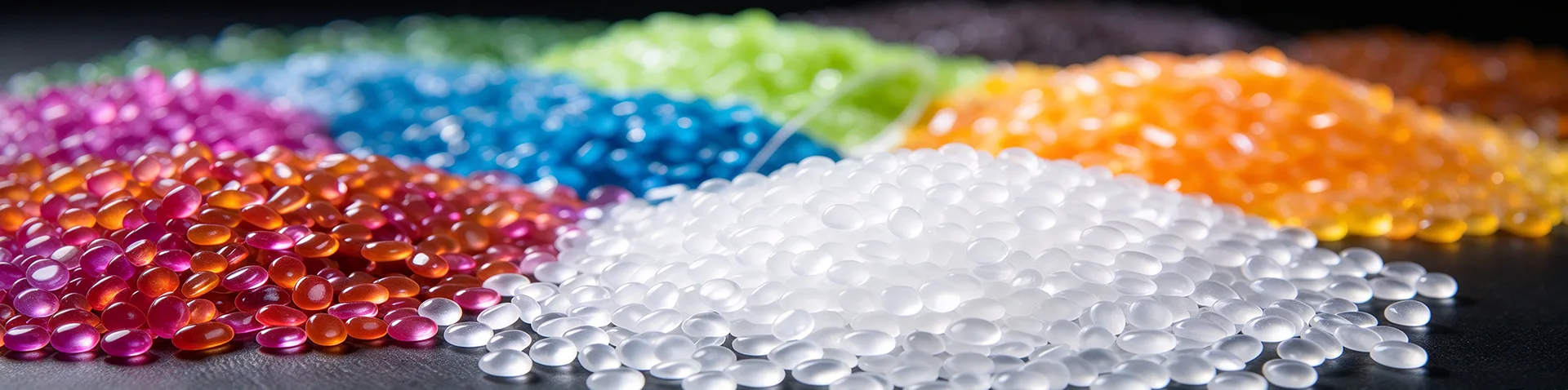
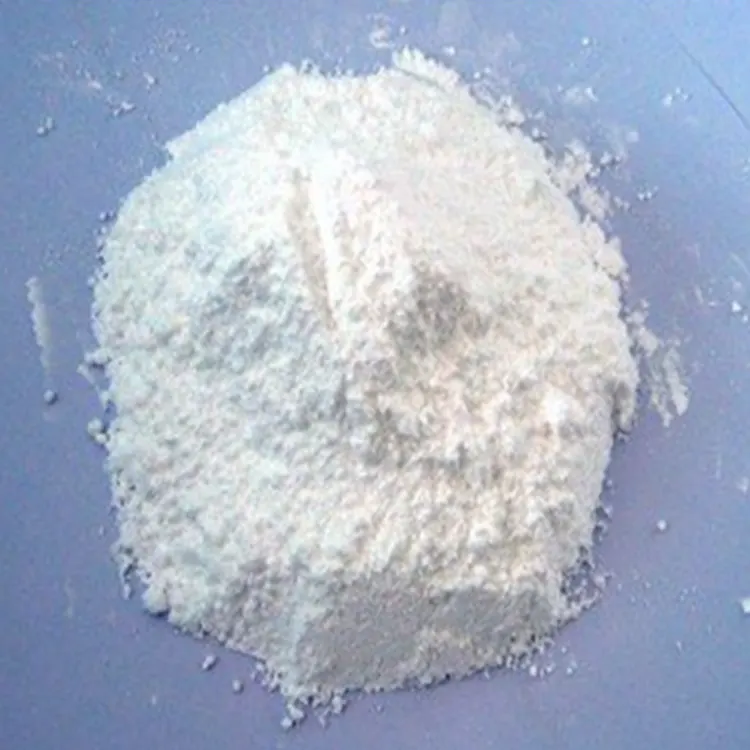
Zhongwang offers Dispersion PTFE Resin to manufacturers purchasing fine powder for lubricant-assisted paste extrusion. Although the word dispersion appears in the name, the product here is a dry fine powder, not a ready-to-use aqueous emulsion.
It is produced from dispersion-polymerized PTFE through coagulation and drying. Under shear during paste extrusion, the particles fibrillate, helping the preform hold together as it passes through a die. The powder cannot be treated as ordinary melt-extrusion pellets or standard granular molding resin.
The process normally involves blending the powder with an appropriate hydrocarbon lubricant, aging the mixture, preforming a billet, paste extrusion, lubricant removal and sintering. Grade suitability depends on the pressure and deformation demanded by the finished part.
Low-ratio grades are used where larger passages or thicker sections place relatively modest deformation demands on the paste. The provided reference lists grades at up to 500:1, including applications such as larger tubing and thick-walled profiles.
Medium-range grades, referenced at 500–2,000:1, are associated with general tubing, hose and thread-seal tape production. The processing window must still be confirmed for the exact lubricant percentage and equipment.
High-ratio grades, referenced at 2,000–4,400:1, are used where small dies and thin-wall products require greater deformation and reliable fibrillation. Examples include capillary tubing and thin wire insulation.
Selected grades can be evaluated for ePTFE manufacturing, where stretching behavior and pore formation become important. Expanded-material processing requires its own controlled stretching and thermal treatment; extrusion performance alone is not enough.
When testing Dispersion PTFE Resin, record lubricant type and dose, powder mixing method, aging conditions and preform pressure. An unevenly mixed billet can cause unstable extrusion even when the resin has an acceptable particle-size value.
The supplied reference describes aging periods often around 8–24 hours and a subsequent lubricant-removal and sintering sequence. These are application references, not universal settings. Compare the pressure profile and extrudate appearance on the actual machine.
Check for blisters or cracking after lubricant removal and for final thickness, tensile behavior and surface quality after sintering. Inadequate lubricant removal or rapid heating can trap volatile material and damage the product.
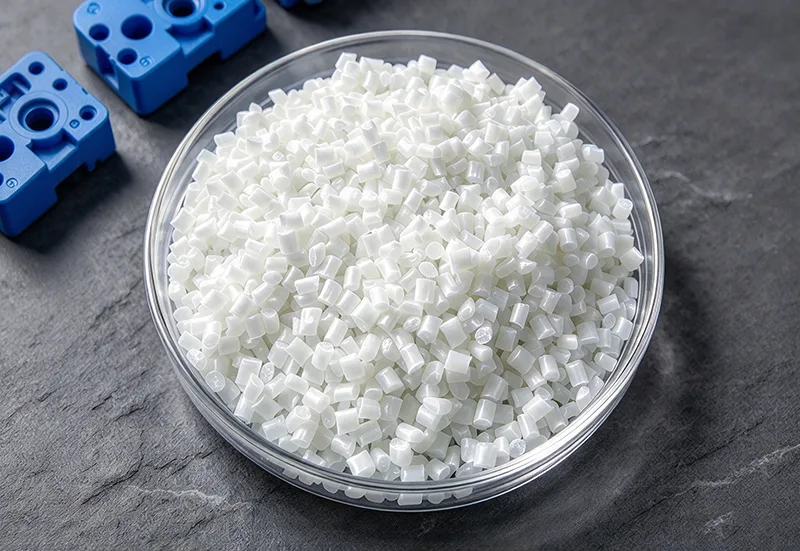
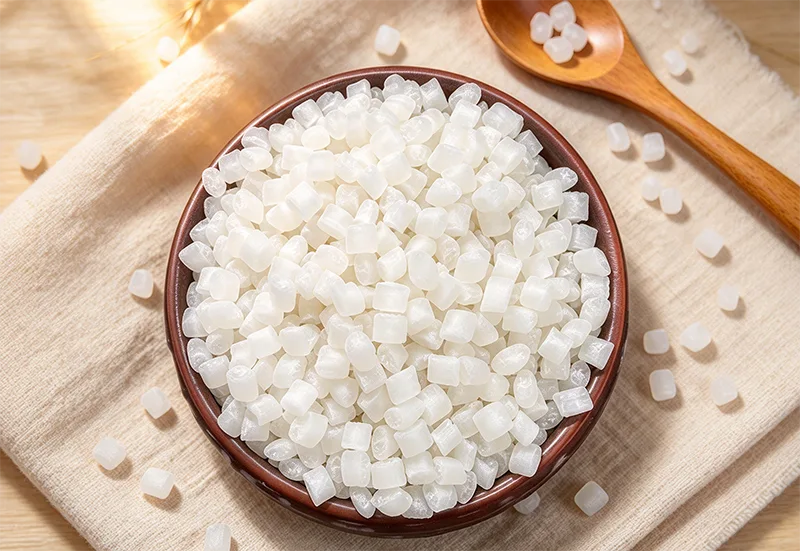
Suspension-produced PTFE granular resin is used for press-molded billets. Paste-extrusion powder has a different particle structure and shear response. Swapping them without changing the process may cause unstable forming or defective parts.
Sintered regrind does not retain the same fibrillation behavior as virgin paste-extrusion powder. The supplied product information advises against blending regrind into virgin material for this process.
Store the fine powder sealed in a clean, dry environment and protect packages from damage. Moisture and foreign matter can disturb lubricant mixing, extrusion and final product appearance.
Zhongwang sources fluoropolymer materials for industrial customers from its location in Yuyao China Plastics City. When requesting Dispersion PTFE Resin, state the intended product, reduction ratio, dimensions, wall thickness, equipment type and whether the process includes expansion.
The reference packaging is 20–25 kg in double PE liners and outer paper drums. Use the specific grade's TDS and COA to confirm particle properties and the agreed acceptance criteria before placing a repeat order.
| Item | Reference Specification |
|---|---|
| Product Name | Dispersion PTFE Resin |
| Brand | Zhongwang |
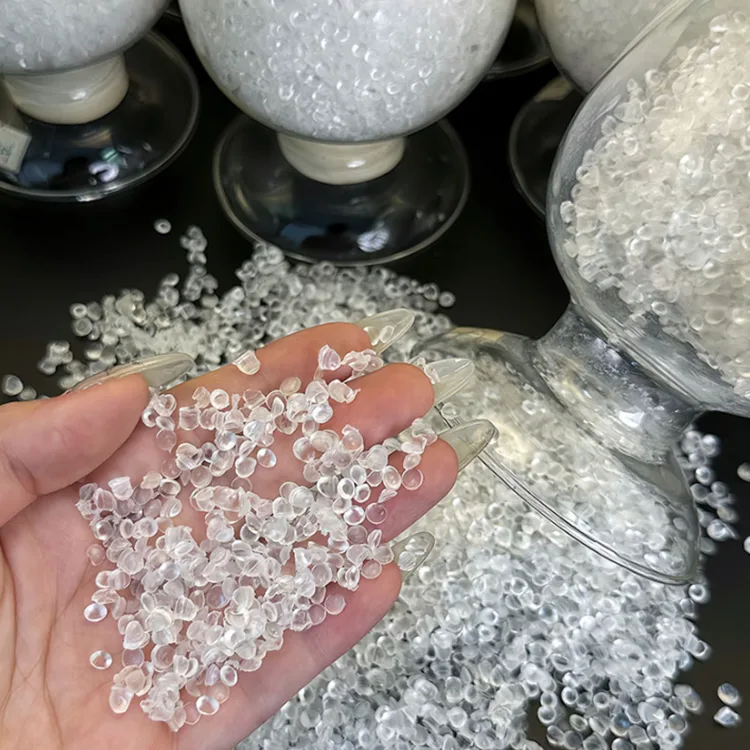
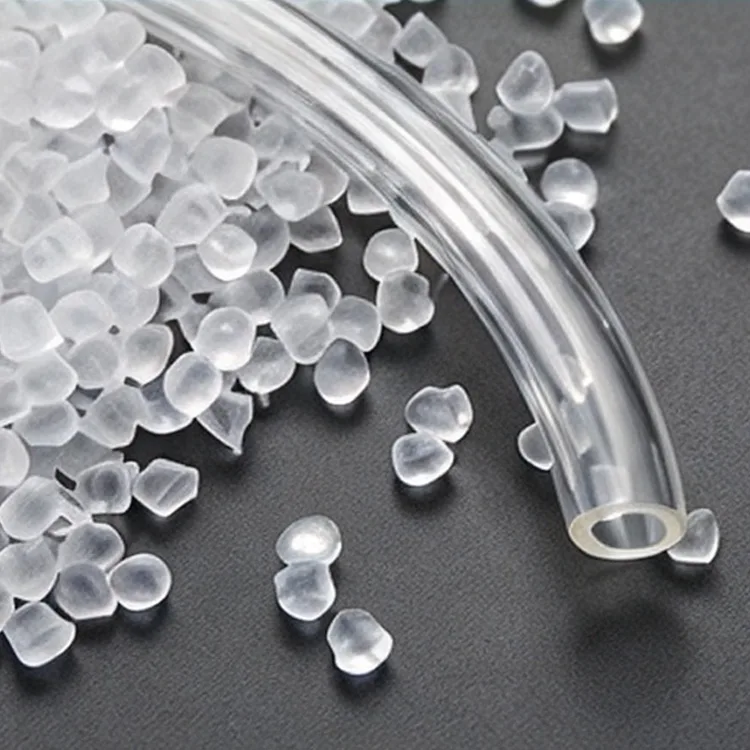
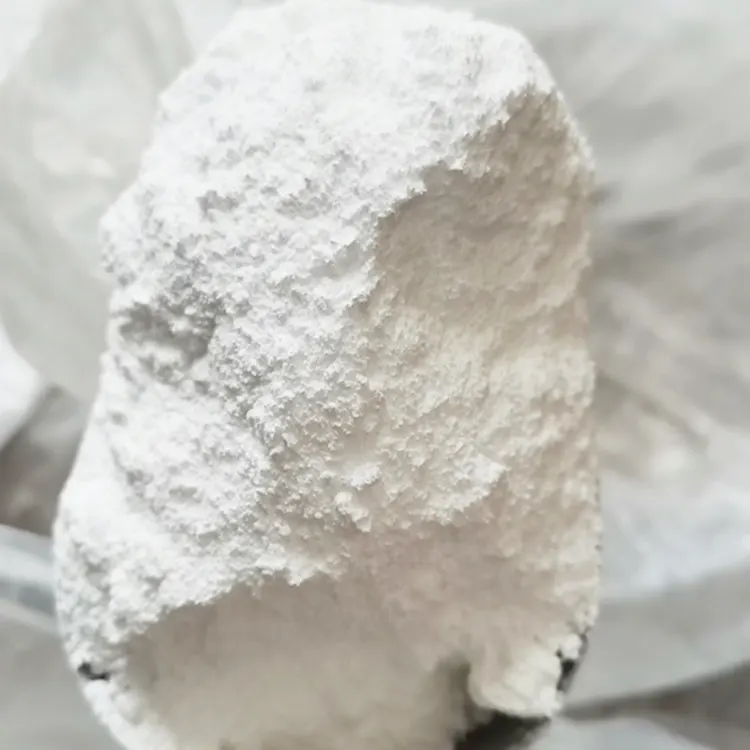
| Appearance | White fluffy fine powder |
| Average Particle Size | 300–700 μm, grade-dependent |
| Melting Point | 327±5°C |
| Standard Specific Gravity | 2.13–2.19 |
| Tensile Strength | 22–35 MPa, typical reference |
| Elongation at Break | 300–420%, typical reference |
| Moisture Content | ≤0.04% |
| Recommended Reduction Ratio | Up to 4,400:1, grade-dependent |
| Reference Service Temperature | -200°C to 260°C |
| Processing | Lubricant mixing, aging, paste extrusion, lubricant removal and sintering |
| Packaging | 20–25 kg with double PE bags and paper drum |
| Documents | TDS, COA, SDS and available mechanical-test information |
No. This product is dry paste-extrusion fine powder. An aqueous dispersion is a water-based liquid typically used in coating or impregnation.
No. Conventional PTFE fine powder is not a normal melt-processable injection resin. It requires a process such as lubricant-assisted paste extrusion.
It helps determine how severely the material is deformed in the die, which affects grade choice, extrusion pressure and the likelihood of stable forming.
Not automatically. ePTFE applications also require controlled stretching and pore formation, so a suitable grade and a dedicated trial are needed.
Address
Building 1, China Plastics International Business Center, No. 285 Shunda West Road, Yuyao City, Ningbo City, Zhejiang Province, China
Tel
If you have any enquiry about quotation or cooperation, please feel free to email us or use the following inquiry form.Our sales representative will contact you within 24 hours. Thank you for your interest in our products.