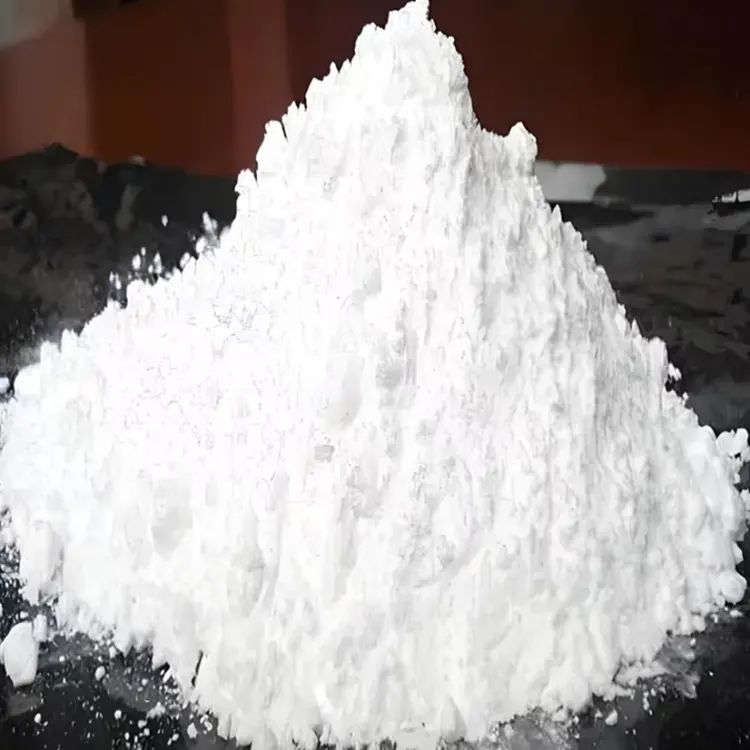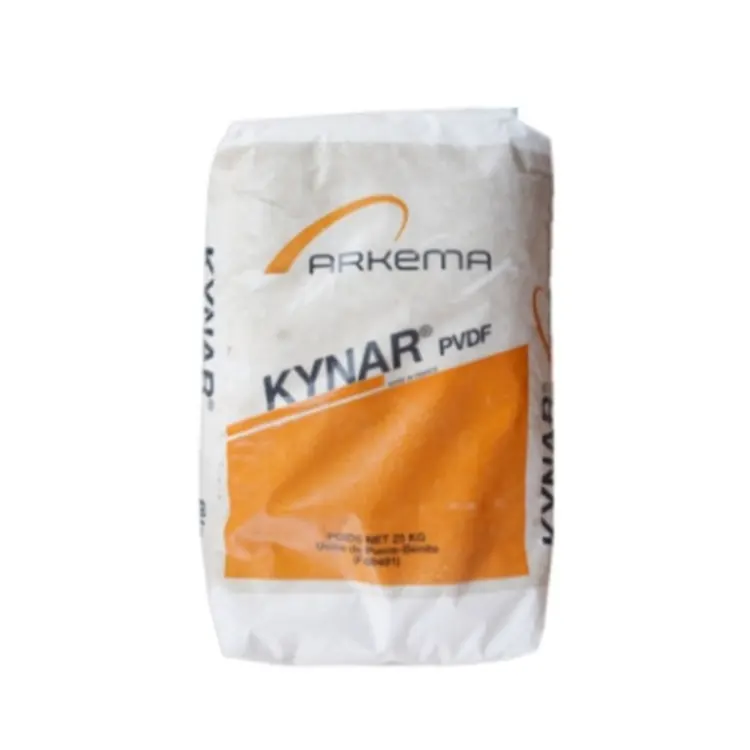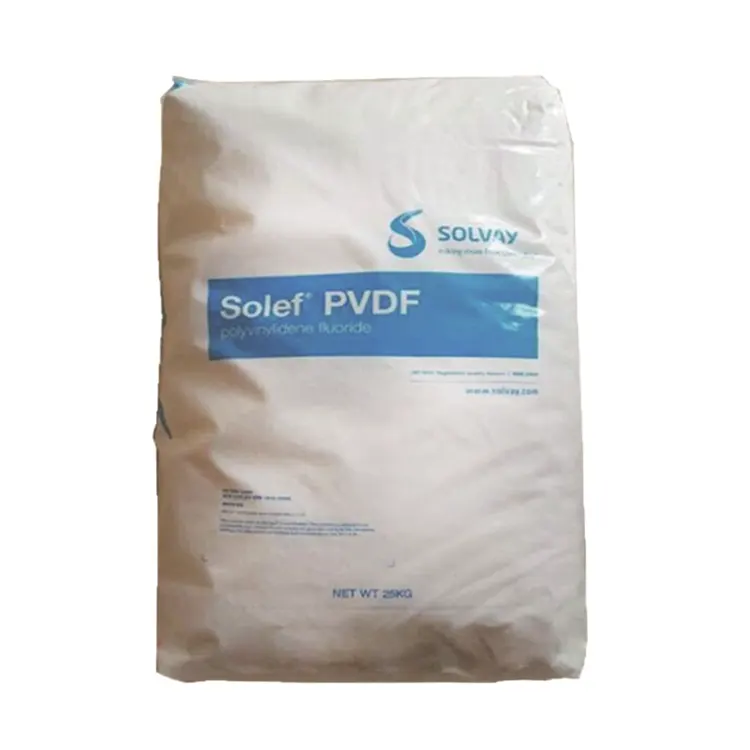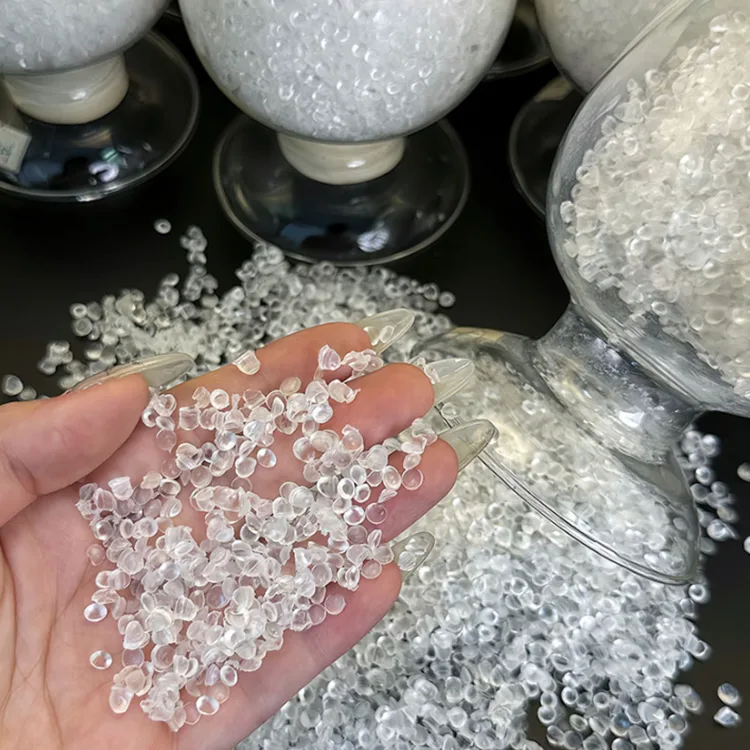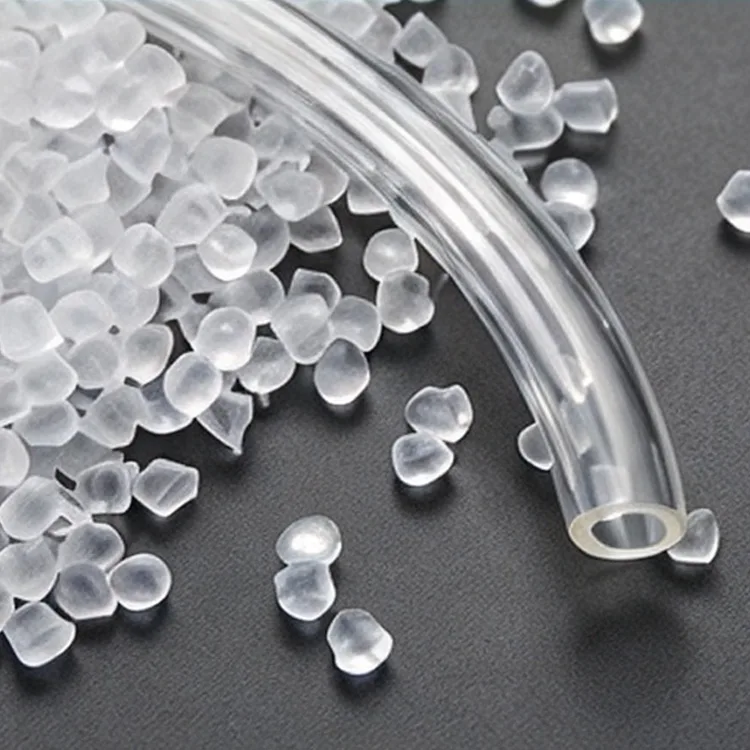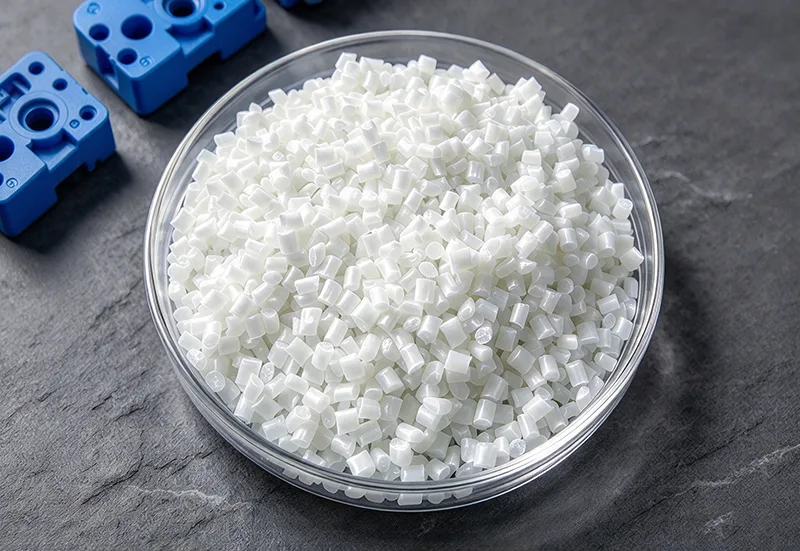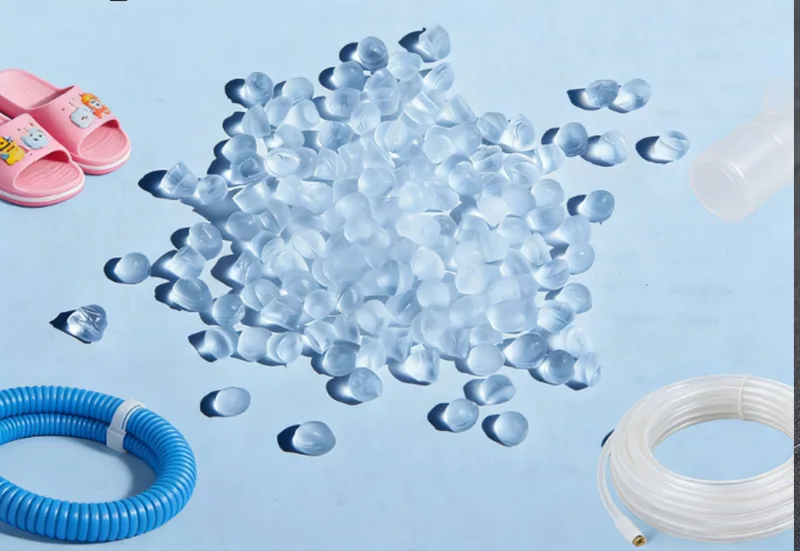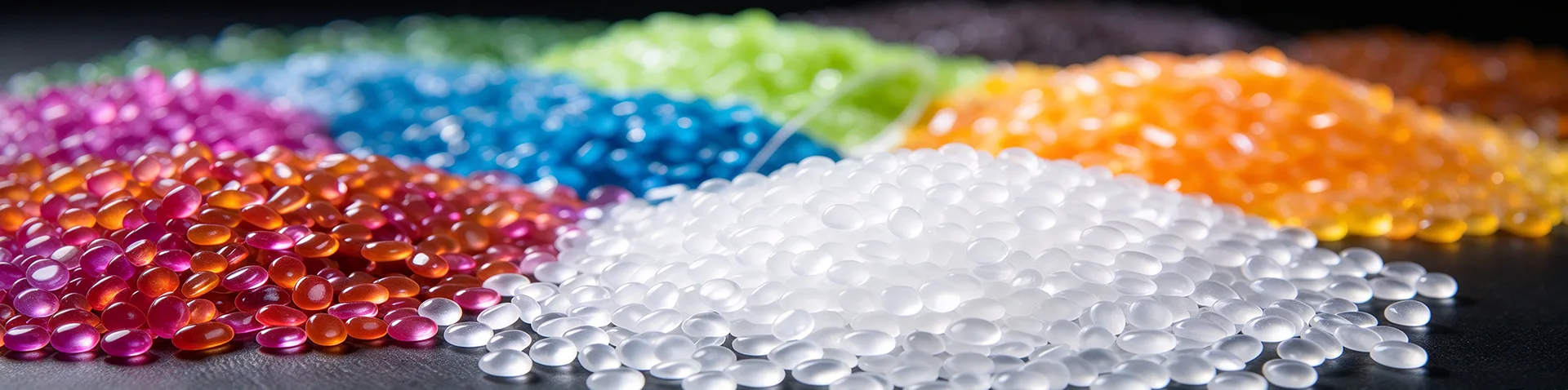
Polyvinylidene Fluoride (PVDF) Resin is a semi-crystalline fluoropolymer valued for its combination of chemical resistance, mechanical strength, thermal stability, and weatherability. Compared with many general-purpose plastics, PVDF is suitable for applications involving chemical exposure, outdoor environments, and demanding industrial operating conditions.
Its balance of mechanical and chemical properties makes it an important material in chemical processing equipment, fluid handling systems, industrial coatings, filtration products, and selected electrical applications.
PVDF offers resistance to many acids, solvents, and industrial chemicals. Its suitability depends on the specific chemical, concentration, temperature, and exposure duration.
Compared with some other fluoropolymers, PVDF offers useful mechanical strength and rigidity, making it suitable for structural components and industrial fluid handling products.
PVDF has good weatherability and UV resistance, which makes it relevant to selected outdoor applications and protective coating systems.
PVDF offers useful thermal stability and electrical characteristics for specialized industrial and electronic applications. Grade-specific performance should be considered during material selection.
PVDF is used in chemical-resistant pipes, fittings, valves, tanks, and equipment components where resistance to aggressive process media is required.
Selected PVDF grades are used in membrane applications, filtration systems, and fluid handling components.
PVDF is used in industrial and architectural coating systems requiring weather resistance, durability, and long-term surface protection.
Its dielectric properties and chemical resistance make PVDF suitable for selected wire insulation, cable components, and specialized electronic applications.
Although all three belong to the fluoropolymer family, their properties and processing characteristics differ.
PVDF: Offers a useful combination of mechanical strength, chemical resistance, and conventional thermoplastic processing.
PTFE: Particularly valued for very low friction and exceptional chemical resistance, but requires specialized processing.
PFA: Combines broad chemical resistance with melt processability and is commonly considered for specialized high-purity applications.
Important factors include melt flow characteristics, chemical compatibility, mechanical strength, thermal requirements, purity, and the intended processing method.
Explore Zhongwang's PVDF Resin category to evaluate fluoropolymer materials for industrial manufacturing, chemical processing, and fluid handling applications.