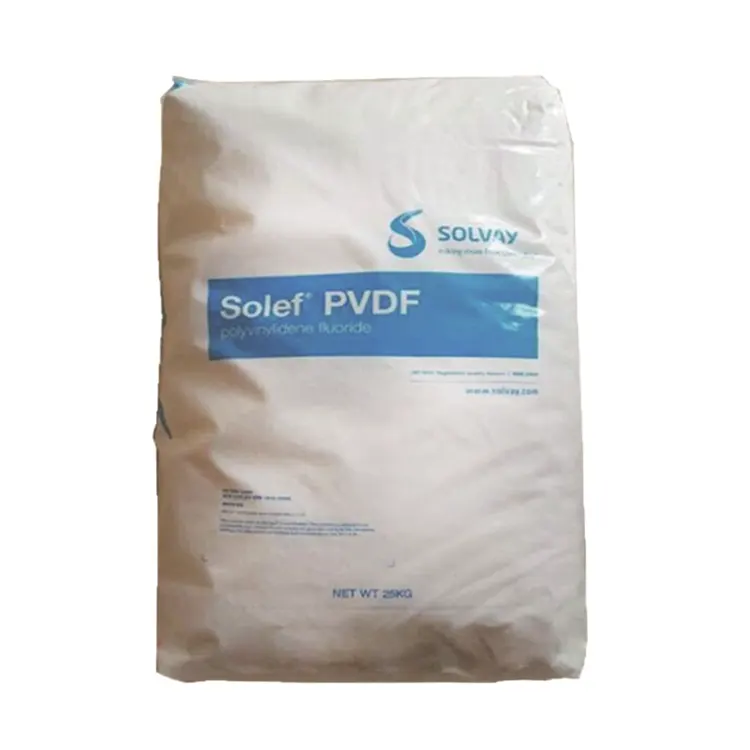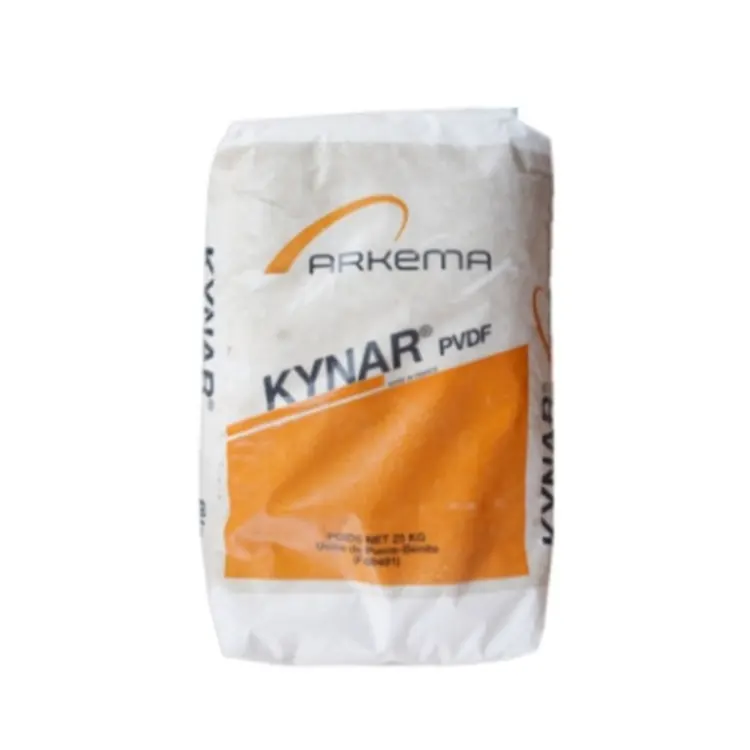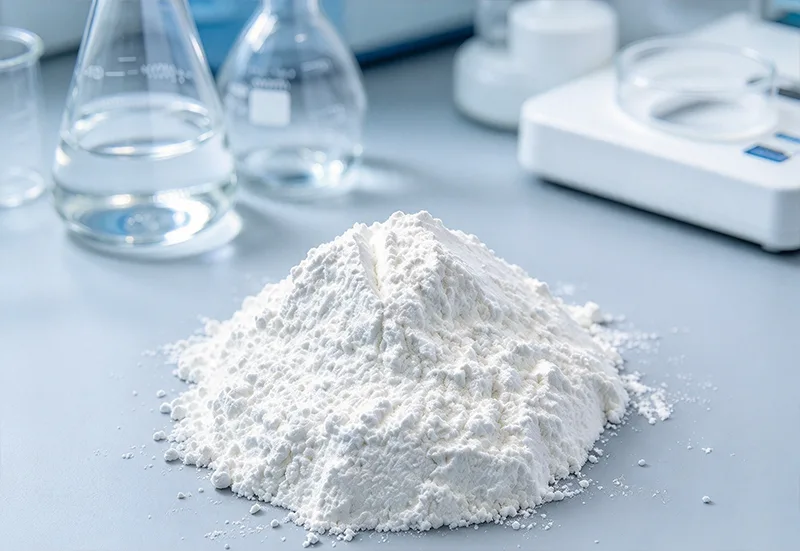
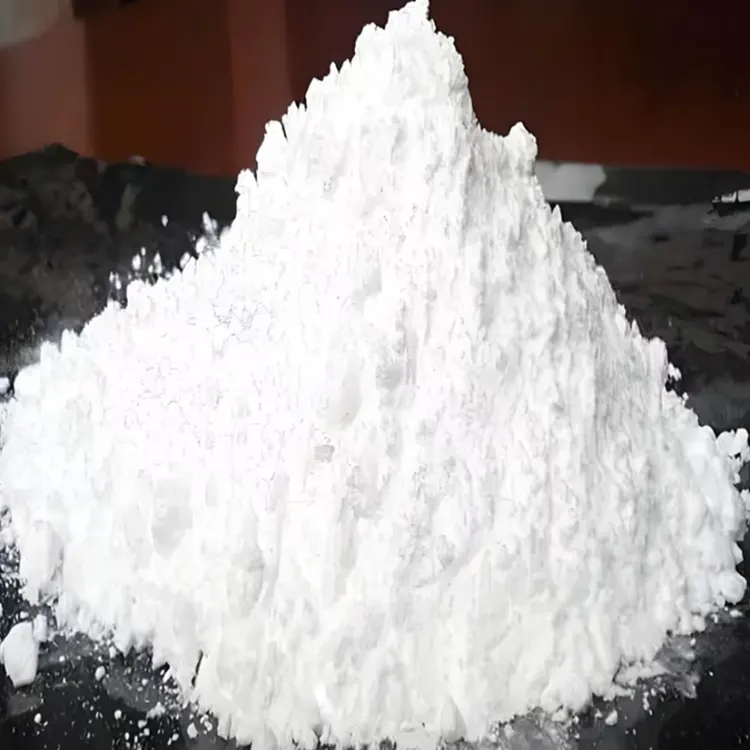
Zhongwang offers Coating-Grade PVDF to industrial coating buyers developing baked fluorocarbon finishes for metal substrates. This fine-powder polyvinylidene fluoride is intended for paint formulation rather than ordinary injection molding or profile extrusion.
The powder is incorporated with compatible acrylic resin, solvent, pigments and other formulation components. Following dispersion and application by spraying or roller coating, a controlled baking cycle produces the protective film. Particle distribution and grinding behavior matter because coarse material can remain visible on the coated surface.
The main purchasing question is not simply whether a resin contains PVDF. Formulators must assess how it behaves in their actual paint mill, the resin proportion in the binder, the intended gloss and the required exterior performance.
Standard architectural grades are intended for building profiles, curtain-wall panels and exterior coil-coated metal. Their practical value comes from producing a consistent coating in a system that is formulated, applied and cured correctly. Substrate preparation and primer selection remain part of the overall coating specification.
Finer powder grades are considered for smooth metal facades and other surfaces where coarse particles, texture variation and visible inclusions are unacceptable. Confirm the required Hegman fineness with the actual dispersion equipment instead of judging a powder by its appearance.
Low-gloss formulations involve pigment selection, resin balance and baking control. A low-gloss-oriented grade may help the formulator work toward a consistent appearance, but the final gloss is a property of the complete coating, not of the PVDF powder alone.
For chemical facilities and coastal structures, the resin is one element of a multilayer protection system. Corrosion resistance must be evaluated against the substrate, primer, coating thickness, salt exposure and service conditions.
When evaluating Coating-Grade PVDF, start with the existing recipe and production line. Check the resin-to-acrylic ratio, solvent compatibility, milling time, particle fineness, pigment dispersion and the coating method. Then bake trial panels using the plant's oven conditions.
Inspect surface uniformity, adhesion, gloss, color and any defects after curing. If the project targets AAMA 2605, assess the complete coating system under the applicable standard. A common architectural formulation uses at least 70% PVDF by weight of total binder resin, but that percentage alone does not establish AAMA 2605 compliance.
The supplied material reference gives a baking range of 240–280°C. This must be interpreted against the actual metal temperature and resin supplier's instructions. Underbaking can affect film development, while excess heating can discolor or damage the finish.
Check resin powder particle size, grinding fineness, filtration and the cleanliness of the mixing circuit. Coarse particles may persist even when the liquid paint looks adequately mixed.
Review pretreatment and primer compatibility before attributing adhesion problems to the resin. Aluminum and coated steel require appropriate surface preparation and system testing.
Compare pigment loading, dispersion, film thickness and oven temperature as well as resin lots. Keep reference panels and documented processing conditions to isolate the cause of changes.
Zhongwang operates in Yuyao China Plastics City and sources polymer materials through established supplier channels. Its role in a coating project is to support resin-grade selection and procurement, rather than claim that the resin itself guarantees the performance of an architectural paint system.
For a quotation, share the target coating standard, substrate, recipe type, grinding fineness, expected gloss, coating method and annual resin volume. Available TDS, COA and relevant compliance statements should be checked for the particular grade before bulk purchasing.
| Item | Reference Specification |
|---|---|
| Product Name | Coating-Grade PVDF |
| Brand | Zhongwang |
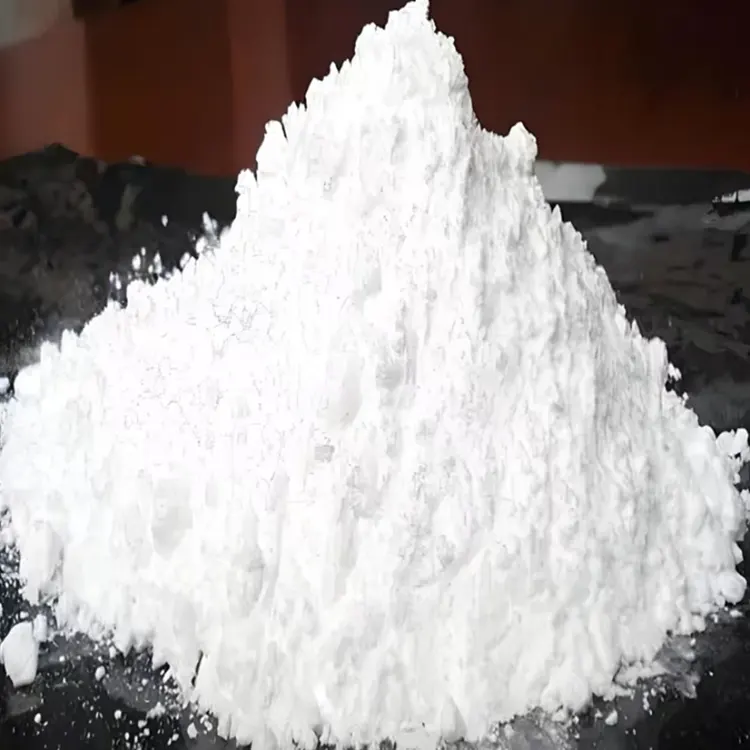
| Physical Form | White fine powder |
| Density | 1.75–1.77 g/cm³ |
| Melting Point | 156–165°C |
| Melt Flow Rate | 0.5–2.0 g/10 min (230°C/10 kg) |
| Average Particle Size | ≤20 μm |
| Hegman Fineness | ≥5.5 (reference) |
| Moisture | ≤0.10% |
| Purity | ≥99.5% |
| Reference Baking Temperature | 240–280°C |
| Packaging | 25 kg inner PE bag and carton |
| Documentation | COA, TDS, SDS and applicable regulatory statements |
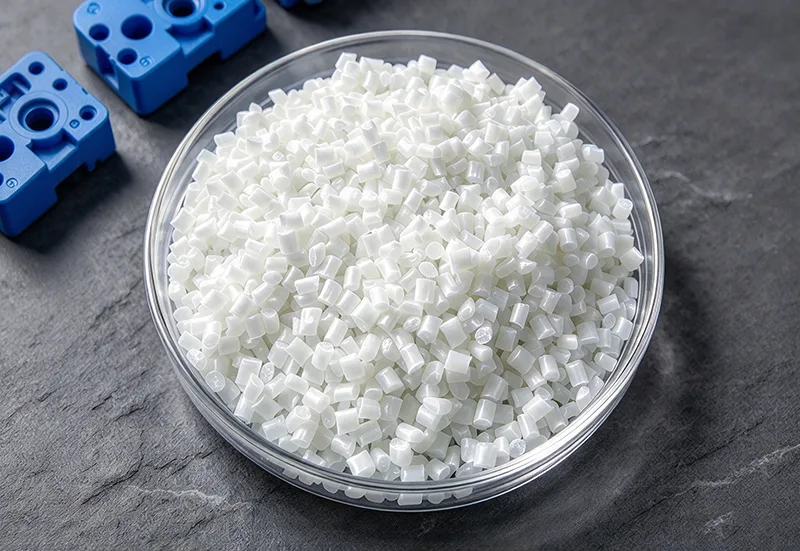
Not as a direct substitution. Coating powder is selected for dispersion, grinding and film development in a paint system. A pellet grade may have different particle characteristics and processing behavior.
No. The binder ratio is an important formulation consideration, but AAMA 2605 assesses the performance of the completed coating system through specified tests.
Possible causes include insufficient grinding, oversized powder particles, contamination or unsuitable processing. Verify fineness and run a controlled coating trial.
The supplied product information indicates sample support. Confirm availability and evaluate trial panels with the actual primer, formulation and baking equipment.
Address
Building 1, China Plastics International Business Center, No. 285 Shunda West Road, Yuyao City, Ningbo City, Zhejiang Province, China
Tel
If you have any enquiry about quotation or cooperation, please feel free to email us or use the following inquiry form.Our sales representative will contact you within 24 hours. Thank you for your interest in our products.