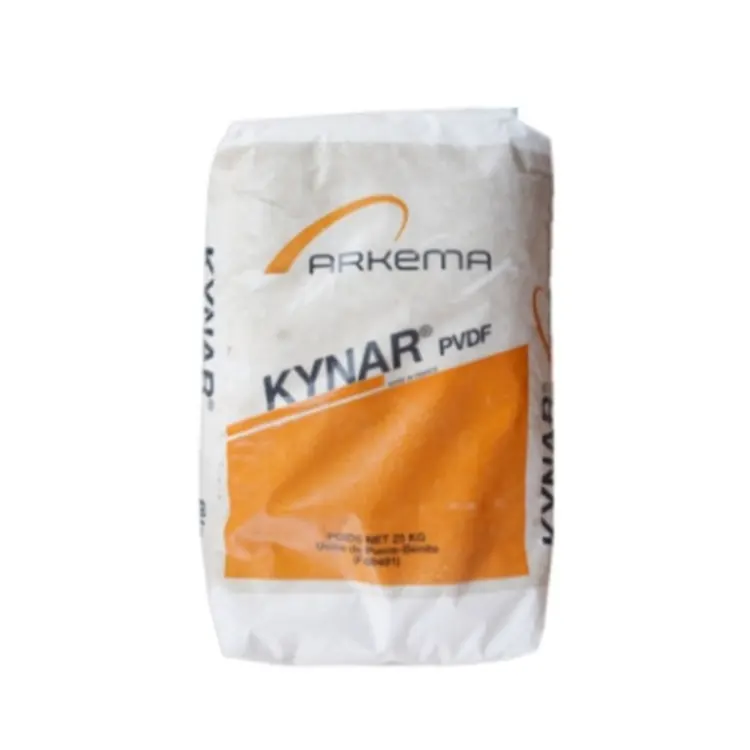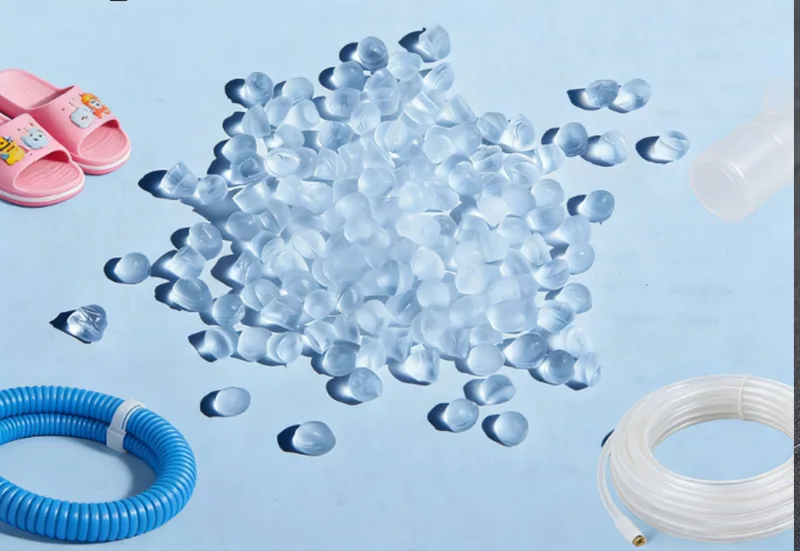
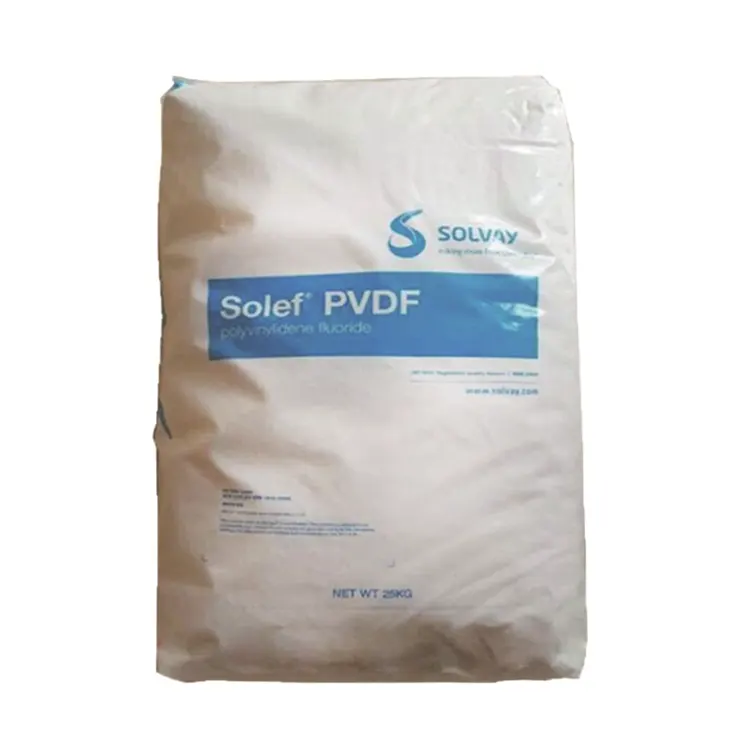
Zhongwang supplies Industrial-Grade PVDF for procurement teams choosing fluoropolymer raw material for aggressive industrial environments. Unlike conventional PTFE, PVDF is a melt-processable thermoplastic that can be formed by extrusion and injection molding using equipment configured for the selected grade.
Homopolymer grades generally emphasize stiffness and chemical resistance, while some copolymer grades are evaluated where flexibility or low-temperature toughness is more important. These options are not automatically interchangeable when a part must withstand chemical exposure under pressure.
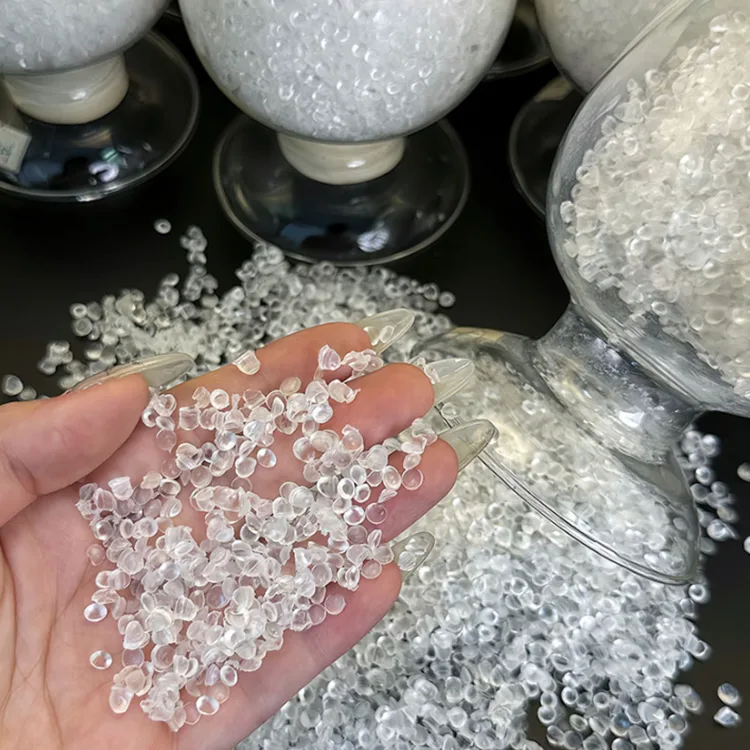
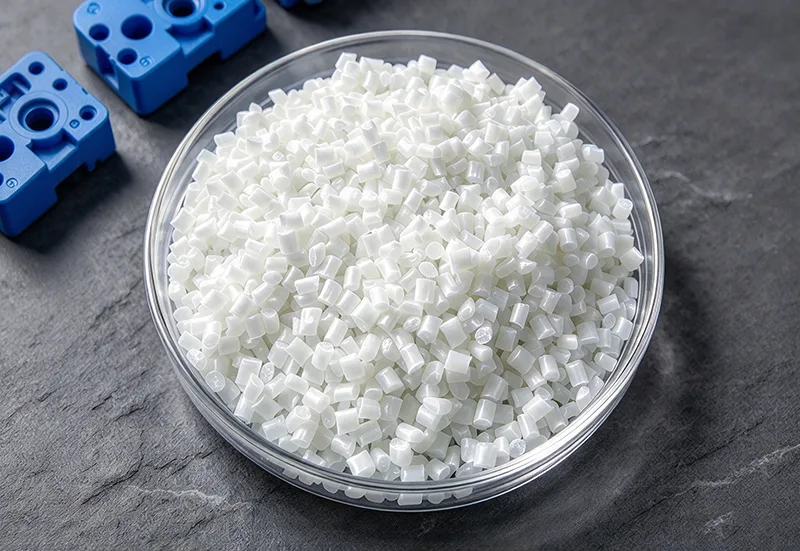
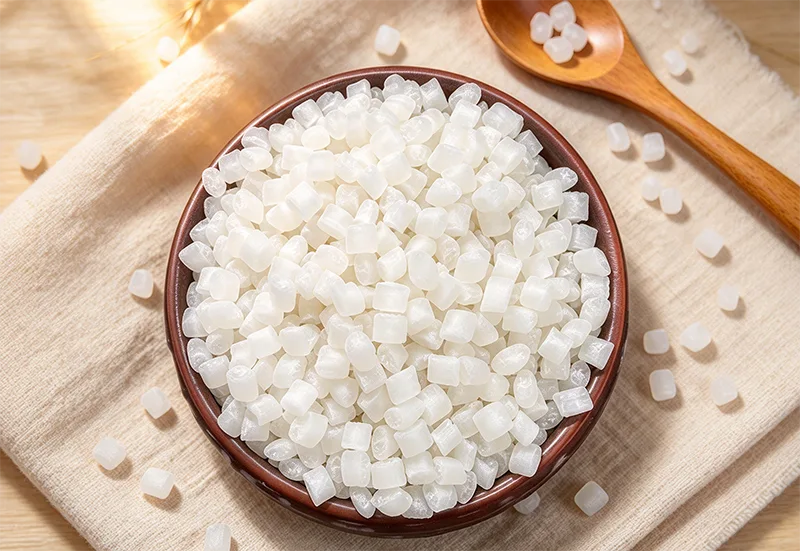
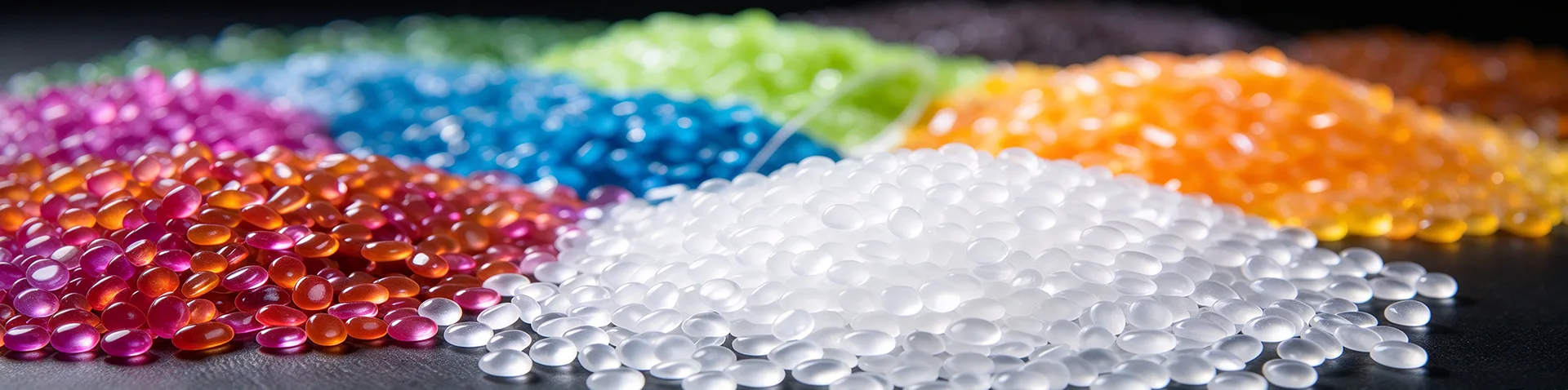
The resin can be supplied as pellets for melt processing and as suitable powder grades for selected coating or solution applications. Finished-product performance also depends on wall thickness, joining method, thermal history and the actual chemicals being handled.
For molded fluid-handling components, compare chemical compatibility, required pressure, flow path design and dimensional tolerance. Injection-molding grades are chosen partly for their ability to fill complex cavities without introducing unacceptable defects.
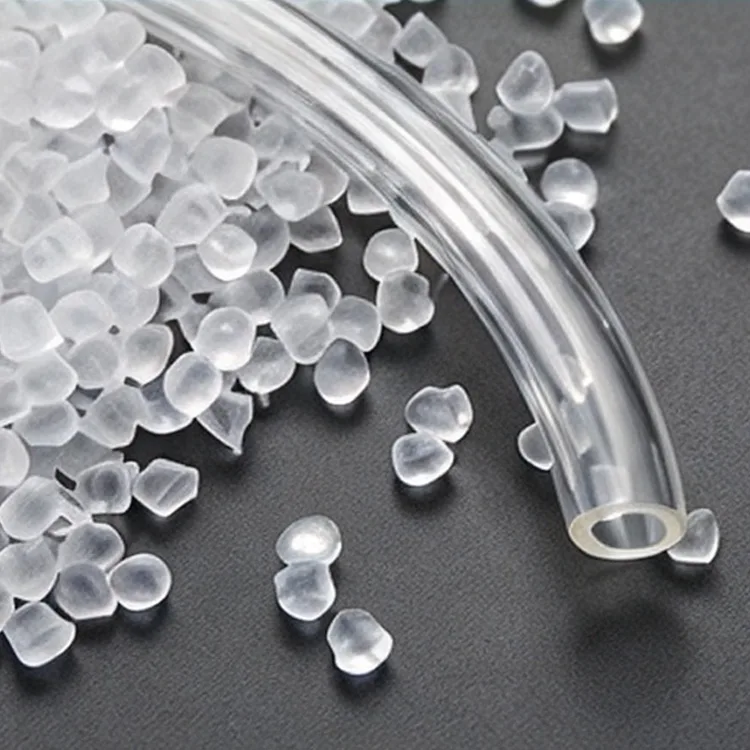
Copolymer variants may provide greater flexibility for certain tube or cable applications. Buyers should check the trade-off against stiffness, chemical resistance and operating temperature.
For ultrapure-water and sensitive process systems, consider extractable ions, organics and material cleanliness. High-purity claims should be supported by grade-specific test data and application requirements.
The value of Industrial-Grade PVDF in industrial fluid systems lies in its combination of chemical resistance and thermoplastic forming capability. However, compatibility must be checked against the exact chemical concentration, operating temperature, contact duration and mechanical stress.
The source material flags strongly oxidizing media, including hot fuming nitric acid, as conditions needing particular caution. Do not extrapolate room-temperature chemical resistance to hot concentrated chemicals or pressurized service.
Use a grade whose melt-flow range suits the part geometry. Verify filling, cooling and dimensional consistency in trial components. Poor temperature control or aggressive cooling can contribute to internal stress and cracking.
Stable melt delivery is important for tubes, rods and profiles. The original material reference gives 200–240°C as a processing range and 80–120°C for 2–4 hours as a reference drying procedure. Use the actual grade's instructions to set the line.
Clean hoppers, barrels, dies and molds when changing polymer families. Residual material can cause visible defects or inconsistent performance in corrosion-resistant parts.
Zhongwang operates in Yuyao China Plastics City, supporting resin sourcing and distribution for industrial buyers. For Industrial-Grade PVDF, provide the chemical medium, temperature, pressure, processing route, component geometry and any purity requirements before requesting a grade recommendation.
Commercial acceptance should be tied to a specific TDS and COA. For high-purity applications, ask whether extractables testing is available for the selected lot. Pilot production and component testing remain necessary before full-scale use.
| Item | Reference Specification |
|---|---|
| Product Name | Industrial-Grade PVDF |
| Brand | Zhongwang |
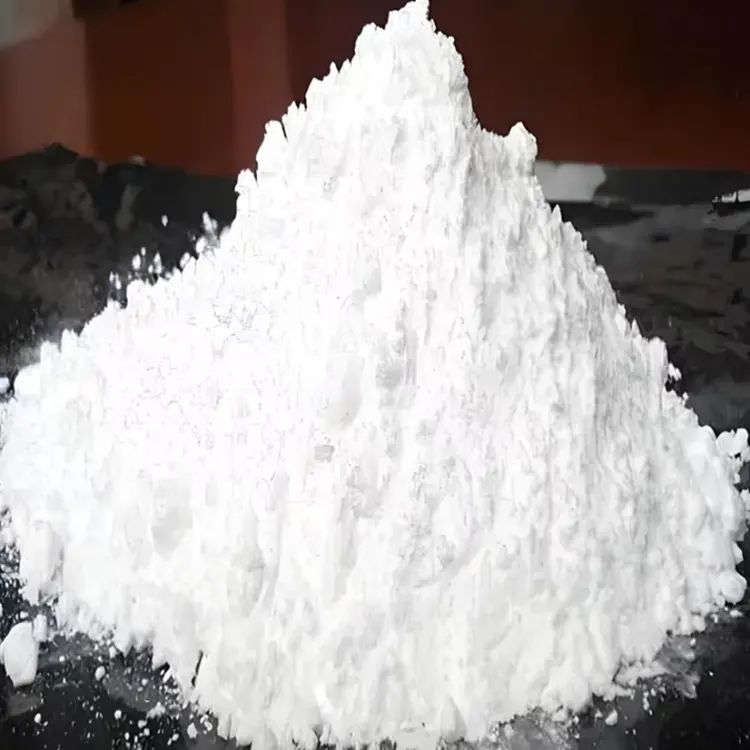
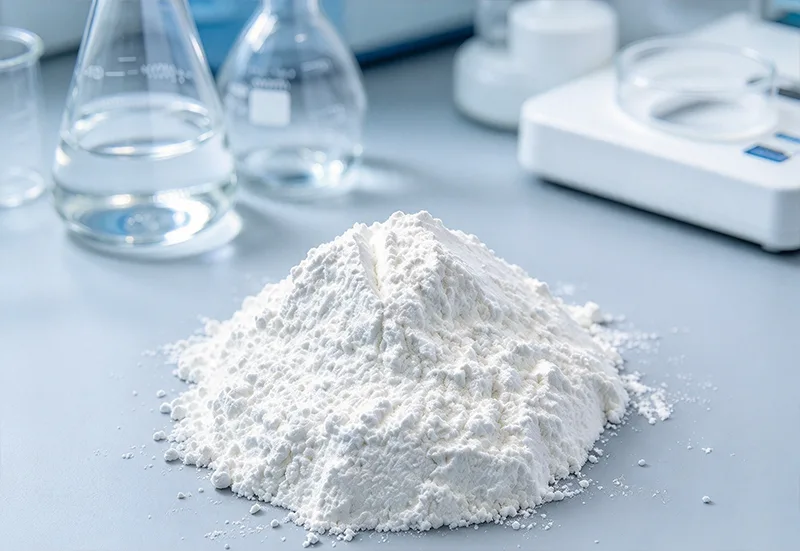
| Appearance | White pellets or fine powder |
| Density | 1.75–1.78 g/cm³ |
| Melting Point | 168–174°C (homopolymer) |
| Melt Flow Rate | 0.5–25 g/10 min (230°C/5 kg), grade-dependent |
| Tensile Strength | 45–55 MPa, typical |
| Elongation at Break | 20–500%, grade-dependent |
| Flexural Modulus | 1,400–2,200 MPa |
| Moisture | ≤0.05% |
| Reference Service Temperature | -40°C to 140°C |
| Reference Melt Processing | 200–240°C |
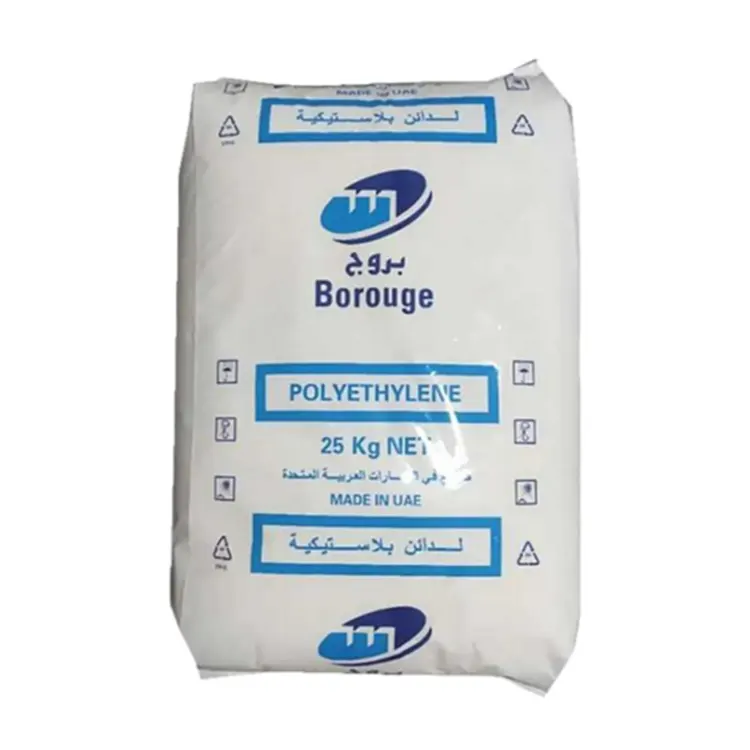
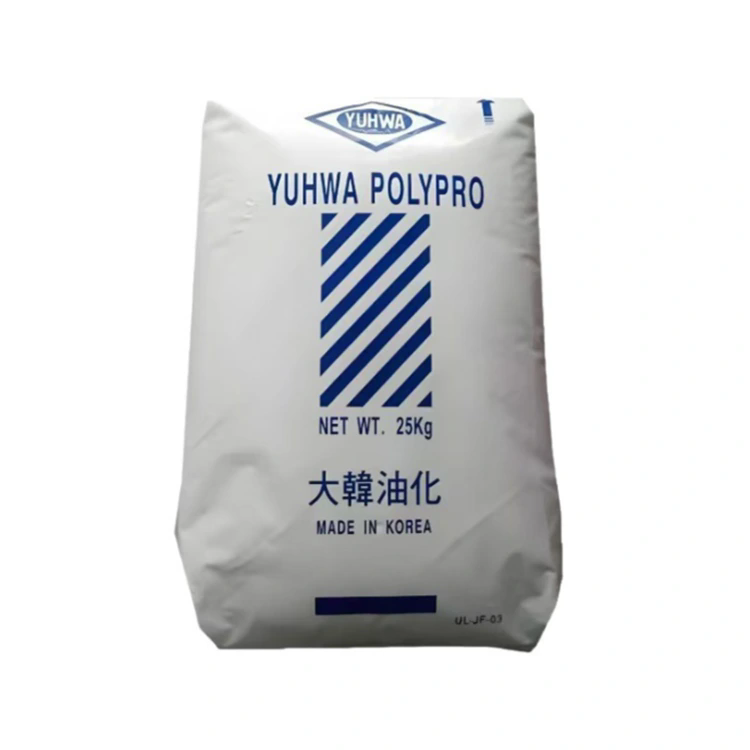
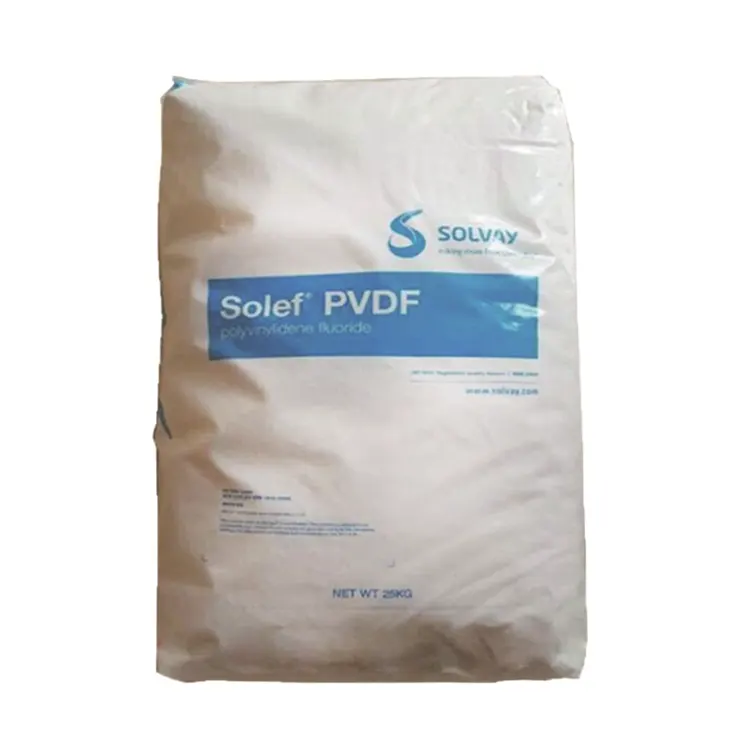
| Packaging | 25 kg inner PE bag with carton or drum |
| Documents | COA, TDS, SDS; purity reports for applicable grades |
PVDF can be melt-processed by appropriate extrusion and molding methods. Conventional PTFE uses other forming routes such as compression molding and paste extrusion.
No. Resistance depends on the exact chemical and conditions. Concentrated oxidizers and elevated temperature require particular evaluation.
An injection-molding grade should be considered, then tested against geometry, chemical duty, temperature and mechanical loading.
The supplied reference recommends drying at 80–120°C for 2–4 hours. Confirm the required conditions for the actual grade and equipment before production.
Address
Building 1, China Plastics International Business Center, No. 285 Shunda West Road, Yuyao City, Ningbo City, Zhejiang Province, China
Tel
If you have any enquiry about quotation or cooperation, please feel free to email us or use the following inquiry form.Our sales representative will contact you within 24 hours. Thank you for your interest in our products.