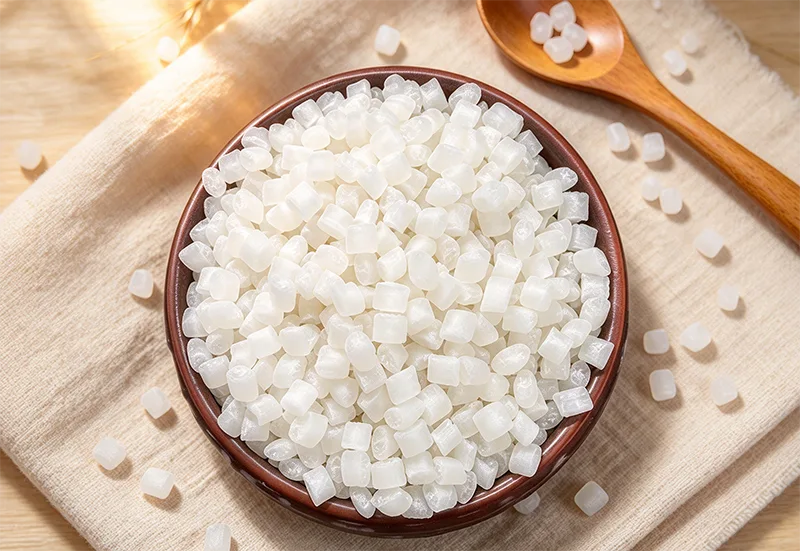
Engineering plastics are high-performance polymer materials designed for applications that require more than basic flexibility, impact resistance or chemical stability. They are commonly used in structural and functional components exposed to mechanical loads, elevated temperatures, repeated friction or demanding operating environments.
Compared with general-purpose plastics, engineering plastics typically offer better mechanical strength, dimensional stability, heat resistance and long-term performance. These characteristics make them important materials in automotive manufacturing, electrical and electronics, industrial machinery, medical equipment and other advanced manufacturing sectors.
Engineering plastics are generally divided into two main categories: general engineering plastics and high-performance engineering plastics, also known as special engineering plastics. Understanding the differences between these categories helps manufacturers and material buyers select suitable resins for their processing requirements and end-use applications.
General engineering plastics offer a practical balance of mechanical performance, processing characteristics and material cost. Their manufacturing technologies are relatively mature, and they are widely available in different grades, making them suitable for high-volume industrial production.
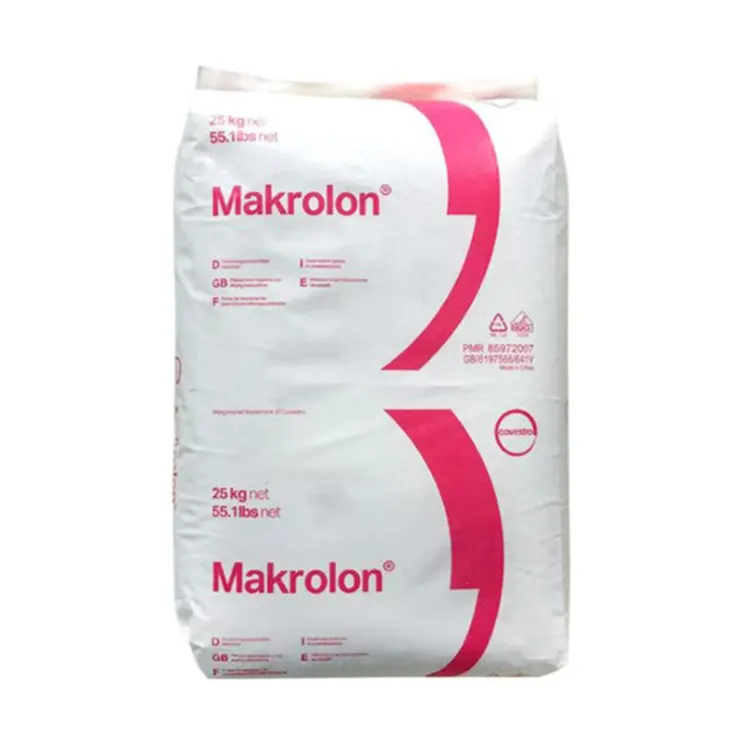
The main materials in this category include polyamide (PA), polycarbonate (PC), polyoxymethylene (POM), polybutylene terephthalate (PBT), polyethylene terephthalate (PET) and polyphenylene ether (PPE, commonly referred to as PPO in commercial applications).
Polyamide, commonly known as nylon, is valued for its mechanical strength, toughness, wear resistance and fatigue performance. Many PA grades also offer good resistance to oils and fuels, although their moisture absorption can influence dimensional stability and mechanical properties.
Common applications include:
PA6 and PA66 are two widely used grades, with the appropriate choice depending on mechanical requirements, moisture exposure and processing conditions.
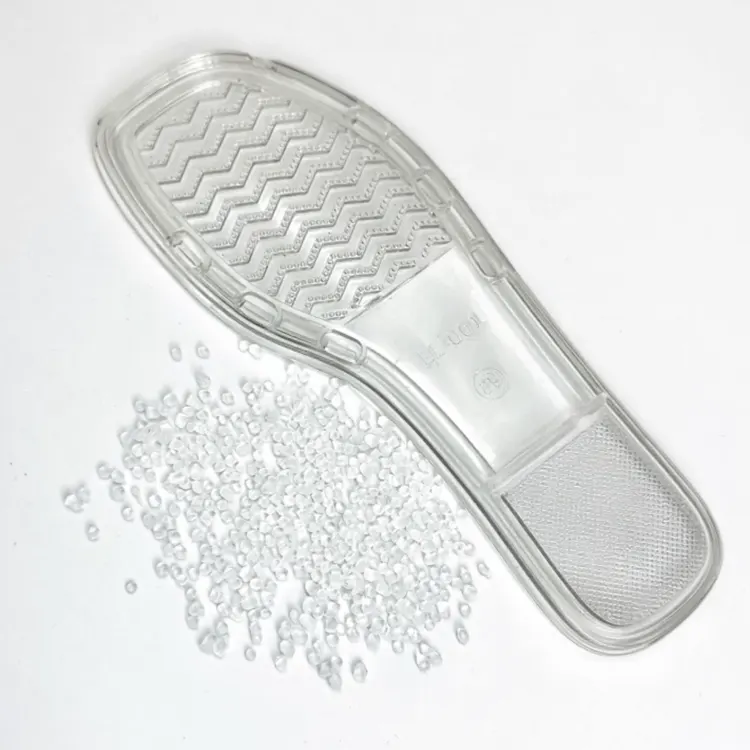
Polycarbonate is known for its high impact strength, transparency and relatively good heat resistance. It combines optical clarity with dimensional stability, making it suitable for applications where both mechanical protection and visual performance are required.
Typical applications include:
For applications requiring additional UV resistance, flame retardancy or improved surface performance, modified PC grades are also available.
POM, also known as acetal resin, offers high stiffness, low friction, good wear resistance and excellent dimensional stability. Its mechanical properties make it particularly useful for precision components that require consistent movement and close dimensional tolerances.
Common applications include:
Both homopolymer and copolymer POM grades are available, with differences in properties such as thermal stability, chemical resistance and mechanical performance.
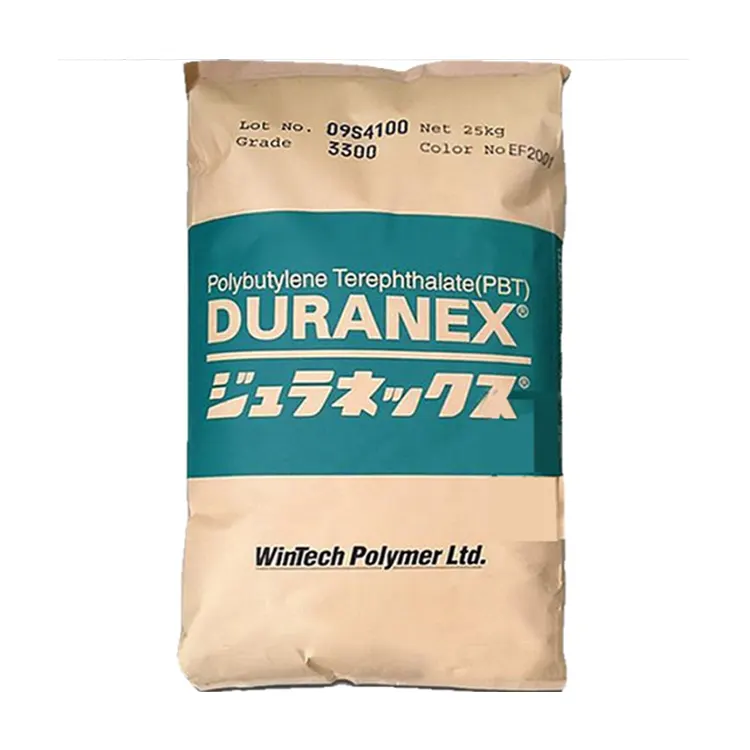
PBT is a semi-crystalline engineering plastic featuring good electrical insulation, dimensional stability, chemical resistance and relatively fast molding cycles. It is particularly suitable for injection-molded components used in electrical systems and automotive assemblies.
Typical applications include:
Glass-fiber-reinforced and flame-retardant PBT grades are also used when higher stiffness, dimensional stability or specific fire performance is required.
PET is a polyester with good tensile strength, stiffness, dimensional stability and electrical insulation properties. Although it is widely recognized as a packaging and textile material, certain PET grades are also classified and used as engineering plastics.
Its engineering applications include:
Glass-fiber-reinforced PET grades can provide improved stiffness, strength and dimensional stability for demanding industrial applications.
PPO, more precisely referred to as PPE (polyphenylene ether), features low moisture absorption, good dimensional stability, relatively high heat resistance and favorable dielectric properties.
Because of its processing characteristics, PPE is frequently blended with other polymers, particularly polystyrene (PS), to produce modified PPE materials with improved processability and balanced performance.
Common applications include:
Modified PPE grades are especially useful where low water absorption, dimensional stability and electrical performance are important.
High-performance engineering plastics are developed for applications with more demanding operating conditions, including elevated temperatures, aggressive chemical exposure, high mechanical stress and specialized electrical requirements.
Compared with general engineering plastics, these materials often provide superior thermal stability, chemical resistance or specialized functional properties. However, they generally involve higher material costs and more demanding processing requirements.
Important materials in this category include PEEK, PI, PSU, PES and selected high-performance fluoropolymers such as PTFE.
PEEK is a high-performance semi-crystalline thermoplastic known for its excellent mechanical strength, thermal stability, wear resistance and chemical resistance.
It can maintain useful mechanical properties under demanding operating conditions, making it suitable for applications where conventional engineering plastics may not provide sufficient performance.
Typical applications include:
Its combination of mechanical performance and chemical resistance makes PEEK an important material in advanced manufacturing.
Polyimide is recognized for its outstanding thermal stability, electrical insulation and resistance to radiation and many chemical environments. Different PI grades and forms can maintain their properties across a wide temperature range.
Common applications include:
PI is particularly valuable in applications where thermal stability and electrical performance must be maintained over extended operating periods.
Polysulfone (PSU) and polyethersulfone (PES) are amorphous high-performance thermoplastics offering good heat resistance, dimensional stability and hydrolysis resistance.
Both materials can provide high transparency and good mechanical performance, although their specific properties and processing characteristics differ.
Typical applications include:
Certain grades are suitable for repeated hot-water exposure or specialized medical and food-contact applications, subject to the relevant material certifications and regulatory requirements.
PTFE is a high-performance fluoropolymer widely recognized for its exceptional chemical resistance, low coefficient of friction, non-stick surface and excellent electrical insulation properties.
It can operate across a broad temperature range, commonly around -200°C to +260°C for many standard grades, although the actual limits depend on the grade, mechanical loading and operating conditions.
Its key characteristics include:
PTFE is widely used in:
In high-frequency electronics and communication systems, PTFE-based materials are also used in selected low-loss dielectric applications, including specialized circuit substrates and high-frequency cable insulation.
One common source of confusion in plastics material selection is the distinction between engineering plastics and general-purpose plastics.
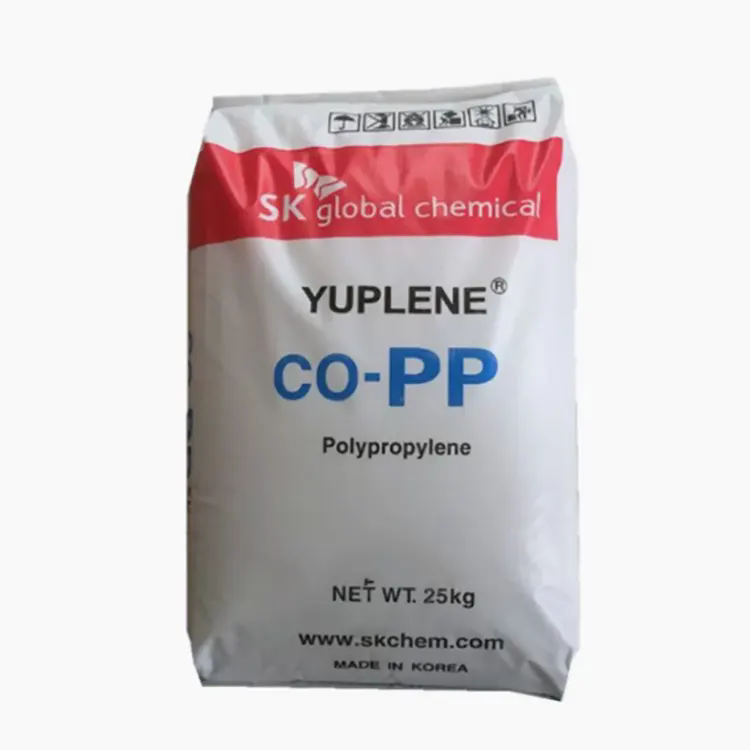
Materials such as polypropylene (PP) and polyvinyl chloride (PVC) are generally classified as general-purpose plastics rather than engineering plastics. They are widely produced, commercially available and often more economical for large-volume applications.
However, this does not mean they are unsuitable for demanding industrial environments. Their actual performance depends on resin grade, formulation, processing conditions and operating requirements.
| Comparison | General-Purpose Plastics | Engineering Plastics |
|---|---|---|
| Main materials | PP, PE, PVC, PS | PA, PC, POM, PBT, PET, PPE |
| Mechanical performance | Generally suitable for standard loads | Typically higher strength and stiffness |
| Heat resistance | Varies by grade, often more limited | Generally better thermal performance |
| Dimensional stability | Depends on material and application | Often better for precision components |
| Typical applications | Packaging, pipes, films and household products | Gears, connectors, automotive and industrial components |
| Material cost | Generally lower | Generally higher |
The distinction is based on typical performance and application requirements rather than an absolute dividing line. For example, reinforced PP and specially formulated PVC can serve demanding industrial applications, while certain engineering plastic grades may be selected for relatively simple components.
Selecting an engineering plastic requires more than comparing material names or published mechanical properties. Buyers and manufacturers should consider the actual operating environment and manufacturing process.
Several factors deserve particular attention:
Determine the continuous service temperature and any short-term temperature peaks. A material that performs well at room temperature may lose stiffness or dimensional stability under prolonged heat exposure.
Consider tensile strength, flexural strength, impact resistance, fatigue performance and creep behavior. Components exposed to continuous loads may require materials with better long-term mechanical stability.
Identify the chemicals, oils, solvents or cleaning agents that the finished component will contact. Chemical compatibility should be evaluated using the actual concentration, temperature and exposure duration.
Injection molding, extrusion and other manufacturing processes impose different requirements on resin flow, drying, molding temperature and dimensional control. The selected grade should be compatible with the intended production equipment.
For electrical, automotive, medical or outdoor applications, additional considerations may include flame-retardant performance, electrical insulation, UV resistance, hydrolysis resistance and relevant regulatory compliance.
For manufacturers sourcing engineering plastic raw materials, choosing the appropriate resin grade is an important step toward achieving consistent product quality and reliable production performance.
Zhongwang offers a range of engineering plastic materials, including PC resin, POM resin, PA resin and PBT resin, alongside other thermoplastic materials for different industrial applications.
Whether the requirement involves impact resistance for electronic housings, wear resistance for mechanical components, dimensional stability for precision injection molding or electrical insulation for automotive connectors, material selection should be based on the intended application and processing conditions.
By understanding the differences between engineering plastic families and their individual grades, buyers can make more informed sourcing decisions and identify materials that offer the right balance of performance, processability and cost.