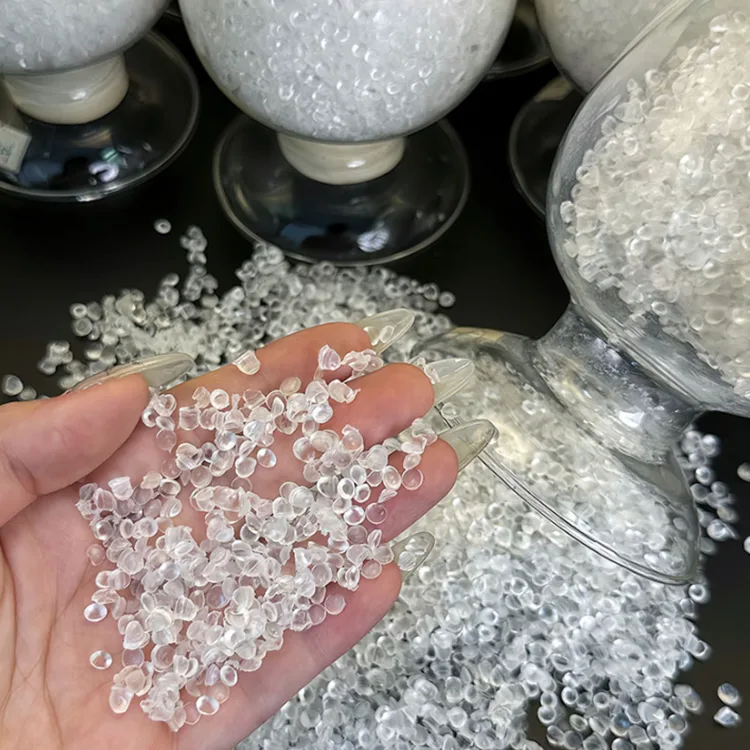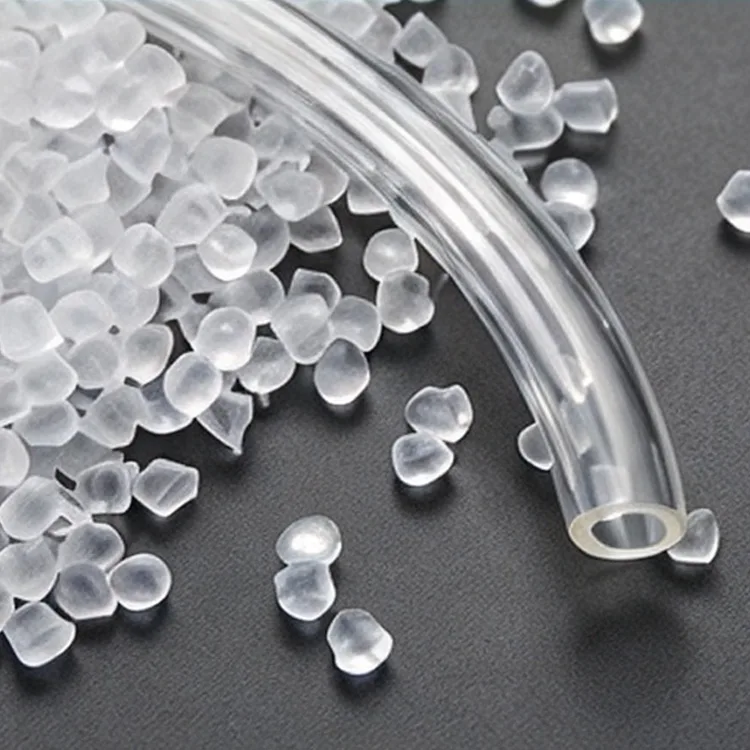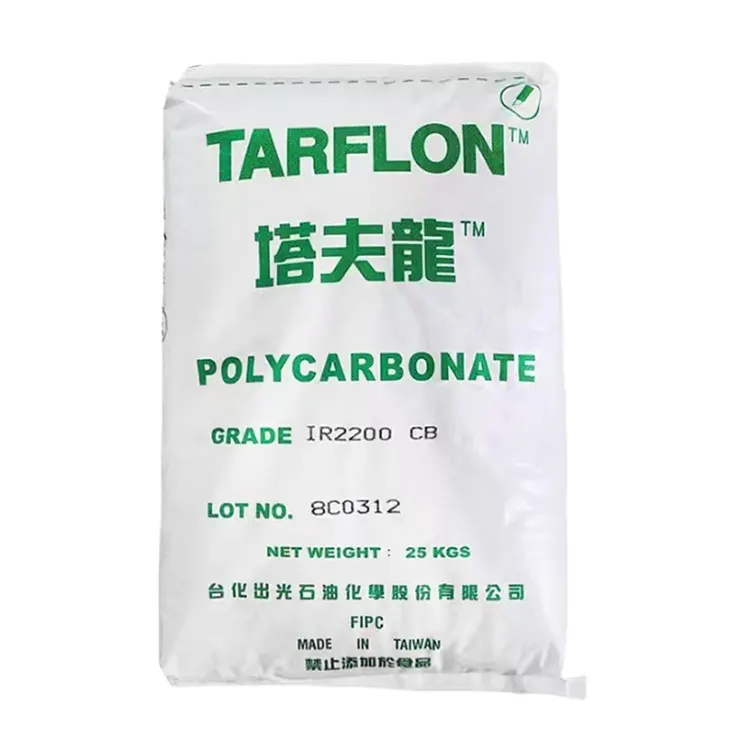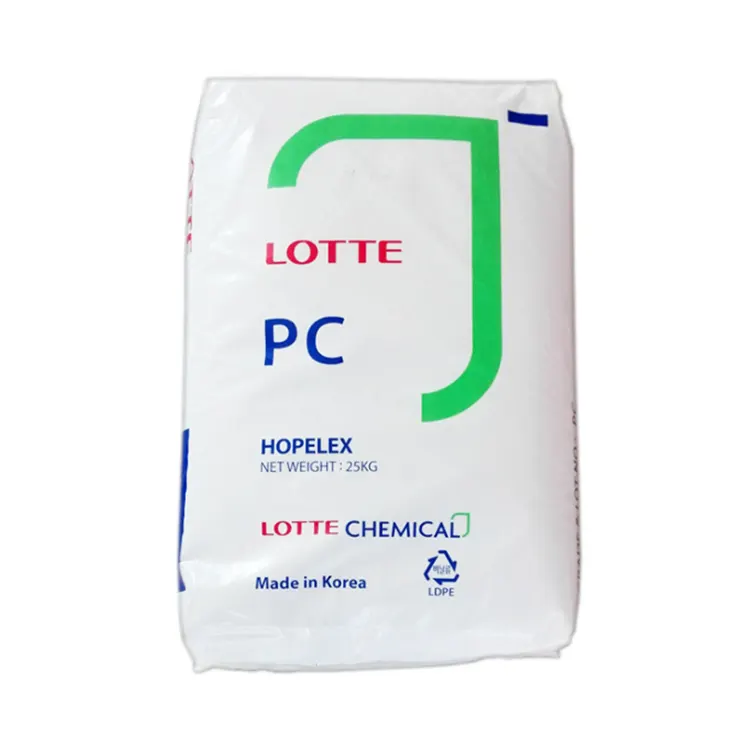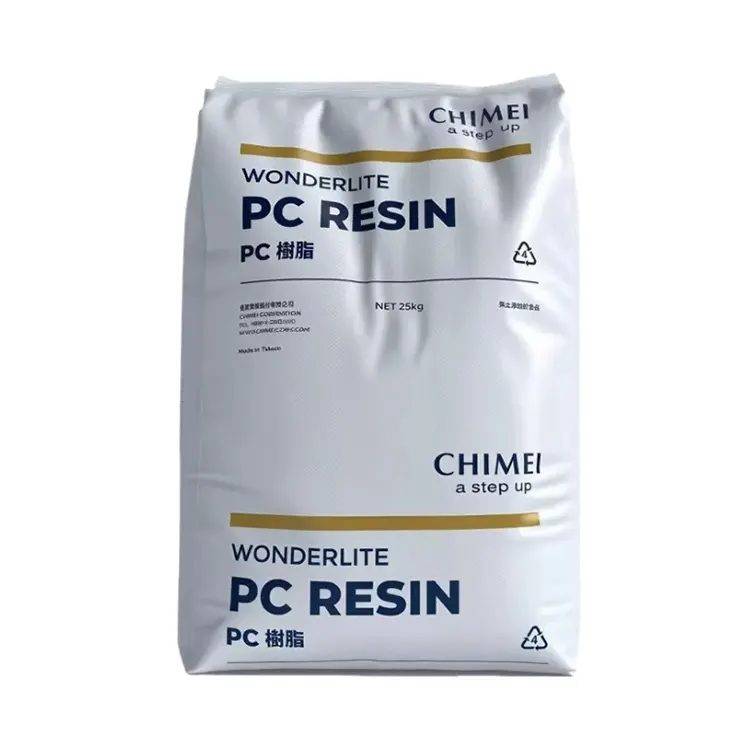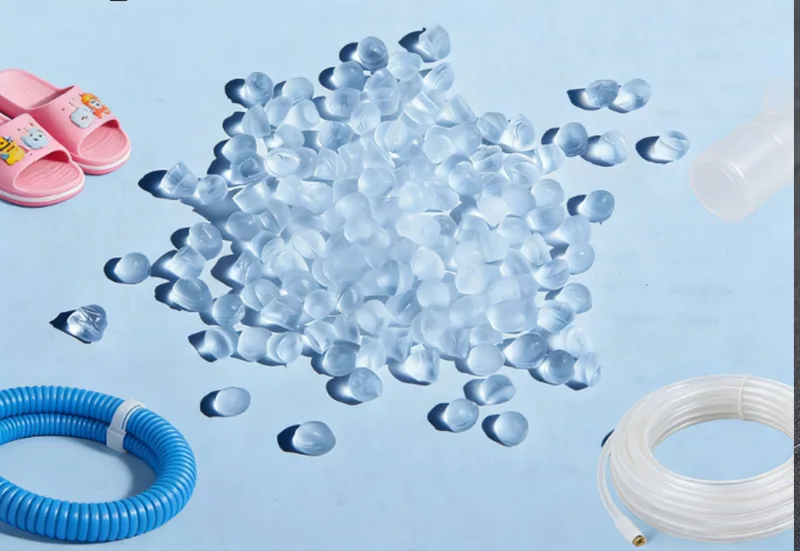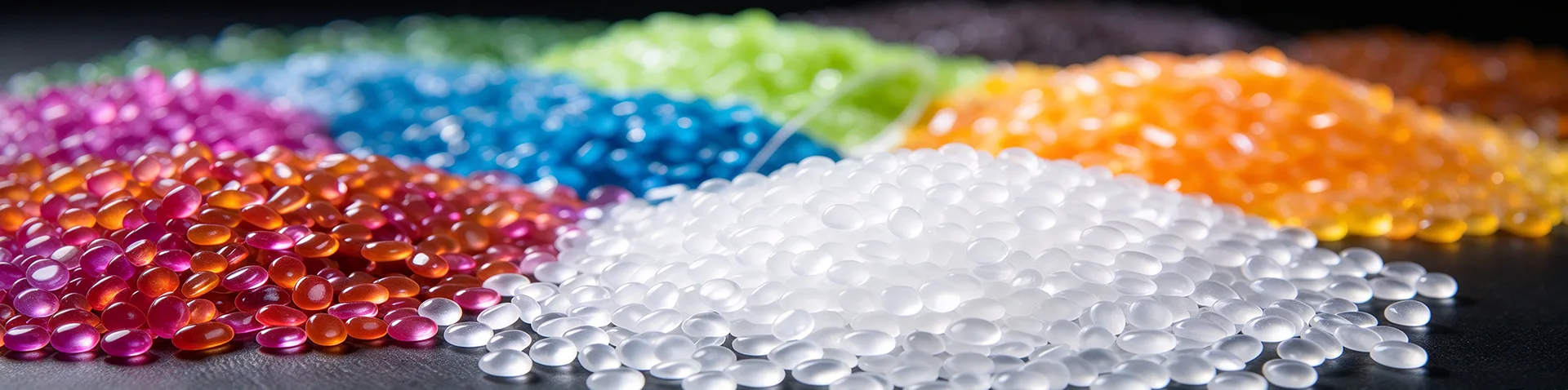
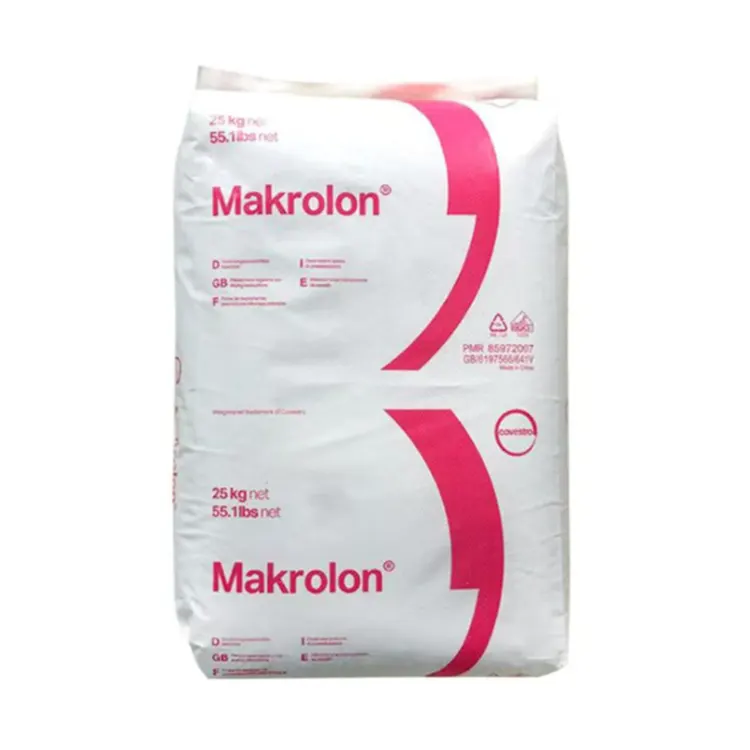
For manufacturers working with electronic components and electrostatic-sensitive equipment, Zhongwang provides Anti-Static PC Resin with different surface-resistivity characteristics to match the requirements of the finished product.
Standard polycarbonate has high electrical insulation properties. Although this characteristic is useful in many electrical applications, it also means that friction and environmental contact can cause static charges to accumulate on the material surface. Dust attraction, electrostatic discharge and unwanted interference with sensitive electronic components may follow.
Antistatic modification changes how the material manages accumulated electrical charge. Depending on the formulation, the effect can be achieved through migratory antistatic additives or a more stable internal conductive polymer phase.
These two approaches do not provide identical performance under different environmental conditions. Humidity dependence, surface resistance, transparency and long-term service requirements should therefore be evaluated before selecting a material grade.
Transient formulations use migratory antistatic additives that influence the electrical behavior of the material surface. These additives help reduce static accumulation and provide a practical solution for indoor products where environmental humidity is relatively stable.
The reference surface resistivity range is 10⁹–10¹² Ω/sq. This category also retains relatively good transparency compared with most permanently conductive formulations, while maintaining much of the impact toughness of the PC base resin.
Its main limitation is environmental sensitivity. Because the antistatic mechanism depends partly on additive migration and surface conditions, low humidity may weaken the static-dissipative effect. Applications requiring consistent performance throughout dry operating periods should be evaluated carefully.
Permanent formulations introduce conductive polymer phases that form an internal conductive network. Rather than relying primarily on migrating surface additives, the material uses this internal structure to provide more stable static dissipation.
The reference surface resistivity range is 10⁶–10⁹ Ω/sq. Its performance is less dependent on ambient humidity than that of transient formulations, making it relevant to controlled electronic manufacturing environments and long-term industrial use.
Most permanent grades are black or opaque because of the conductive-phase modification. Buyers requiring transparent components should confirm whether a suitable formulation is available before finalizing the design.
Surface resistivity is one of the main parameters used to evaluate antistatic plastics. It helps characterize how electrical charge behaves along the material surface and provides a basis for comparing different formulations.
| Parameter | Transient Grade | Permanent Grade |
|---|---|---|
| Antistatic Mechanism | Migratory antistatic additives | Internal conductive polymer phase |
| Surface Resistivity | 10⁹–10¹² Ω/sq | 10⁶–10⁹ Ω/sq |
| Humidity Dependence | More sensitive to ambient humidity | Relatively less dependent on humidity |
| Transparency | Partial transparency may be retained | Generally black or opaque |
| Typical Application | Indoor housings and antistatic storage products | Electronic turnover trays and precision equipment housings |
| Selection Priority | Cost and appearance considerations | Long-term static-dissipative performance |
| Parameter | Reference Data |
|---|---|
| Product Name | Anti-Static PC Resin |
| Brand | Zhongwang |
| Base Material | Virgin Polycarbonate (PC) |
| Available Grades | Transient Anti-Static / Permanent Anti-Static |
| Surface Resistivity – Transient Type | 10⁹–10¹² Ω/sq |
| Surface Resistivity – Permanent Type | 10⁶–10⁹ Ω/sq |
| Heat-Deflection Temperature | 115–125°C, typical reference |
| Notched Izod Impact Strength | 55–75 kJ/m², typical reference |
| Appearance | Natural / Black / Customized Colors |
| Processing Methods | Injection Molding / Extrusion |
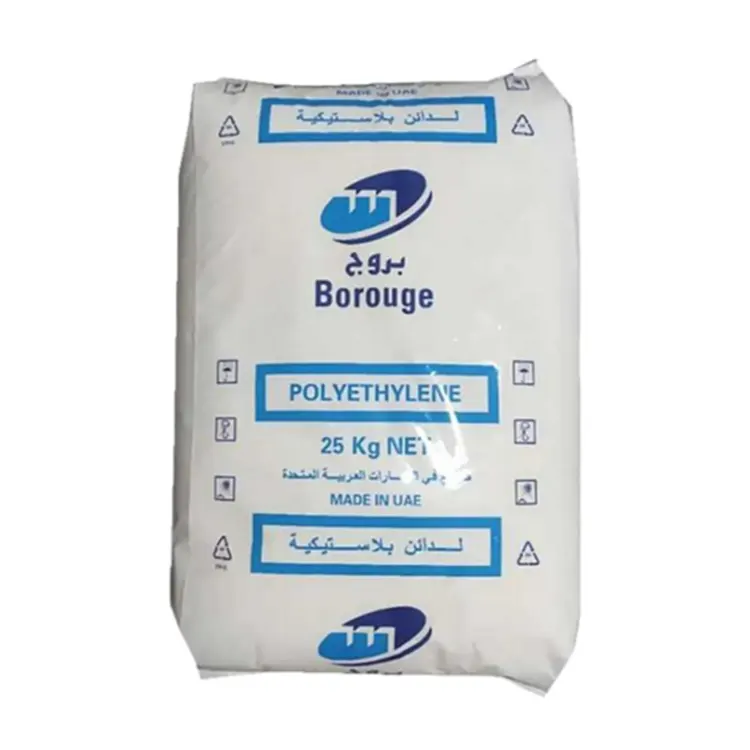
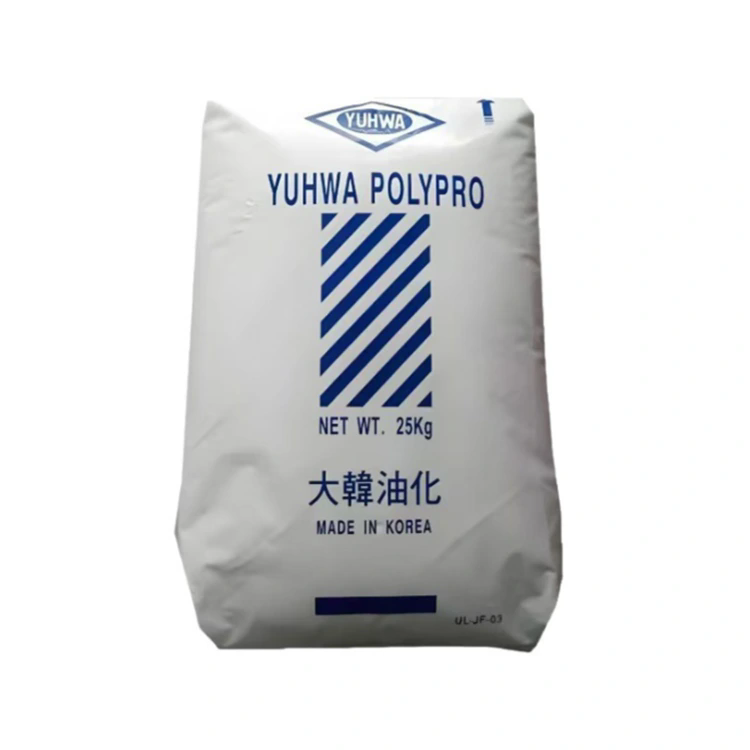
| Standard Packaging | 25 kg Moisture-Proof Woven Bags |
| Place of Origin | Yuyao, Zhejiang, China |
| Available Documents | TDS, COA, MSDS and Anti-Static Performance Test Reports |
Electronic equipment housings and protective covers may require a combination of impact resistance, heat performance and controlled surface electrical properties. The appropriate formulation depends on the sensitivity of the components, the surrounding environment and the required resistivity range.
Measurement instruments and precision equipment often operate in environments where dust attraction and uncontrolled electrostatic discharge are undesirable. Permanent antistatic formulations can be considered when consistent performance under relatively low-humidity conditions is required.
Electronic manufacturing lines use trays, carriers and conveyor-related components to move products between production, inspection and assembly stages. These parts may experience repeated handling, friction and contact with different surfaces.
Permanent grades are relevant to applications where the antistatic function needs to remain relatively stable throughout repeated industrial use. The final product should be tested for surface resistance, mechanical durability and compatibility with the handling system.
Protective covers, equipment accessories and industrial storage components can use modified PC when impact strength and static control are both important. The selected grade should reflect whether the product is used for occasional indoor handling or continuous operation in a controlled manufacturing environment.
The electrical properties of a modified polymer can be affected by processing conditions, contamination and the thermal history of the material. A grade that meets its incoming specification still requires verification after molding or extrusion.
The reference barrel temperature range is 260–290°C. Excessive processing temperature or prolonged residence time may degrade the PC matrix and antistatic modifiers, resulting in unstable surface-resistivity measurements and reduced mechanical performance.
Actual temperature settings should be adjusted according to the selected grade, equipment configuration and product geometry.
Unknown recycled plastics and excessive regrind can introduce incompatible materials into the compound. These impurities may change the distribution of antistatic modifiers and produce inconsistent electrical properties across molded components.
For applications with defined resistivity requirements, use the approved virgin formulation as the production reference. Any proposed regrind addition should be validated through electrical and mechanical testing.
Silicone-rich release agents can leave residues on the molded surface. Such deposits may interfere with surface-resistivity testing and make measurements less representative of the material itself.
Where release agents are required, confirm their compatibility with the selected formulation and establish a consistent surface-cleaning and testing procedure.
Before switching to antistatic PC production, thoroughly purge and clean the injection-machine barrel and screw. Residues from other polymers or additives may contaminate the compound and affect the repeatability of electrical measurements.
Material selection should start with the actual static-control requirement rather than simply choosing the grade with the lowest surface-resistivity number.
For example, a transparent indoor equipment cover may be better suited to a transient formulation if humidity conditions are controlled. An electronic turnover tray used repeatedly in a low-humidity workshop may require a permanent formulation instead.
These distinctions help avoid selecting a material that performs well under laboratory conditions but does not meet the electrical requirements of the actual production environment.
Zhongwang uses virgin PC base material for its antistatic compounds and controls recycled-material contamination during production. Each batch undergoes surface-resistivity testing, mechanical-property inspection and thermal-performance evaluation before delivery.
For B2B material qualification, the following documents can be discussed according to the selected grade:
Third-party inspection can also be arranged upon request. For repeat production, buyers should establish a consistent testing environment and acceptance procedure so that batch-to-batch electrical performance can be compared reliably.
Zhejiang Zhongwang International Trade Co., Ltd. is located in the International Business Center of Yuyao China Plastics City, a major plastic raw-material trading hub in China. The company is approximately 60 km from Ningbo Beilun Port and 80 km from Hangzhou Xiaoshan International Airport.
Its product portfolio includes PP, PE, ABS, PC, PC/ABS and PA for automotive, home appliance, electrical and electronics, petrochemical and consumer goods manufacturing. Long-standing supply relationships with major petrochemical enterprises, including SINOPEC and PetroChina, support its broader plastics sourcing network.
For buyers purchasing Anti-Static PC Resin, Zhongwang can coordinate material selection according to surface-resistivity targets, humidity requirements, processing methods and finished-product applications.
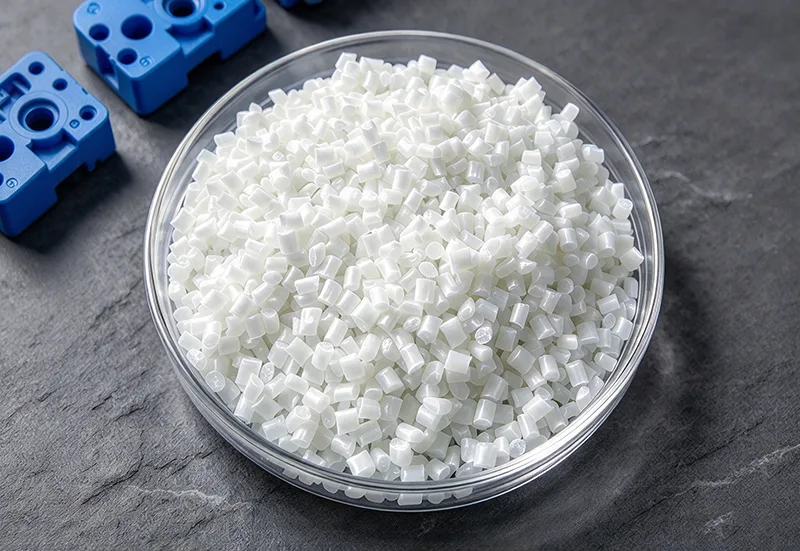
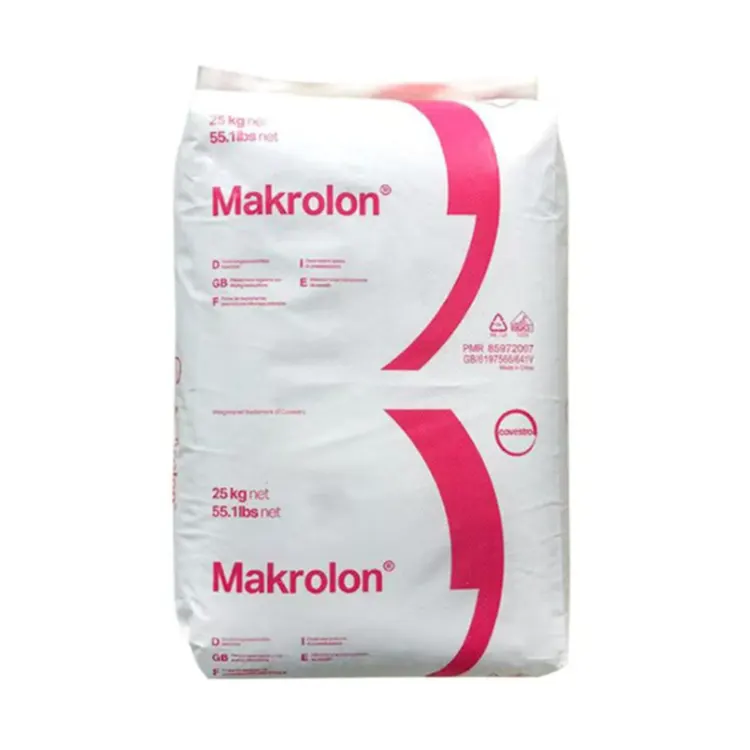
The standard package is 25 kg per moisture-proof woven bag. Pellets should be stored in suitable packaging and protected from contamination during handling and transportation.
For a quotation, provide your required surface-resistivity range, operating humidity, transparency requirements, processing method, finished-part application and estimated order quantity. This information helps identify the appropriate formulation before bulk procurement.
Not necessarily. Transient formulations rely on migratory antistatic additives, and their performance can be affected by ambient humidity. Permanent grades generally provide more stable static-dissipative behavior under low-humidity conditions.
Transient grades use migratory antistatic additives and typically have a reference surface resistivity of 10⁹–10¹² Ω/sq. Permanent grades use an internal conductive polymer phase and typically range from 10⁶–10⁹ Ω/sq. Their transparency and environmental performance also differ.
Selected transient formulations can retain partial transparency. Most permanent grades are black or opaque because of their conductive-phase modification. Confirm the required appearance before selecting a grade.
Yes. Permanent antistatic formulations are suitable candidates for electronic turnover trays, chip-transport fixtures and precision equipment accessories where relatively stable surface-resistivity performance is required.
Processing temperature, residence time, material contamination, recycled-material mixing and surface residues can affect the final result. Testing should be conducted on molded samples under consistent environmental conditions.
Limited reuse may be considered after validation, but repeated thermal processing can weaken antistatic modifiers and change surface-resistivity performance. High regrind proportions are not recommended for applications requiring consistent electrical properties.
Address
Building 1, China Plastics International Business Center, No. 285 Shunda West Road, Yuyao City, Ningbo City, Zhejiang Province, China
Tel
If you have any enquiry about quotation or cooperation, please feel free to email us or use the following inquiry form.Our sales representative will contact you within 24 hours. Thank you for your interest in our products.