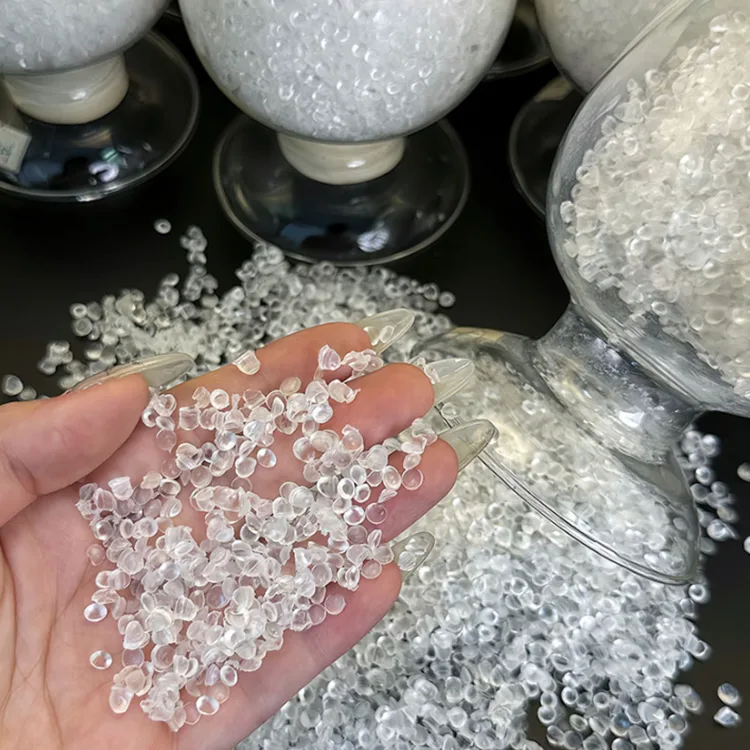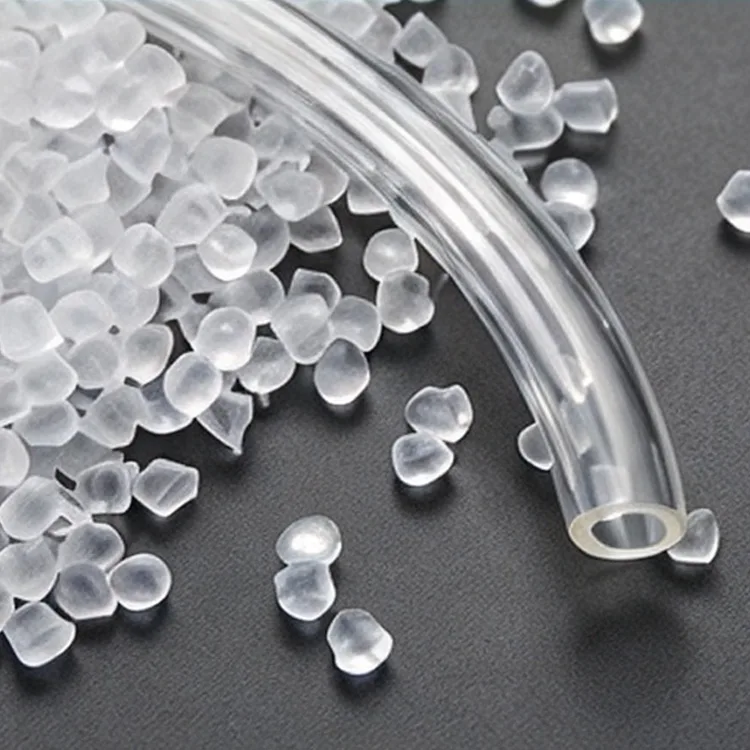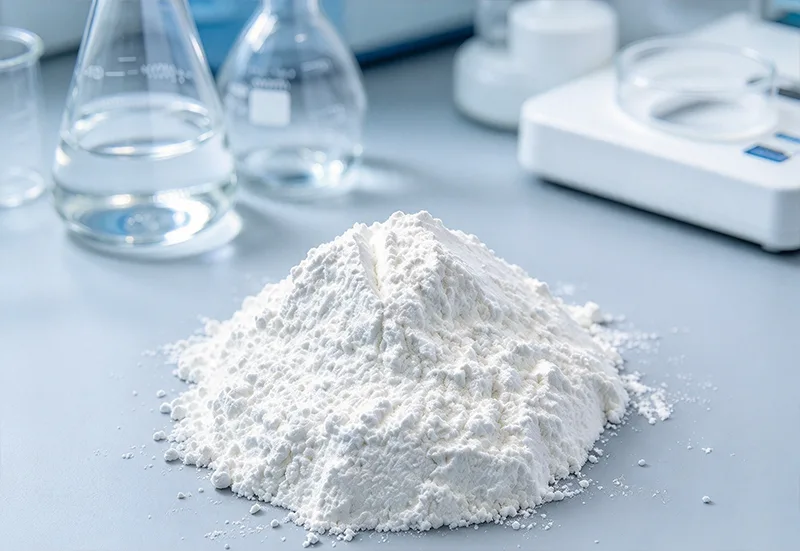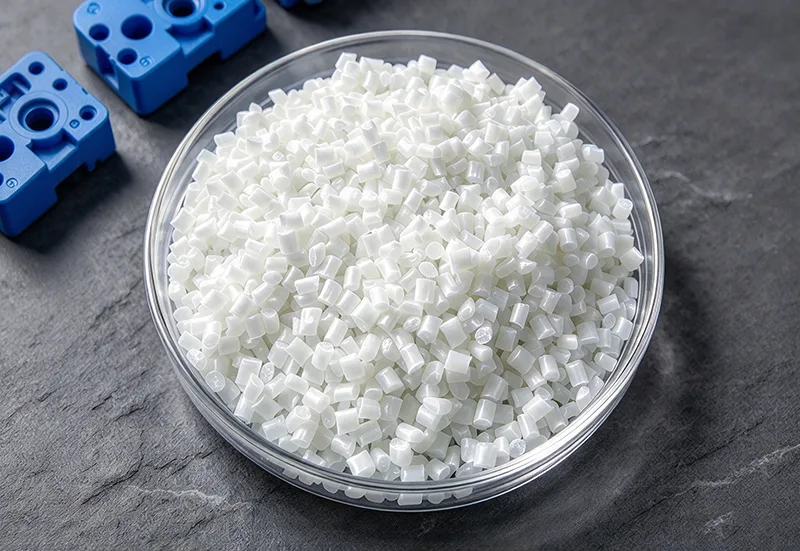
Fire-safety requirements can determine whether a plastic component is suitable for an electrical or electronic assembly. Zhongwang helps B2B purchasers source Flame-Retardant PC Resin according to the required UL94 classification, finished-part wall thickness, transparency, mechanical loading and destination-market requirements.
Conventional polycarbonate provides good impact resistance and thermal performance, but unmodified PC does not automatically meet the flame-retardancy requirements of every electrical application. Flame-retardant modification introduces specific additive systems into the virgin PC matrix to improve its response to ignition and limit sustained combustion under defined test conditions.
Two principal formulation routes are available: halogen-containing and halogen-free. They differ in flame-retardant chemistry, environmental considerations, achievable thin-wall performance and material cost. Choosing between them requires more than comparing the UL94 rating on a datasheet; the intended component and its applicable regulatory requirements must also be considered.
Halogen-containing formulations typically use bromine-based flame-retardant systems. Their high flame-retardant efficiency makes them a practical option for selected indoor electrical components and cost-sensitive industrial products where halogen-free chemistry is not mandatory.
The reference formulation achieves UL94 V-0 at specimen thicknesses of approximately 1.6–3.2 mm. Notched Izod impact strength is typically 60–80 kJ/m², with heat-deflection temperature around 120–130°C.
This option can be considered for electrical housings, power-switch accessories and internal equipment components. However, combustion may generate corrosive gases, so the formulation should be evaluated against the fire-safety and environmental requirements of the intended market.
Halogen-free formulations use phosphorus-silicon composite flame-retardant systems without intentionally added bromine- or chlorine-based flame-retardant ingredients. These grades are intended for applications where low-smoke characteristics and environmental material requirements are important.
The reference formulation can achieve UL94 V-0 at specimen thicknesses of approximately 1.0–1.5 mm. Certain transparent grades maintain light transmittance above 88%, making them relevant to selected electronic housings and lighting components.
Halogen-free options are particularly relevant to consumer electronics, new-energy battery components, LED lighting and export-oriented electrical products. Applicable RoHS, REACH and IEC 61249-2-21 requirements should be verified through grade-specific documentation rather than assumed for every formulation.
UL94 classification is an important consideration when purchasing flame-retardant engineering plastics. However, a resin's laboratory rating must be interpreted together with the specimen thickness and the actual test conditions.
V-0 is a vertical-burning classification with more demanding afterflame and dripping criteria than V-2. It is commonly specified for electrical and electronic components where flame behavior is a design consideration.
V-2 is another vertical-burning classification with different afterflame and flaming-drip requirements. It should not be treated as equivalent to V-0 simply because both belong to the vertical-burning classification system.
A formulation that achieves V-0 at 1.5 mm cannot automatically be assumed to achieve the same result at 1.0 mm or in a finished component with a different geometry.
Wall thickness, gate position, molding temperature, material purity and the presence of incompatible additives can influence the final test result. Manufacturers should conduct trial molding and verify the actual molded component against the required fire-safety standard before mass production.
| Parameter | Reference Data |
|---|---|
| Product Name | Flame-Retardant PC Resin |
| Brand | Zhongwang |
| Base Material | Virgin Polycarbonate (PC) |
| Available Formulations | Halogen-Containing / Halogen-Free |
| UL94 Flame Rating | V-0 / V-2, grade- and thickness-dependent |
| Density | 1.18–1.21 g/cm³ |
| MFR | 7–22 g/10 min (300°C/1.2 kg), grade-dependent |
| Notched Izod Impact at 23°C | 60–80 kJ/m², typical reference |
| Heat-Deflection Temperature | 120–130°C, typical reference |
| Light Transmittance | Above 88% for selected transparent halogen-free grades |
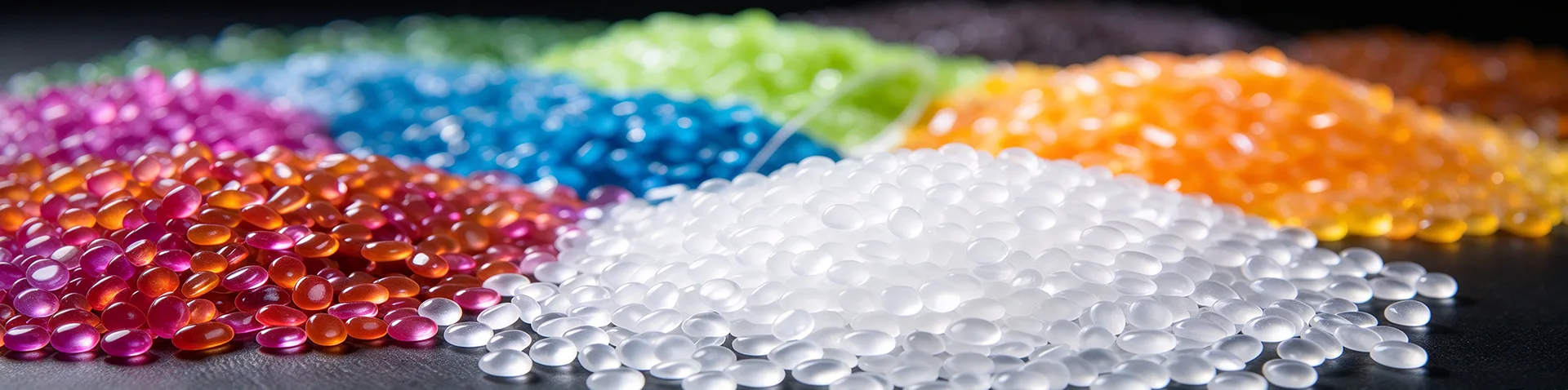
| Appearance | Transparent / Black / Customized Colors |
| Processing Methods | Injection Molding / Extrusion |
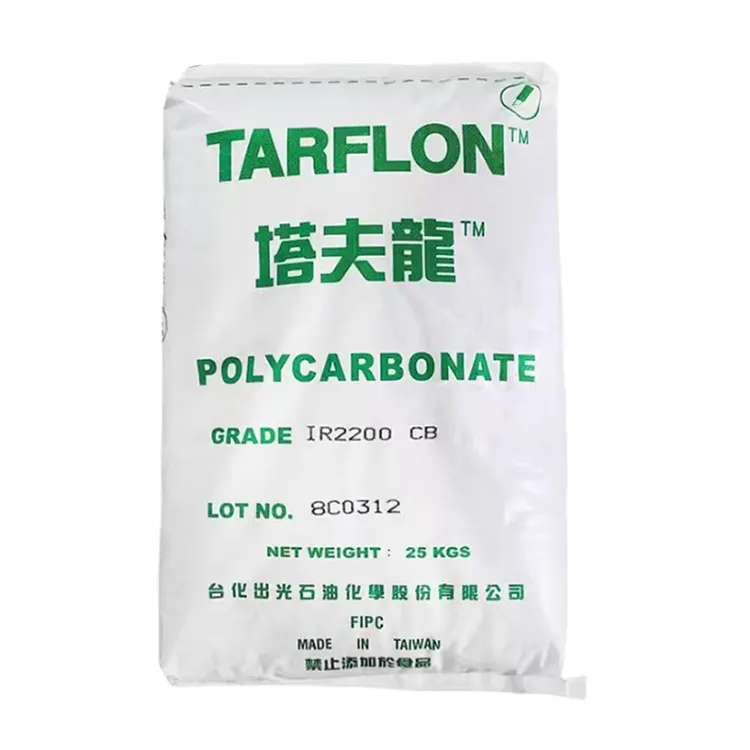
| Standard Packaging | 25 kg Moisture-Proof Woven Bags |
| Place of Origin | Yuyao, Zhejiang, China |
| Available Documents | TDS, COA, MSDS, UL94 Test Reports, RoHS and REACH Compliance Statements, Subject to Grade |
All figures are typical reference values rather than guaranteed specifications for every formulation. UL94 ratings, optical properties and mechanical performance must be confirmed against the actual grade, specimen thickness and batch-specific technical documentation.
Electrical enclosures and switch-related components may require a combination of flame-retardant behavior, impact resistance and dimensional stability. Depending on the applicable fire-safety requirements, manufacturers can evaluate halogen-containing or halogen-free formulations for housing structures and internal electrical accessories.
Battery-related plastic components need to be selected according to their position within the assembly, mechanical loading, temperature exposure and applicable safety standards. Halogen-free modified PC can be considered for selected battery module housings and electrical support components where environmental material requirements are also relevant.
Resin-level flame-retardant performance alone does not establish battery safety or thermal-runaway protection. Finished assemblies require separate design validation and applicable safety testing.
LED lighting products may contain electrical housings, support structures and translucent components with different material requirements. Transparent halogen-free grades can be evaluated for selected applications where optical appearance and flame-retardant properties are both required.
Power modules, electronic equipment housings and internal structural components may experience both electrical and thermal operating conditions. The selected compound should meet the required flame classification while retaining sufficient mechanical performance for assembly and service.
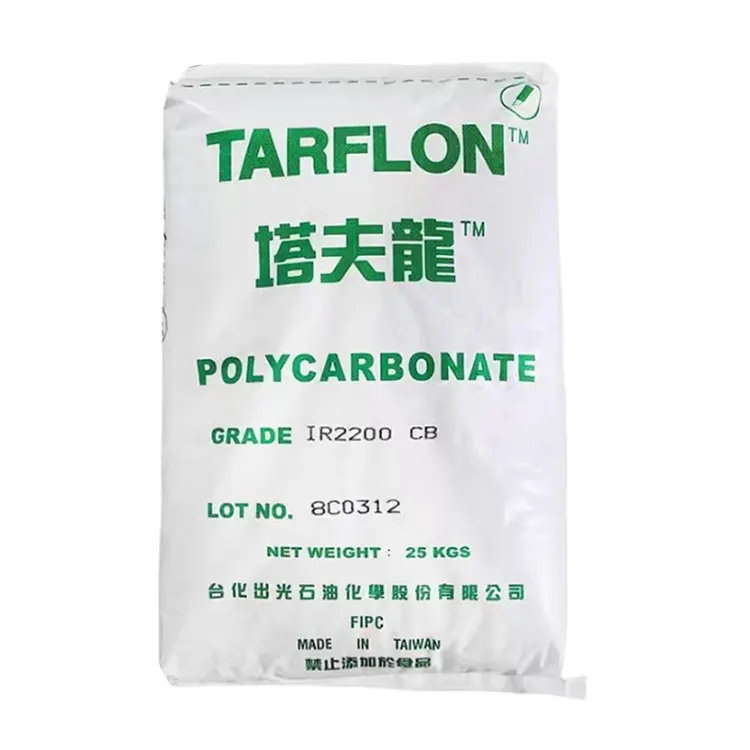
Flame-retardant additives introduce additional material-selection and processing considerations. Even when the incoming pellets meet the specified grade requirements, improper processing can affect the appearance, mechanical properties and flame-retardant performance of the molded component.
Polycarbonate is hygroscopic and should be dried appropriately before processing. The reference drying condition is approximately 120°C for 4–6 hours. Insufficient drying can produce silver streaks, bubbles and other molding defects.
Actual drying time should be adjusted according to pellet moisture content, dryer performance and the selected formulation.
The reference barrel temperature range is 270–300°C. Excessive heat or prolonged residence time may degrade the PC matrix and affect the flame-retardant additive system.
Material discoloration, brittleness and unstable molding behavior should be investigated if processing conditions exceed the recommended range. Follow the selected grade's processing instructions rather than applying one temperature setting to every formulation.
Mixing unknown recycled plastics or excessive regrind into flame-retardant compounds can introduce incompatible materials and change the additive concentration. This may result in inconsistent flame-retardant performance between production batches.
For electrical components with defined fire-safety requirements, virgin material is the preferred starting point. Any proposed regrind ratio should be validated through appropriate mechanical and flame testing before production approval.
Before switching to a flame-retardant PC grade, clean the injection-machine barrel and screw to remove residues from previous materials. Cross-contamination from conventional PC or other polymers can affect material consistency and finished-part testing.
Zhongwang uses virgin PC base resin for its flame-retardant compounds and controls recycled-material mixing during production. Quality inspection covers flame-retardant performance, mechanical properties and thermal characteristics before delivery.
For procurement projects, the following documents can be discussed according to the selected formulation:
Third-party inspection can also be arranged upon request. Buyers should confirm the exact grade, test specimen thickness, test standard and document scope before placing an order, particularly for products destined for regulated export markets.
Zhejiang Zhongwang International Trade Co., Ltd. is located in the International Business Center of Yuyao China Plastics City, a major plastics raw-material trading hub in China. The company is approximately 60 km from Ningbo Beilun Port and 80 km from Hangzhou Xiaoshan International Airport.
Through long-standing supply relationships with major petrochemical enterprises, including SINOPEC and PetroChina, Zhongwang supports procurement across general-purpose and engineering plastics. Its product portfolio also includes PP, PE, ABS, PC, PC/ABS and PA for automotive, home appliance, electrical and consumer goods manufacturing.
For buyers sourcing Flame-Retardant PC Resin, material discussions can cover the required UL94 rating, halogen restrictions, finished-part thickness, transparency, processing method and destination-market regulations.
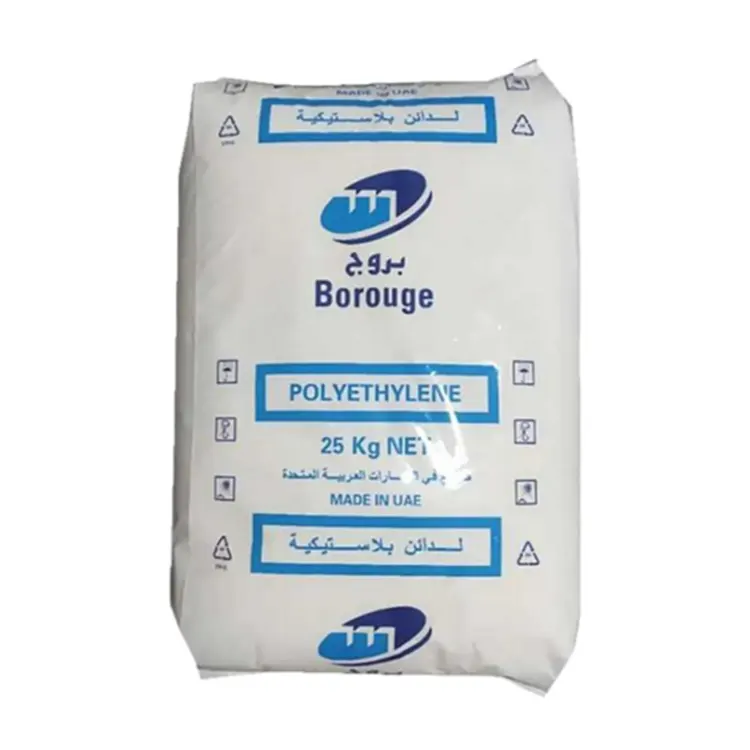
Standard packaging uses 25 kg moisture-proof woven bags to help protect pellets during storage and transportation. Goods can be stacked on pallets to reduce moisture exposure and physical damage during handling.
For a quotation, provide the required UL94 classification, finished-part wall thickness, halogen-free requirement, transparency target, processing technology, estimated order quantity and destination market. This information helps identify a suitable formulation and confirm the relevant technical documentation before bulk purchasing.
No. The classification applies to a tested specimen under specified conditions. Finished-part thickness, geometry, molding conditions, material purity and formulation can influence the result. Trial molding and verification using the required test standard are necessary.
Halogen-containing grades typically use bromine-based flame-retardant systems, offering high efficiency and competitive material cost. Halogen-free grades use alternative flame-retardant systems and are intended for applications with stricter environmental material requirements and low-smoke considerations. The appropriate choice depends on the target market and product specifications.
Yes. Selected halogen-free formulations can achieve UL94 V-0 at reference specimen thicknesses of approximately 1.0–1.5 mm. Actual suitability depends on the selected grade, component geometry and molding conditions.
Yes. Certain transparent halogen-free grades are available with reference light transmittance above 88%. Buyers should confirm the optical properties and flame-retardant classification of the specific grade before ordering.
Depending on the selected formulation, documentation may include TDS, COA, MSDS, UL94 test reports and RoHS or REACH compliance statements. The availability and scope of each document should be confirmed during quotation.
Limited reuse may be considered after validation, but excessive regrind is not recommended for components with strict flame-retardant requirements. Repeated thermal processing can degrade the polymer and additive system, potentially causing inconsistent test results.
Address
Building 1, China Plastics International Business Center, No. 285 Shunda West Road, Yuyao City, Ningbo City, Zhejiang Province, China
Tel
If you have any enquiry about quotation or cooperation, please feel free to email us or use the following inquiry form.Our sales representative will contact you within 24 hours. Thank you for your interest in our products.