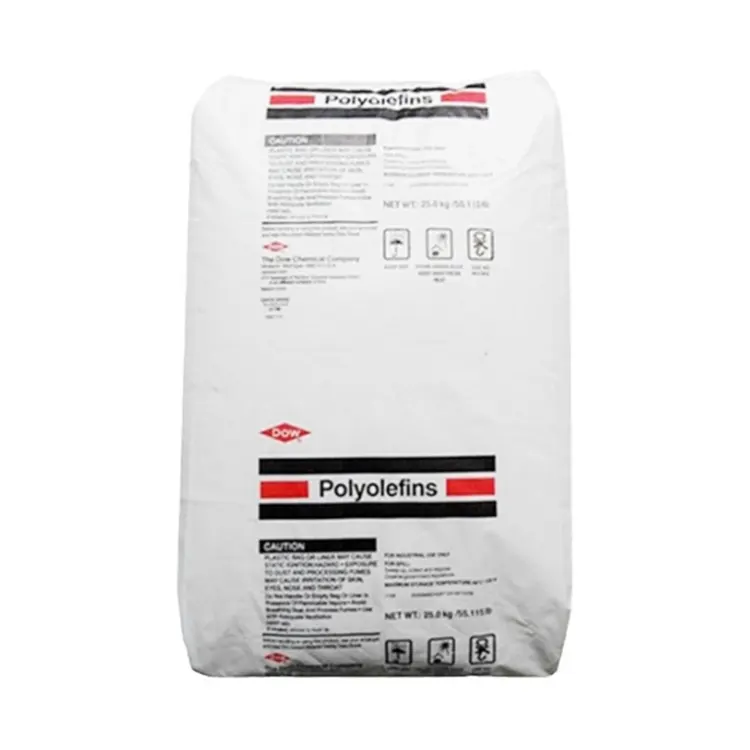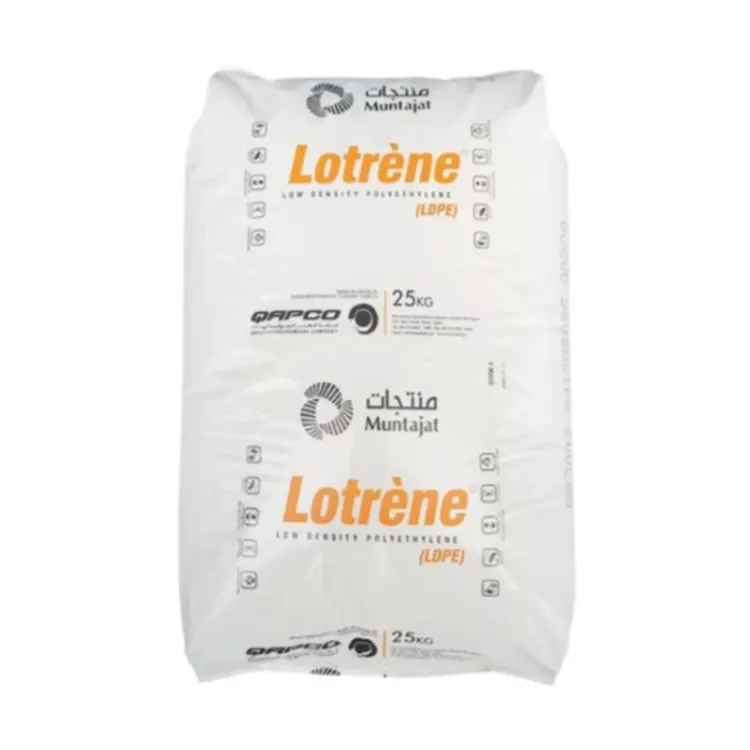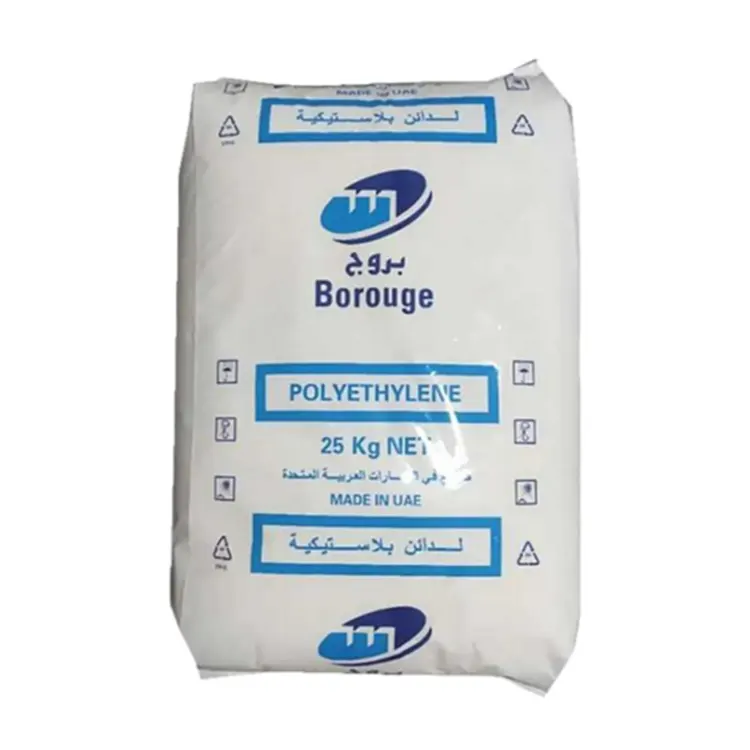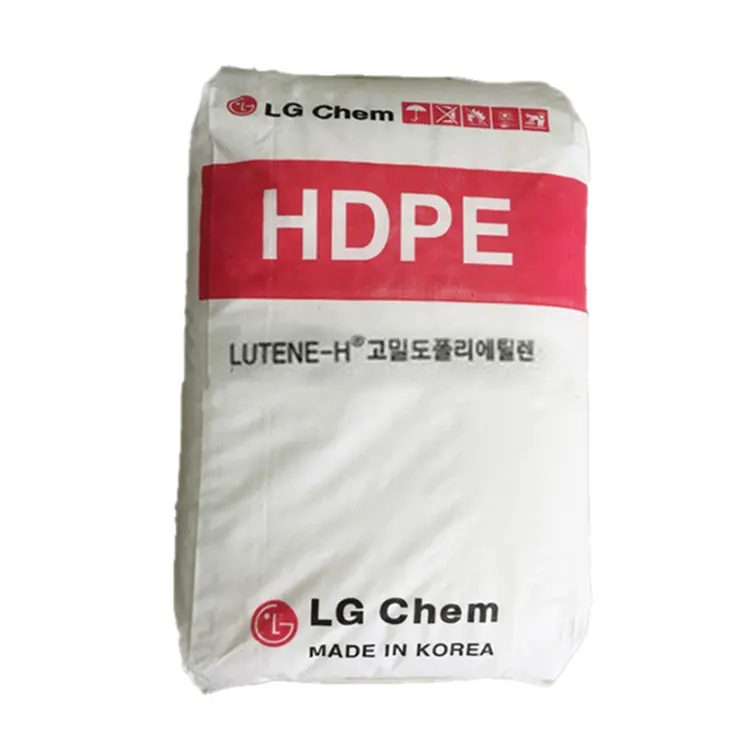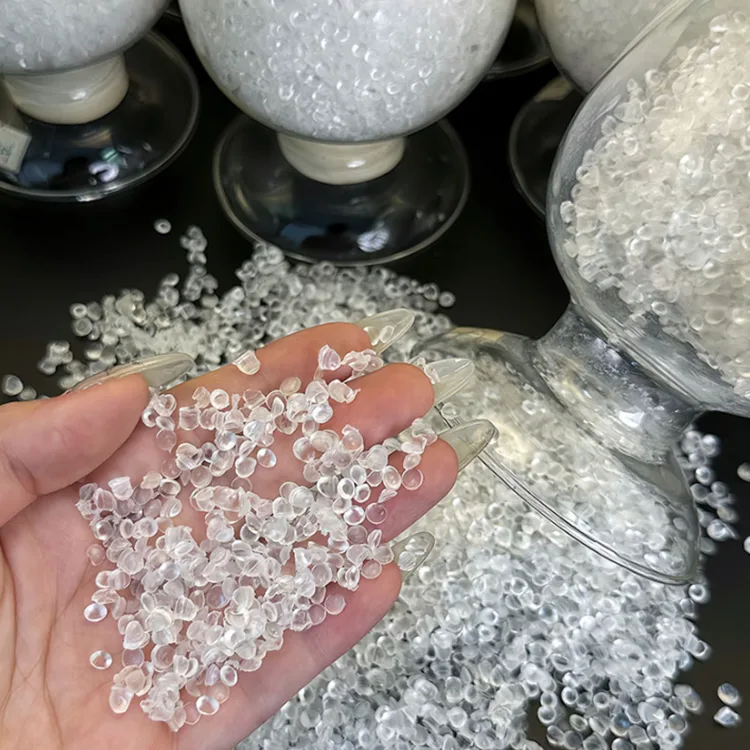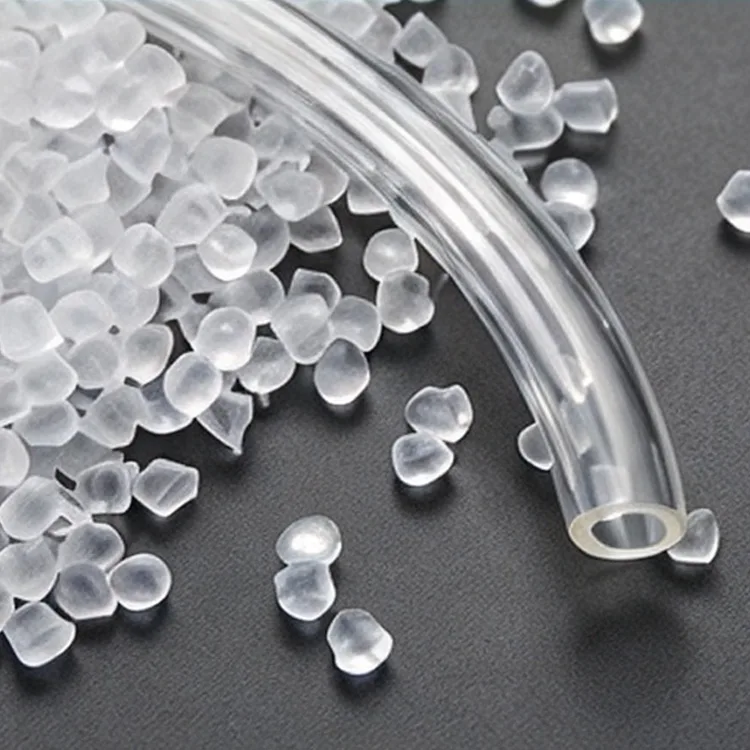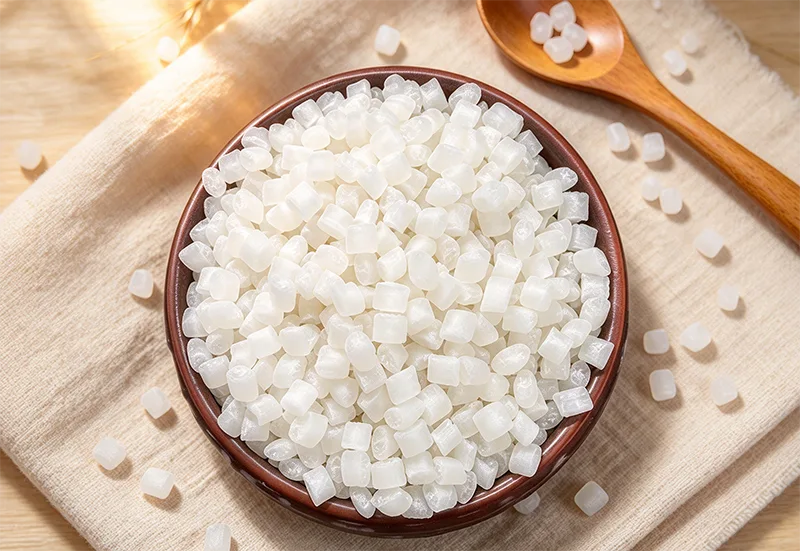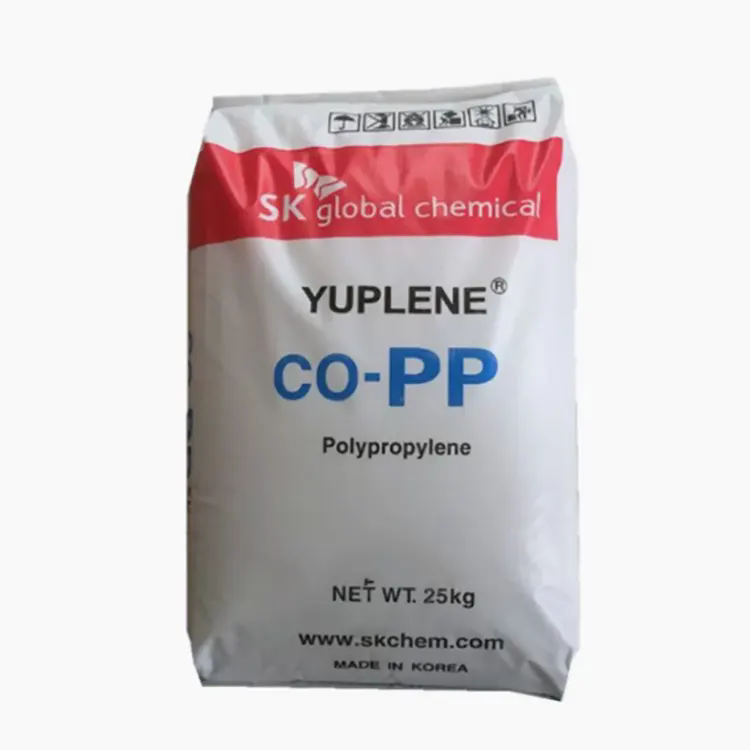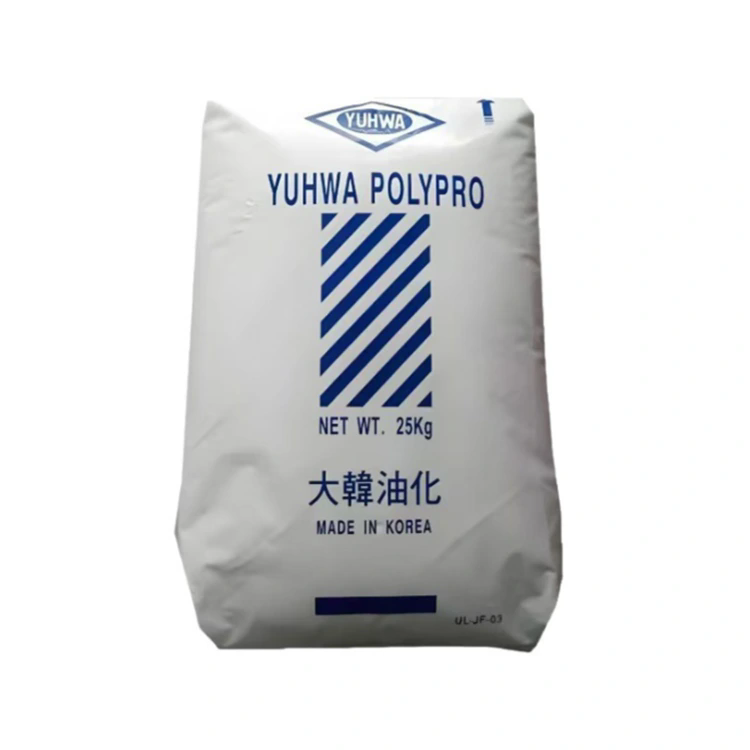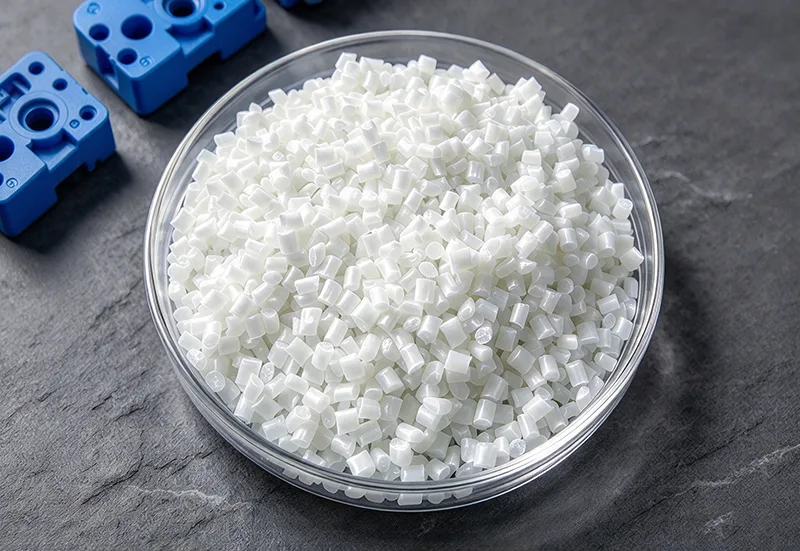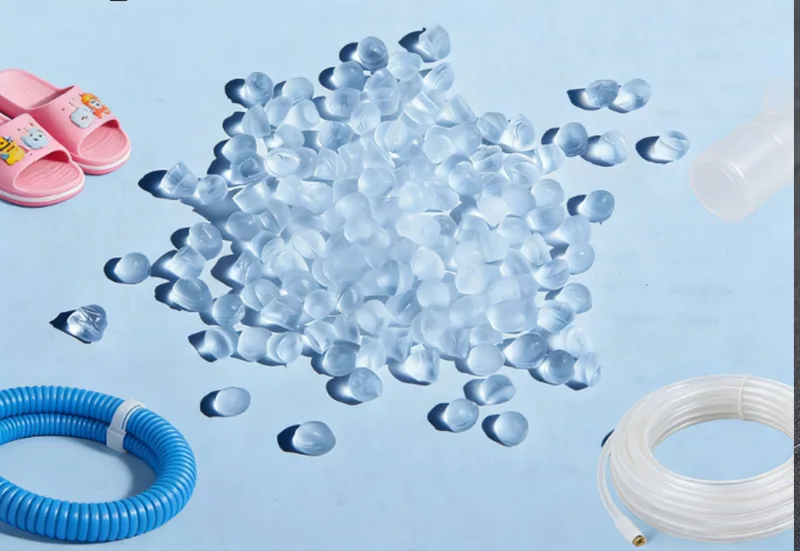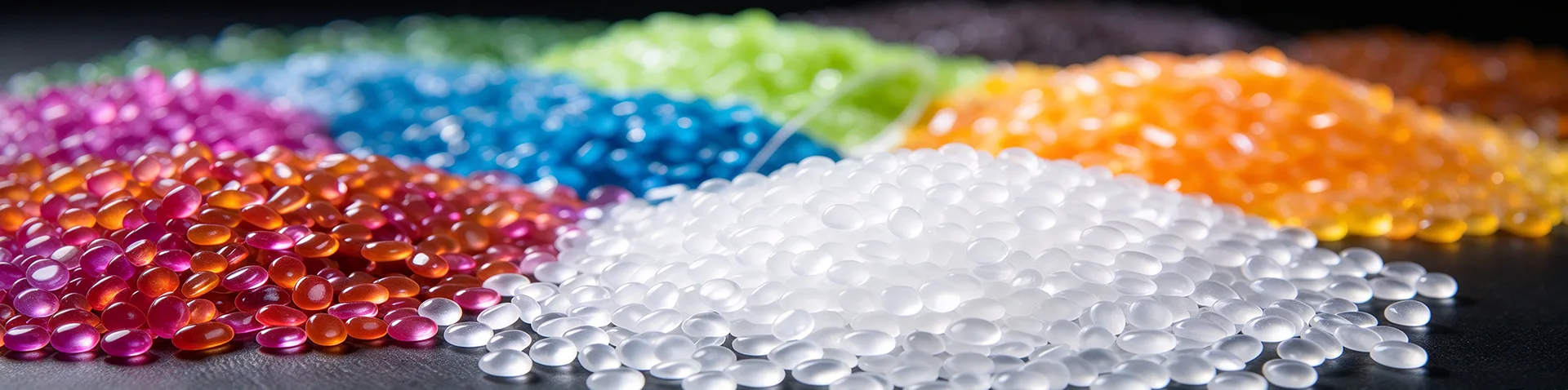
Zhongwang supplies PE Resin to plastic processors, packaging manufacturers, and industrial buyers sourcing materials for film production, containers, rotationally molded products, and other polyethylene applications. The product range includes Linear Low-Density Polyethylene (LLDPE), Low-Density Polyethylene (LDPE), Rotomolding-Grade LLDPE, and High-Density Polyethylene (HDPE). Zhejiang Zhongwang International Trade Co., Ltd. coordinates resin sourcing through established petrochemical supply relationships, including SINOPEC and PetroChina, with material selection based on grade specifications, processing requirements, and order availability.
Polyethylene Resin covers a family of thermoplastic materials rather than a single interchangeable resin. Density, molecular structure, melt flow characteristics, stiffness, flexibility, and resistance to impact vary by grade. These differences influence how a resin behaves during film extrusion, molding, and other manufacturing processes, as well as how the finished product performs in use.
For buyers producing flexible packaging and films, Linear Low-Density Polyethylene (LLDPE) is often considered where flexibility, toughness, and puncture resistance are important. It is used in applications such as stretch film, liners, and other flexible packaging products, depending on the selected grade and formulation. Film thickness, required mechanical performance, extrusion conditions, and any blending requirements should be clarified when specifying a material.
Low-Density Polyethylene (LDPE) is commonly used for flexible films, bags, liners, and selected extrusion applications. Its branching structure contributes to its relatively low density and flexibility. Depending on the grade, processors may evaluate melt flow, clarity, sealing behavior, and film-processing performance when deciding whether LDPE meets the requirements of a particular product.
Not every polyethylene application involves thin films. High Density Polyethylene (HDPE) is widely used for rigid containers, bottles, pipes, household products, and other molded or extruded components. Compared with lower-density polyethylene grades, HDPE generally offers greater stiffness and density, although the actual performance depends on the specific grade. Blow molding, injection molding, and extrusion grades may have different flow characteristics and processing requirements, so the intended manufacturing method should be stated when requesting a quotation.
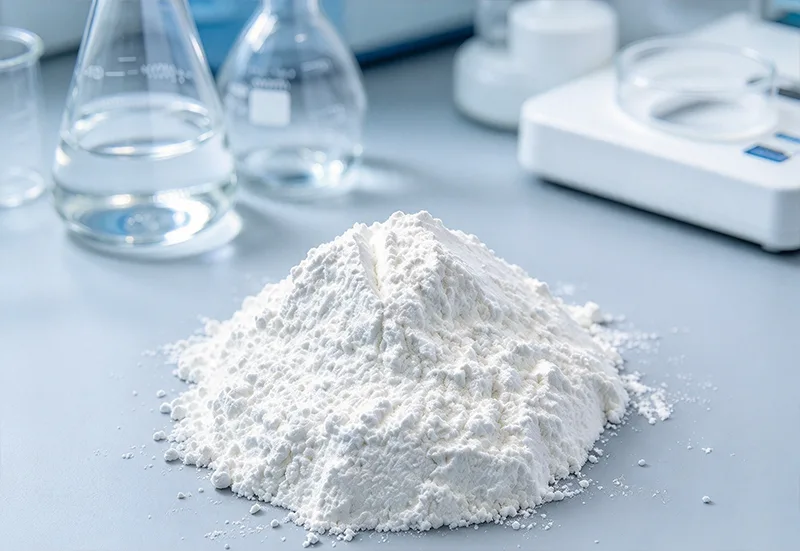
Rotomolding-Grade LLDPE serves a more specialized process. Rotational molding requires a suitable resin powder that can distribute and fuse inside a heated mold as it rotates. Particle characteristics, melt behavior, impact performance, and low-temperature requirements may all affect the suitability of a grade for the finished product. Typical applications can include storage tanks, containers, bins, and selected hollow molded products. Buyers should confirm the required powder specifications and finished-part performance rather than selecting material solely by the LLDPE designation.
An accurate material specification helps prevent unnecessary grade substitutions and production trials. When requesting PE resin, buyers should identify the intended product, manufacturing method, and key performance requirements. If the resin will be used for film production, relevant details may include target thickness, tensile or puncture requirements, and processing conditions. For rigid molded products, buyers may need to specify stiffness, impact requirements, and the molding process. Rotomolding enquiries should include the intended part, powder requirements, and expected service conditions.
| Material Category | Common Application Areas | Details to Confirm |
|---|---|---|
| Linear Low Density Polyethylene (LLDPE) | Stretch film, liners, flexible packaging | Film performance, processing method, melt flow, and mechanical requirements |
| Low Density Polyethylene (LDPE) | Bags, flexible films, extrusion products | Flexibility, clarity where relevant, sealing requirements, and processing conditions |
| Rotomolding Grade LLDPE | Tanks, bins, containers, hollow molded products | Powder specifications, impact performance, part dimensions, and service conditions |
| High Density Polyethylene (HDPE) | Rigid containers, bottles, pipes, molded components | Intended molding or extrusion process, density, melt flow, and mechanical requirements |
A manufacturer's grade number or technical datasheet is especially useful when buyers need to match an existing production material. Where an equivalent grade is being considered, the relevant technical parameters should be compared before substitution.
Based in Yuyao's China Plastics City, Zhejiang Zhongwang operates within an established plastics trading and distribution hub. Its location provides access to regional warehousing and logistics resources, with Ningbo Beilun Port approximately 60 km away and Hangzhou Xiaoshan International Airport approximately 80 km away. These transport connections support shipment planning for domestic and overseas procurement.
Standard packaging listed in the company's current information is 25 kg per bag with a PE liner and woven outer sack, subject to confirmation for the selected grade. Sample shipments may be arranged through international express services, while bulk orders can be discussed for air or sea freight according to quantity and destination. The company indicates an average lead time of within 15 working days; actual availability and delivery timing should be confirmed for the requested material and order.
For a quotation, provide the required Polyethylene Resin category, manufacturer or grade designation, intended application, processing method, estimated quantity, destination, and any essential technical specifications. This gives the sourcing team a clear basis for reviewing material availability, documentation, packaging, and shipment terms.
The three materials differ in molecular structure, density, flexibility, and mechanical behavior. LLDPE is frequently used in flexible films where toughness and puncture resistance are relevant. LDPE is common in flexible packaging and extrusion applications requiring flexibility. HDPE is often selected for more rigid products, including containers and other molded or extruded components. The appropriate choice depends on the grade and the requirements of the finished product.
Not every LLDPE grade is suitable for rotational molding. This process generally requires material in a suitable powder form with appropriate particle characteristics and melting behavior. A designated Rotomolding Grade LLDPE should be evaluated against the mold design, finished-part dimensions, impact requirements, and operating conditions.
Start by identifying the manufacturing process, such as blow molding, injection molding, or extrusion. Then establish the relevant melt flow characteristics, stiffness, impact requirements, and other product specifications. Sharing an existing grade designation or technical datasheet can help determine whether a proposed material is appropriate.
Specify the resin category, grade or manufacturer, intended application, processing method, estimated quantity, and delivery destination. Include critical requirements such as film properties, melt flow rate, density, powder specifications, or mechanical performance where applicable. These details help clarify the requested material and confirm the quotation scope.