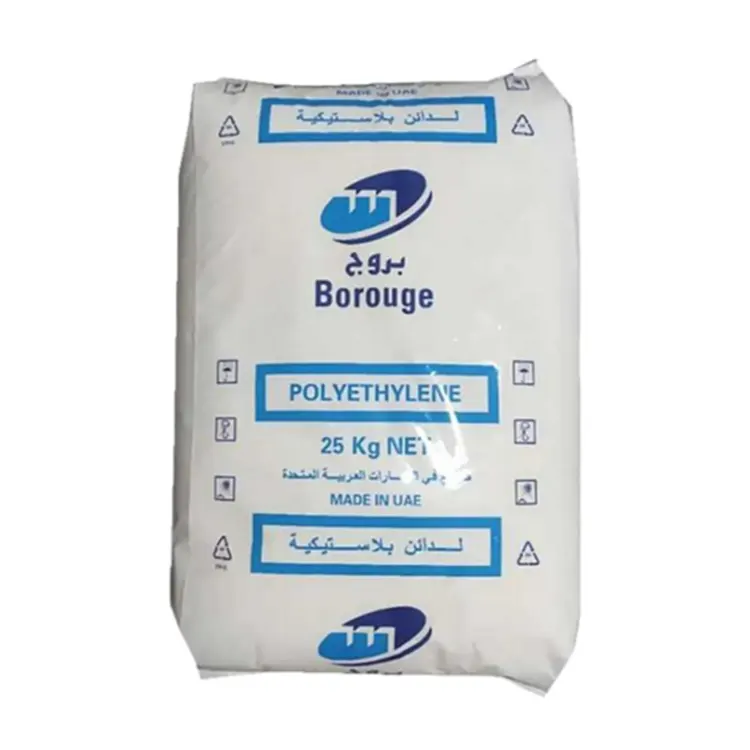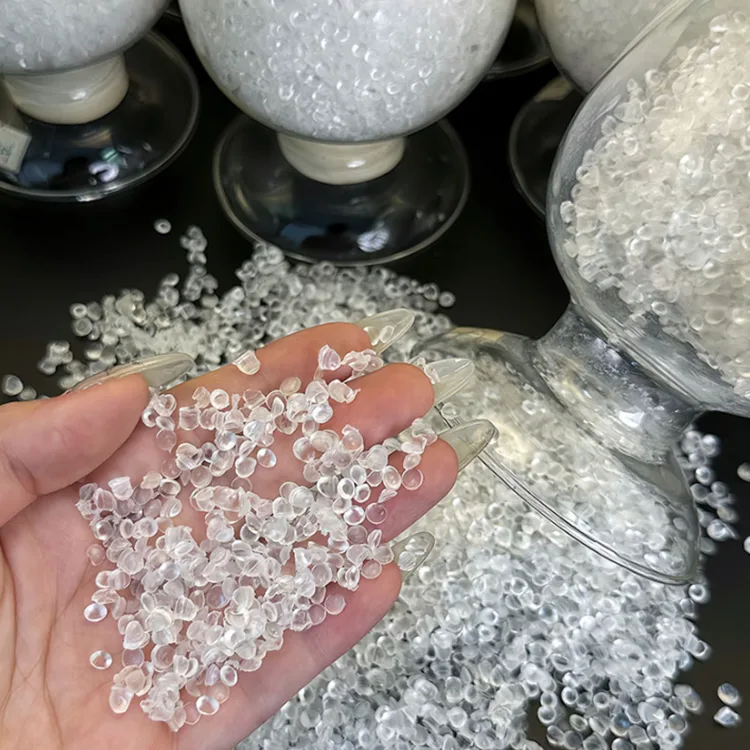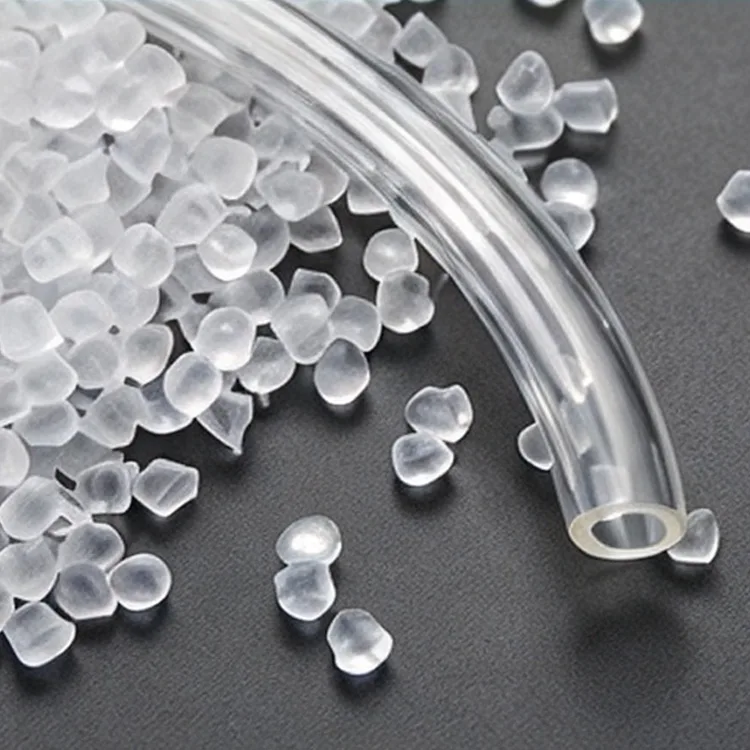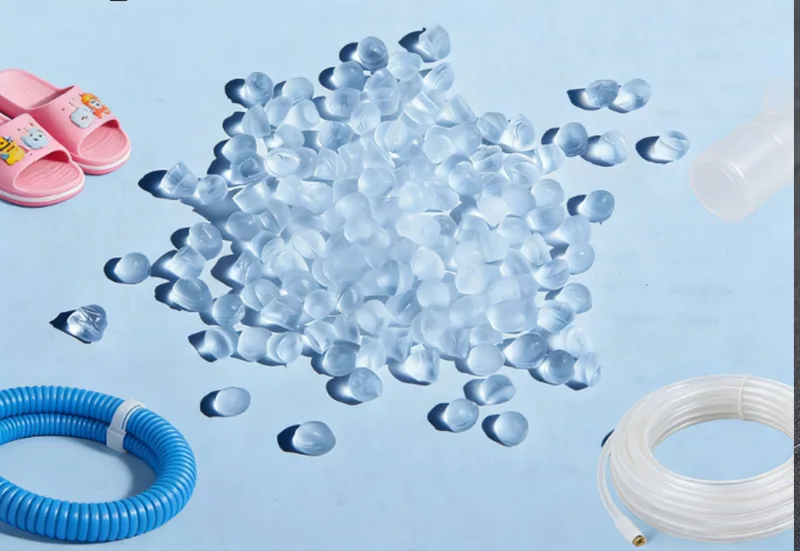
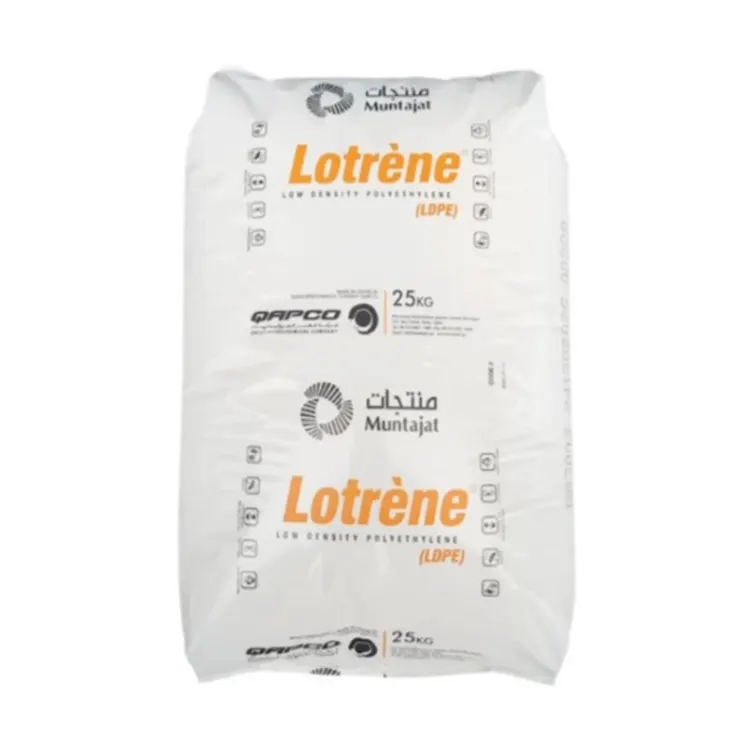
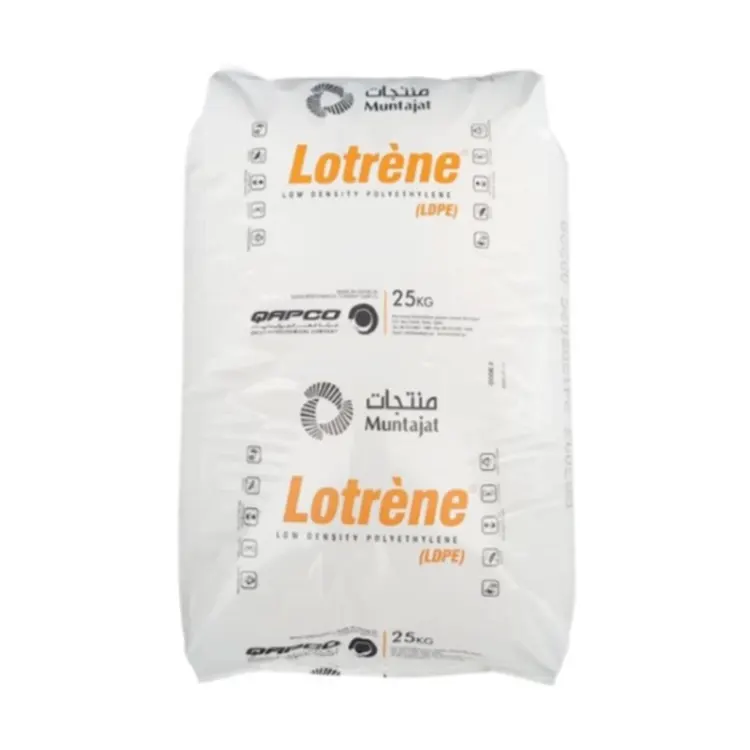
For buyers sourcing Low-Density Polyethylene from China, Zhongwang helps match resin requirements with the intended manufacturing process, whether the material is destined for packaging film, a coated substrate or a flexible molded part. The starting point is not simply choosing LDPE, but determining which grade fits the product being made.
LDPE has a highly branched molecular structure that distinguishes it from linear low-density polyethylene (LLDPE) and high-density polyethylene (HDPE). It is widely used in flexible plastic processing, particularly where melt behavior, film formation and flexibility are important. These characteristics are not identical across all grades, however. Melt flow rate, density, mechanical properties and optical performance need to be checked against the specification of the actual resin under consideration.
LDPE is used across several processing routes, but each places different demands on the material. A grade selected for packaging film should not automatically be assumed suitable for extrusion coating or injection molding.
| Production requirement | What buyers should evaluate |
|---|---|
| Flexible packaging film | Film thickness, flexibility, tensile properties and sealing requirements |
| Blown film | Melt behavior, extrusion stability, cooling conditions and target film properties |
| Extrusion coating | Substrate type, coating thickness, melt behavior and bonding requirements |
| Transparent or translucent film | Grade-specific optical properties and finished-film appearance |
| Flexible molded parts | Flow behavior, molding conditions and required part flexibility |
| Cable or wire coating | Grade suitability and the applicable electrical, thermal and regulatory requirements |
These are starting points for material evaluation rather than guaranteed performance claims. The selected grade must meet the actual product specification and applicable requirements.
When comparing LDPE offers, buyers should review the technical data rather than relying on a general material description.
Density helps characterize the resin and should be checked against the required grade specification. It does not, by itself, establish whether a material will meet the finished product's mechanical or processing requirements.
Melt flow rate (MFR) is relevant to melt processing and grade comparison. The reported value must be considered together with its test conditions. A matching MFR alone does not guarantee equivalent behavior on an extrusion or molding line.
Tensile properties and elongation help describe how the material responds to stretching. Their importance depends on the finished product and the performance tests used by the buyer.
Optical properties may matter for film products where transparency or translucency affects appearance. These properties should be verified for the specific grade and, where necessary, evaluated on the processed film.
Heat-sealing behavior is relevant to packaging structures that require sealed edges or closures. Seal performance depends on the resin, film formulation, structure and sealing conditions, so it should be confirmed under representative production settings.
| Item | Reference |
|---|---|
| Product name | Low-Density Polyethylene (LDPE) |
| Brand | Zhongwang |
| Material type | Polyethylene resin |
| Molecular structure | Highly branched polyethylene |
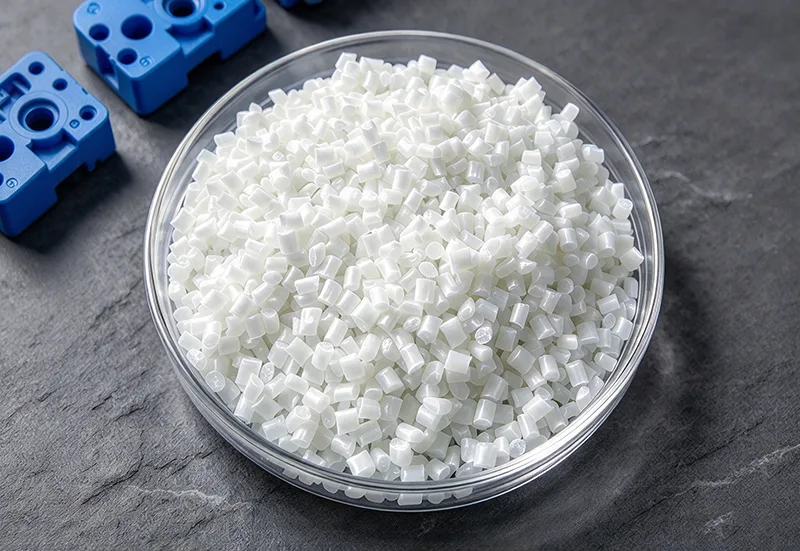
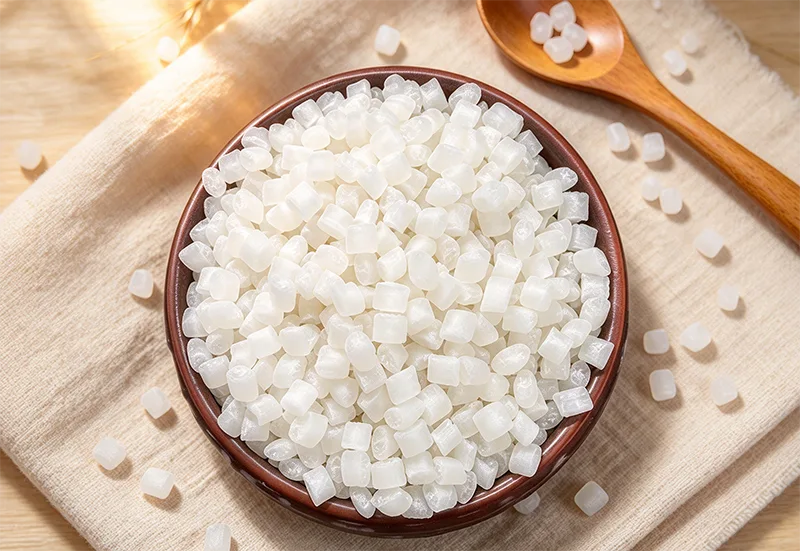
| Physical form | Pellets |
| Density | Grade-dependent |
| Melt flow rate | Grade-dependent; confirm test conditions |
| Tensile properties | Grade-dependent |
| Elongation | Grade-dependent |
| Optical properties | Grade-dependent |
| Processing methods | Film extrusion, extrusion coating and other applicable processes |
| Color | Natural or grade-dependent |
| Packaging | Confirm for the selected material and order |
| Technical documents | TDS, COA and other applicable documents, subject to availability |
No single set of numerical values represents every LDPE grade. Before placing an order, confirm the specific grade, reported test values, test methods and intended processing route.
Film producers should define the target thickness, flexibility, mechanical properties and appearance before comparing resin grades. On a blown-film line, die conditions, melt behavior, cooling and take-up settings can all affect the finished film. The material should therefore be evaluated against the equipment and film specification rather than selected by name alone.
In extrusion coating, molten polyethylene is applied to a substrate. Substrate characteristics, coating thickness, melt conditions and the required bond performance all influence material selection. Buyers should clarify the substrate and intended end use when requesting a grade for this process.
Some LDPE grades may be suitable for flexible or semi-flexible molded products. Suitability depends on the grade's flow characteristics, molding conditions and the required properties of the finished part. Buyers should confirm that the proposed material is specified for the intended molding process before proceeding.
All three materials belong to the polyethylene family, but their molecular structures lead to different general property profiles.
| Material | General characteristics | Common application direction |
|---|---|---|
| LDPE | Highly branched structure; often associated with flexibility and melt processability | Flexible films, extrusion coating and other flexible products |
| LLDPE | Linear backbone with short-chain branching; commonly used where film strength and puncture resistance are important | Flexible films and packaging |
| HDPE | Generally higher rigidity and structural strength | Containers, pipes and other rigid or semi-rigid products |
These distinctions support initial material screening, not a direct grade-to-grade equivalence. The final choice should be based on actual technical data and processing evaluation, especially when replacing an existing resin.
The resin grade is only one part of the production result. For film extrusion, thickness, screw and die configuration, temperature, cooling, take-up conditions and additives can all influence film properties. In coating applications, the substrate and coating conditions also matter.
If a new grade is being introduced, comparing it with the current material under controlled conditions can help identify differences in processing behavior and finished-product performance. For critical applications, confirm the relevant properties through suitable testing rather than assuming that similar resin descriptions indicate equivalent results.
Zhongwang coordinates LDPE sourcing for buyers who need to match a polyethylene grade with a defined application and processing method. To make a material enquiry more specific, buyers can provide the target product, processing route, required properties, existing grade information and estimated order quantity.
Depending on the selected material and availability, supporting documents may include:
• Technical Data Sheet (TDS)
• Certificate of Analysis (COA)
• Product specifications
• Packaging information
• Applicable regulatory or compliance documents for the specific grade
Document availability should be confirmed during the purchasing process. Where a product must meet a particular regulatory or performance requirement, the relevant documentation needs to cover the actual grade and intended use.
LDPE is commonly used for flexible films, plastic bags, liners, extrusion coating and other polyethylene products. Some grades may also be suitable for molding or cable-related applications, provided they meet the requirements of the intended process and end use.
LDPE has a more highly branched molecular structure, while LLDPE has a more linear backbone with short-chain branching. They can differ in flexibility, melt behavior and mechanical performance. The appropriate choice depends on the finished product, processing conditions and grade-specific properties.
Not necessarily. Film extrusion and extrusion coating have different process requirements. A grade should be confirmed as suitable for the intended process, substrate and finished-product specification before use.
Start with the grade-specific TDS, including density, MFR and any relevant mechanical or optical properties. Also confirm the intended processing method, packaging details and availability of required compliance documents.
No. Both properties vary by grade. Compare the reported values and test conditions for the specific materials being considered, and do not treat a matching value as proof that two grades will perform identically.
Address
Building 1, China Plastics International Business Center, No. 285 Shunda West Road, Yuyao City, Ningbo City, Zhejiang Province, China
Tel
If you have any enquiry about quotation or cooperation, please feel free to email us or use the following inquiry form.Our sales representative will contact you within 24 hours. Thank you for your interest in our products.