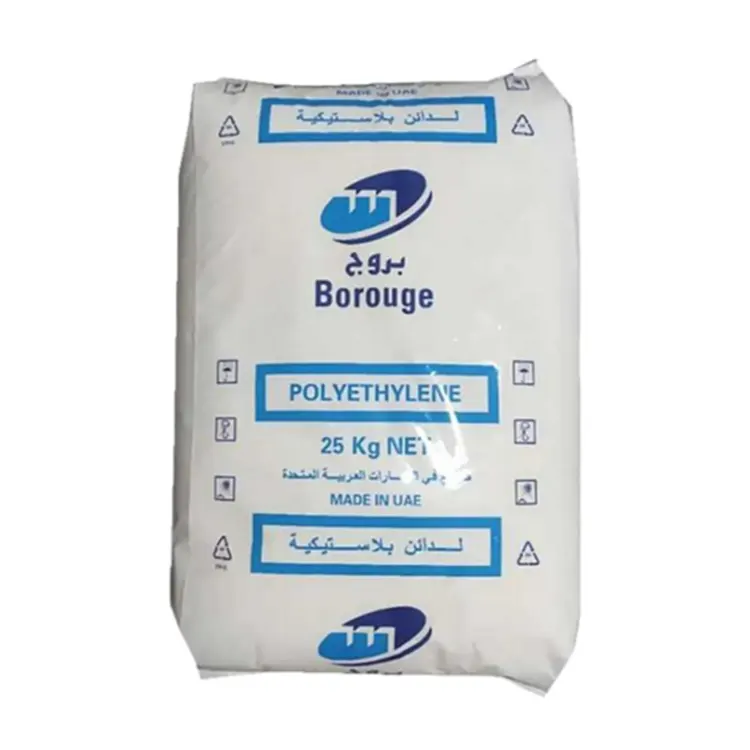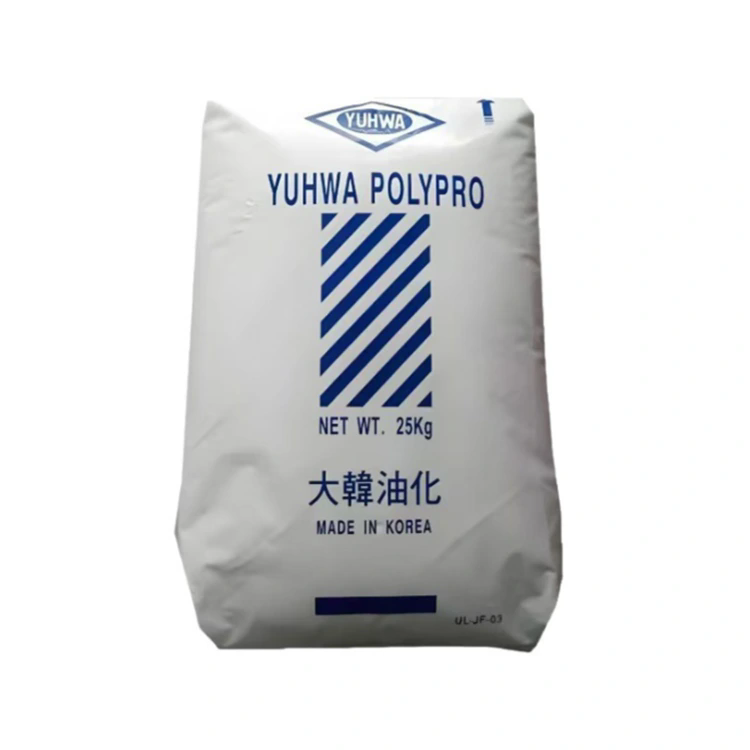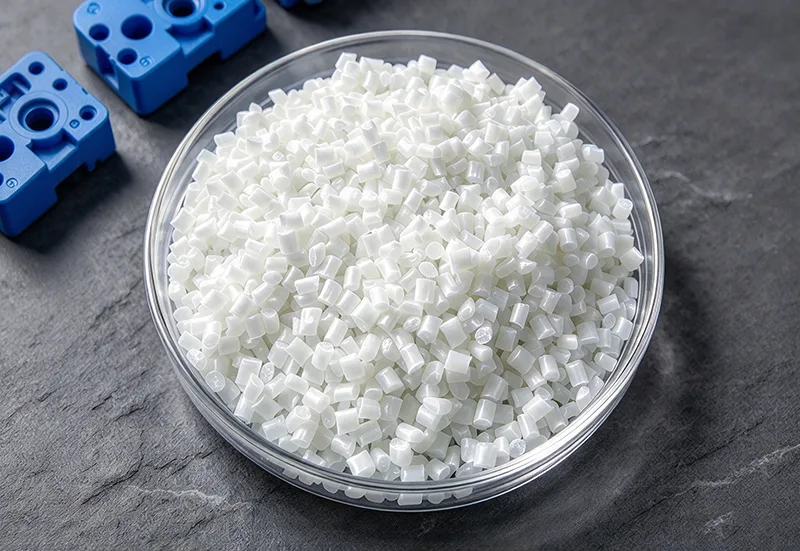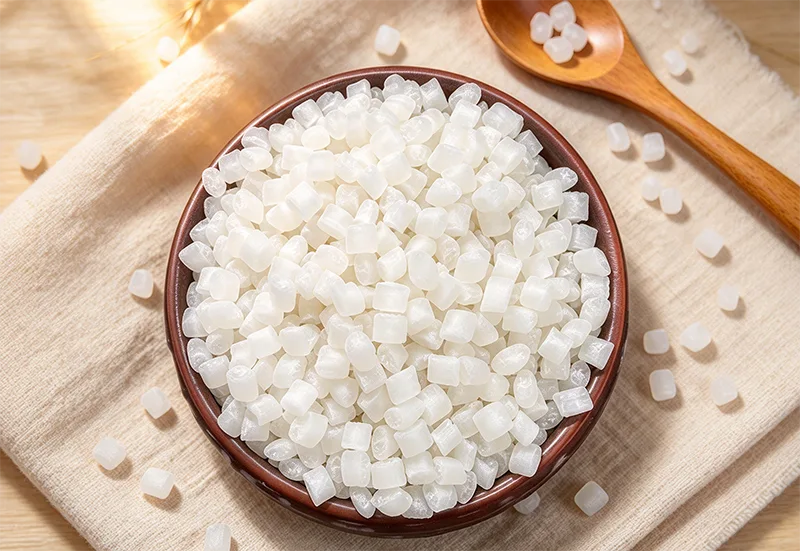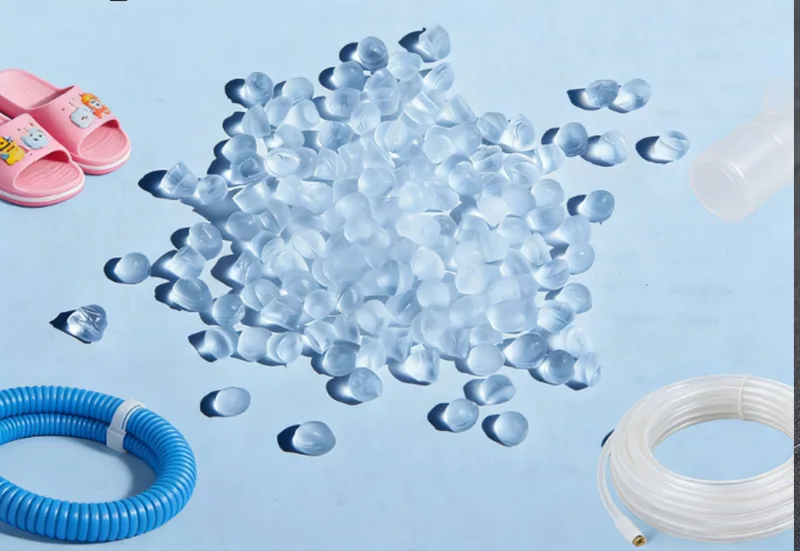
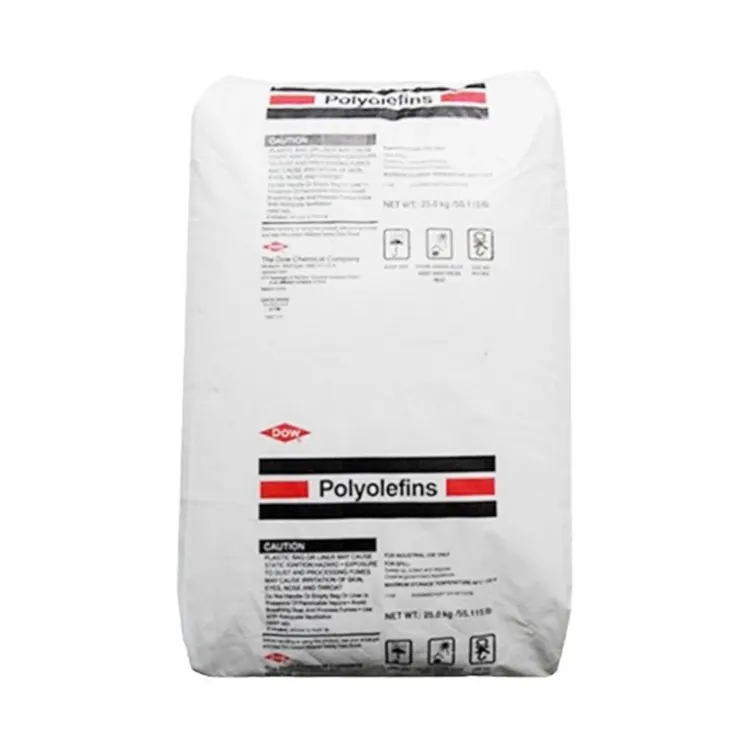
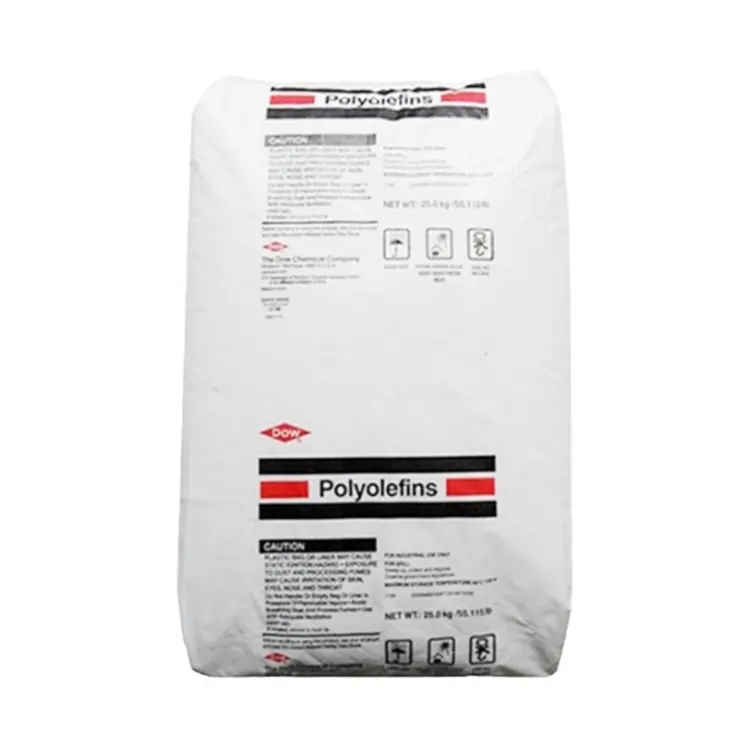
For manufacturers purchasing Linear Low-Density Polyethylene in China, Zhongwang helps coordinate resin sourcing around the requirements of the finished film rather than treating all LLDPE grades as interchangeable. A packaging converter producing thin film, for example, may prioritize a different combination of melt flow rate, tensile performance and sealing behavior from a producer making heavy-duty wrapping or agricultural film.
LLDPE is a polyethylene resin with a linear molecular backbone and short-chain branching. It is widely used in flexible-film production because its mechanical properties can be adjusted through grade selection and film formulation. However, the resin name alone does not determine finished-film performance. The selected grade, extrusion equipment, processing conditions, film thickness and any blended materials all influence the result.
The most useful starting point for LLDPE purchasing is the product being manufactured. Different film applications place different demands on the resin, so a buyer should establish the required properties before comparing supplier quotations.
| Film application | Requirements to clarify during sourcing |
|---|---|
| Stretch film | Stretch behavior, load retention, puncture resistance and target thickness |
| General packaging film | Tensile performance, tear resistance, film appearance and sealing requirements |
| Agricultural film | Required mechanical properties, film thickness and expected service conditions |
| Industrial wrapping | Resistance to handling damage, load conditions and production consistency |
| Liners and protective films | Flexibility, thickness, durability and compatibility with the intended use |
These are selection considerations, not guaranteed properties of every Linear Low-Density Polyethylene. Where the film has a defined performance specification, the proposed resin should be assessed against that specification before commercial production.
Melt flow rate and density are useful starting points when comparing candidate materials, but neither should be used as the sole basis for selection.
Melt flow rate (MFR) provides an indication of melt flow under specified test conditions. It can help buyers screen grades for a particular extrusion process, but it does not independently predict output, bubble stability or finished-film strength.
Density is another grade-specific value that helps characterize the resin. Its significance should be considered alongside tensile properties, elongation, puncture resistance and other requirements relevant to the finished film.
Mechanical properties should be checked against the actual application. Film producers may need to evaluate tensile strength, elongation, tear resistance or puncture performance, depending on how the film will be used.
Sealing behavior deserves separate attention when the resin is intended for packaging. Seal performance depends on the selected grade and the wider film structure, as well as sealing temperature, pressure and dwell time.
The figures used for purchasing should come from the technical data sheet for the exact grade under consideration. Generic LLDPE descriptions cannot replace grade-specific data.
| Item | Reference |
|---|---|
| Product name | Linear Low-Density Polyethylene (LLDPE) |
| Brand | Zhongwang |
| Material | Polyethylene resin |
| Molecular structure | Linear backbone with short-chain branching |
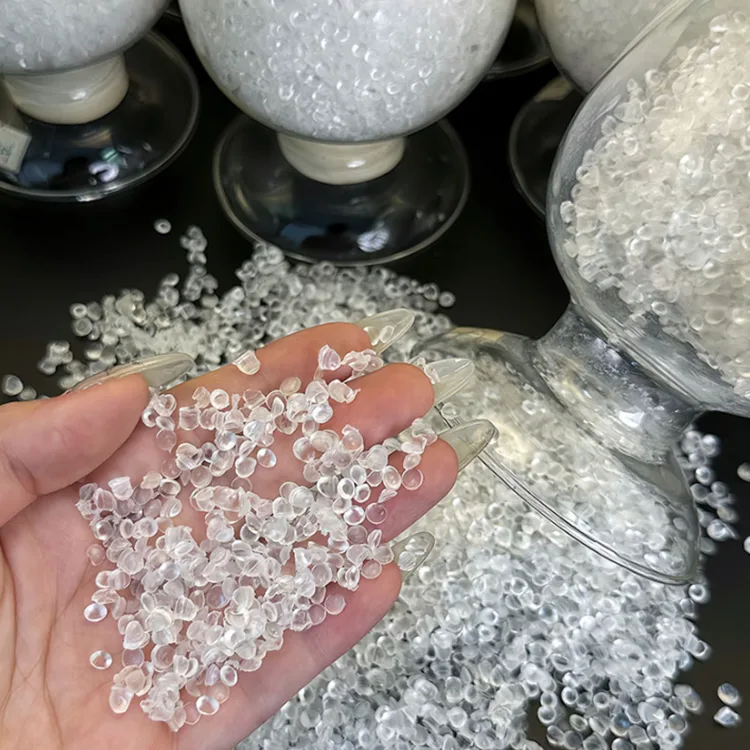
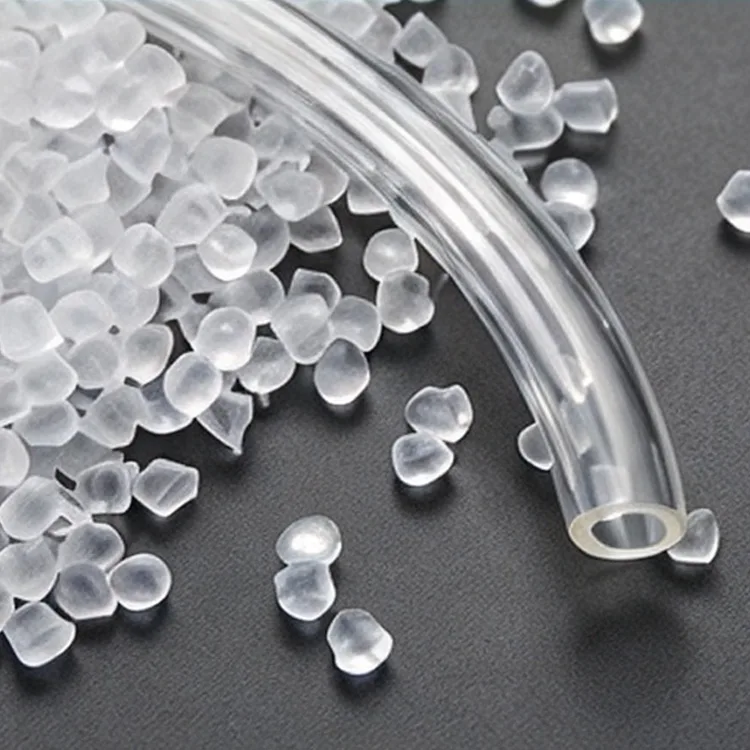
| Supply form | Pellets |
| Density | Confirm by grade |
| Melt flow rate | Confirm by grade and test conditions |
| Tensile properties | Confirm by grade and test method |
| Elongation | Confirm by grade and test method |
| Puncture and tear resistance | Grade- and application-dependent |
| Common processing | Blown-film extrusion, cast-film extrusion and other applicable extrusion processes |
| Color | Confirm by grade |
| Packaging | Confirm for the selected material and order |
| Technical documentation | TDS, COA and other applicable documents, subject to availability |
This table is a general purchasing reference, not a specification sheet for a particular grade. Numerical values should be verified against the actual product documentation.
Replacing an LLDPE grade—or switching from another polyethylene material—requires more than matching one number on a data sheet. A resin with a similar MFR may behave differently on the production line or produce film with different mechanical properties.
Before changing material, buyers should compare the existing and proposed grades using the same relevant test methods. It is also useful to record the current film thickness, extrusion conditions, output target and any problems that the replacement is expected to address.
For a blend containing LLDPE and another polyethylene, the proportion of each resin and the overall film formulation also affect the result. A proposed substitution should therefore be evaluated as part of the actual formulation and process, rather than assumed to be equivalent based on the material category alone.
LLDPE is commonly processed by blown-film extrusion and cast-film extrusion. The appropriate grade depends partly on the equipment and production requirements.
On a blown-film line, melt behavior, die conditions, cooling, draw ratio and bubble stability can influence film thickness and quality. On a cast-film line, equipment configuration and target surface and thickness characteristics may lead to different grade requirements.
Operating temperatures and other processing settings should follow the recommendations for the selected grade and be validated on the production line. There is no single processing recipe that can be applied reliably to every LLDPE resin.
Zhongwang works with buyers to coordinate LLDPE sourcing based on the intended application and material requirements. To make grade discussions more specific, include as much of the following information as is available:
• Intended film product and end use
• Blown-film, cast-film or other processing method
• Target film thickness and, where relevant, layer structure
• Required mechanical or sealing properties
• Current resin grade or technical data sheet, if replacing an existing material
• Expected order quantity and packaging requirements
The selected grade and commercial supply details should be confirmed before ordering. Available documentation may include a Technical Data Sheet (TDS), Certificate of Analysis (COA), product specification and applicable compliance documents. Availability depends on the specific material.
No single grade is suitable for every film requirement. Stretch film, agricultural film, industrial wrapping and general packaging may require different combinations of mechanical properties and processing behavior. Select the resin according to the intended film specification and confirm suitability through technical review or production testing.
MFR is useful for initial comparison, but it does not fully describe processing behavior or finished-film performance. Density, mechanical properties, equipment configuration and film requirements should also be considered.
Provide the intended application, processing method, required grade or target properties, estimated quantity and packaging requirements. If the material will replace an existing resin, sharing its technical data sheet and current processing information can help make the comparison more meaningful.
Request the technical documentation available for the specific grade and check the test methods and reported values. Where the application has critical mechanical or sealing requirements, confirm performance through appropriate testing before moving to routine production.
Address
Building 1, China Plastics International Business Center, No. 285 Shunda West Road, Yuyao City, Ningbo City, Zhejiang Province, China
Tel
If you have any enquiry about quotation or cooperation, please feel free to email us or use the following inquiry form.Our sales representative will contact you within 24 hours. Thank you for your interest in our products.