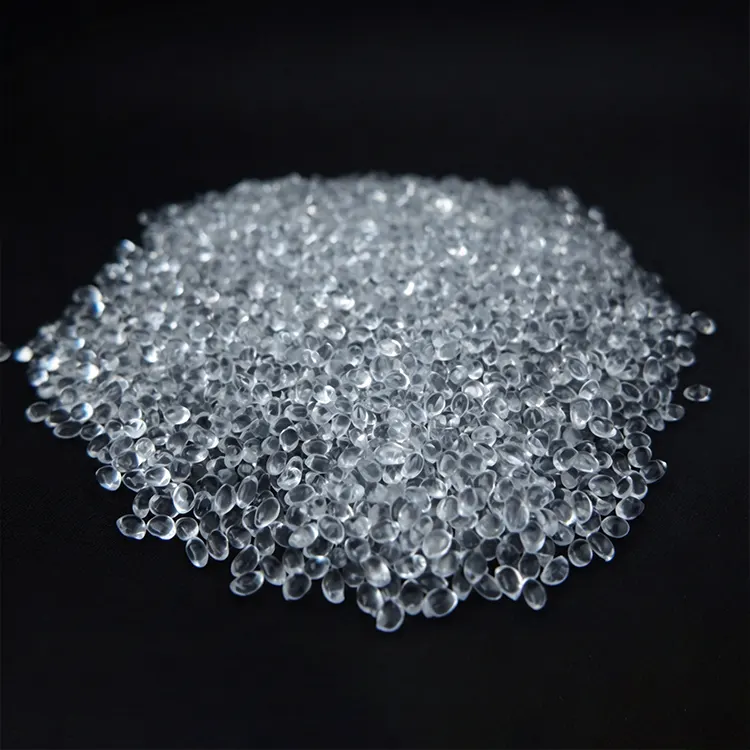
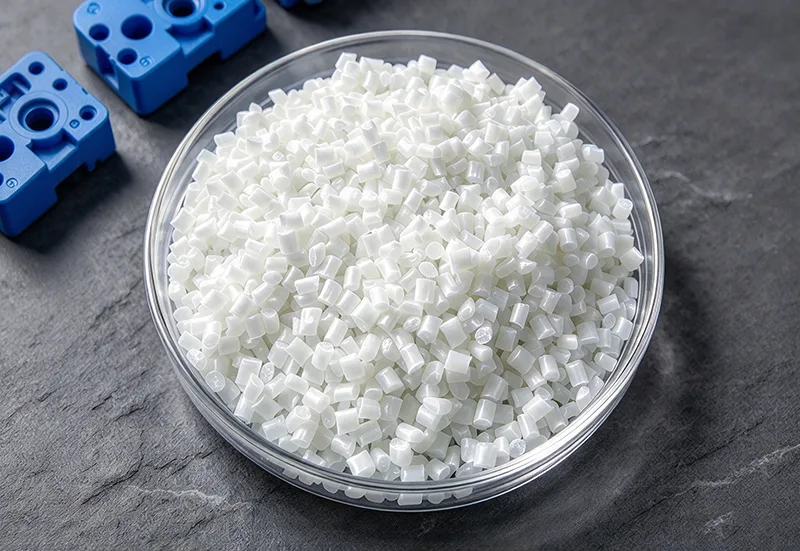
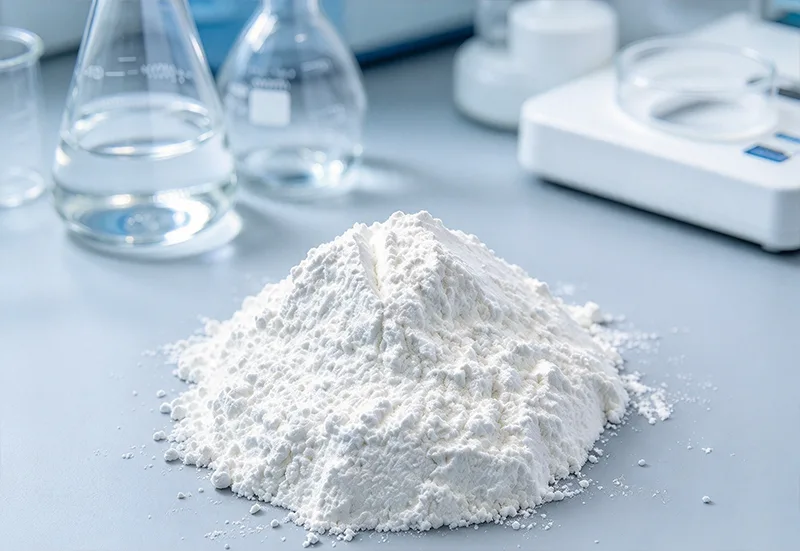
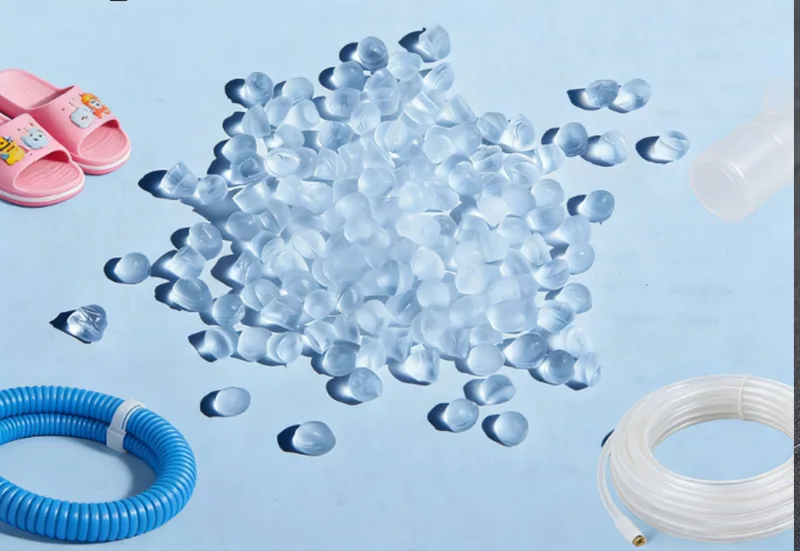
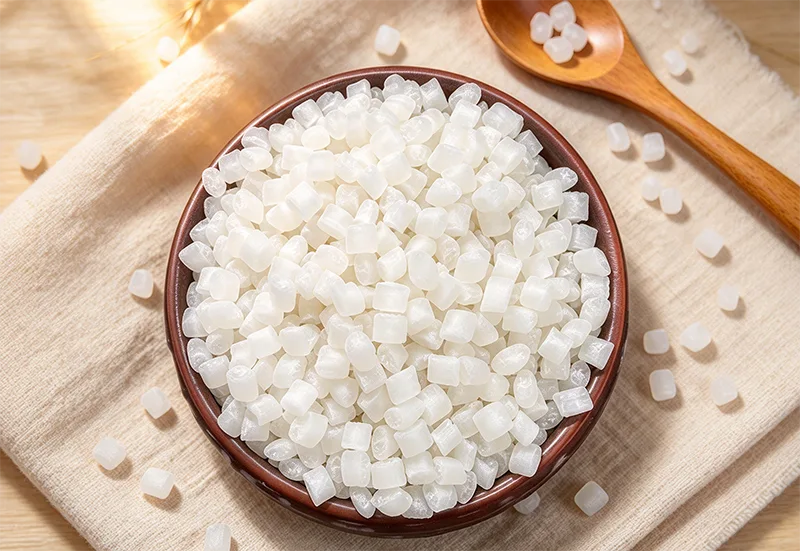
As one of the most widely produced general-purpose thermoplastics worldwide, PVC resin has long played an essential role in infrastructure construction, automotive manufacturing, packaging, and light industry. It remains a fundamental material across a broad range of industrial and consumer applications. With continuous advances in polymer modification and processing technologies, high-performance PVC grades are increasingly overcoming the limitations of conventional formulations and expanding into more specialized and demanding applications.
For Zhongwang, the continued development of PVC resin technology reflects the growing demand for materials that combine reliable performance, processing flexibility, and application-specific properties.
Key Performance Advantages of PVC Resin
One of the most distinctive characteristics of PVC resin is its inherent flame-retardant performance. Compared with many other general-purpose plastics, PVC is relatively difficult to ignite and tends to self-extinguish once the external flame source is removed. It also exhibits a lower tendency to produce flaming droplets during combustion. These characteristics make PVC a suitable material for applications where fire safety is an important consideration, including building profiles, cable insulation and sheathing, and rail transit interiors.
PVC resin also offers good resistance to a wide range of chemicals, including many acids, alkalis, vegetable oils, and selected organic solvents. Depending on the formulation and exposure conditions, modified PVC compounds can maintain their physical and chemical properties during prolonged contact with certain corrosive substances. This makes PVC a practical choice for industrial components and products requiring chemical resistance.
Flexible Processing for Diverse Product Applications
Another major advantage of PVC resin is its versatility in processing. Through the selection and adjustment of plasticizers, stabilizers, impact modifiers, and other additives, manufacturers can produce formulations with significantly different levels of hardness, flexibility, and functional performance.
Rigid PVC is characterized by its high stiffness, hardness, and dimensional stability. It also provides good resistance to wear and deformation, making it widely used in water supply pipes, window and door profiles, and industrial sheets.
Flexible PVC, by contrast, offers greater elasticity, flexibility, and elongation, making it suitable for automotive cable insulation, sealing components, and decorative films. These different material properties allow manufacturers to select appropriate PVC formulations according to specific processing requirements and end-use conditions.
PVC is also widely used in shrink film applications. Certain high-shrinkage PVC film grades can achieve transverse shrinkage rates of approximately 50%–55%, allowing the film to conform closely to irregularly shaped containers and products. This characteristic makes PVC shrink film particularly useful for bottle labels, product packaging, and other applications requiring a close-fitting finish.
Electrical Insulation and Weather Resistance
PVC resin provides reliable electrical insulation, making it suitable for various low-voltage electrical applications, including cable insulation, wire sheathing, and electrical components. Its insulating performance can be further optimized through formulation adjustments to meet different electrical and mechanical requirements.
For outdoor applications, PVC formulations can also be modified with appropriate UV stabilizers and anti-aging additives to improve resistance to prolonged sunlight exposure. These modifications help reduce the risk of cracking, discoloration, and material degradation, extending the service life of PVC products used in outdoor building materials, profiles, and decorative components.
In addition, the selection of additives is an important consideration when developing PVC formulations for regulated applications. For products intended for food-contact or medical-related uses, the suitability of the complete formulation must be evaluated against the relevant regulatory requirements, including applicable REACH provisions and product-specific safety standards.
Emerging Trends in High-Performance PVC Materials
As the plastics industry continues to move toward higher-performance and more specialized materials, PVC resin manufacturers are exploring new formulations to address increasingly demanding application requirements.
Developments in high-polymerization-degree PVC and functional PVC films are creating opportunities in areas such as new energy equipment, advanced cable systems, and specialized packaging.
For example, certain modified high-polymerization-degree PVC formulations are being developed for applications requiring improved flexibility and mechanical performance, including components used in new energy vehicle charging cables. Meanwhile, high-transparency, UV-resistant PVC films combine optical properties with flame-retardant and weather-resistant characteristics, offering potential alternatives to conventional materials in selected lighting and decorative applications.
These developments highlight the growing importance of formulation engineering in expanding the application range of PVC resin. Rather than relying solely on traditional material properties, manufacturers are increasingly focusing on customized performance solutions tailored to specific industrial requirements.
Zhongwang: Supporting Diverse PVC Material Requirements
As application requirements become more specialized, material selection is increasingly influenced by factors such as processing compatibility, mechanical performance, chemical resistance, and long-term stability.
Zhongwang recognizes the importance of matching PVC resin grades with different manufacturing processes and end-use applications. By focusing on material selection and product suitability, Zhongwang aims to support customers across the construction, electrical, automotive, packaging, and general manufacturing sectors.
With its combination of processing versatility, inherent flame-retardant properties, electrical insulation, and broad formulation potential, PVC resin is expected to remain an important material in the global plastics industry. Continued innovation in high-performance PVC grades will further expand its role in both established industries and emerging application markets.
We use cookies to offer you a better browsing experience, analyze site traffic and personalize content. By using this site, you agree to our use of cookies. Privacy Policy