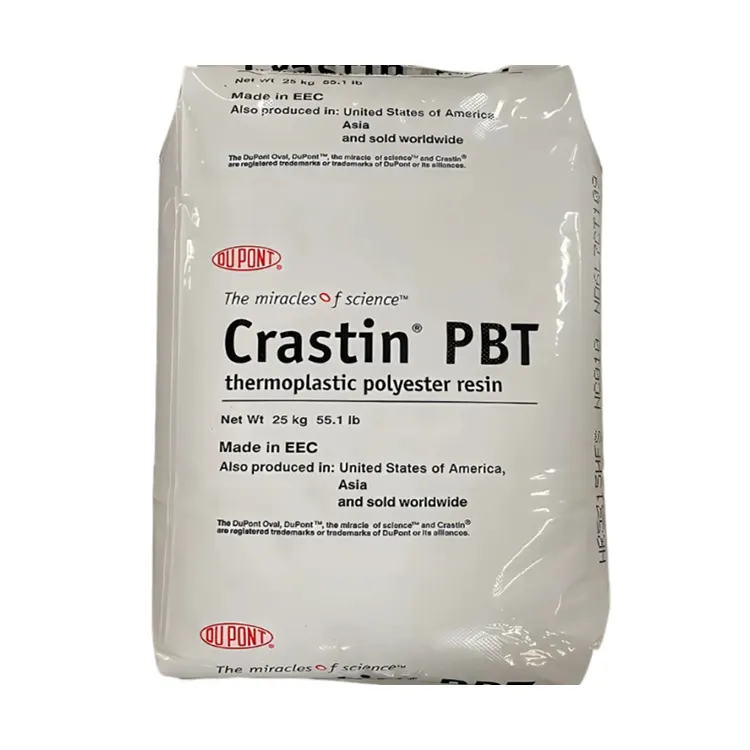
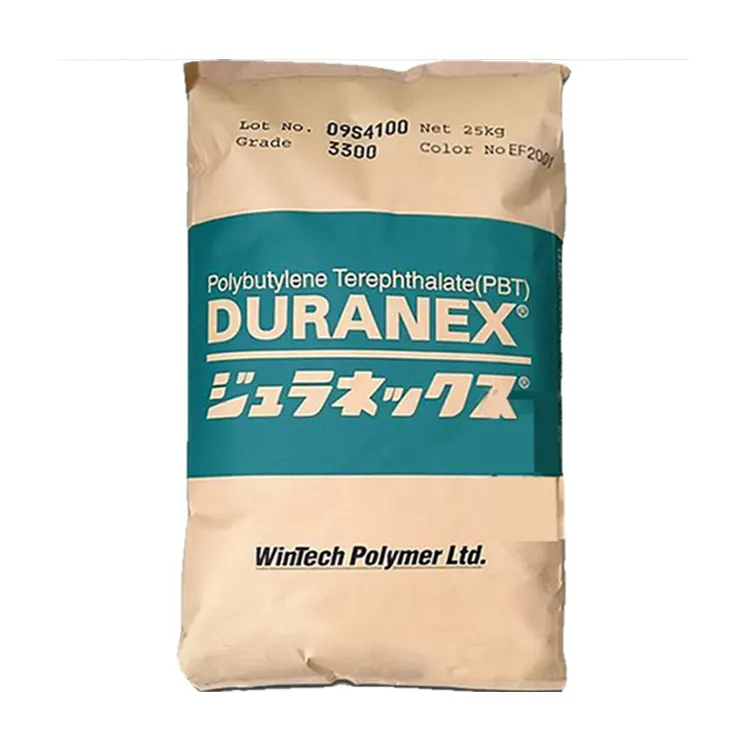
Evaluating High-Temperature PBT for automotive or electrical components requires a clear understanding of the operating temperature and the expected mechanical load, and Zhongwang supports bulk resin purchasers in reviewing those application requirements.
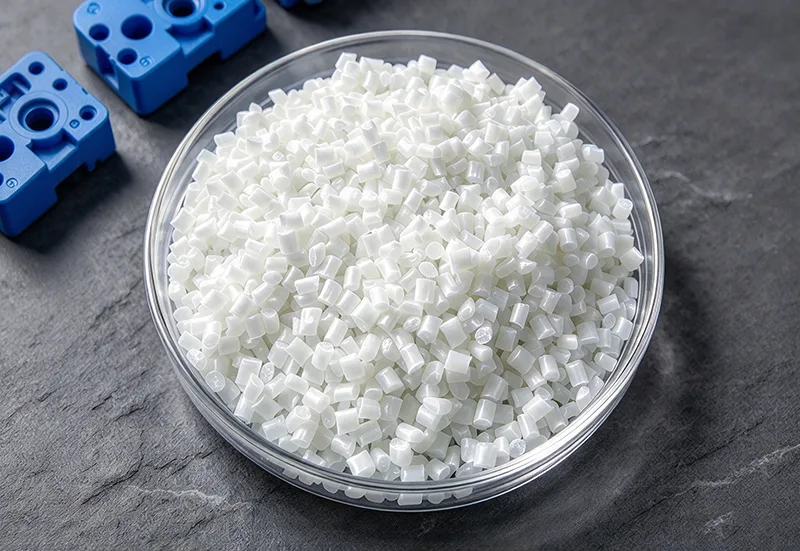
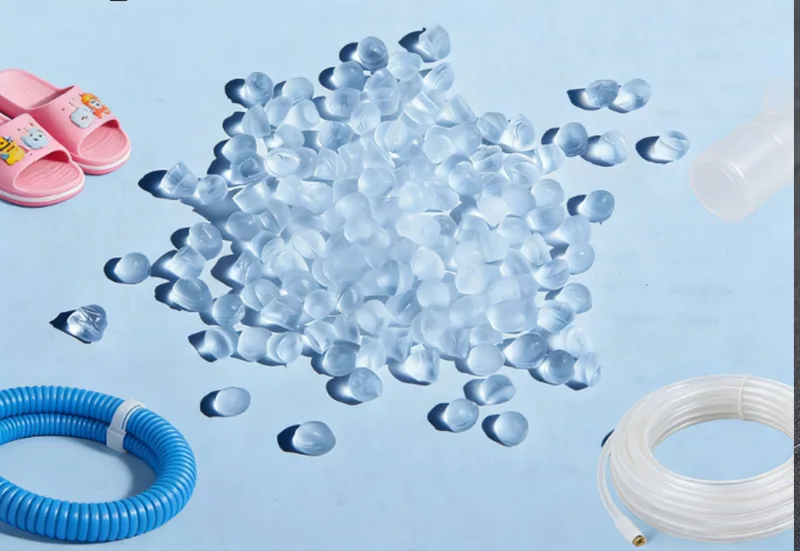
Polybutylene terephthalate is a semi-crystalline engineering thermoplastic used in molded parts requiring a combination of rigidity, dimensional performance, and thermoplastic processability.
High-temperature formulations are developed for applications where elevated heat may affect the mechanical or dimensional behavior of a conventional grade.
Depending on the formulation, modifications and reinforcement may improve certain thermal or mechanical characteristics.
The actual temperature capability must be evaluated using the specified grade and conditions. Short-term heat exposure, continuous operation, and thermal cycling impose different demands on a finished component.
A component operating for extended periods at an elevated temperature needs suitable retention of its required properties throughout service.
Material selection should consider the operating temperature, applied stress, exposure duration, and surrounding environment.
A short-term heat-deflection result does not independently establish long-term service suitability.
Components near electrical assemblies, automotive equipment, or heated machinery may experience brief temperature excursions.
The material's response depends on peak temperature, exposure time, and the mechanical stress present during the event.
Short-duration testing can be relevant, but it must correspond to the finished component's actual duty cycle.
Thermal cycling produces expansion and contraction. In assembled components, these changes can affect dimensional fit, fastening points, and contact with neighboring materials.
Repeated cycling should therefore be evaluated when a precision housing, connector, or sensor component operates in a changing thermal environment.
A material that provides adequate stiffness at room temperature may exhibit different behavior when heated.
For structural molded components, tensile and flexural data measured at the relevant temperature may be more useful than room-temperature properties alone.
Components exposed to sustained stress may also require evaluation of deformation or creep during service.
Reinforcement can improve stiffness in selected formulations, but it also affects molding shrinkage, fiber orientation, and other dimensional characteristics.
Buyers should define the mechanical function of the finished part before selecting a material based only on heat resistance.
Sensor housings may be exposed to changing temperature conditions while maintaining critical mounting or assembly dimensions.
Material selection should consider thermal exposure, component geometry, mechanical loading, and compatibility with nearby materials.
Electrical components can require dimensional consistency around contact positions, locking features, and assembly interfaces.
Relevant electrical, mechanical, flammability, and temperature requirements should be evaluated for the specific application.
Molded bobbins and related components may encounter heat generated by electrical equipment.
Their suitability depends on insulation requirements, dimensional stability, operating temperature, and component design.
| Item | Reference Specification |
|---|---|
| Product Name | High-Temperature PBT |
| Brand | Zhongwang |
| Polymer | Polybutylene Terephthalate (PBT) |
| Material Structure | Semi-Crystalline Engineering Thermoplastic |
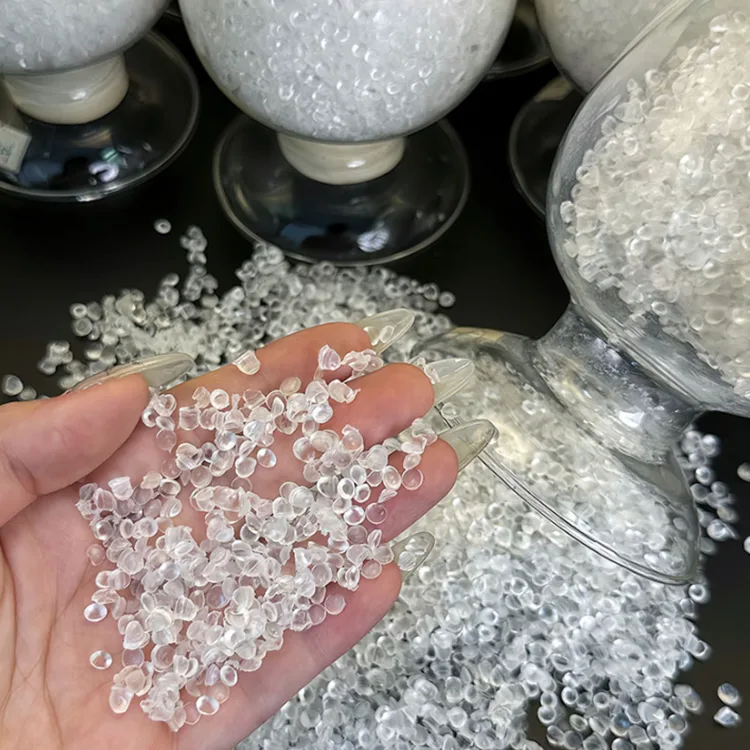
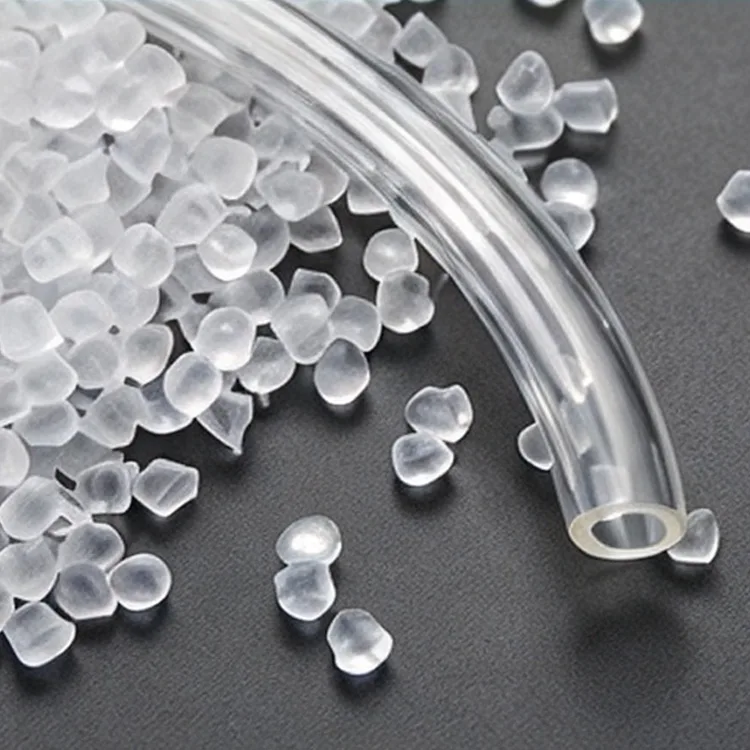
| Material Form | Pellets |
| Thermal Performance | Grade-dependent |
| Long-Term Service Temperature | Grade- and application-dependent |
| Heat Deflection Temperature | Grade-dependent |
| Melt Flow | Grade-dependent |
| Density | Grade-dependent |
| Tensile Strength | Grade-dependent |
| Flexural Modulus | Grade-dependent |
| Impact Strength | Grade-dependent |
| Molding Shrinkage | Grade-dependent |
| Reinforcement | Grade-dependent |
| Processing Method | Injection Molding and Applicable Thermoplastic Processing |
| Color | Natural or Grade-Dependent Colors |
| Packaging | Standard Resin Packaging |
| Available Documents | TDS, COA and Applicable Grade Documentation |
The supplied reference does not establish a universal continuous-service temperature or heat-deflection value. These must be verified for the selected formulation and relevant test conditions.
PBT is a polyester resin that can be affected by moisture during melt processing.
Inadequate drying may promote hydrolytic degradation, changing molecular weight and potentially affecting mechanical performance.
Drying conditions and allowable moisture levels should follow the selected grade's technical instructions.
PBT's semi-crystalline structure means that cooling and crystallization can influence shrinkage and the dimensional behavior of molded parts.
For precision components, mold temperature and cooling conditions should be controlled consistently.
Changes in the molding cycle may alter component dimensions even when the resin grade remains unchanged.
Uneven wall thickness, restricted cooling, and inappropriate gate placement can contribute to internal stress or dimensional variation.
Trial production should evaluate the actual molded component against its mechanical and dimensional requirements.
Technical qualification should reflect the expected service environment rather than rely on a single datasheet property.
Depending on the application, evaluation may include dimensional change after thermal conditioning, mechanical properties at elevated temperature, thermal cycling, and deformation under sustained loading.
Where the component contacts chemicals or other materials, compatibility should also be considered.
Material grades should be compared under consistent conditions so that differences in processing do not obscure differences in resin performance.
Zhejiang Zhongwang International Trade Co., Ltd. coordinates engineering resin sourcing from Yuyao China Plastics City, supported by established supplier relationships and regional logistics resources.
For High-Temperature PBT purchasing, buyers should provide the continuous and peak temperatures, loading conditions, operating duration, required dimensional tolerances, processing method, and any reinforcement requirements.
The selected grade should be reviewed against its TDS and COA, with finished-part thermal and dimensional testing where applicable.
No. The usable temperature depends on the grade, duration, mechanical load, component geometry, and environment. A short-term thermal rating should not be treated as a universal continuous-service limit.
Heat deflection temperature is measured under specified laboratory conditions and load. Continuous service suitability considers how the material performs over a much longer period under relevant operating conditions.
Suitable grades can be evaluated for sensor housings when their thermal, mechanical, dimensional, and chemical-resistance requirements are satisfied.
Moisture can contribute to hydrolytic degradation during melt processing and may reduce material performance. Grade-specific drying instructions should be followed.
Important factors include dimensional change, shrinkage, mechanical retention, assembly fit, and the response of the finished component to repeated heating and cooling.
Address
Building 1, China Plastics International Business Center, No. 285 Shunda West Road, Yuyao City, Ningbo City, Zhejiang Province, China
Tel
If you have any enquiry about quotation or cooperation, please feel free to email us or use the following inquiry form.Our sales representative will contact you within 24 hours. Thank you for your interest in our products.