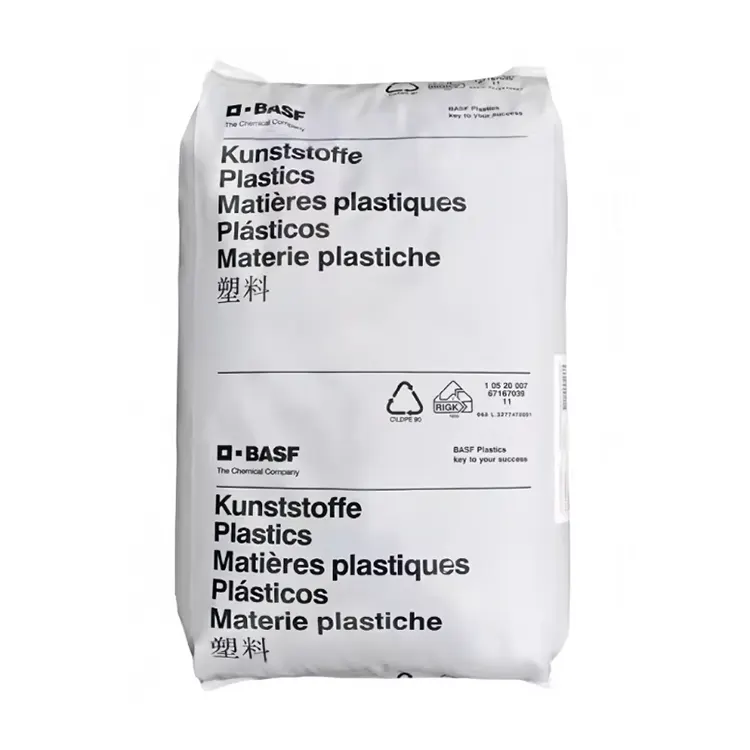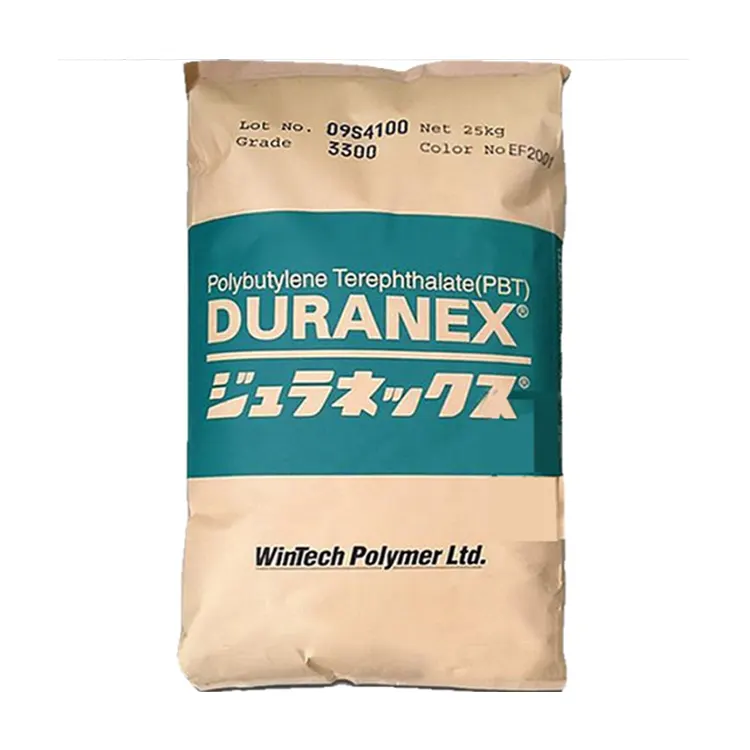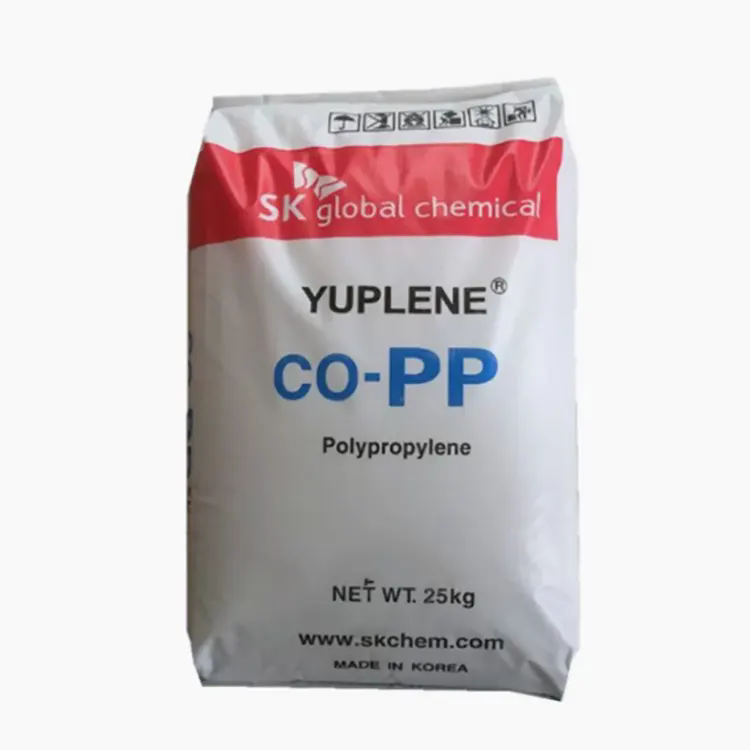
Consistent output matters as much as individual test values when purchasing General-Grade PBT for established injection molding operations, and Zhongwang coordinates resin grade comparisons around those production requirements.
Polybutylene terephthalate is a semi-crystalline polyester engineering thermoplastic. Its relatively rapid crystallization makes it relevant to injection-molded components that require predictable solidification and controlled production cycles.
The material is used in electrical, electronic, appliance and mechanical applications where a combination of rigidity, dimensional behavior, electrical insulation and chemical resistance is required.
Different grades vary in melt flow, toughness, crystallization behavior and other properties. The correct choice depends on the finished component and the manufacturing process.
For routine production, a resin that fills the mold consistently and produces acceptable dimensions may be more valuable than a specialized grade whose additional properties are unnecessary for the application.
A laboratory test specimen may meet the required strength specification while actual molded components experience variation in appearance, dimensions or assembly fit.
Resin selection should therefore account for manufacturing repeatability as well as material properties.
Melt flow influences how the resin travels through runners, gates and the mold cavity.
A grade with unsuitable flow behavior may cause incomplete filling or make consistent production difficult, especially in thin-wall or multi-cavity parts.
Buyers should compare the resin's flow characteristics with the part's geometry and the available injection molding equipment.
General-Grade PBT crystallizes during cooling, influencing how the molded part solidifies and develops its final dimensions.
Cooling time must be sufficient to permit stable ejection and acceptable dimensional consistency.
The appropriate cycle depends on wall thickness, mold design, cooling efficiency and material grade.
Repeat orders should be tied to a defined grade specification rather than the generic polymer name.
Differences in melt behavior or processing characteristics between batches may require adjustments to an established production line.
Material identification, incoming inspection and COA review can support repeatable manufacturing.
Suitable PBT grades are used for insulating components, connectors and switch housings.
Relevant properties include dielectric performance, dimensional accuracy, mechanical behavior and any specific flammability requirements.
General-purpose material should not automatically be assumed to meet specialized electrical safety classifications.
Appliance manufacturers may require a balance of structural rigidity, acceptable surface finish and efficient molding.
The selected grade should match fastening details, wall thickness, operating temperature and any contact with cleaning agents or other chemicals.
Automotive electrical and mechanical components may use PBT where the selected material meets the necessary temperature, mechanical and environmental conditions.
Higher-temperature, reinforced or other specialized grades should be evaluated where conventional performance is insufficient.
Mechanical supports and housings can require dimensional stability, chemical compatibility and appropriate stiffness.
Load levels, assembly geometry and the expected service period should be considered before selecting the resin.
| Item | Reference Specification |
|---|---|
| Product Name | General-Grade PBT |
| Brand | Zhongwang |
| Polymer | Polybutylene Terephthalate (PBT) |
| Material Structure | Semi-Crystalline Engineering Thermoplastic |
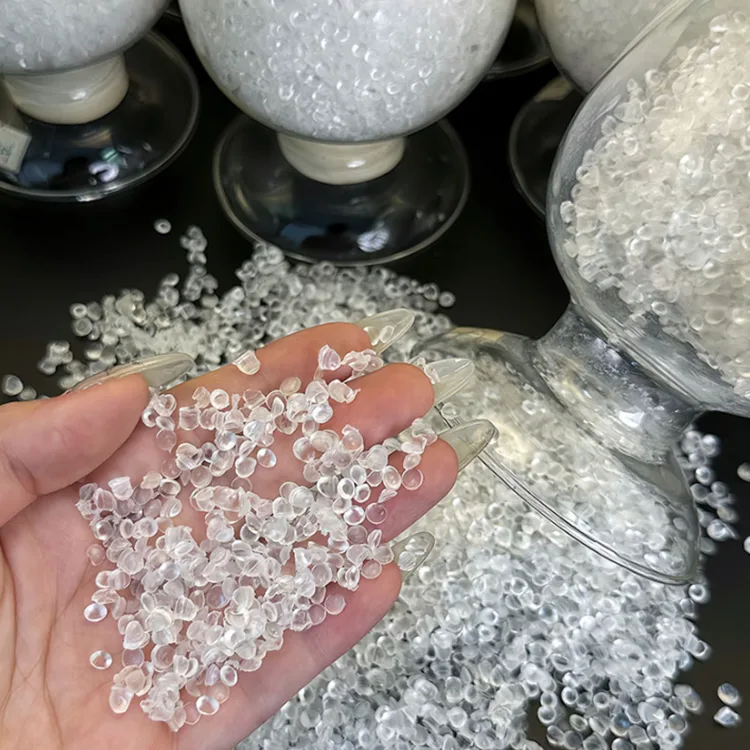
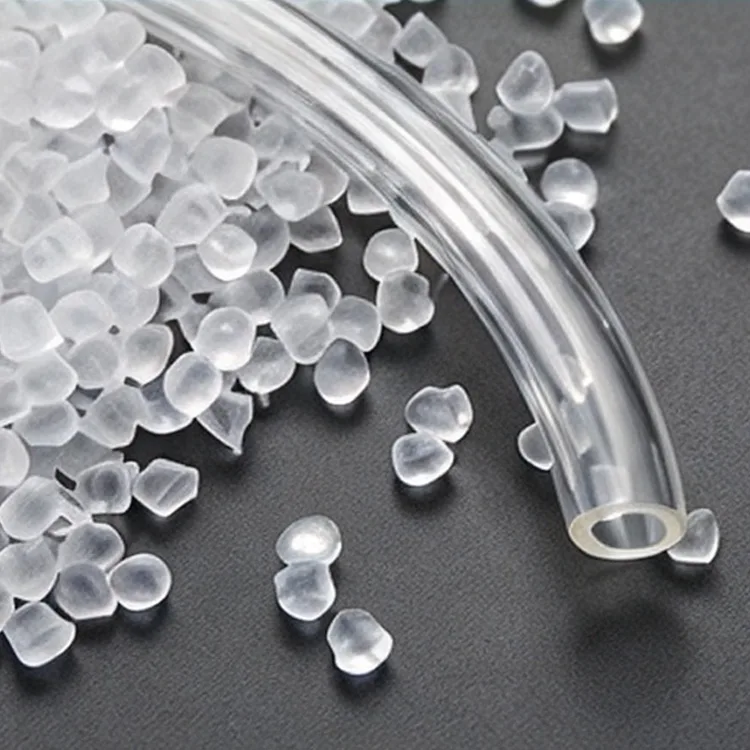
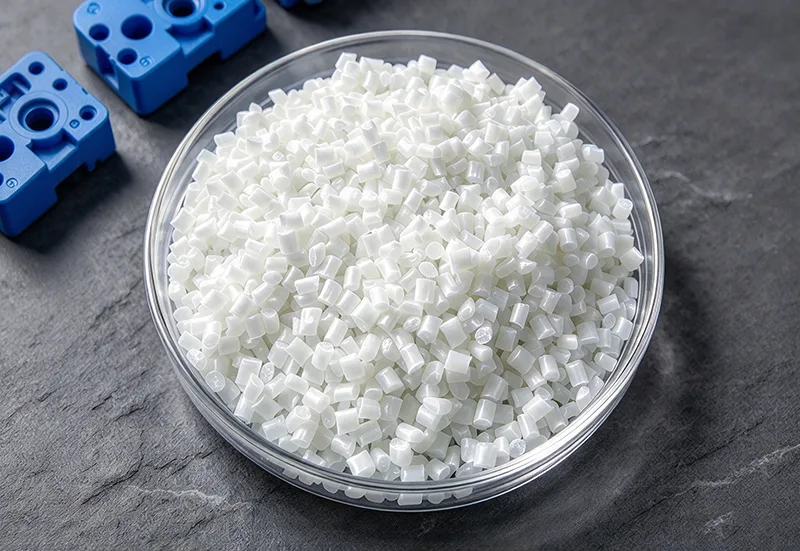
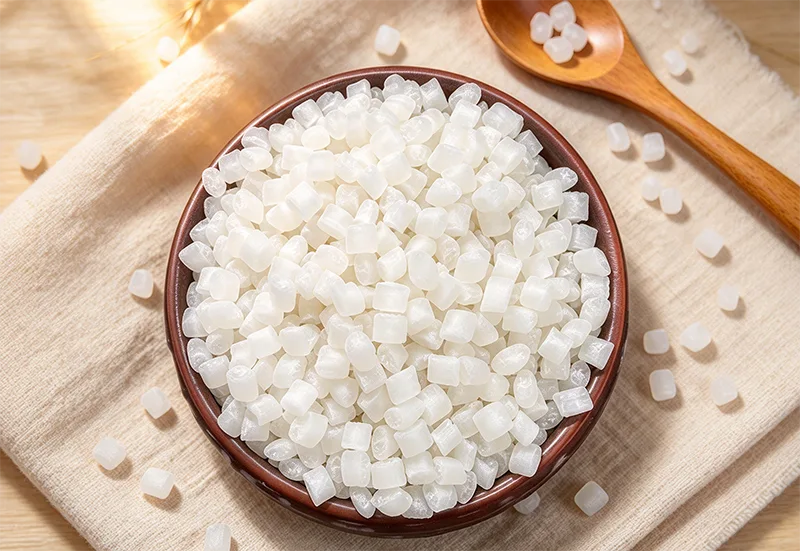
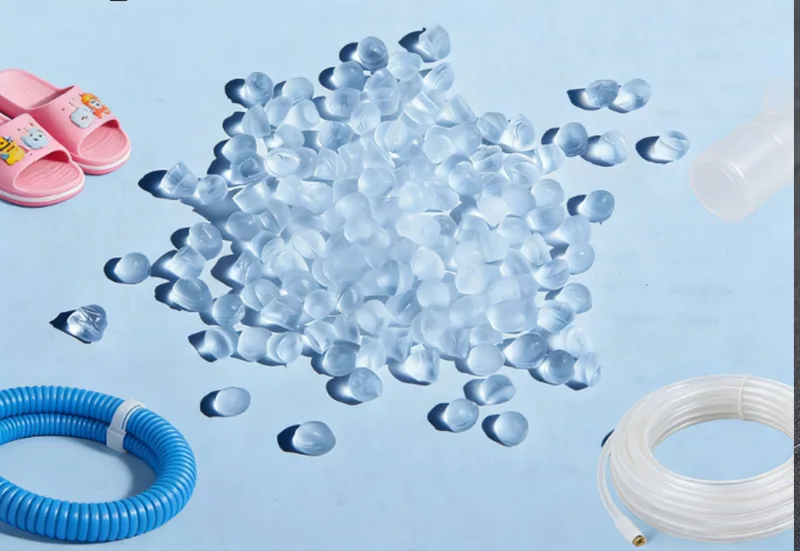
| Physical Form | Pellets |
| Primary Processing Method | Injection Molding |
| Melt Flow Rate | Grade-dependent |
| Density | Grade-dependent |
| Tensile Strength | Grade-dependent |
| Flexural Modulus | Grade-dependent |
| Impact Strength | Grade-dependent |
| Thermal Performance | Grade-dependent |
| Electrical Properties | Grade-dependent |
| Molding Shrinkage | Grade- and processing-dependent |
| Color | Natural or Grade-Dependent Color |
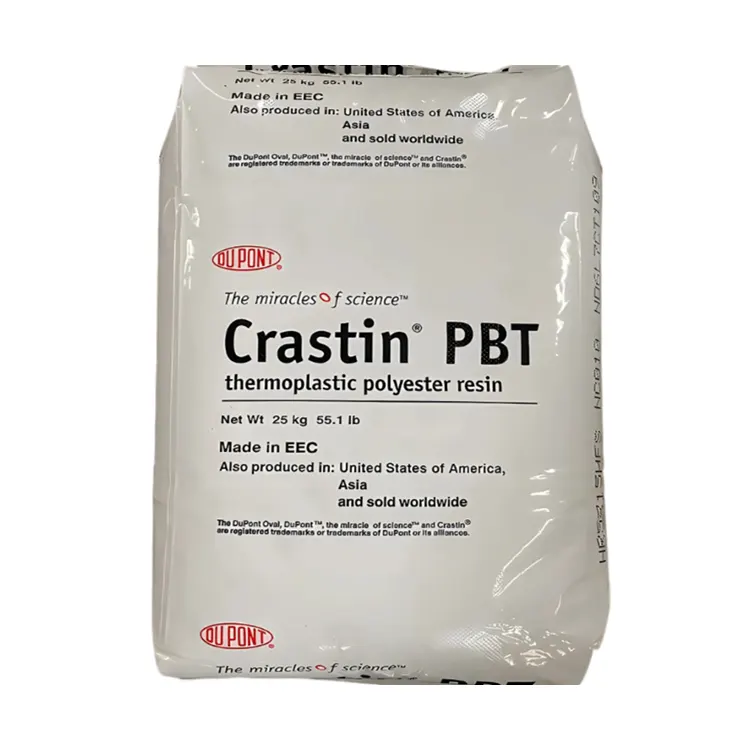
| Packaging | Standard Resin Packaging |
| Available Documents | TDS, COA and Applicable Product Documentation |
PBT can undergo hydrolytic degradation when excessive moisture is present during melt processing.
Pellets should be stored and dried according to the selected grade's specifications before entering the injection molding machine.
Melt temperature and injection speed influence cavity filling, material degradation risk and surface appearance.
The appropriate settings depend on resin flow behavior, equipment design and part geometry.
Mold temperature affects crystallization and dimensional behavior. Inconsistent cooling may contribute to shrinkage variation or part distortion.
Process settings should be standardized once trial molding establishes acceptable finished-part performance.
Critical dimensions should be measured after suitable conditioning, particularly where the components must fit into precision assemblies.
Inspection results can help distinguish molding-process problems from material-grade differences.
Standard engineering applications do not always require specialized reinforcement or modification. However, more demanding requirements may justify a different material category.
Glass-fiber-reinforced grades can be evaluated for increased stiffness and deformation resistance. Flame-retardant formulations may be required for specified electrical safety applications.
High-temperature grades may be considered when the operating environment requires greater thermal performance.
These alternatives should be selected according to actual component requirements rather than assuming a modified grade will improve every property.
Zhejiang Zhongwang International Trade Co., Ltd. sources engineering plastic materials through its operations in Yuyao China Plastics City.
For General-Grade PBT orders, purchasers should provide the required grade or existing material specification, molding method, component type, dimensional requirements, operating temperature and expected purchasing volume.
Material data sheets, certificates of analysis and production trial results can be used to evaluate grade consistency before repeat orders.
It provides a useful combination of engineering properties and semi-crystalline processing behavior for suitable molded components. The relevant advantage depends on the selected grade and production requirements.
Yes. Crystallization and cooling influence when a molded part can be ejected without unacceptable deformation. The actual cycle depends on material grade, wall thickness and mold conditions.
Suitable grades can be used for electrical and electronic parts. Required insulation, mechanical, thermal and flammability properties must be confirmed for the intended application.
Compare the exact grades using consistent technical data, processing conditions and finished-part trials. Melt behavior, shrinkage, mechanical properties and documentation are particularly relevant.
Reinforced grades may be appropriate where greater stiffness or deformation resistance is required. The benefits must be weighed against changes in shrinkage, impact behavior, surface finish and processing.
Address
Building 1, China Plastics International Business Center, No. 285 Shunda West Road, Yuyao City, Ningbo City, Zhejiang Province, China
Tel
If you have any enquiry about quotation or cooperation, please feel free to email us or use the following inquiry form.Our sales representative will contact you within 24 hours. Thank you for your interest in our products.