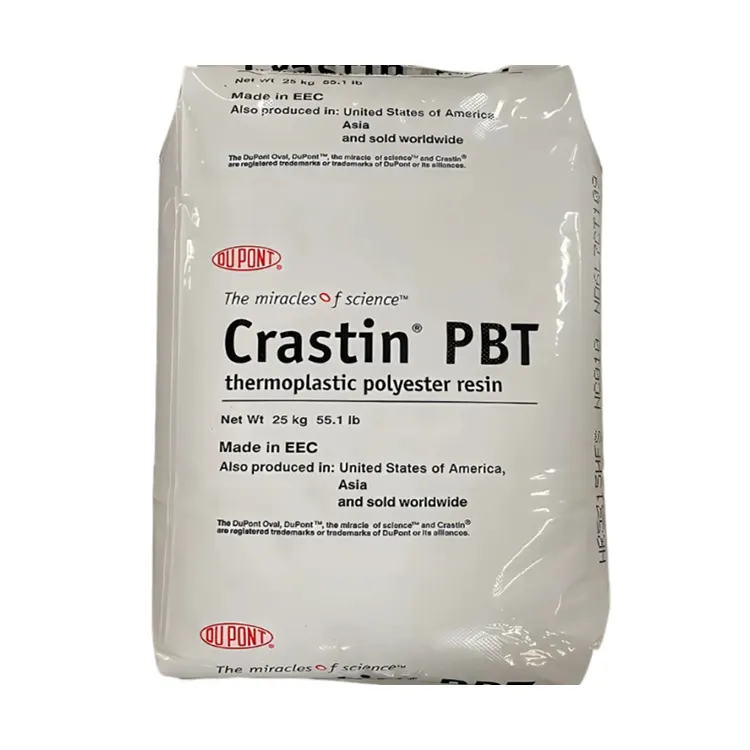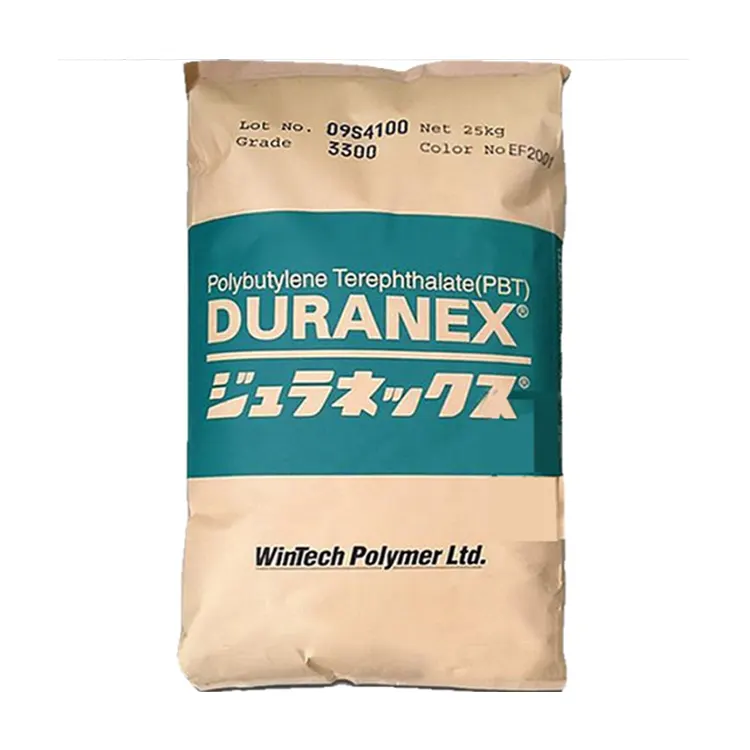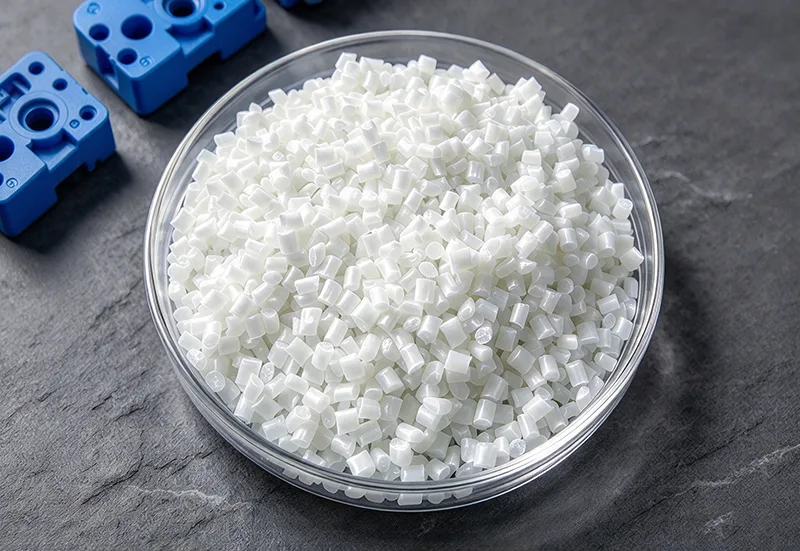
When sourcing Glass-Fiber-Reinforced PBT for tight-tolerance molded parts, Zhongwang helps buyers evaluate the relationship between glass fiber reinforcement, flow direction and finished-component dimensions.
Polybutylene terephthalate is a semi-crystalline engineering thermoplastic. Incorporating glass fibers into the PBT matrix increases stiffness and can reduce deformation under suitable loading conditions compared with an unreinforced formulation.
However, reinforcement introduces an important manufacturing consideration: fibers do not distribute and orient identically in every direction of a molded component.
During injection molding, many fibers align with the direction of melt flow. This alignment can affect tensile and flexural properties as well as shrinkage during cooling.
Consequently, two parts molded from the same resin grade may exhibit different dimensional behavior if the gate position, wall thickness or flow path is changed.
For precision applications, the material must be evaluated together with the mold rather than selected only from a mechanical property table.
Glass fiber reinforcement generally reduces molding shrinkage compared with unfilled PBT, but the reduction may differ between the direction of melt flow and the transverse direction.
This directional behavior is known as anisotropy. It can influence flatness, hole position, wall alignment and the fit between assembled components.
Gate location determines how molten material enters the cavity and how fibers are distributed during filling.
For a rectangular housing, a long flow path may produce different fiber alignment from a mold using multiple gates.
These differences may affect warpage and local strength. Gate selection should therefore consider both filling efficiency and the component's critical dimensions.
Thick and thin regions cool at different rates. Combined with fiber orientation and PBT crystallization, this can create unequal shrinkage across the part.
Components containing ribs, bosses and mounting points require particular attention to transition geometry and cooling.
Increasing reinforcement can improve stiffness and reduce shrinkage in some directions, but it does not automatically eliminate warpage.
Higher fiber levels may also influence flow behavior, impact properties and surface appearance.
The best reinforcement level should be determined according to the finished part's dimensional and mechanical requirements.
Connector components often contain cavities, locating features and locking structures that must maintain consistent positions.
A reinforced PBT grade may provide the rigidity required for assembly, while the mold design must control shrinkage around critical dimensions.
Electrical and flammability requirements should be checked separately where applicable.
Structural brackets can experience sustained mechanical loading and temperature changes.
Relevant properties include stiffness, resistance to deformation, fatigue behavior and dimensional stability.
Fiber orientation should be considered relative to the expected direction of loading.
Sensor housings and industrial enclosures may require accurate positioning of mounting holes, internal supports and connector interfaces.
Reinforced resin can be useful where rigidity is needed, but dimensional stability must be verified after production and environmental conditioning.
Supports, mechanical housings and internal appliance parts may be exposed to fastening forces, vibration and elevated temperatures.
Grade selection should account for the actual component geometry and expected service conditions.
| Item | Reference Specification |
|---|---|
| Product Name | Glass-Fiber-Reinforced PBT |
| Brand | Zhongwang |
| Matrix Material | Polybutylene Terephthalate (PBT) |
| Reinforcement | Glass Fiber |
| Material Type | Semi-Crystalline Engineering Thermoplastic |
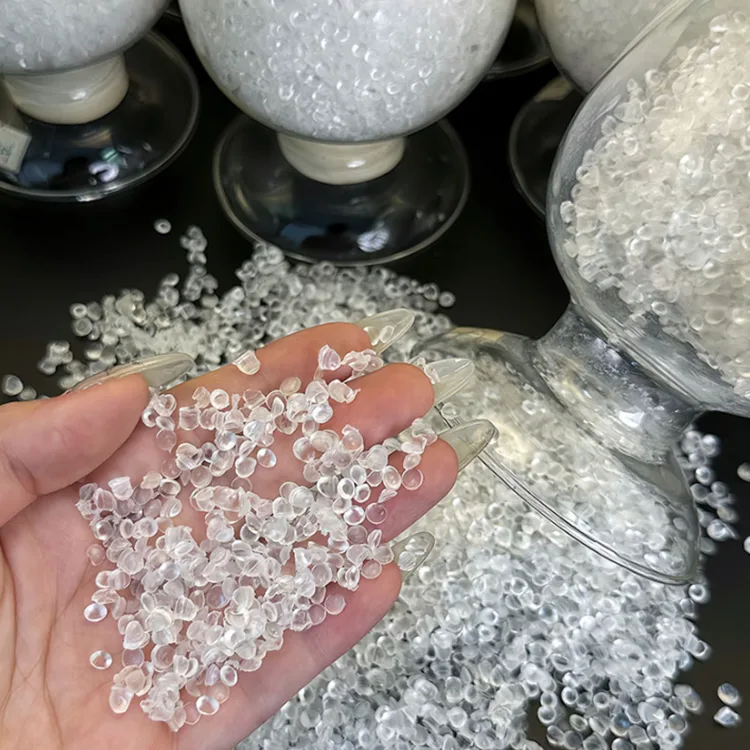
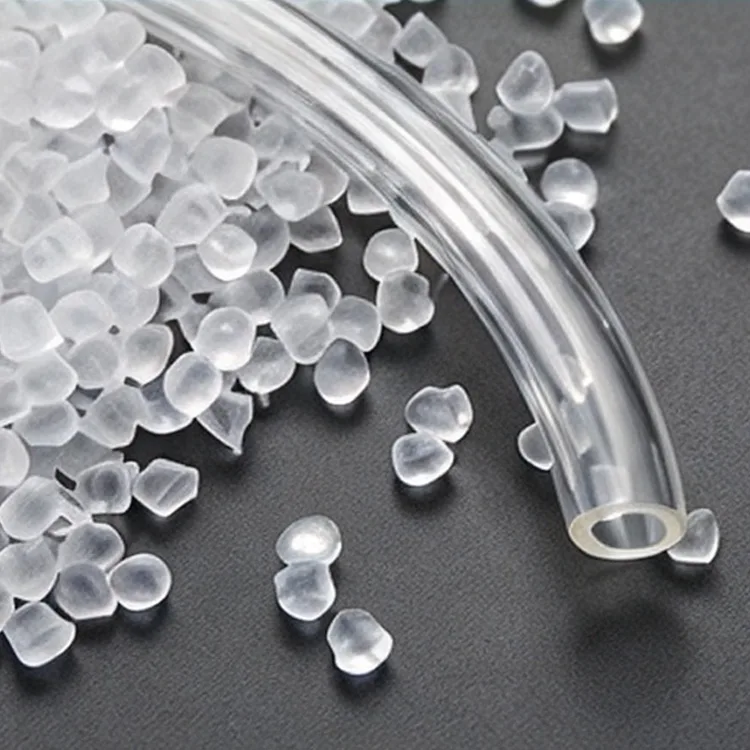
| Physical Form | Pellets |
| Glass Fiber Content | Grade-dependent |
| Melt Flow Rate | Grade-dependent |
| Density | Grade-dependent |
| Tensile Strength | Grade- and orientation-dependent |
| Flexural Modulus | Grade-dependent |
| Impact Strength | Grade-dependent |
| Heat Resistance | Grade-dependent |
| Dimensional Stability | Grade-, geometry- and orientation-dependent |
| Molding Shrinkage | Grade- and processing-dependent |
| Electrical Properties | Grade-dependent |
| Processing | Injection Molding and Applicable Thermoplastic Processing |
| Appearance | Natural or Grade-Dependent Color |
| Packaging | Standard Resin Packaging |
| Documentation | TDS, COA and Applicable Product Documentation |
PBT can undergo hydrolytic degradation when excessive moisture is present during melt processing.
Resin preparation should therefore follow the specific grade's drying and allowable moisture requirements.
Processing conditions affect material flow and the distribution of reinforcement.
Excessive mechanical shear can change fiber length and potentially alter the intended reinforcement behavior.
Machine settings should be established according to the compound and equipment configuration.
As a semi-crystalline polymer, PBT develops part of its final structure during cooling.
Mold temperature and cooling conditions influence crystallization, shrinkage and dimensional repeatability.
For high-tolerance parts, dimensional measurements should be performed after appropriate conditioning rather than only immediately after ejection.
| Property | Typical Effect of Glass Fiber Reinforcement | Design Consideration |
|---|---|---|
| Rigidity | Generally increases | Useful for load-bearing components |
| Deformation Resistance | Can improve | Depends on temperature and loading |
| Shrinkage | Often decreases overall | Can become direction-dependent |
| Impact Behavior | May change | Requires grade-specific testing |
| Surface Finish | Fiber texture may appear | Mold and processing conditions matter |
| Material Density | Generally increases with glass fiber content | Relevant to weight-sensitive designs |
Zhejiang Zhongwang International Trade Co., Ltd. coordinates engineering resin procurement from Yuyao China Plastics City, supported by regional plastics sourcing and logistics resources.
For Glass-Fiber-Reinforced PBT inquiries, purchasers should provide the component drawing, required stiffness, acceptable shrinkage, dimensional tolerances, expected operating temperature, processing method and purchasing quantity.
Where a mold already exists, gate position and current warpage problems can be useful information when comparing candidate grades.
Material qualification should include TDS and COA review together with trial molding and dimensional inspection of actual components.
Glass fiber reinforcement generally reduces shrinkage, but the final behavior depends on fiber orientation, reinforcement content, molding conditions and part geometry. Directional shrinkage must still be considered.
Fiber orientation, uneven wall thickness, crystallization and cooling differences can produce unequal shrinkage. Gate design and processing conditions should be reviewed alongside the material grade.
No. Higher reinforcement may increase stiffness, but it can also change impact behavior, melt flow, surface appearance and directional shrinkage. The selected percentage should match the component's actual requirements.
Suitable grades can be evaluated for connector housings when their mechanical, dimensional, electrical and applicable flammability requirements are met.
Buyers should provide the intended component, required glass fiber content or mechanical properties, dimensional tolerances, processing conditions, operating temperature and any existing material specification.
Address
Building 1, China Plastics International Business Center, No. 285 Shunda West Road, Yuyao City, Ningbo City, Zhejiang Province, China
Tel
If you have any enquiry about quotation or cooperation, please feel free to email us or use the following inquiry form.Our sales representative will contact you within 24 hours. Thank you for your interest in our products.