Combining flame performance with structural reinforcement is the central purchasing challenge for Flame-Retardant Reinforced PBT, and Zhongwang supports manufacturers evaluating these requirements for electrical and industrial injection-molded parts.
PBT is a semi-crystalline engineering thermoplastic. In reinforced formulations, glass fibers are added to modify mechanical stiffness and resistance to deformation.
A separate flame-retardant additive system is incorporated to address specified fire-performance requirements.
These two modifications influence different aspects of the material, but they also affect processing behavior and finished-part characteristics.
Greater reinforcement can increase stiffness while changing melt flow, fiber orientation, shrinkage, and impact behavior. Flame-retardant additives can also influence the compound's mechanical and processing characteristics.
Selecting the correct grade therefore involves balancing mechanical reinforcement, flame performance, and moldability rather than optimizing one property in isolation.
Glass fiber reinforcement can increase the rigidity of a PBT compound and help reduce deformation under suitable loading conditions.
This is useful for components that must maintain structural support or alignment during assembly and operation.
The actual improvement depends on fiber content, fiber distribution, processing history, and the component's geometry.
During injection molding, glass fibers tend to align with the direction of material flow.
This can create directional differences in mechanical behavior and shrinkage.
For precision housings or connectors, the orientation produced by gate placement and flow path design may influence warpage and dimensional stability.
Flame-Retardant Reinforced PBT may show visible fiber-related surface texture under certain molding conditions.
Where appearance requirements are important, the surface finish should be evaluated using the intended mold, material grade, and process settings.
Increased stiffness does not automatically mean improved impact resistance.
The balance between rigidity and toughness depends on reinforcement content, compound formulation, and the type of impact loading.
Components with snap features, thin sections, or mechanical fastening points should be tested using representative finished parts.
Flame-retardant performance must be established for the selected compound under the relevant test conditions.
A resin grade may be designed for a particular classification, but performance depends on its formulation and the specimen thickness used during testing.
Electrical product requirements can also extend beyond a material flammability rating.
Electrical connectors may require rigidity to retain contact alignment and locking features while meeting applicable flammability and electrical specifications.
Dimensional stability, wall thickness, and relevant electrical properties should be considered alongside the compound's flame-test documentation.
Components located near electrical contacts can be subject to specific fire and electrical safety requirements.
Depending on the application, buyers may need information concerning flammability classification, comparative tracking index, or glow-wire-related performance.
These properties must be confirmed through grade-specific test information and the applicable product standards.
Structural housings may require a balance of mechanical stiffness, impact resistance, dimensional accuracy, and flame performance.
Material selection should reflect the actual design, assembly method, operating temperature, and required safety classification.
| Item | Reference Specification |
|---|---|
| Product Name | Flame-Retardant Reinforced PBT |
| Brand | Zhongwang |
| Base Polymer | Polybutylene Terephthalate (PBT) |
| Material Structure | Semi-Crystalline Engineering Thermoplastic |
| Reinforcement | Glass Fiber |
| Glass Fiber Content | Grade-dependent |
| Flame-Retardant System | Grade-dependent |
| Flammability Rating | Grade- and test-dependent |
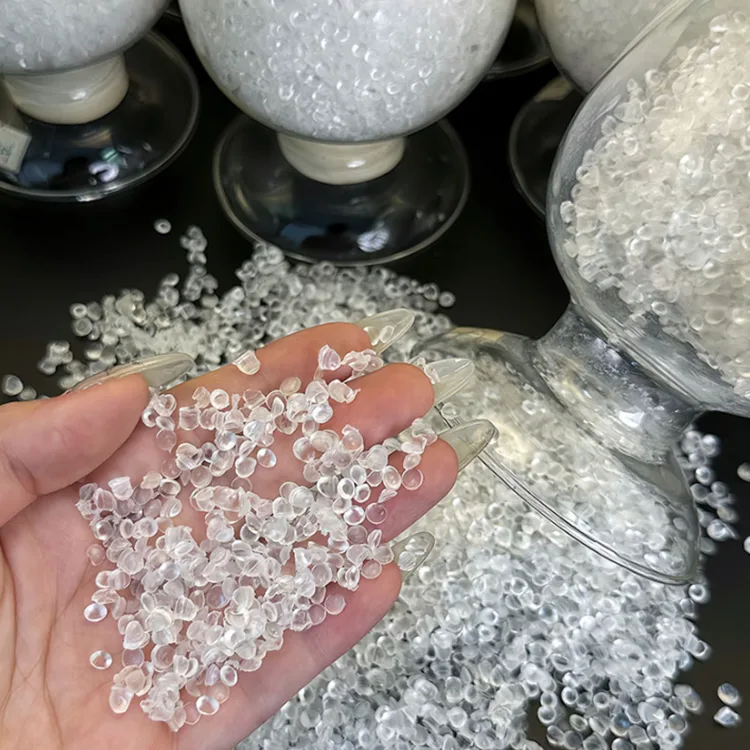
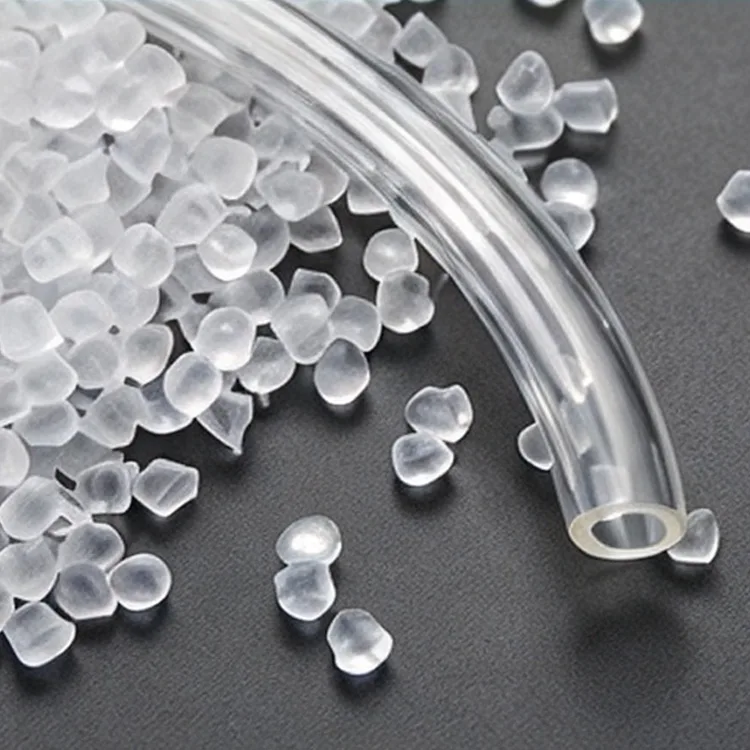
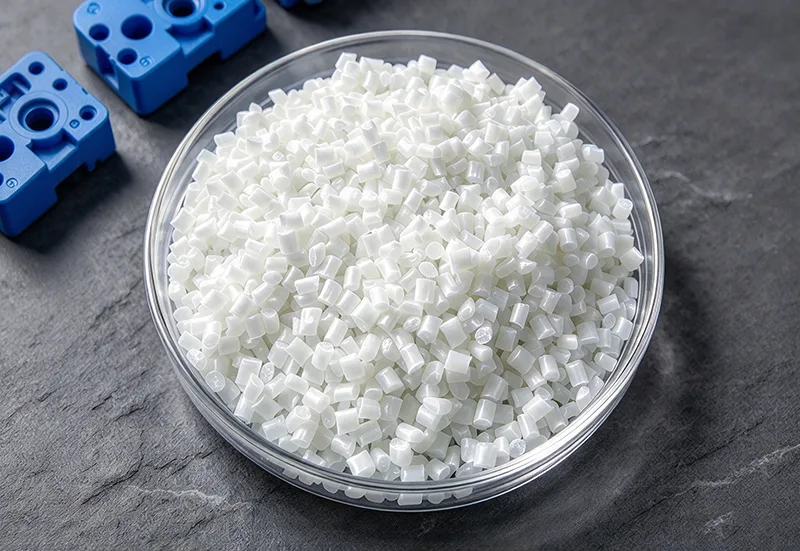
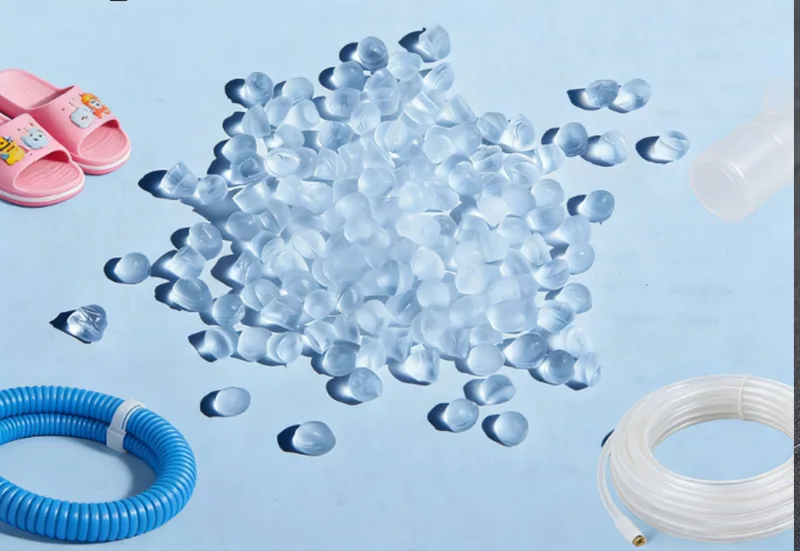
| Material Form | Pellets |
| Melt Flow | Grade-dependent |
| Density | Grade-dependent |
| Tensile Strength | Grade-dependent |
| Flexural Modulus | Grade-dependent |
| Impact Strength | Grade-dependent |
| Heat Performance | Grade-dependent |
| Dimensional Stability | Grade- and processing-dependent |
| Shrinkage | Grade- and fiber-orientation-dependent |
| Processing Method | Injection Molding and Applicable Thermoplastic Processing |
| Color | Natural or Grade-Dependent Colors |
| Packaging | Standard Resin Packaging |
| Available Documents | TDS, COA and Applicable Test or Compliance Documentation |
PBT is sensitive to moisture during melt processing. Inadequate drying may cause hydrolytic degradation and affect the mechanical properties of the molded part.
Drying temperature, duration, and allowable moisture content should follow the selected grade's technical documentation.
Gate position influences the direction of melt flow and therefore the orientation of glass fibers within the component.
For parts with tight dimensional tolerances, gate location should be evaluated in relation to expected shrinkage, weld-line positions, and structural loading.
Fiber orientation and PBT crystallization can produce different shrinkage behavior in different directions.
Uneven cooling or unsuitable part geometry may contribute to warpage.
Dimensional measurements should be performed on representative production parts after appropriate conditioning.
Processing temperature, injection speed, screw conditions, and other variables can influence fiber length and distribution.
Excessive processing stress or unsuitable conditions may reduce the intended reinforcement effect.
Production trials should include the mechanical characteristics most relevant to the finished component.
A higher glass fiber percentage may improve stiffness, but it can also change flow behavior, toughness, and surface characteristics.
The flame-retardant additive system introduces its own formulation and processing considerations.
For a precision electrical connector, the preferred grade may be one that meets the required flammability and dimensional criteria while retaining sufficient toughness for snap-fit assembly.
For a structural electrical housing, stiffness and deformation resistance may receive greater attention.
The grade should therefore be selected according to the component's complete technical specification rather than the highest available reinforcement content or a fire classification alone.
Zhejiang Zhongwang International Trade Co., Ltd. coordinates engineering plastic sourcing from Yuyao China Plastics City, with access to established supplier and logistics networks.
Buyers sourcing Flame-Retardant Reinforced PBT should specify the relevant fire-test requirement, minimum wall thickness, desired reinforcement level, mechanical properties, electrical requirements, and dimensional tolerances.
Technical review should include the selected grade's TDS, COA, and applicable flammability or electrical test documents.
Trial molding and finished-component verification are recommended before approving the resin for volume production.
Yes. Glass fiber generally increases stiffness and resistance to deformation. The magnitude of improvement depends on fiber content, orientation, grade formulation, and processing conditions.
Suitable formulations may be designed for particular flammability requirements. The rating must be verified against the selected grade's test documentation and the relevant specimen thickness.
Warpage may result from directional shrinkage associated with fiber orientation, uneven cooling, crystallization behavior, or part geometry. Gate design and molding conditions should be reviewed.
It can be considered for electrical connectors and housings when the selected grade meets the required flammability, electrical, mechanical, and dimensional specifications.
No. Higher reinforcement can improve stiffness while affecting toughness, processing flow, shrinkage, and surface appearance. The appropriate content depends on the finished product's requirements.
Address
Building 1, China Plastics International Business Center, No. 285 Shunda West Road, Yuyao City, Ningbo City, Zhejiang Province, China
Tel
If you have any enquiry about quotation or cooperation, please feel free to email us or use the following inquiry form.Our sales representative will contact you within 24 hours. Thank you for your interest in our products.