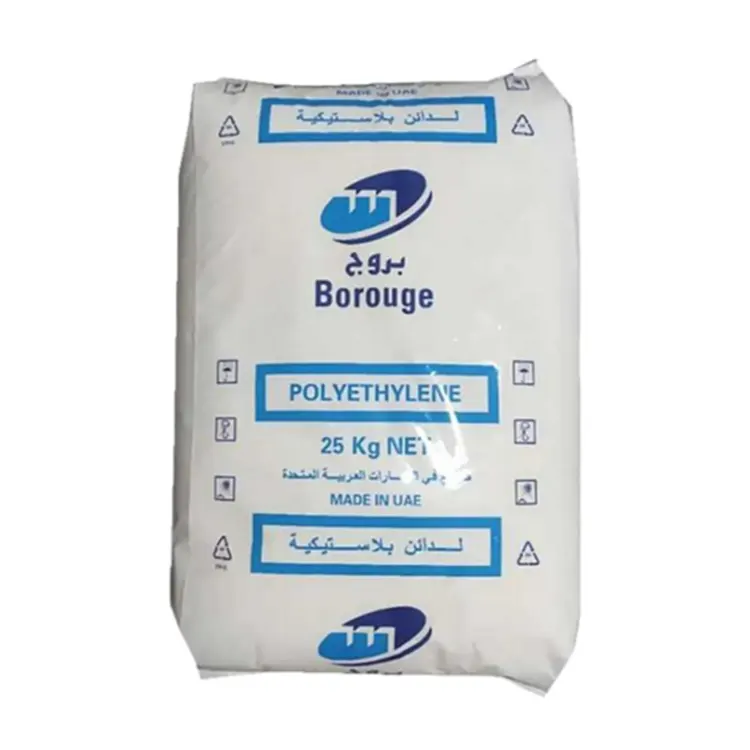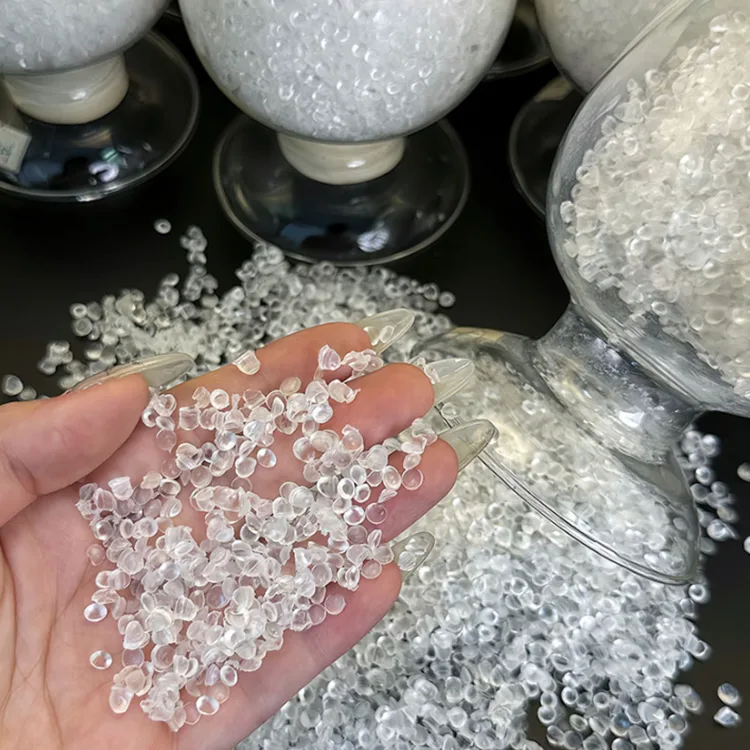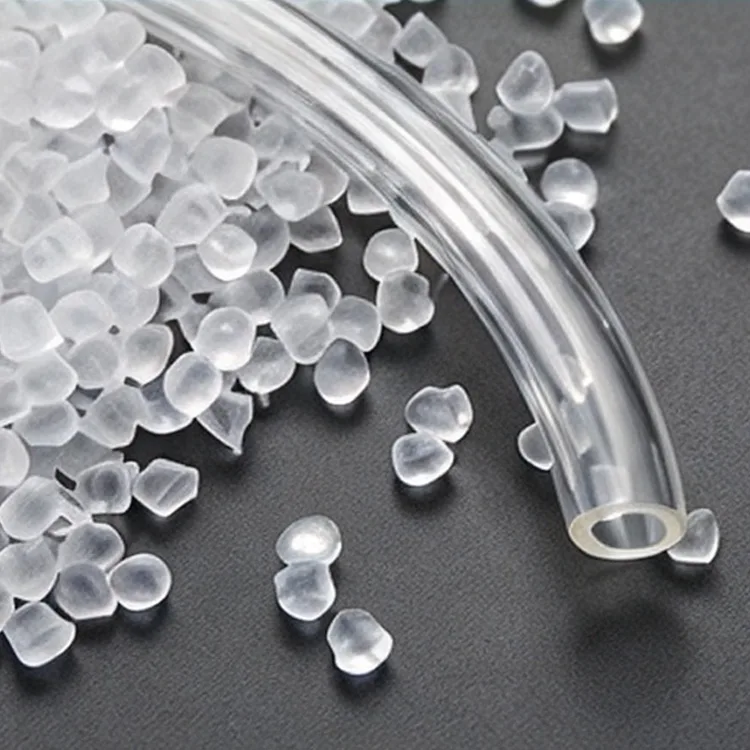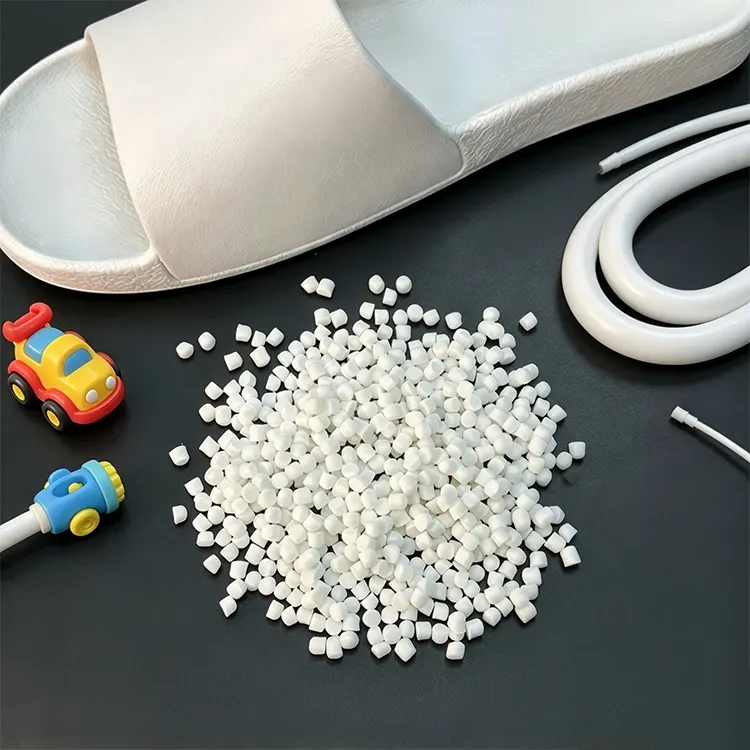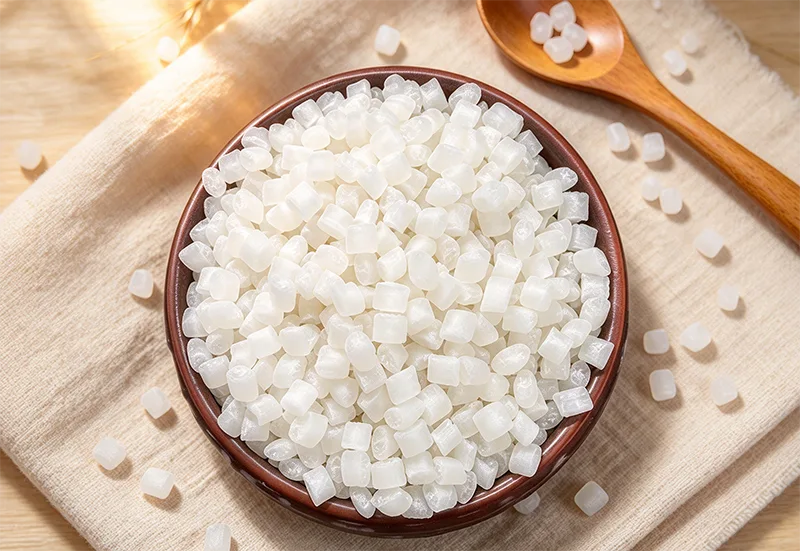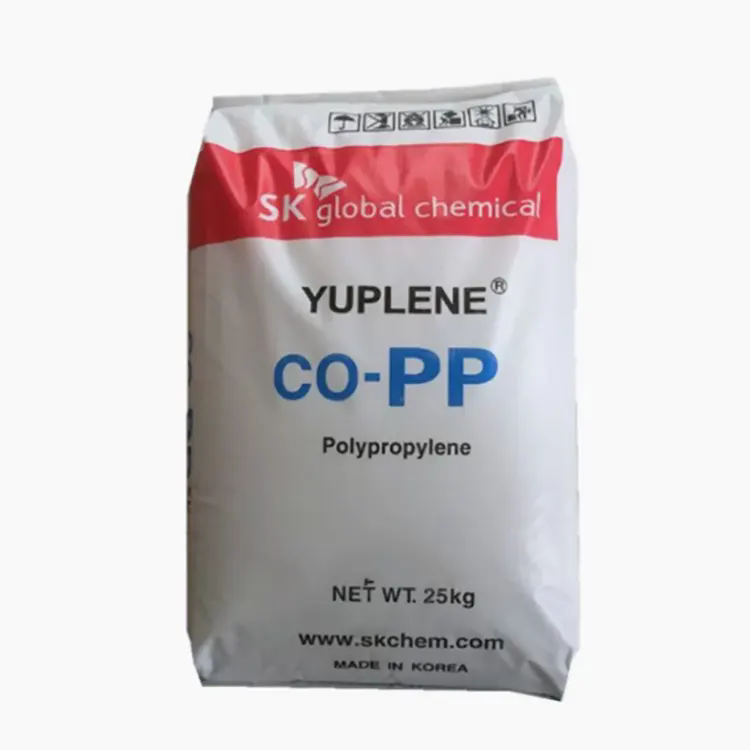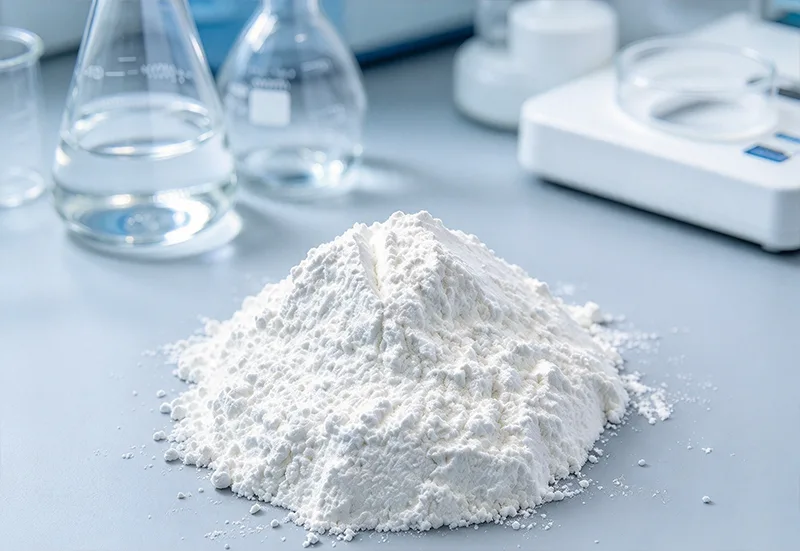
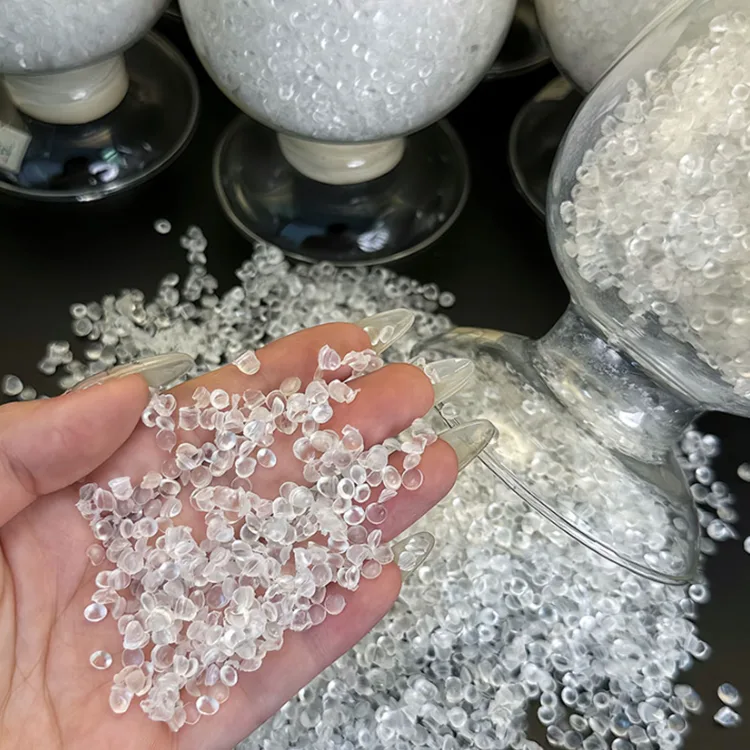
Zhongwang supplies UV-Resistant PVC for manufacturers producing plastic components that require resistance to ultraviolet radiation and outdoor weather conditions. UV-resistant PVC formulations use suitable stabilizers and additives to reduce the effects of prolonged sunlight exposure on the finished material.
Standard PVC formulations may experience changes in color, surface appearance, and mechanical properties when exposed to sunlight for extended periods. UV-resistant formulations are developed to address these concerns while maintaining the processing characteristics required for different plastic manufacturing applications.
UV resistance depends on the complete material formulation rather than the PVC resin alone. The selection of UV stabilizers, heat stabilizers, pigments, plasticizers, and other additives influences how the finished product performs under outdoor conditions.
The material can be evaluated for both flexible and rigid plastic products. Zhongwang assists buyers in identifying suitable PVC grades according to their processing methods, finished product specifications, and environmental requirements.
| Item | Specification |
|---|---|
| Product Name | UV-Resistant PVC |
| Brand | Zhongwang |
| Polymer | Polyvinyl Chloride (PVC) |
| Material Type | Thermoplastic Resin / PVC Formulation |
| Material Form | Powder or Formulation-Dependent |
| UV Resistance | Grade- and Formulation-Dependent |
| Weathering Performance | Grade- and Formulation-Dependent |
| Color Retention | Formulation-Dependent |
| K-Value | Grade-Dependent |
| Apparent Density | Grade-Dependent |
| Plasticizer | Application-Dependent |
| Stabilizer System | Application-Dependent |
| UV Stabilizer System | Grade- and Formulation-Dependent |
| Flexibility | Grade- and Formulation-Dependent |
| Processing Methods | Extrusion, Calendaring, Injection Molding |
| Color | Formulation-Dependent |
| Packaging | Standard Resin Packaging |
| Technical Documents | TDS, COA and Applicable Grade Documentation |
Outdoor PVC products are exposed to ultraviolet radiation that can gradually affect the polymer structure. UV-resistant formulations incorporate suitable stabilization systems to help reduce degradation and maintain material performance under the intended exposure conditions.
The level of UV protection varies with the formulation, exposure intensity, product thickness, and operating environment. For products requiring extended outdoor service, material selection should be supported by relevant weathering data or application-specific testing.
Color consistency is an important requirement for outdoor profiles, sheets, protective covers, and other visible PVC components. Prolonged exposure to sunlight may cause discoloration or surface changes if the formulation is not suited to the operating environment.
Suitable pigments and stabilization systems can improve color retention. The final result depends on the complete formulation, including pigment selection, stabilizer compatibility, product thickness, and outdoor exposure conditions.
Buyers producing appearance-sensitive components should evaluate color performance under conditions representative of the finished product's intended use.
UV-resistant PVC can be formulated for products requiring different levels of flexibility and stiffness.
Rigid formulations can be considered for outdoor profiles, panels, sheets, and molded components where dimensional stability and structural properties are important. Flexible formulations can be evaluated for tubing, cable products, protective strips, and other components that need to bend during installation or operation.
The required mechanical characteristics influence the selection of PVC resin grades, plasticizers, stabilizers, and other formulation components.
Depending on the selected formulation, UV-resistant PVC can be processed through extrusion, calendaring, and injection molding.
Extrusion is suitable for manufacturing continuous profiles, tubing, sheets, and strips. Calendaring can be used to produce films and sheets, while injection molding can be applied to suitable molded components.
Processing temperature, residence time, cooling conditions, and additive compatibility should be controlled according to the selected grade. These factors influence product dimensions, surface appearance, and processing stability.
Outdoor environments vary in sunlight intensity, humidity, temperature, and seasonal weather conditions. A formulation suitable for occasional sunlight exposure may not provide the same performance under continuous outdoor installation.
Material selection should therefore consider the expected exposure period, regional climate, mechanical loading, product thickness, and appearance requirements.
Zhongwang supports material selection discussions based on these application details, helping buyers identify PVC grades suitable for further technical evaluation.
UV-Resistant PVC can be formulated for the extrusion of profiles, tubing, protective strips, and sheets. Extrusion applications require consideration of melt processing behavior, dimensional consistency, cooling conditions, and the desired surface finish.
For outdoor profiles, the formulation should also be evaluated for color stability, rigidity, and exposure to changing environmental temperatures.
Suitable PVC formulations can be processed into films and sheets through calendaring. The selection of plasticizers, stabilizers, and other additives influences flexibility, surface appearance, and processing behavior.
Material specifications should be matched to the intended sheet or film thickness and outdoor service requirements.
UV-resistant PVC formulations suitable for injection molding can be used for outdoor plastic components and protective parts.
Processing parameters such as material temperature, mold filling, residence time, and cooling should be adjusted according to the selected formulation to reduce the risk of thermal degradation and dimensional variation.
UV-Resistant PVC can be considered for industrial and commercial plastic products that require resistance to sunlight exposure and outdoor environmental conditions.
The material can be evaluated for window and door-related profiles, industrial profiles, and other extruded components. Suitable formulations help address requirements for outdoor appearance, dimensional stability, and mechanical performance.
PVC sheets, protective covers, and surface panels may require resistance to sunlight, humidity, and temperature changes. Formulation selection should consider the intended installation environment, product thickness, and color requirements.
Flexible UV-resistant PVC formulations can be considered for outdoor tubing, cable insulation, cable sheathing, and protective components. The material should be evaluated for flexibility, mechanical properties, and environmental resistance according to the intended application.
Outdoor electrical equipment may incorporate PVC protective covers, housings, and other plastic parts. The selected formulation should meet the applicable mechanical, electrical, and environmental requirements of the component.
Agricultural plastic products may experience prolonged sunlight, moisture, and seasonal temperature changes. UV-resistant PVC formulations can be evaluated for these applications according to the required flexibility, weathering resistance, and expected service conditions.
Selecting a suitable UV-resistant PVC grade begins with identifying how the finished product will be manufactured and used. Different outdoor products may require different combinations of UV resistance, flexibility, rigidity, color stability, and mechanical properties.
Buyers should consider the following factors before confirming a material grade:
For applications requiring prolonged outdoor exposure, relevant accelerated weathering data or representative outdoor testing can help determine whether the selected formulation meets the finished product's requirements.
Zhejiang Zhongwang International Trade Co., Ltd. supplies general-purpose and engineering plastic raw materials to industrial manufacturers. The company is located in the International Business Center of China Plastics City in Yuyao, a major plastic raw material trading hub in China.
Through long-standing partnerships with domestic petrochemical companies, including SINOPEC and PetroChina, Zhongwang maintains access to established raw material supply channels. Its location within the Yuyao plastics industrial cluster also supports warehousing, logistics coordination, and material procurement.
For UV-Resistant PVC sourcing, Zhongwang provides material selection support based on the buyer's finished product specifications, processing equipment, environmental exposure, and performance requirements.
Buyers can discuss resin grades, K-values, stabilizer requirements, flexible or rigid formulations, and applicable technical documentation before confirming a material specification.
Zhongwang supports technical communication and documentation review during PVC material procurement. Specific material characteristics should be confirmed against the technical documents corresponding to the selected grade.
Depending on the material and supplier, available documentation may include:
Before placing a bulk order, buyers should confirm the selected grade, required quantity, packaging specifications, technical requirements, and delivery arrangements.
To request a quotation, provide the intended application, processing method, material requirements, expected outdoor exposure conditions, and purchasing quantity.
UV-Resistant PVC is a polyvinyl chloride material formulated to provide improved resistance to ultraviolet radiation. It can be used in outdoor plastic products where sunlight exposure, color stability, and weathering performance need to be considered.
The main difference is the formulation. UV-resistant PVC uses suitable stabilizer and additive systems to improve resistance to sunlight exposure. General PVC formulations may not be designed for the same outdoor conditions. Actual performance depends on the selected grade and complete formulation.
UV-resistant formulations can improve color retention, but they do not guarantee that fading will never occur. Color stability depends on the pigment system, UV stabilizers, formulation, product thickness, and duration of sunlight exposure.
Yes. PVC can be formulated for both flexible and rigid products. Rigid formulations are commonly considered for profiles and structural components, while flexible formulations can be evaluated for tubing, cable products, and protective strips.
UV resistance depends on the PVC resin grade, UV stabilizers, heat stabilizers, pigments, plasticizers, fillers, processing conditions, product thickness, and outdoor environment. The complete formulation determines how the finished product responds to sunlight exposure.
Address
Building 1, China Plastics International Business Center, No. 285 Shunda West Road, Yuyao City, Ningbo City, Zhejiang Province, China
Tel
If you have any enquiry about quotation or cooperation, please feel free to email us or use the following inquiry form.Our sales representative will contact you within 24 hours. Thank you for your interest in our products.