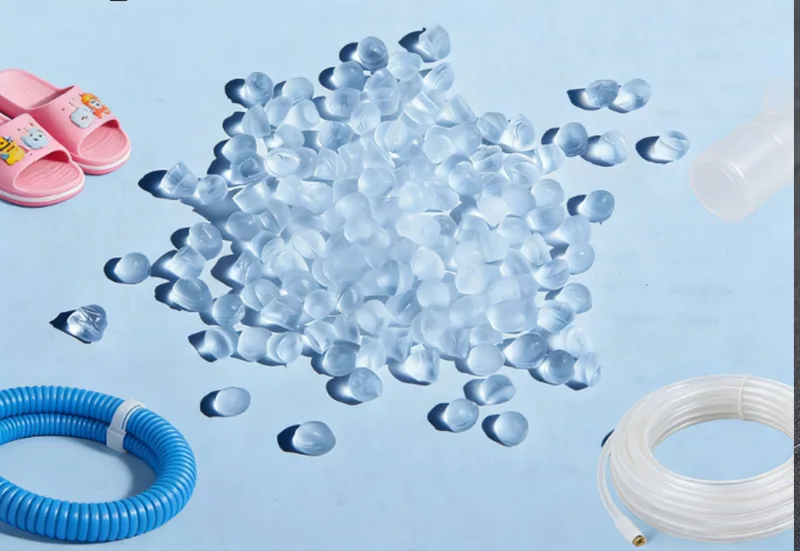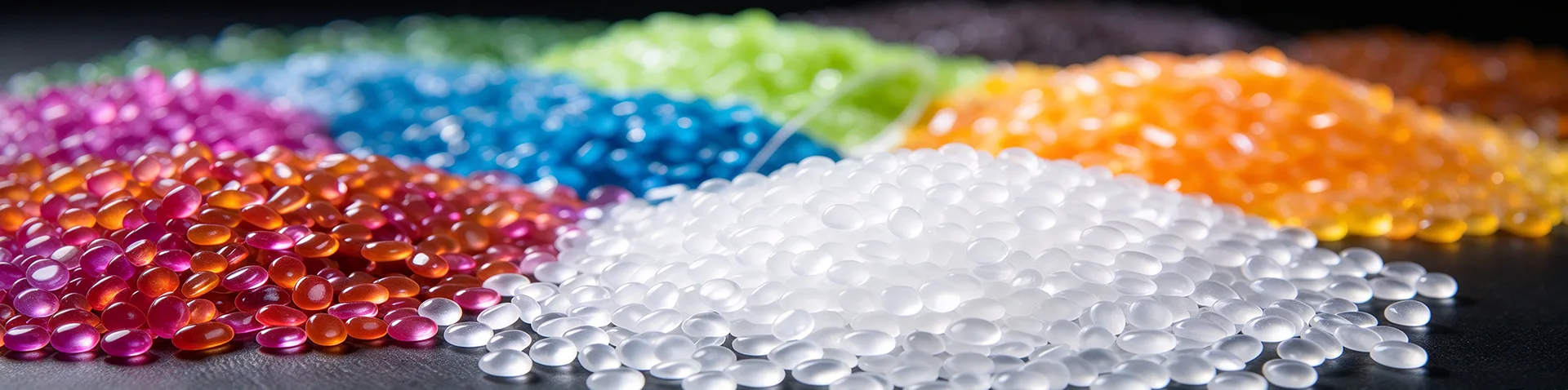

For producers sourcing Transparent PVC Resin, Zhongwang focuses material discussions on the finished article's clarity, surface quality, and acceptable appearance rather than presenting transparency as an inherent guarantee of the base resin.
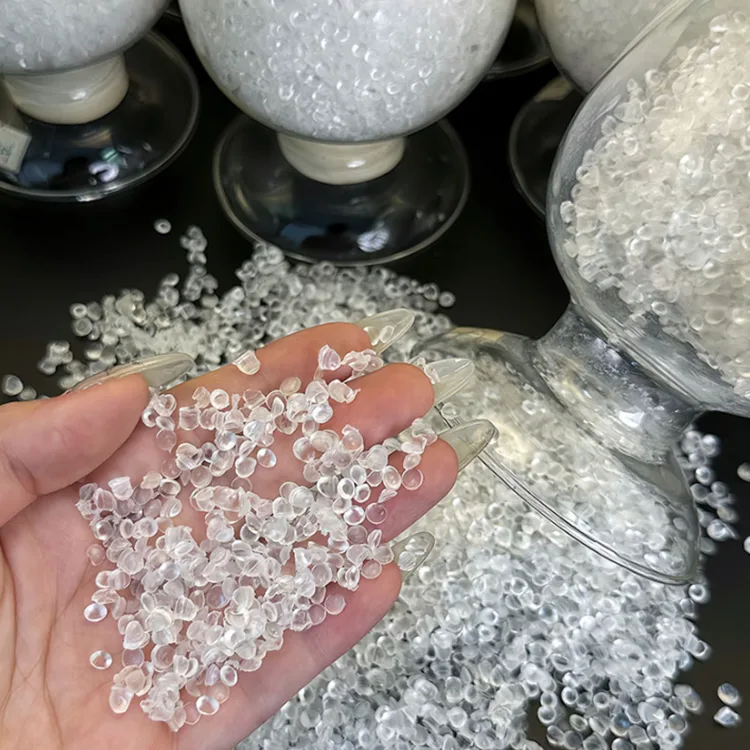
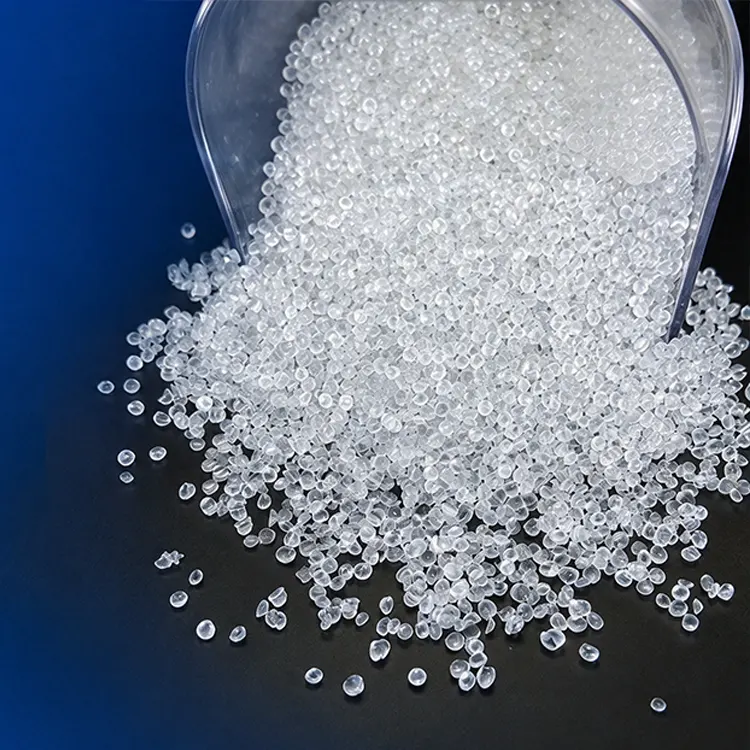
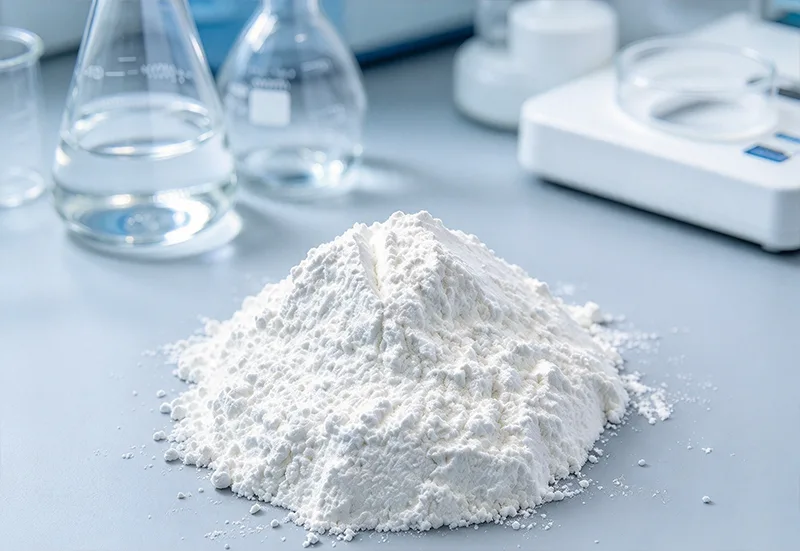
PVC resin is generally supplied as a white powder. To produce transparent or translucent products, processors combine the polymer with suitable stabilizers, plasticizers where needed, lubricants, and other ingredients.
Optical performance depends on the compatibility of these ingredients and the conditions under which the compound is processed.
Even small differences in formulation, contamination, temperature, cooling, or product thickness can become visible in clear films and molded parts.
For this reason, material selection should begin with an agreed visual standard and measurable optical requirements where appropriate.
The appearance of a transparent polymer product is determined by how light passes through the finished material.
Haze, scattering, color changes, surface roughness, and internal defects can reduce perceived clarity even when the product remains translucent.
Haze describes light scattering that can make a transparent product appear cloudy.
The material formulation, internal structure, thickness, and processing conditions can influence this characteristic.
Buyers with demanding optical requirements should define the applicable haze or light-transmission test and compare representative finished samples.
Excessive thermal exposure can cause PVC degradation, potentially producing yellowing or other discoloration.
A suitable stabilization system and controlled processing conditions are particularly important in colorless or lightly tinted products because discoloration may be readily visible.
Foreign particles, residual material from previous production runs, and degraded compound deposits may create visible inclusions.
Clean raw material handling, suitable formulation controls, and equipment maintenance are therefore important for appearance-sensitive production.
A clear product may show surface defects more readily than an opaque part.
Die or mold finish, melt processing behavior, cooling conditions, and handling after production should be considered when establishing quality requirements.
Flexible films may be produced through suitable extrusion or calendaring processes.
Plasticizer selection influences flexibility and can also affect additive compatibility and optical appearance.
Film thickness, surface quality, mechanical behavior, and applicable contact requirements should be defined before choosing a resin grade.
Rigid sheets require greater dimensional stability and stiffness, with formulation requirements different from those of highly plasticized films.
Surface finish, internal defects, cooling behavior, and sheet thickness can affect both appearance and performance.
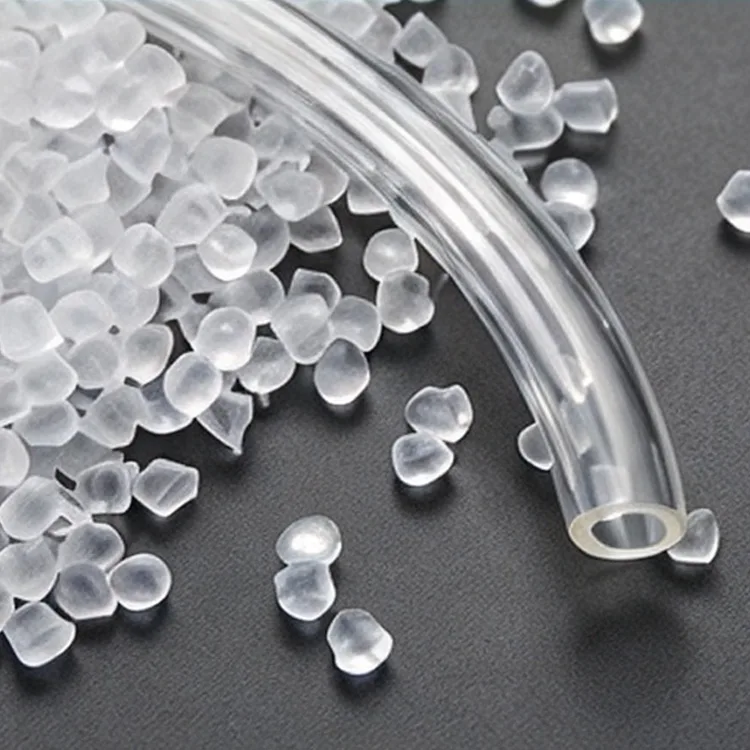
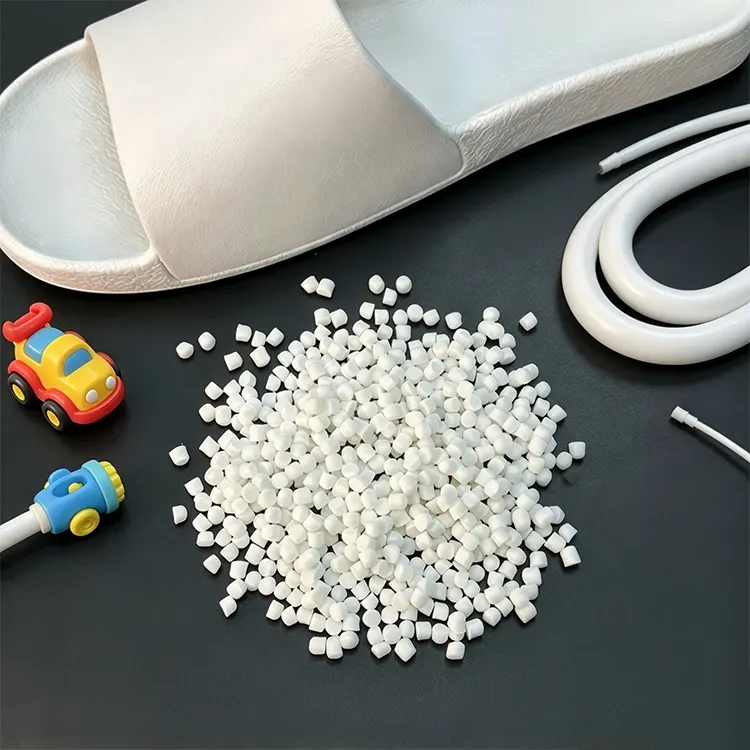
Transparent tubing may be used where visual inspection of the contents or the tube's condition is useful.
Selection should consider clarity, flexibility, wall thickness, fluid compatibility, and operating conditions.
Transparency does not independently establish suitability for food, medical, or pressure-related applications.
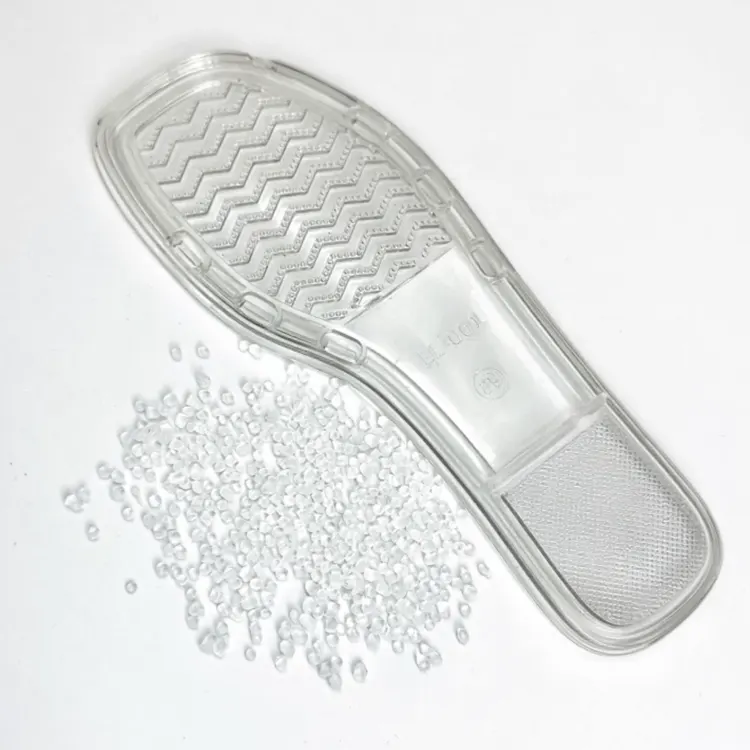
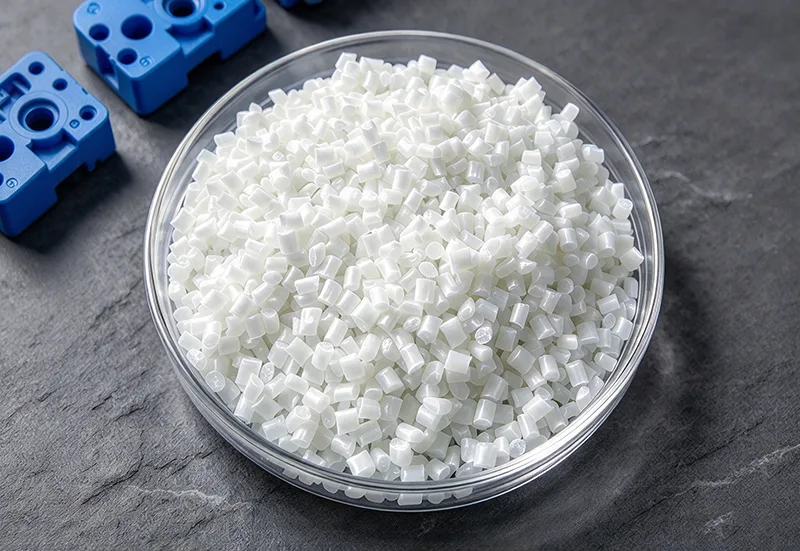
Certain PVC formulations can be injection molded into transparent or translucent components.
Gate design, mold surface, fusion behavior, residence time, and cooling can influence optical appearance and dimensional consistency.
| Item | Reference Specification |
|---|---|
| Product Name | Transparent PVC Resin |
| Brand | Zhongwang |
| Polymer | Polyvinyl Chloride (PVC) |
| Supply Form | White Resin Powder |
| Material Type | Thermoplastic Resin |
| Finished Transparency | Formulation- and processing-dependent |
| K-Value | Grade-dependent |
| Apparent Density | Grade-dependent |
| Volatile Matter | Grade-dependent |
| Residual VCM | Grade-dependent |
| Particle Characteristics | Grade-dependent |
| Plasticizer System | Application-dependent |
| Thermal Stabilization | Formulation-dependent |
| Processing Methods | Extrusion, Calendaring, Injection Molding where suitable |
| Finished Color | Formulation-dependent |
| Packaging | Standard Resin Packaging |
| Available Documents | TDS, COA and Applicable Grade Documentation |
Transparent formulations require careful selection of stabilizers, plasticizers, and processing additives.
Incompatible ingredients or poor dispersion can contribute to cloudiness, separation, or visible defects.
The complete compound should be evaluated through representative processing trials.
Films and sheets require controlled material fusion, consistent thickness, and appropriate cooling.
Temperature variation, unsuitable roll or die conditions, and contamination can affect both optical quality and mechanical performance.
Transparent molded components may display flow marks, weld lines, or thermal discoloration.
Mold design, processing temperature, material residence time, and cooling should be adjusted for the selected formulation and part geometry.
Scratches, dust, and surface damage can make transparent articles appear defective even when the polymer itself meets the intended technical specification.
Finished-product handling and protective packaging should be considered where appearance is a critical quality requirement.
Appearance descriptions such as "high transparency" or "crystal clear" are not sufficient technical specifications for every industrial purchasing project.
Where relevant, manufacturers should define acceptable haze, light transmission, color variation, visible inclusions, and surface defects.
Test specimens should represent the actual thickness and production conditions of the finished article.
The required inspection method and acceptance limits should be agreed before changing grades or approving a production batch.
Zhejiang Zhongwang International Trade Co., Ltd. operates from Yuyao China Plastics City, supporting PVC raw material selection and procurement through established plastics supply channels.
Buyers evaluating Transparent PVC Resin should provide the intended product, processing method, target clarity, thickness, flexibility, existing formulation requirements, and annual purchasing volume.
The corresponding TDS and COA can be reviewed to confirm resin characteristics. Final transparency should be verified using the buyer's actual formulation and manufacturing equipment.
The resin described here is supplied as a white PVC powder. Transparent finished products are produced by combining the resin with suitable formulation ingredients and processing it under controlled conditions.
Possible causes include formulation incompatibility, internal light scattering, processing variation, surface defects, and film thickness. Haze should be measured on representative finished film samples.
Excessive temperature or residence time may cause PVC degradation. Stabilizer selection, equipment condition, and processing history should be examined.
Yes. Suitable resin and plasticizer formulations can be evaluated for clear flexible tubing. Mechanical, chemical, and application-specific requirements must also be considered.
Where optical performance is critical, buyers should identify the finished-product thickness, acceptable haze, light transmission, color variation, visible defects, processing route, and required material documentation.
Address
Building 1, China Plastics International Business Center, No. 285 Shunda West Road, Yuyao City, Ningbo City, Zhejiang Province, China
Tel
If you have any enquiry about quotation or cooperation, please feel free to email us or use the following inquiry form.Our sales representative will contact you within 24 hours. Thank you for your interest in our products.