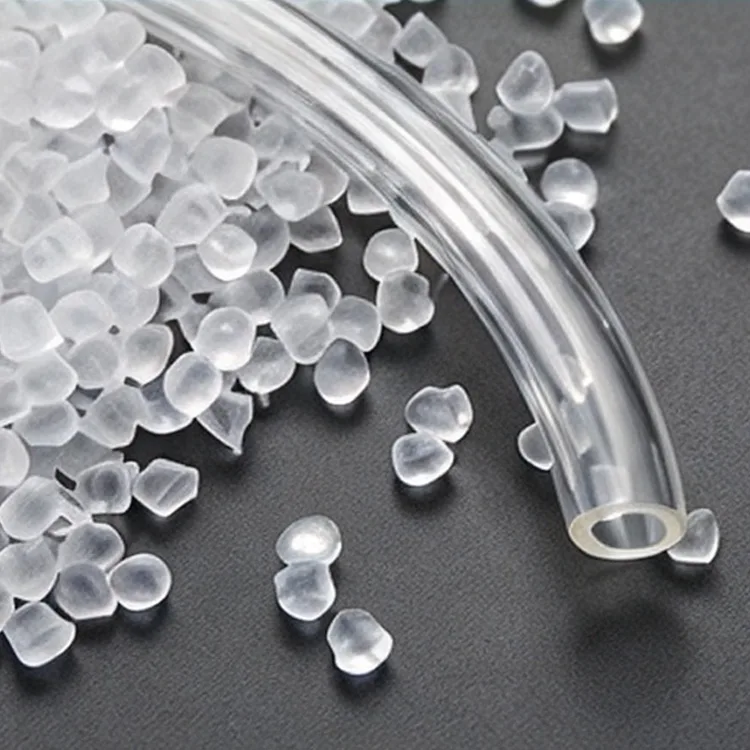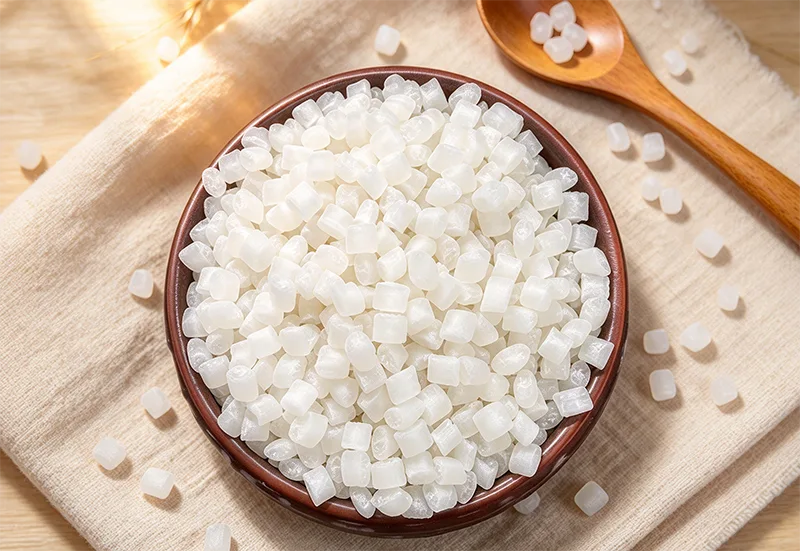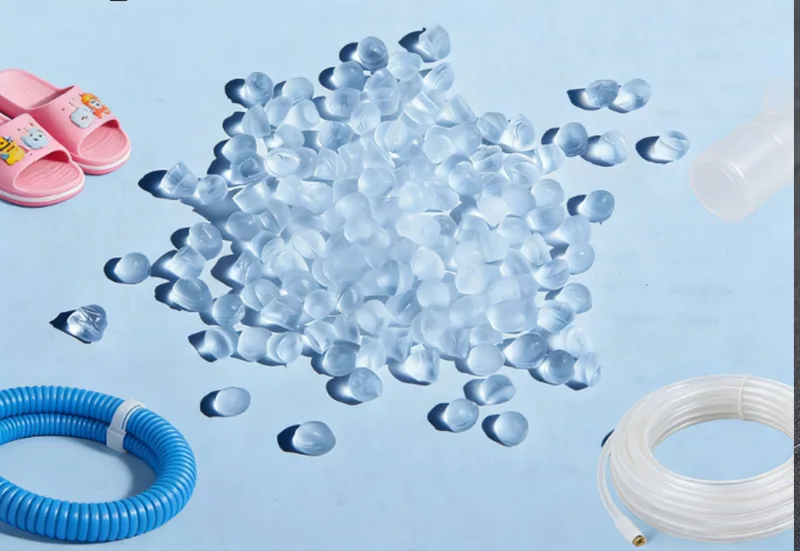
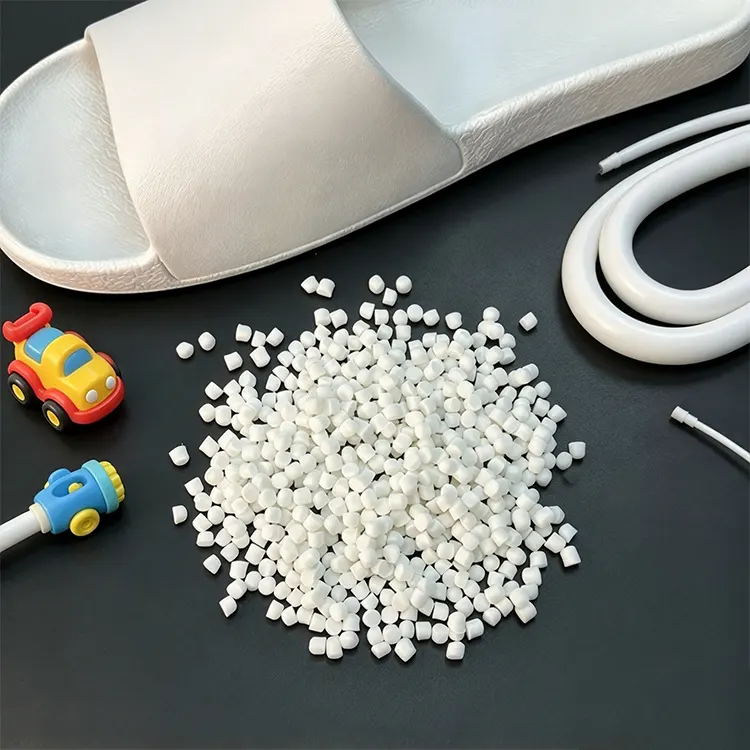
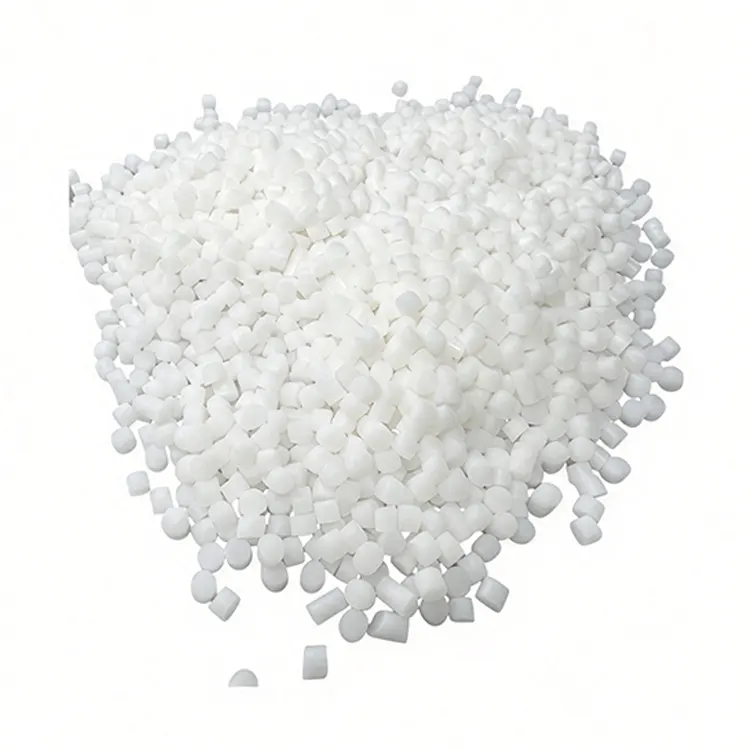
Continuous production stability is the main consideration when Zhongwang helps B2B processors select Extrusion-Grade PVC for pipes, profiles, sheets, or tubing.
PVC extrusion differs from batch-based injection molding because material must move through the processing equipment continuously while maintaining stable plasticization and die output.
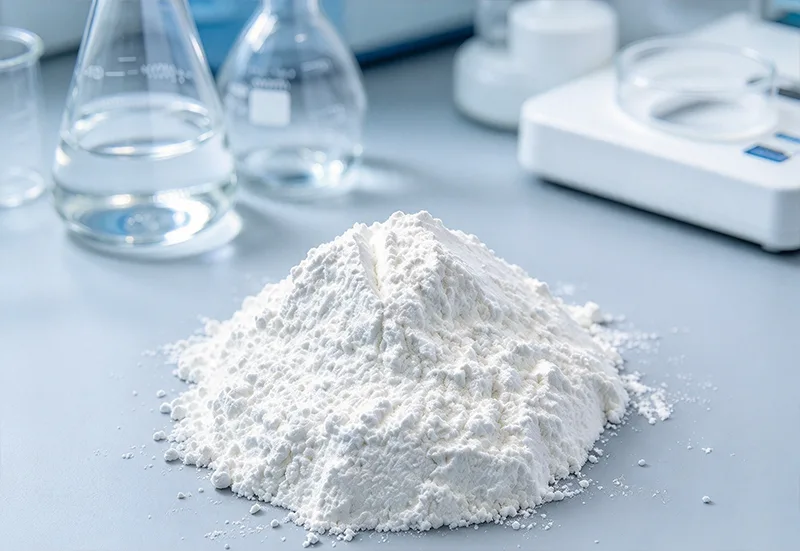
The resin is generally supplied as a white powder and compounded with suitable stabilizers, lubricants, processing aids, fillers, plasticizers, or other additives according to the finished product's requirements.
During extrusion, the formulated material is conveyed, heated, plasticized, and forced through a die. It is subsequently cooled and sized to produce the required cross-section.
In this process, resin grade and formulation work together. Even a suitable base polymer can produce unacceptable results if its fusion behavior does not match the screw design, temperature profile, or lubrication system.
PVC extrusion requires the material to reach a suitable fusion state during its passage through the barrel.
Insufficient fusion may contribute to weak mechanical properties or poor surface appearance. Excessive thermal exposure can cause degradation and visible discoloration.
The appropriate processing conditions depend on resin characteristics, formulation composition, screw configuration, equipment capacity, and intended output.
Processors should therefore treat plasticization as a controlled manufacturing variable rather than rely on barrel temperature alone.
K-value is one of the technical indicators used to characterize PVC resin and is related to molecular weight.
Different molecular-weight ranges can influence fusion behavior, mechanical performance, and processability.
The required K-value should be chosen according to the product category, formulation, and processing equipment. The supplied product information does not establish one universal K-value range for every extrusion application.
Internal and external lubrication influence how the PVC formulation moves through the extruder and interacts with processing surfaces.
An unsuitable lubricant balance may affect fusion time, processing torque, surface quality, and extrusion stability.
Formulation adjustments should be validated through actual production trials rather than evaluated independently of the resin.
PVC requires appropriate thermal stabilization during processing.
Insufficient stabilization or excessive heating may result in discoloration and degradation, especially when the material remains in the barrel or die longer than intended.
Processing temperatures and residence time should be controlled according to the selected grade and complete formulation.
A stable melt does not automatically produce a finished pipe or profile with consistent dimensions.
After leaving the die, the extrudate must be cooled and controlled using equipment appropriate to its cross-section.
Pipe production may use vacuum sizing and cooling systems to establish the required outside diameter, roundness, and wall thickness.
Material formulation, extrusion output, haul-off speed, cooling temperature, and sizing conditions all influence the finished dimensions.
Mechanical and pressure-related requirements must be evaluated according to the pipe's actual application and relevant product standards.
Profile extrusion involves maintaining complex cross-sectional shapes over continuous production lengths.
Uneven cooling, unstable output, or unsuitable die conditions may cause twisting, dimensional variation, or surface defects.
For rigid profiles, formulation requirements can include stiffness, impact performance, appearance, and weathering resistance where outdoor use is intended.
Sheet production requires attention to melt distribution, thickness control, cooling, and surface finish.
The selected formulation should be evaluated for the product's required rigidity, mechanical characteristics, and intended operating environment.
Flexible PVC extrusion incorporates an appropriate plasticizer system to obtain the required softness and bending behavior.
Plasticizer selection influences flexibility, thermal behavior, and compatibility with the intended application.
The finished product should be tested for relevant mechanical, chemical, and regulatory requirements.
| Item | Reference Information |
|---|---|
| Product Name | Extrusion-Grade PVC |
| Brand | Zhongwang |
| Polymer | Polyvinyl Chloride |
| Material Form | White Resin Powder |
| Primary Processing Method | Continuous Extrusion |
| K-Value | Grade-dependent |
| Apparent Density | Grade-dependent |
| Fusion Characteristics | Grade- and formulation-dependent |
| Melt Processing Behavior | Grade- and formulation-dependent |
| Hardness | Formulation-dependent |
| Mechanical Properties | Grade- and formulation-dependent |
| Thermal Stability | Formulation-dependent |
| Flexibility | Formulation-dependent |
| Finished Product Color | Formulation-dependent |
| Packaging | Standard Resin Packaging |
| Available Documents | TDS, COA and Applicable Product Specifications |
Surface defects can result from unsuitable fusion, excessive or insufficient lubrication, melt instability, die contamination, or incorrect processing temperatures.
Before changing the base resin, processors should review material formulation, die condition, temperature profile, and line stability.
Yellowing or other unexpected color changes may indicate thermal degradation or an issue with the stabilizer system.
Material residence time, barrel temperature, die temperature, and formulation stability should be investigated.
Changes in pipe or tubing thickness may be associated with unstable extrusion output, die centering, haul-off speed, or cooling conditions.
The material's processing behavior should be considered together with mechanical adjustments to the production line.
Warping can result from uneven cooling, unsuitable sizing, internal stress, or variations in extrusion speed.
Finished profiles should be inspected after cooling and dimensional stabilization, not only immediately after leaving the die.
Mechanical variation may arise from grade changes, formulation inconsistencies, insufficient fusion, or processing differences between production batches.
Maintaining consistent material specifications and production records helps identify the cause of unexpected results.
| Factor | Rigid PVC Extrusion | Flexible PVC Extrusion |
|---|---|---|
| Typical Products | Pipes, window profiles, rigid sheets, construction components | Flexible tubing, protective sleeves, sealing strips, cable coverings |
| Plasticizer Use | Limited or none, depending on formulation | Selected plasticizer system |
| Primary Property Focus | Rigidity, impact behavior, dimensional stability | Flexibility, bending behavior, application-specific mechanical properties |
| Processing Considerations | Fusion, profile geometry, cooling, sizing | Plasticization, extrusion stability, softness, cooling |
Zhejiang Zhongwang International Trade Co., Ltd. operates within Yuyao China Plastics City, a major plastics raw material trading location supported by regional warehousing and logistics resources.
For Extrusion-Grade PVC procurement, buyers should provide the product category, preferred resin grade or K-value, screw configuration, rigid or flexible formulation requirements, line output, and finished-product specifications.
Where an existing extrusion line is experiencing problems, details such as fusion behavior, surface defects, dimensional variation, and processing conditions can help guide material discussions.
The selected grade should be confirmed against its technical data sheet and certificate of analysis, followed by application trials before commercial production.
Extrusion-grade PVC is selected for continuous forming through a die, while injection-grade PVC is used in formulations suitable for filling individual mold cavities. Processing characteristics and additive requirements must be matched to the intended method.
K-value is related to PVC molecular weight and can influence processability and mechanical behavior. The suitable value depends on the finished product, formulation, and extrusion equipment.
A base resin may be considered in different formulations, but the required grade and additive system must be evaluated for each application. Flexible products normally require appropriate plasticizers, while rigid products have different formulation and performance requirements.
Potential causes include poor fusion, unsuitable lubrication, die contamination, melt instability, and incorrect processing temperatures. Diagnosis should consider both the material formulation and the extrusion equipment.
No. Final dimensions also depend on die design, extrusion output, cooling, sizing, haul-off speed, and the physical behavior of the complete formulation.
Buyers should provide the intended extruded product, preferred K-value or existing grade, equipment configuration, formulation requirements, target dimensions, production volume, and any specific mechanical or regulatory requirements.
Address
Building 1, China Plastics International Business Center, No. 285 Shunda West Road, Yuyao City, Ningbo City, Zhejiang Province, China
Tel
If you have any enquiry about quotation or cooperation, please feel free to email us or use the following inquiry form.Our sales representative will contact you within 24 hours. Thank you for your interest in our products.