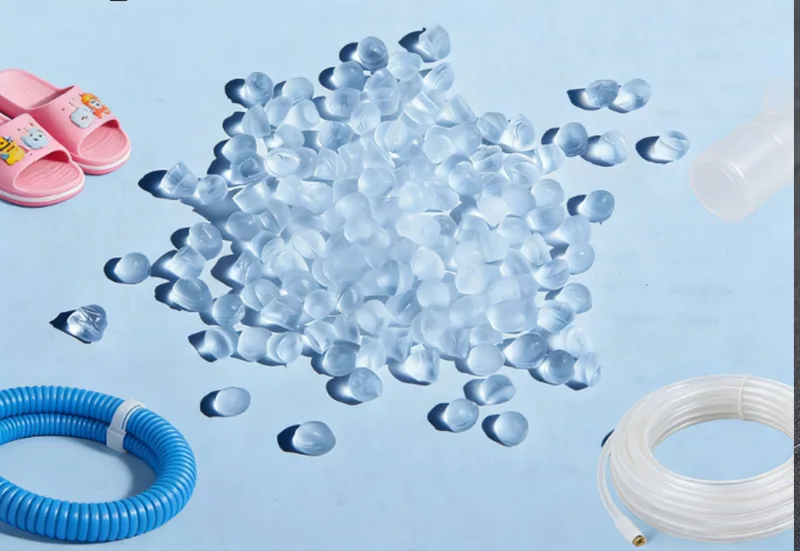
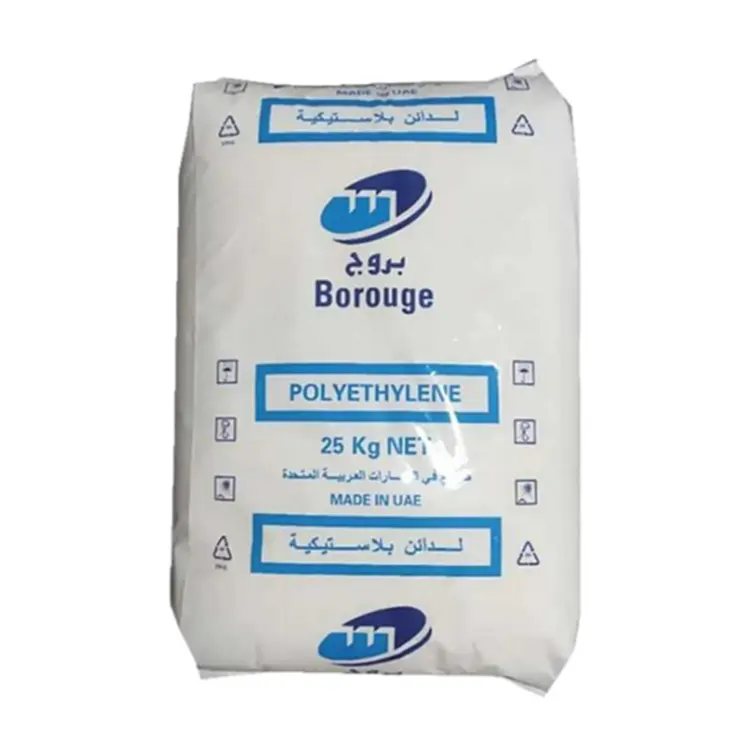
Rotational molding places different demands on polyethylene than film extrusion or injection molding. The resin must melt and spread across the inside of a rotating mold, form a continuous layer and solidify as the mold cools. If the material does not suit the mold geometry or processing conditions, manufacturers may encounter uneven wall thickness, incomplete coverage or inconsistent finished-part performance.
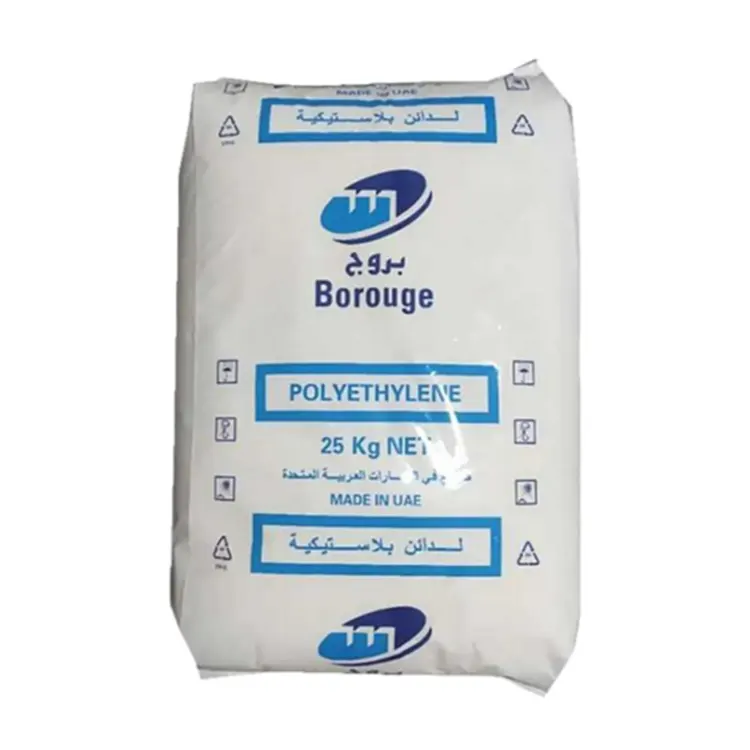
Zhongwang helps customers source Rotomolding-Grade LLDPE for applications where hollow-part geometry, durability and production requirements guide material selection. The appropriate grade should be assessed against the actual product design rather than chosen solely because it belongs to the LLDPE family.
Three production considerations help determine whether a grade is suitable for a particular rotational molding project.
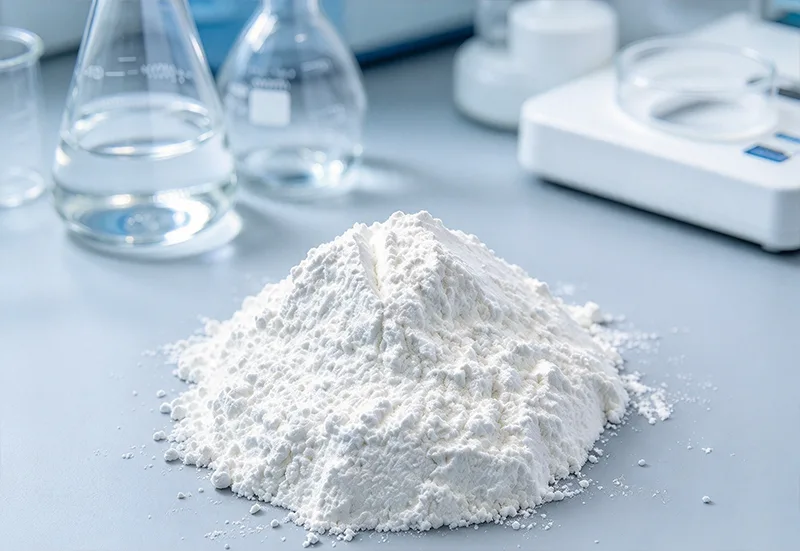
• Powder characteristics: Particle size distribution and powder preparation influence how the resin moves and fuses during the heating cycle. Confirm that the supplied material form meets the processor's equipment and production requirements.
• Melt behavior and mold coverage: The resin needs to spread over the mold's internal surfaces as heating and rotation continue. Complex corners, narrow sections and changes in wall geometry can make material coverage more difficult.
• Cooling and finished-part consistency: Cooling conditions, mold design and resin shrinkage behavior all affect the final dimensions and wall distribution. Material selection should therefore be considered alongside the planned molding cycle.
These factors interact. A grade that works well for one tank or container design may require further evaluation before being used for a part with different dimensions, corners or performance requirements.
The following properties can help buyers compare candidate materials. Actual values must be confirmed against the technical data sheet for the specific grade offered.
| Parameter | Why It Matters |
|---|---|
| Density | Helps characterize the polyethylene grade and compare material specifications |
| Melt flow rate (MFR) | Provides a reference for melt-flow behavior under specified test conditions |
| Impact strength | Relevant when the finished part may experience drops, knocks or service loads |
| Tensile properties | Help assess the mechanical behavior required by the finished product |
| Elongation | Provides information about deformation behavior before break |
| Powder particle size | Important for material handling and coverage during rotational molding |
| Processing recommendations | Help establish suitable heating, rotation and cooling conditions |
Do not compare values without checking their test methods and conditions. Density, MFR, mechanical properties and particle-size specifications vary by grade; they should not be assumed from the product name alone.
Rotomolding-Grade LLDPE may be considered for hollow products in several sectors, subject to the selected grade and design requirements.
• Storage and water tanks: Material assessment may include impact requirements, wall thickness, dimensions and the conditions in which the tank will be used.
• Industrial containers and bins: Buyers may need to consider repeated handling, load exposure, geometry and cleaning requirements.
• Agricultural products: Containers and other molded components should be evaluated against their service environment and mechanical demands.
• Outdoor and utility equipment: Part dimensions, exposure conditions, color requirements and expected handling can influence grade selection.
• Material-handling and recreational products: Complex shapes and varying section thicknesses may require closer review of mold coverage and finished-part consistency.
These are application categories rather than a guarantee that every grade is suitable for every product. For applications involving specific chemical exposure, regulated contact, prolonged outdoor use or defined impact requirements, confirm the relevant grade data and suitability before purchase.
Rotational molding generally follows a different production sequence from conventional injection molding.
1. A measured quantity of suitable resin is loaded into the mold.
2. The closed mold is heated while rotating around two axes, allowing the resin to melt and coat the internal surfaces.
3. Rotation continues during cooling so the material can solidify into the molded shape.
4. The part is removed for inspection and any required finishing.
The resin is only one part of the process. Charge quantity, mold construction, heating time, rotation conditions and cooling rate all influence the result. When a trial part shows uneven walls or inconsistent dimensions, the cause should be investigated across both material and process settings rather than attributed to the resin alone.
Before requesting a quotation, buyers can provide a few details that make grade comparison more useful:
• Part description: tank, bin, container or another hollow molded component.
• Approximate dimensions and wall thickness: include areas where the geometry changes substantially.
• Service requirements: expected impact, load, temperature, environmental exposure or chemical contact.
• Current material specification: if replacing an existing resin, provide its grade name and available technical data.
• Processing details: molding equipment, powder requirements and relevant production conditions.
• Color and order quantity: identify standard or custom color needs and the estimated purchase volume.
A current grade specification or sample can help determine whether a candidate material merits a production trial. Where a direct replacement is being considered, matching the resin family alone is insufficient; processing behavior and finished-part performance should also be checked.
Zhongwang coordinates sourcing of Rotomolding-Grade LLDPE from China based on the buyer's application, required specification and order volume. Before an order is confirmed, buyers can request the available technical information for the proposed grade, including a TDS, COA, SDS/MSDS or product specification where supplied by the manufacturer.
Availability of documents, samples, packaging options and delivery arrangements depends on the selected grade and supplier. Buyers with fixed production requirements should confirm the exact material specification, packing form, quantity, lead time and shipping terms before placing an order.
No. Rotational molding requires material with processing characteristics appropriate for the method, and the supplied form must meet the processor's requirements. A general-purpose LLDPE grade should not be treated as interchangeable with a grade specified for rotational molding without technical confirmation and testing.
Yes, where particle size is controlled by the molding process or equipment. Provide the required range or ask the supplier for the available specification. The acceptable particle characteristics depend on the production setup and the selected grade.
It may be suitable for these products, but the grade must be evaluated against the tank or container's dimensions, wall thickness, impact requirements, service environment and molding conditions. Application suitability should be confirmed using grade-specific data and, where necessary, a production trial.
Provide the intended application, required grade or technical specification, material form, color, estimated quantity and destination. If the material will replace an existing grade, include its technical data sheet when available. These details help clarify sourcing options and the documentation that can be provided before order confirmation.
Address
Building 1, China Plastics International Business Center, No. 285 Shunda West Road, Yuyao City, Ningbo City, Zhejiang Province, China
Tel
If you have any enquiry about quotation or cooperation, please feel free to email us or use the following inquiry form.Our sales representative will contact you within 24 hours. Thank you for your interest in our products.