Meeting a specified electrical or construction fire test is the starting point for sourcing Flame-Retardant PVC, with Zhongwang coordinating resin selection according to the buyer's formulation and finished-product requirements.
Polyvinyl chloride is a chlorine-containing thermoplastic whose combustion behavior differs from many common hydrocarbon-based plastics. However, the fire performance of a commercial PVC product depends on its complete formulation and construction.
Plasticizers, stabilizers, fillers, flame-retardant additives, and other ingredients can influence ignition behavior, flame propagation, smoke characteristics, and mechanical properties.
Consequently, a resin suitable for one flame-retardant cable formulation may not provide the same performance in a rigid electrical housing or an extruded profile.
The purchasing specification should identify which properties must be achieved by the finished compound and which must be demonstrated by the final product.
There is no single flame-retardant rating that applies to all PVC formulations. Different applications require different testing methods and acceptance criteria.
A small molded electrical component may be evaluated using a specimen-based material flammability test, while a cable assembly may be subject to a vertical flame or flame-propagation test specified by its product standard.
Results from one testing method should not be treated as equivalent to results from another.
Thickness affects how a material responds to ignition and heat exposure. A formulation tested at one thickness may behave differently when manufactured into a thinner wall or insulation layer.
Buyers should therefore provide the minimum finished thickness when requesting a material with a specific flammability classification.
Flexible cable compounds may contain plasticizers, while rigid housings and profiles use different additive balances.
The plasticizer system can influence burning behavior, flexibility, electrical properties, and processing performance.
Flame-retardant material selection must account for these formulation differences instead of relying only on the PVC polymer designation.
Requirements for flame propagation, smoke generation, and combustion products are distinct and may be assessed under different standards.
A material described as flame-retardant should not automatically be described as low-smoke or low-toxicity without the corresponding test evidence.
Flame-Retardant PVC manufacturers must consider electrical insulation and flexibility alongside flame behavior.
A formulation may be intended for conductor insulation, protective outer sheathing, or other cable components. These uses can impose different demands on dielectric properties, abrasion resistance, mechanical strength, and temperature performance.
Insulation compounds must satisfy the relevant electrical and mechanical requirements of the cable design.
Material evaluation should include applicable dielectric characteristics, insulation thickness, thermal aging, and the required fire test.
Cable jackets provide mechanical protection and may need resistance to bending, abrasion, and environmental exposure.
The formulation should be matched to the cable's intended use, processing conditions, and applicable flame-propagation requirements.
Stable extrusion is important for maintaining consistent insulation and sheath thickness.
Resin characteristics, plasticizer selection, thermal stabilization, screw configuration, and die conditions influence the behavior of the compounded material.
Excessive thermal exposure may damage PVC and create processing defects or deterioration in final performance.
| Item | Reference Specification |
|---|---|
| Product Name | Flame-Retardant PVC |
| Brand | Zhongwang |
| Base Polymer | Polyvinyl Chloride (PVC) |
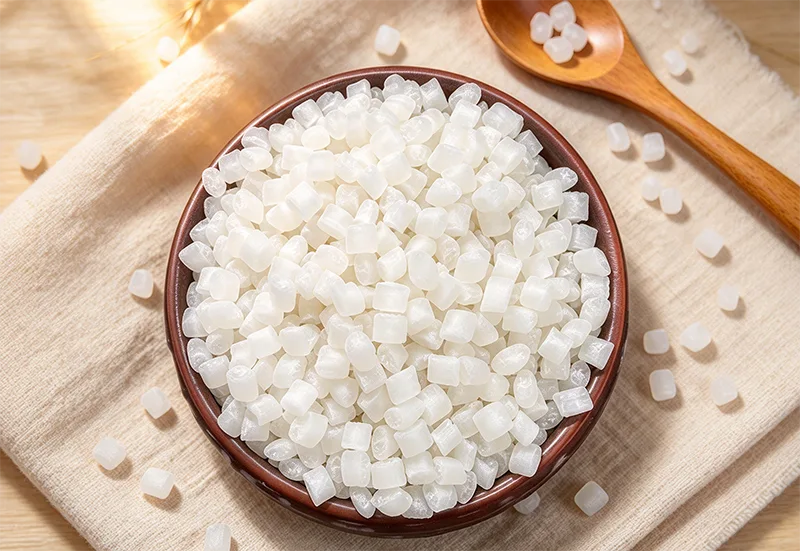
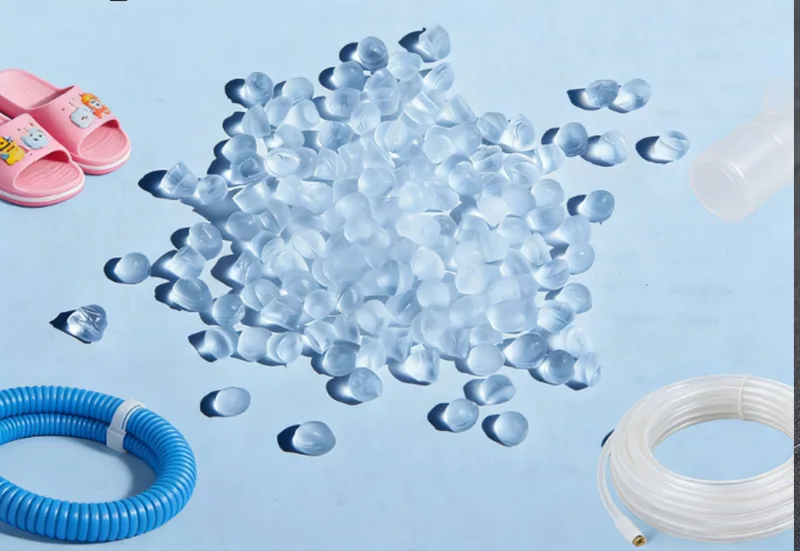
| Material Type | PVC Resin for Flame-Retardant Formulations |
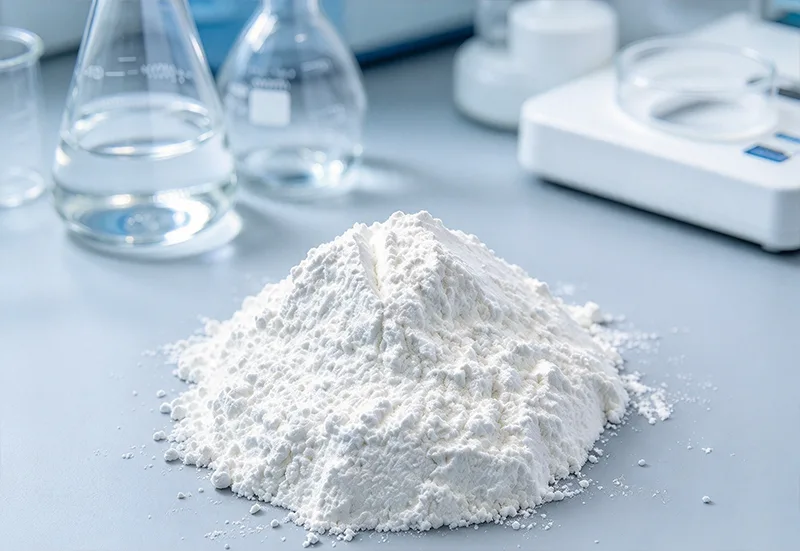
| Supply Form | PVC Powder; formulated material depends on selected product |
| Flame-Retardant System | Formulation-dependent |
| Flammability Rating | Grade-, thickness-, and test-dependent |
| Oxygen Index | Formulation-dependent |
| K-Value | Grade-dependent |
| Apparent Density | Grade-dependent |
| Plasticizer System | Application-dependent |
| Thermal Stabilization | Formulation-dependent |
| Flexibility | Formulation-dependent |
| Electrical Properties | Grade- and formulation-dependent |
| Processing Methods | Extrusion, Injection Molding, Calendaring where suitable |
| Packaging | Standard Resin Packaging |
| Available Documents | TDS, COA and Applicable Grade or Test Documentation |
Rigid flame-retardant PVC formulations can be evaluated for selected electrical housings and protective components.
Material requirements may include rigidity, dimensional stability, surface finish, impact performance, and compliance with the applicable electrical product standard.
Extruded sleeves and profiles may require a combination of flame performance, mechanical protection, and suitable flexibility.
The formulation and cross-section should be matched to the operating environment and the finished product's fire requirements.
Suitable formulations can be processed into films or sheets through calendaring or other applicable methods.
Thickness consistency, thermal stability, additive compatibility, and mechanical properties can influence final performance.
Increasing the amount of a flame-retardant additive is not necessarily a complete solution to a fire-performance problem.
Changes in filler content or additive selection may influence flexibility, impact strength, melt behavior, surface appearance, and other functional characteristics.
A cable jacket requiring repeated bending may need a different balance from a rigid protective cover even when both products must satisfy fire-performance criteria.
Manufacturers should evaluate the complete formulation and compare finished-product performance before approving material changes.
Zhejiang Zhongwang International Trade Co., Ltd. coordinates PVC raw material procurement from its location in Yuyao China Plastics City.
When requesting Flame-Retardant PVC, buyers should provide the applicable test standard, target classification, component thickness, processing method, flexibility requirements, electrical specifications, and purchasing volume.
Relevant technical documentation may include grade specifications, resin data, and applicable flame-test or compliance information where available.
The final formulation and manufactured product should be evaluated under the actual standard required for commercial use.
PVC contains chlorine and can exhibit different burning characteristics from many hydrocarbon polymers. However, the fire performance of a finished PVC product depends on its complete formulation, geometry, and the applicable test method.
Yes, suitable formulations can be considered for flexible insulation and sheathing. The material must also satisfy the relevant electrical, mechanical, thermal, and cable fire-performance requirements.
No. Flammability classifications depend on the tested material, specimen thickness, and specified test conditions. The selected grade and finished-product requirements must be verified.
Not necessarily. Additive changes can affect mechanical properties, flexibility, processability, and appearance. Performance must be evaluated for the complete formulation.
No. Flame behavior and smoke performance are different characteristics. Low-smoke claims require appropriate formulation and supporting test results.
Address
Building 1, China Plastics International Business Center, No. 285 Shunda West Road, Yuyao City, Ningbo City, Zhejiang Province, China
Tel
If you have any enquiry about quotation or cooperation, please feel free to email us or use the following inquiry form.Our sales representative will contact you within 24 hours. Thank you for your interest in our products.