Selecting Injection-Grade PVC for a new molded component involves more than identifying a suitable polymer, and Zhongwang works with B2B buyers to match resin specifications to their injection molding process.
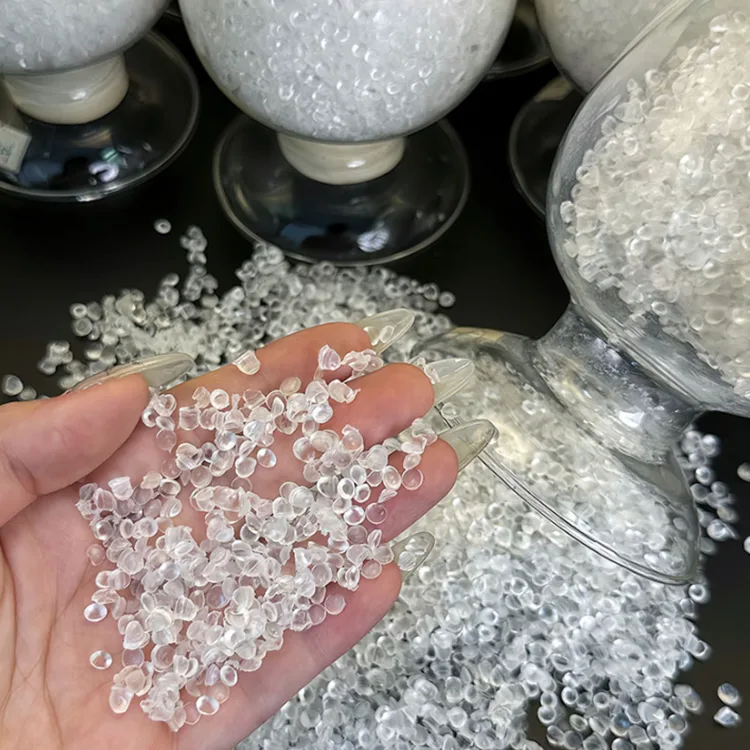
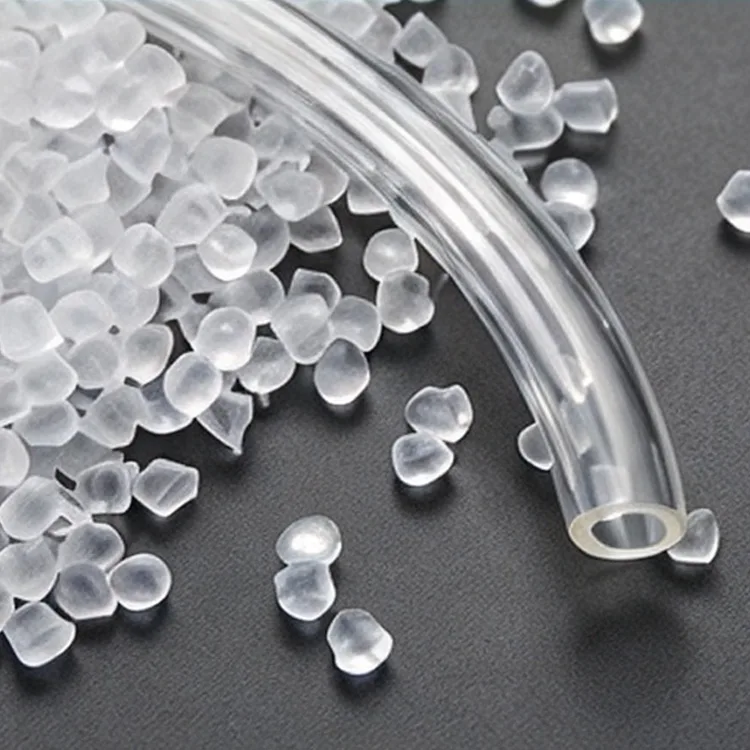
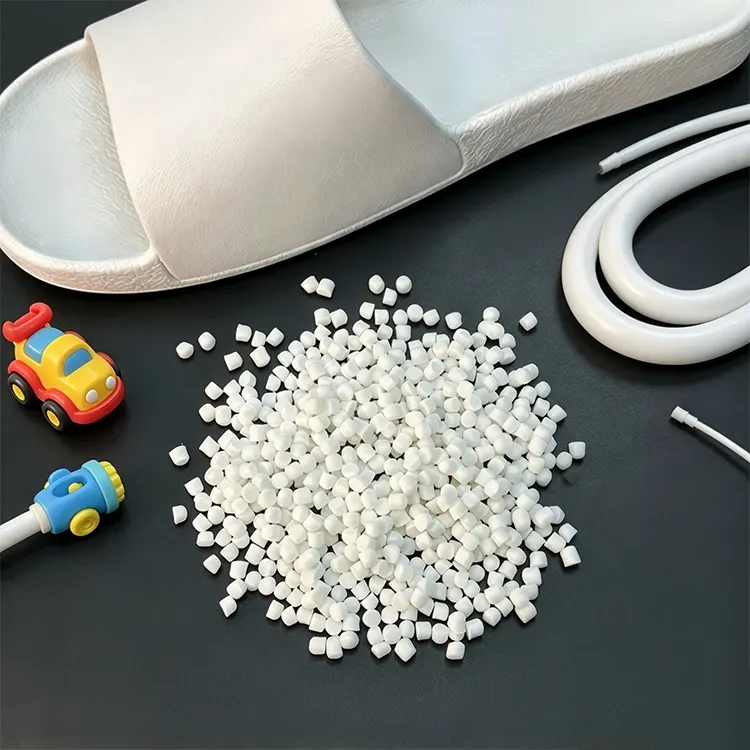
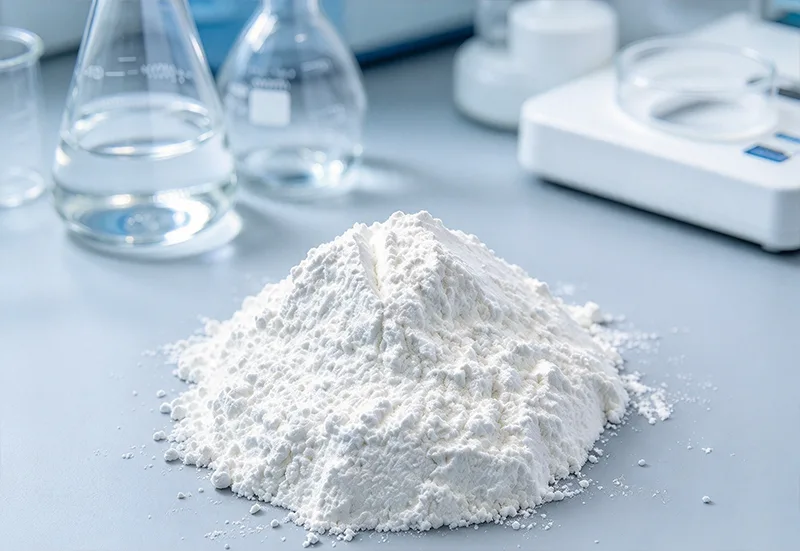
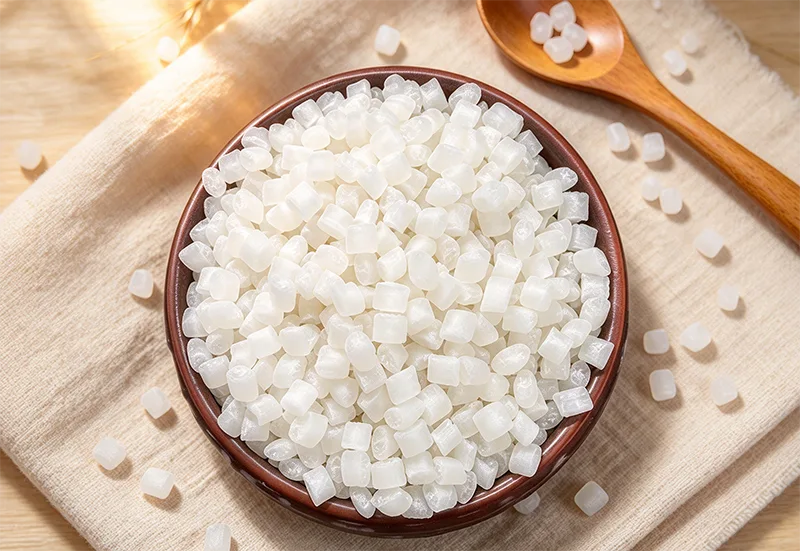
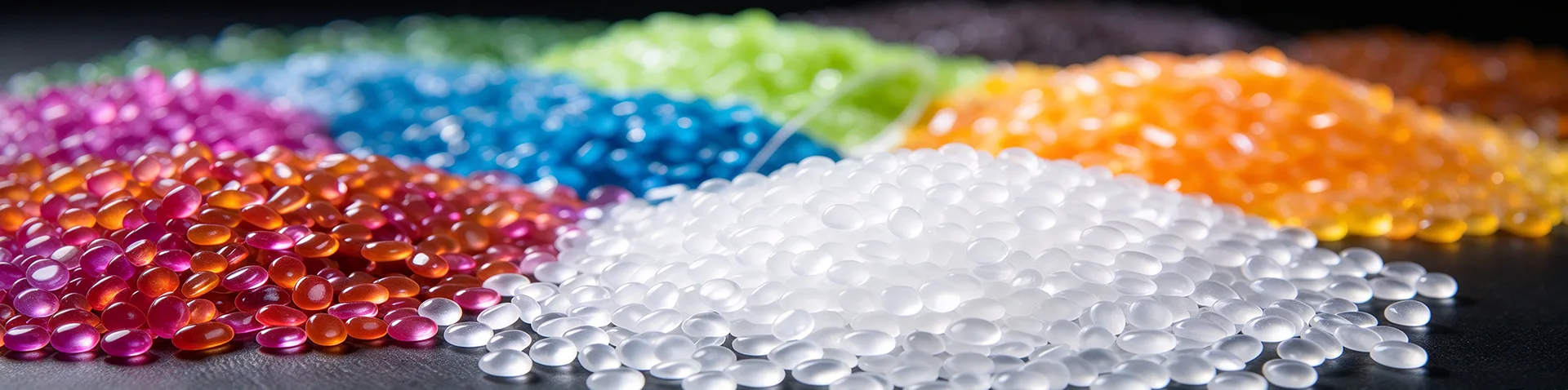
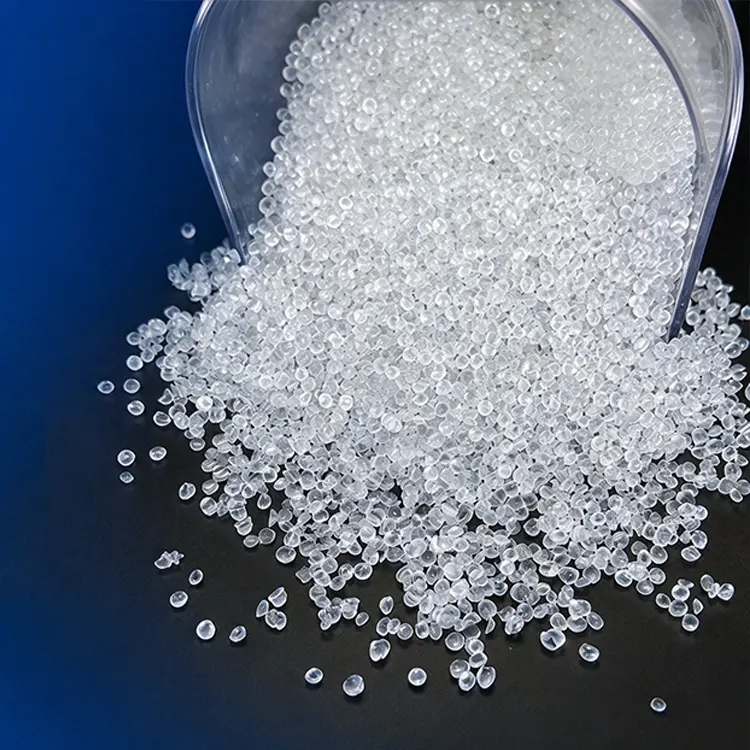
Polyvinyl chloride is generally supplied as a white resin powder before compounding. Stabilizers, lubricants, processing aids, impact modifiers, and plasticizers may be incorporated according to the finished product's requirements.
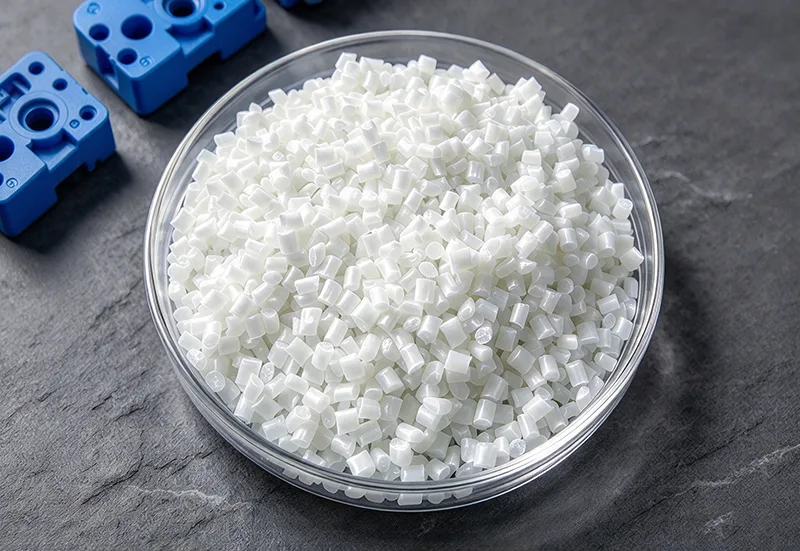
During injection molding, the formulated material must plasticize, move through the runner and gate system, fill the mold cavity, and cool into the required shape.
PVC creates a particular processing challenge because excessive thermal exposure can cause degradation. At the same time, insufficient plasticization or unsuitable flow behavior can prevent proper cavity filling.
A successful formulation therefore balances melt processing, thermal stability, mechanical performance, and the dimensions of the finished part.
| Item | Reference Specification |
|---|---|
| Product Name | Injection-Grade PVC |
| Brand | Zhongwang |
| Polymer | Polyvinyl Chloride (PVC) |
| Material Form | White Resin Powder |
| Processing Method | Injection Molding |
| K-Value | Grade-dependent |
| Apparent Density | Grade-dependent |
| Fusion and Melt Behavior | Grade- and formulation-dependent |
| Hardness | Formulation-dependent |
| Impact Performance | Formulation-dependent |
| Mechanical Properties | Grade- and formulation-dependent |
| Thermal Stability | Grade- and formulation-dependent |
| Color | White Resin Powder; finished color depends on formulation |
| Packaging | Standard Resin Packaging |
| Available Documents | TDS, COA and Applicable Grade Documentation |
Injection molding requires molten material to move through a defined flow path within a relatively short cycle. Thin sections, narrow gates, abrupt thickness changes, and complicated internal features can increase the difficulty of achieving complete filling.
A formulation with insufficient flow may produce short shots or poorly formed details. Increasing the temperature to improve filling can create additional risk if it extends the material's thermal exposure beyond a suitable processing range.
Instead of relying on temperature adjustment alone, manufacturers should evaluate resin characteristics, compound viscosity, gate design, injection conditions, and mold temperature together.
Gate location affects how the material enters the cavity and where separate flow fronts meet. Poor gate placement can lead to incomplete filling, visible weld lines, or localized mechanical weaknesses.
For molded fittings and housings, the gate should be evaluated in relation to the component's wall thickness, structural requirements, and appearance specifications.
Excessive residence time in the barrel or nozzle can expose PVC to unnecessary heat. Material degradation may result in discoloration, surface defects, or deterioration of finished-part properties.
The thermal stabilization system, equipment temperature profile, shot size, and production cycle should be matched to the selected formulation.
Once the cavity has been filled, cooling and packing conditions influence the dimensions and surface appearance of the molded part.
Uneven wall thickness and unsuitable cooling can contribute to sink marks, distortion, or dimensional inconsistency. Resin selection and mold design must therefore be assessed as part of the same production process.
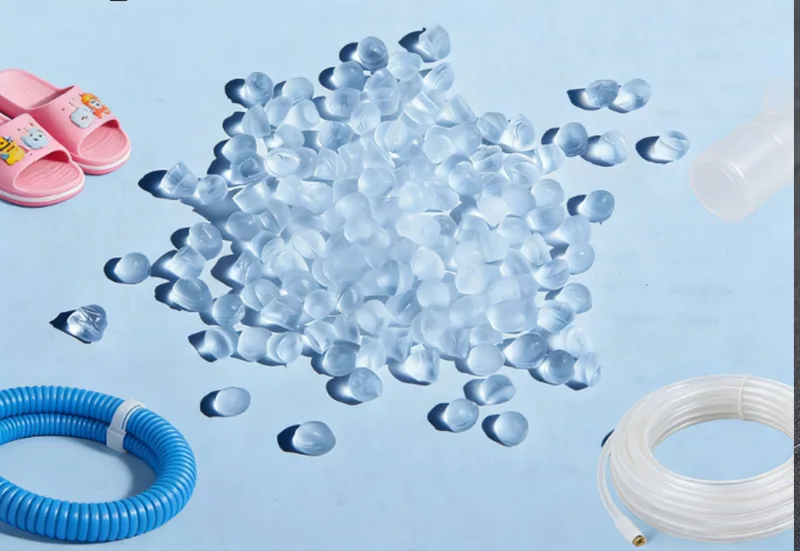
Rigid PVC formulations can be evaluated for pipe fittings, valve-related components, electrical housings, and industrial connectors.
These applications may prioritize stiffness, impact resistance, dimensional consistency, and chemical compatibility.
Mechanical requirements should be confirmed according to the finished fitting's geometry, installation conditions, and intended service environment.
Flexible formulations are relevant to molded covers, protective pieces, soft connectors, and other components requiring controlled deformation.
Plasticizer selection significantly influences softness, flexibility, and other finished-product properties.
For products exposed to heat, chemicals, or repeated movement, the complete compound must be evaluated rather than assuming that flexible PVC formulations have identical performance.
Molded components with visible surfaces require attention to color consistency, gloss, weld-line appearance, and surface defects.
These characteristics are influenced by formulation, material fusion, mold finish, processing temperature, and cooling conditions.
Short shots may result from insufficient melt flow, unsuitable injection conditions, excessive flow length, or poorly designed gates and runners.
Before changing resin grades, processors should review the compound formulation and actual mold-filling conditions.
Unexpected discoloration can be associated with excessive thermal exposure, inadequate stabilization, material stagnation, or unsuitable processing conditions.
Barrel and nozzle temperatures, residence time, and the condition of the molding equipment should be investigated.
Weld lines form when separate melt fronts meet inside the mold. Their appearance and mechanical significance depend on flow behavior, cavity design, processing conditions, and the component's service requirements.
Distortion can result from uneven cooling, part geometry, packing conditions, and differences in material shrinkage.
The selected formulation should be tested using the intended production mold where dimensional tolerances are important.
Zhejiang Zhongwang International Trade Co., Ltd. operates from Yuyao China Plastics City, supporting PVC resin procurement through established supplier channels and regional logistics resources.
For Injection-Grade PVC inquiries, buyers should provide the molded product type, existing resin specification or K-value, processing equipment, wall thickness, required hardness, impact requirements, and expected order quantity.
Drawings, existing molding problems, or sample specifications can help identify the material characteristics that need to be evaluated.
The selected resin and compound should be validated through technical documentation and representative molding trials before volume production.
PVC requires controlled thermal stabilization and plasticization. Excessive thermal exposure can cause degradation, while insufficient fusion or flow can lead to incomplete molding and defective parts.
Suitable rigid PVC formulations can be evaluated for injection-molded fittings. The finished components must meet the applicable mechanical, dimensional, chemical, and pressure-related requirements.
Possible causes include unsuitable compound flow, restricted gates, excessive flow length, insufficient injection pressure, or unfavorable processing conditions. Both the material and mold should be evaluated.
PVC powder normally requires an appropriate formulation and compounding process. The required stabilizers, lubricants, modifiers, and other ingredients depend on the intended molded product.
Buyers should consider the cavity dimensions, gate and runner layout, wall thickness, mechanical requirements, surface finish, and the processing behavior of the complete PVC formulation.
Address
Building 1, China Plastics International Business Center, No. 285 Shunda West Road, Yuyao City, Ningbo City, Zhejiang Province, China
Tel
If you have any enquiry about quotation or cooperation, please feel free to email us or use the following inquiry form.Our sales representative will contact you within 24 hours. Thank you for your interest in our products.