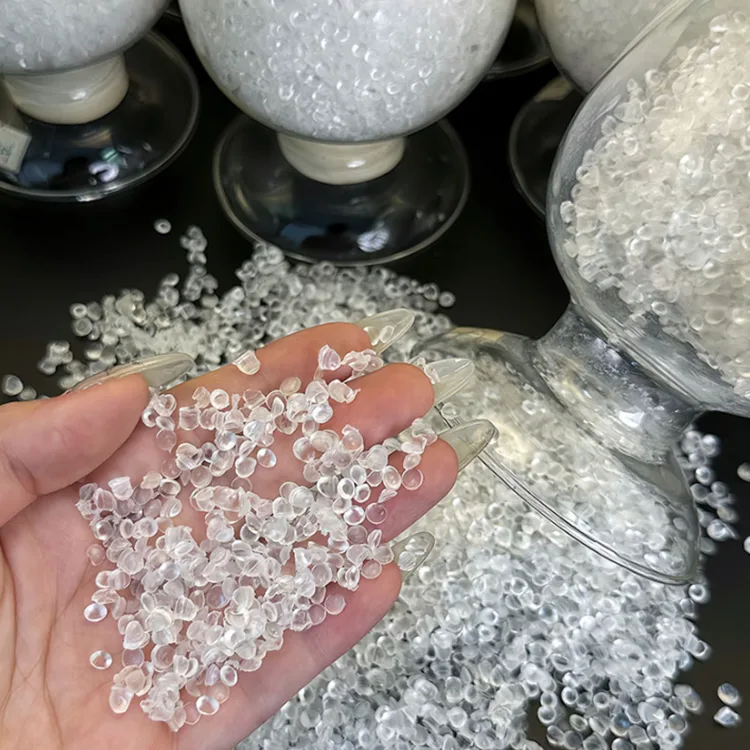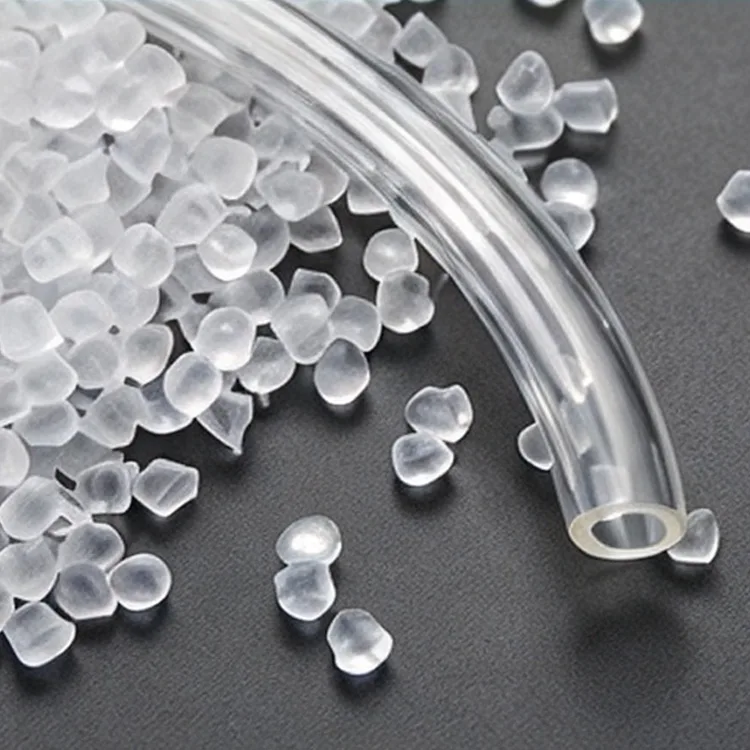
When conventional polycarbonate does not provide sufficient stiffness for a load-bearing design, Zhongwang helps manufacturers source Glass-Fiber-Reinforced PC compounds matched to their structural requirements. Based on a virgin PC matrix and surface-treated short glass fibers, these materials offer higher flexural rigidity, improved resistance to long-term deformation and better dimensional stability under mechanical loading.
Unfilled polycarbonate is valued for its impact toughness, but components such as electrical brackets, automotive supports and mechanical housings may gradually deform when exposed to sustained loads. Glass-fiber reinforcement addresses this limitation by increasing the stiffness of the polymer matrix and reducing its tendency to creep.
The resulting material is not simply a stronger version of standard PC. Reinforcement also changes impact behavior, surface appearance, molding shrinkage and flow characteristics. For this reason, the appropriate GF percentage should be determined by the finished component's mechanical requirements rather than by choosing the highest available fiber content.
Electrical mounting brackets, instrument supports and mechanical housings often remain under stress throughout their service life. Excessive deflection can affect component alignment, fastening positions and assembly tolerances.
Glass fiber increases flexural modulus and helps limit deformation under sustained loading. This makes reinforced PC relevant to structural parts where unfilled polycarbonate may not provide sufficient rigidity.
Parts installed near electrical modules, automotive systems or heat-generating equipment may experience temperatures that affect their dimensional stability. The reinforced grades offer improved heat-deflection performance compared with unfilled PC.
However, heat-deflection temperature is a laboratory test property rather than a direct continuous-service temperature rating. Actual suitability depends on the applied stress, operating environment and component design.
Lower molding shrinkage can help manufacturers manage dimensions in mounting structures and mechanical enclosures. The reference shrinkage range for these compounds is 0.1–0.3%.
Fiber orientation during injection molding still creates directional differences in shrinkage. Gate location, wall thickness and cooling conditions must therefore be considered when designing precision tooling.
GF10 contains a moderate level of short glass fiber and offers a balance between stiffness, toughness and molded surface quality. It is a practical starting point for general-purpose structural brackets, instrument supports and electrical housings operating under relatively low to medium loads.
Reference flexural modulus reaches 4,000–4,800 MPa, while heat-deflection temperature is approximately 140–145°C at 1.82 MPa.
GF20 provides a stronger emphasis on rigidity and resistance to long-term deformation. It is suitable for applications such as automotive interior components, power-module brackets and medium-load mechanical housings.
Reference flexural modulus is 5,200–6,500 MPa, with heat-deflection temperature around 145–150°C at 1.82 MPa. A flame-retardant version can also be considered for electronic structural parts requiring UL94 V-0 performance, subject to grade-specific certification and test thickness.
GF30 is intended for components where structural rigidity and resistance to deformation take priority. It offers the highest flexural modulus within the supplied short-glass-fiber series, making it relevant to load-bearing parts exposed to continuous mechanical stress.
Reference flexural modulus reaches 7,000–8,500 MPa, with heat-deflection temperature of approximately 150–158°C at 1.82 MPa.
The higher reinforcement level also introduces trade-offs. Impact performance and surface appearance may become less favorable, while increased fiber content can accelerate mold wear during repeated production.
| Parameter | Reference Data |
|---|---|
| Product | Glass-Fiber-Reinforced PC / Glass-Filled Polycarbonate Pellets |
| Brand | Zhongwang |
| Glass Fiber Content | GF10% / GF20% / GF30% |
| Base Material | Virgin Polycarbonate (PC) |
| Density | 1.27–1.36 g/cm³, depending on GF content |
| MFR | 6–14 g/10 min (300°C/1.2 kg), grade-dependent |
| Flexural Modulus | 4,000–8,500 MPa |
| Heat-Deflection Temperature | 140–158°C at 1.82 MPa |
| Notched Izod Impact at 23°C | 9–14 kJ/m², typical reference |
| Mold Shrinkage | 0.1–0.3% |
| Available Modification | Flame-Retardant / Customized Toughening Options |
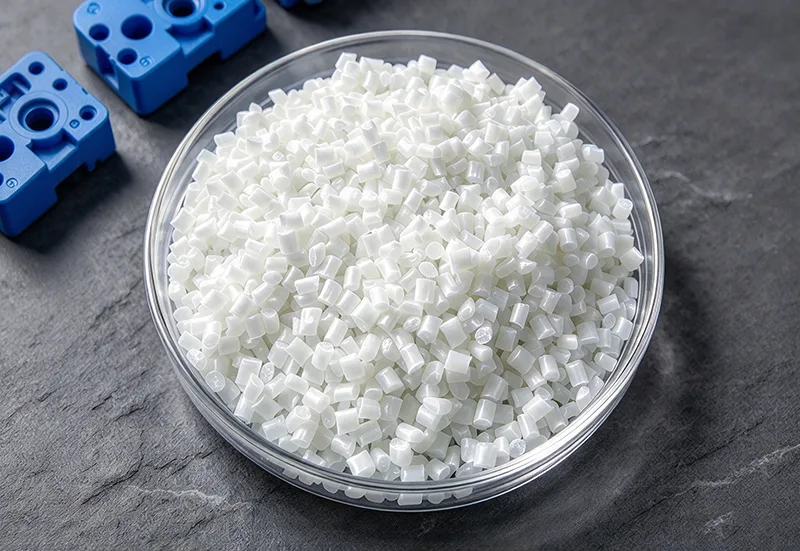
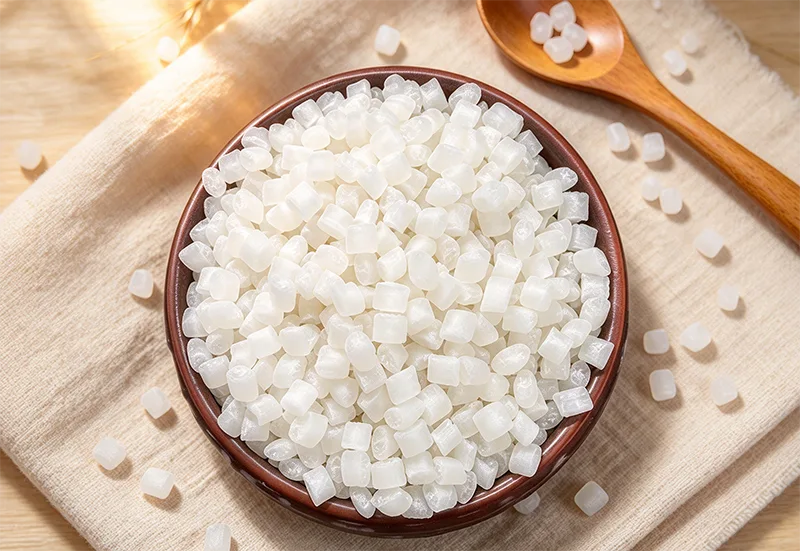
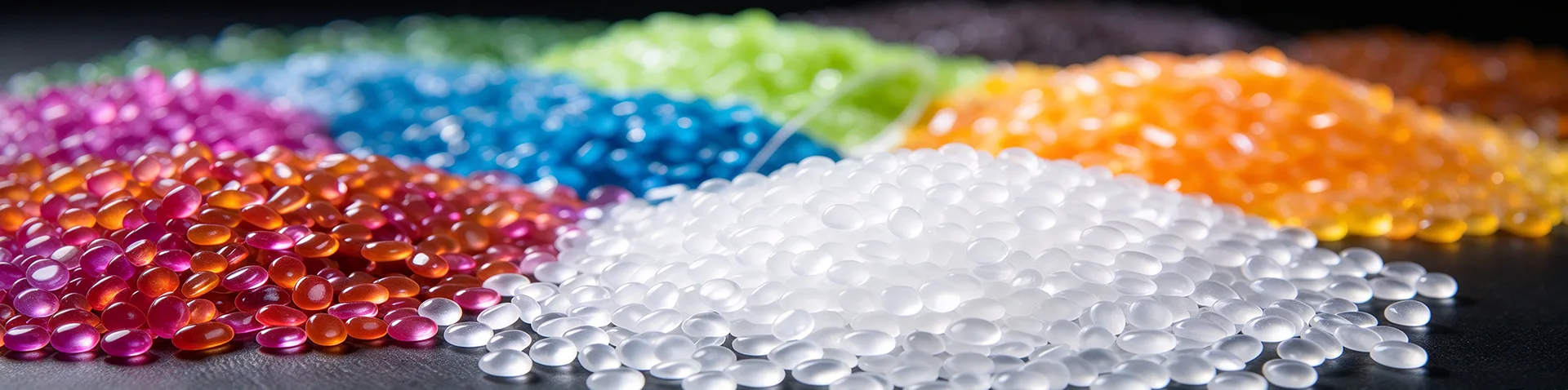
| Appearance | Black / Natural Opaque Pellets |
| Processing Method | Injection Molding |
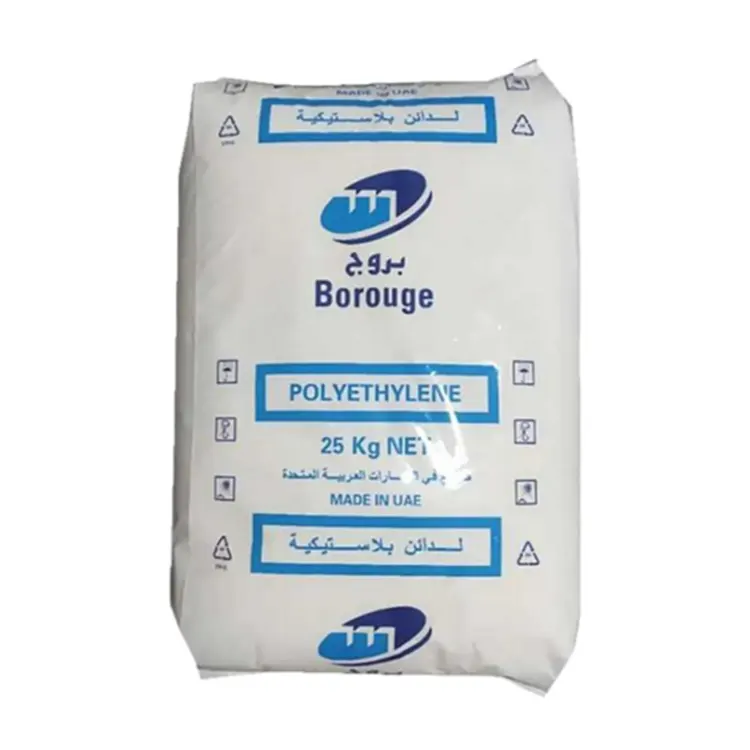
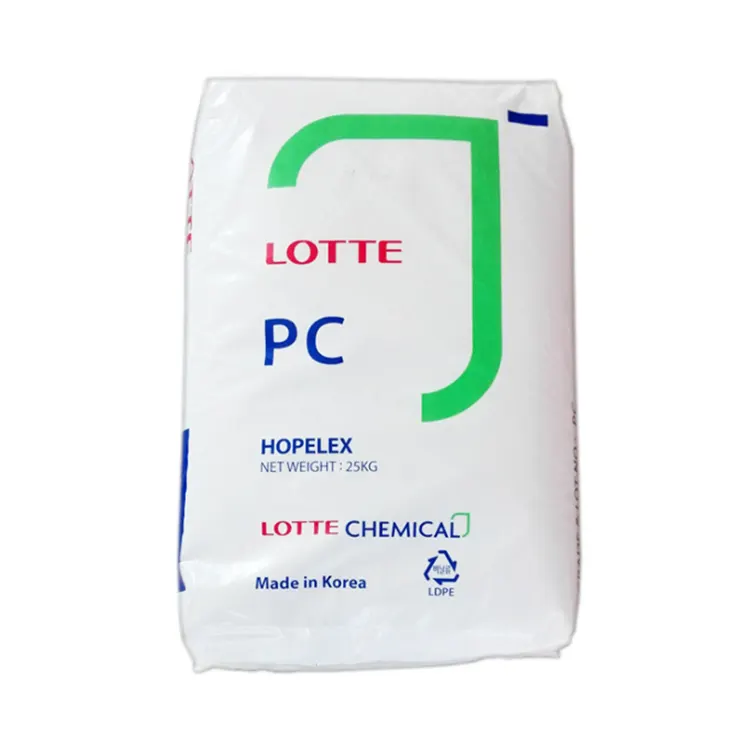
| Standard Packaging | 25 kg Moisture-Proof Woven Bags |
| Place of Origin | Yuyao, Zhejiang, China |
| Available Documents | COA, TDS, MSDS, Mechanical-Performance Test Reports and UL94 Reports for Applicable FR Grades |
All figures are typical reference values across different reinforcement levels. Actual specifications depend on the selected formulation and batch. Buyers should confirm the corresponding TDS and COA before production approval.
Electrical brackets, power-module supports and internal equipment housings can benefit from the increased rigidity of glass-filled PC. Where the finished component is subject to fire-safety requirements, a suitable flame-retardant formulation can be evaluated alongside mechanical performance.
Automotive interior supports and structural mounting parts may require a combination of stiffness, dimensional consistency and thermal performance. GF20 and GF30 grades are relevant starting points when the component experiences sustained mechanical loading.
For mechanical enclosures, instrument supports and structural inserts, reinforcement can help reduce deflection and maintain the relative position of assembled components. The required fiber percentage should be determined by load conditions, wall thickness and acceptable deformation.
Glass-filled polycarbonate requires more attention to molding conditions than a simple material substitution might suggest. Fiber distribution, pellet moisture and melt flow can all influence the finished component.
Polycarbonate is hygroscopic, and insufficient drying can lead to silver streaks, bubbles and material degradation. The supplied reference recommends drying at 110–120°C for 3–6 hours. Actual drying conditions should be confirmed against the selected grade's technical instructions and moisture requirements.
Glass fibers tend to align with the direction of melt flow. This creates anisotropic mechanical properties and different shrinkage behavior along and across the flow direction.
For parts with mounting holes, ribs or uneven wall thickness, gate positioning and mold design should be evaluated carefully. An unsuitable flow path may increase warpage and dimensional variation even when the raw-material specifications are acceptable.
Excessive screw speed and high shear can shorten glass fibers during plasticization. Reduced fiber length may affect the reinforcing effect, while fiber-related surface defects can become more visible in molded parts.
The reference barrel temperature range is 270–300°C. Fine-tune the actual settings according to the selected compound, mold design and production conditions.
Repeated thermal processing can shorten glass fibers and reduce the consistency of mechanical performance. The supplied reference identifies low-proportion regrind addition of up to 15% as acceptable under controlled conditions, but the actual permitted ratio should be validated for the selected grade and application. For critical structural parts, virgin material is the preferred starting point.
Zhongwang uses virgin PC base resin compounded with surface-modified short glass fibers. Quality inspection covers mechanical properties, heat-deformation performance and pellet appearance before shipment.
For manufacturers qualifying a new material, third-party inspection can be arranged upon request. Available documentation includes:
Buyers can also discuss customized combinations of glass-fiber reinforcement, flame-retardant modification and toughening requirements, subject to formulation availability.
Located in Yuyao China Plastics City, Zhejiang Zhongwang International Trade Co., Ltd. serves industrial buyers sourcing engineering plastics for automotive, electrical, electronics and mechanical manufacturing.
The company's location provides access to Ningbo Beilun Port, approximately 60 km away, and Hangzhou Xiaoshan International Airport, approximately 80 km away. This supports domestic distribution and export logistics arrangements.
For a quotation, provide the required glass-fiber percentage, target mechanical properties, operating temperature, flame-retardant requirements, component wall thickness, processing conditions and estimated order quantity.
No. Higher fiber content generally increases stiffness and heat-deflection performance, but it can also reduce notched impact toughness, affect surface appearance and increase mold wear. The appropriate grade depends on the component's mechanical and dimensional requirements.
GF10 provides a balance of rigidity and surface quality for general structural parts. GF20 offers higher stiffness for medium-load components, while GF30 prioritizes maximum rigidity within the available short-fiber series for more demanding structural applications.
Yes. Flame-retardant modified grades are available upon request. The GF20 series includes a reference option for electronic structural components requiring UL94 V-0 performance. Confirm the exact grade, test thickness and applicable certification before ordering.
Glass fibers align with melt flow, resulting in different shrinkage rates along and across the flow direction. Gate position, mold structure, cooling conditions and component geometry all influence the final dimensional stability.
Controlled low-proportion regrind may be considered after validation. However, repeated heating can shorten glass fibers and reduce reinforcement efficiency. Virgin material is recommended as the starting point for applications requiring consistent structural performance.
Address
Building 1, China Plastics International Business Center, No. 285 Shunda West Road, Yuyao City, Ningbo City, Zhejiang Province, China
Tel
If you have any enquiry about quotation or cooperation, please feel free to email us or use the following inquiry form.Our sales representative will contact you within 24 hours. Thank you for your interest in our products.