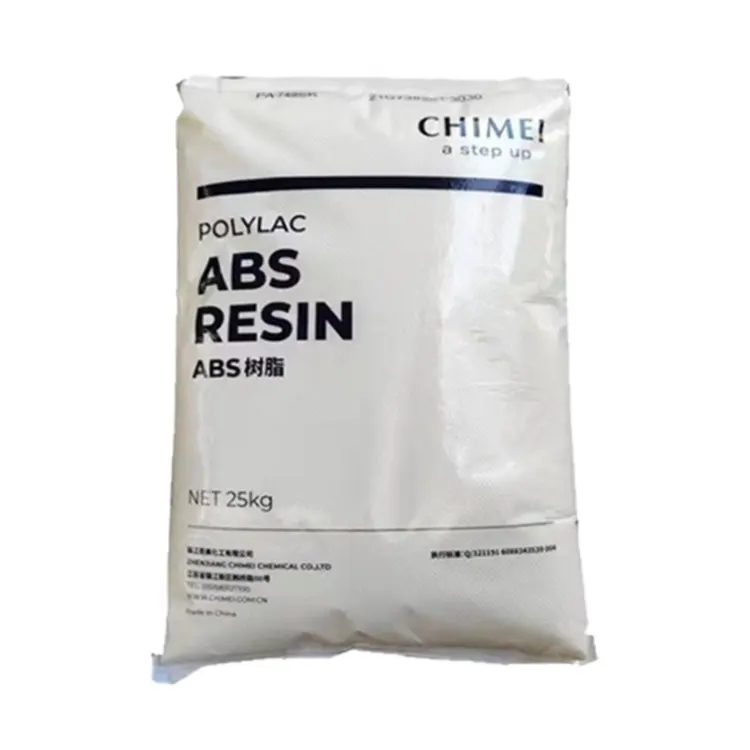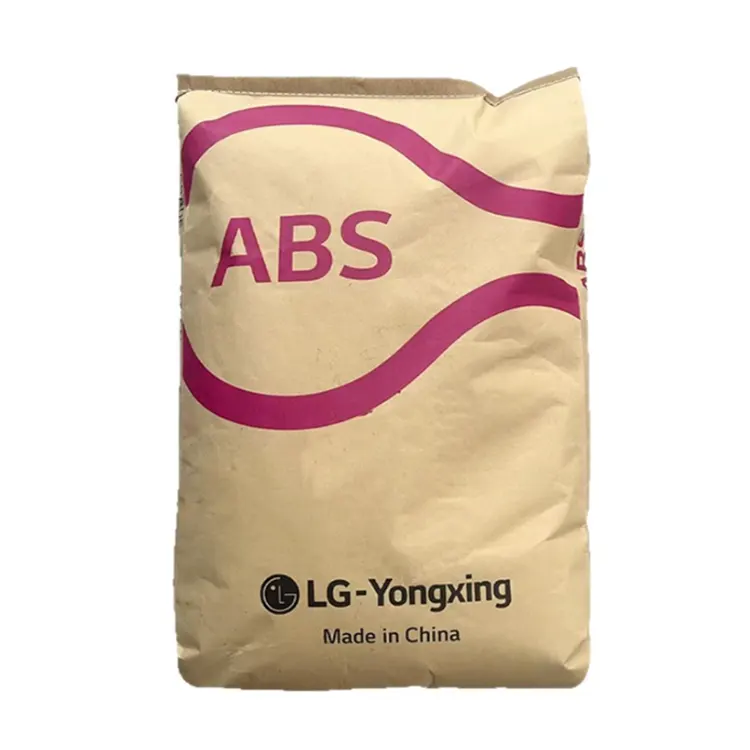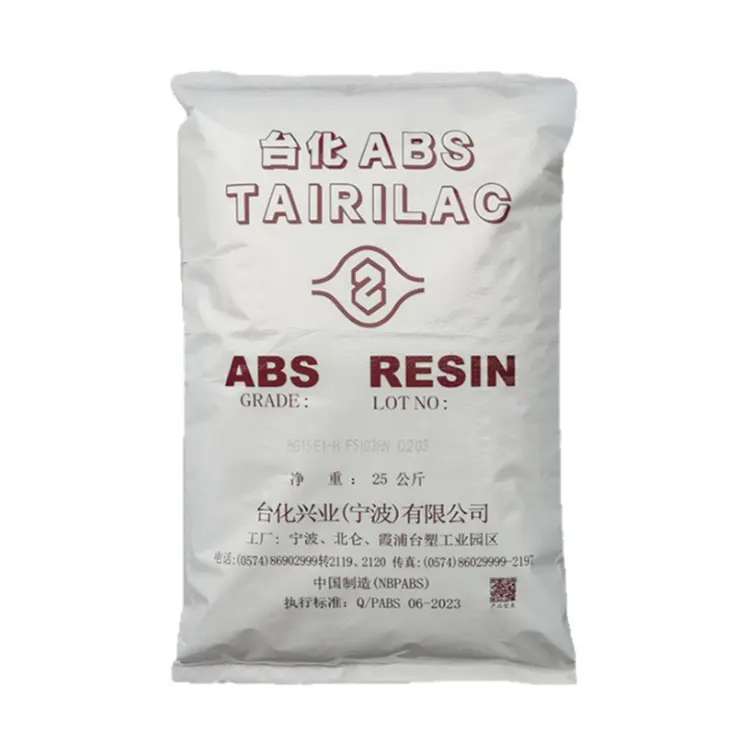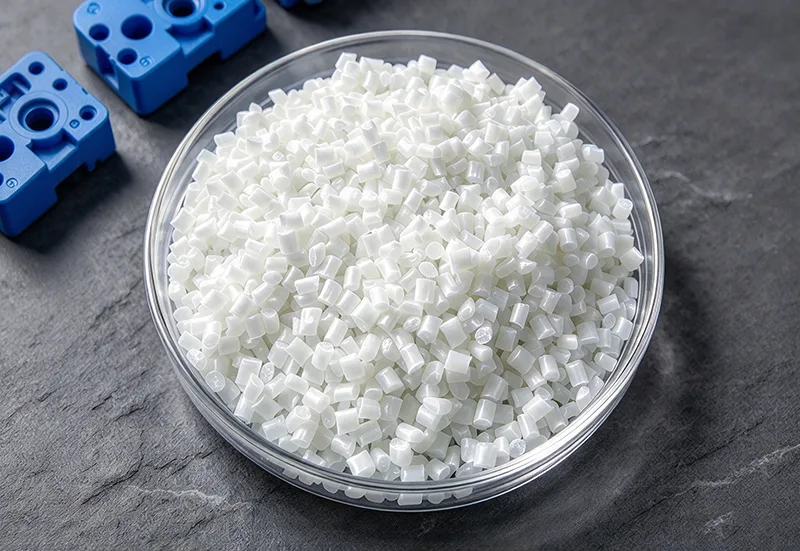
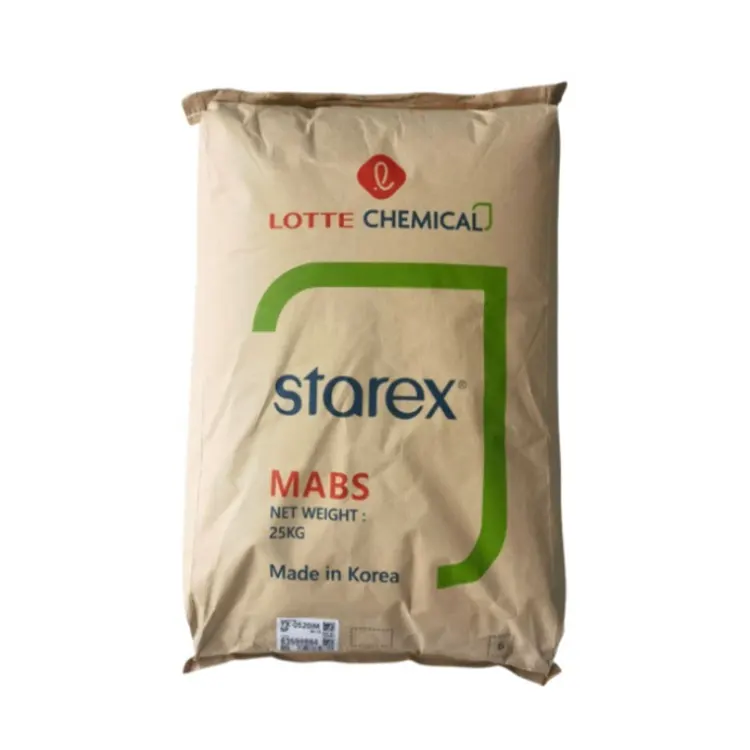
Glass-Fiber-Reinforced ABS is an ABS-based engineering material containing glass fiber reinforcement. Compared with unfilled ABS, the addition of glass fibers can increase stiffness and improve dimensional stability, making the material suitable for applications where standard ABS may not provide sufficient structural support.
The performance of reinforced ABS depends on the base ABS resin, glass fiber content, fiber distribution, processing conditions and finished-product design. Different grades can therefore provide different balances between rigidity, impact performance, weight, surface appearance and processability.
We supply Glass-Fiber-Reinforced ABS for applications where mechanical reinforcement and dimensional control are important considerations.
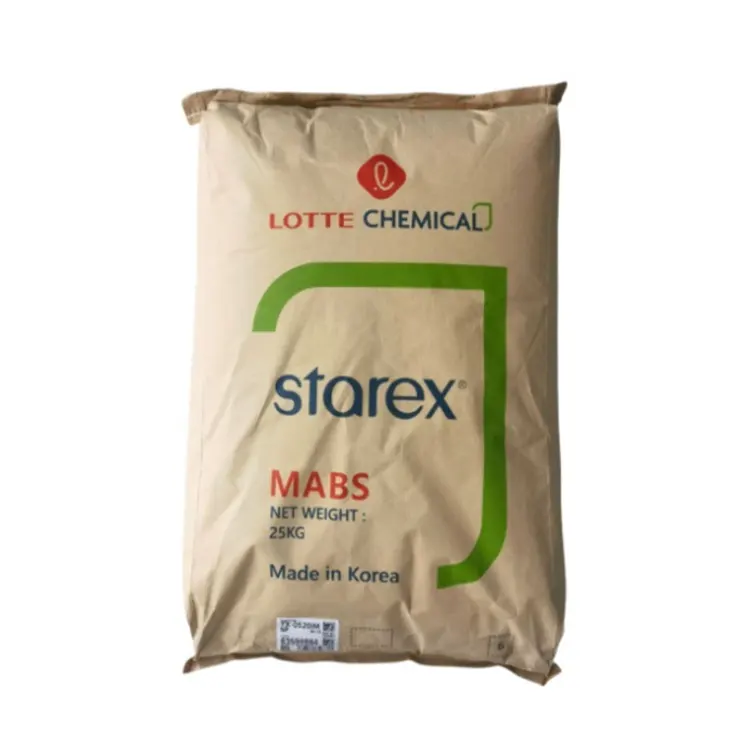
Glass fibers can significantly increase the stiffness of the ABS matrix. This makes reinforced ABS suitable for components that need to maintain their shape under mechanical loading.
Glass fiber reinforcement can reduce molding shrinkage compared with unfilled ABS and improve dimensional stability when appropriate processing conditions are used.
The reinforced structure can improve resistance to deformation under load. This characteristic is relevant to structural housings, brackets and other components requiring shape retention.
Glass fiber reinforcement can improve the material's resistance to deformation at elevated temperatures. The actual heat-related properties depend on the selected grade and reinforcement level.
Glass fibers tend to orient during injection molding. As a result, mechanical properties and shrinkage can vary between different directions of the molded component.
|
Item |
Reference Information |
|
Product Name |
Glass-Fiber-Reinforced ABS |
|
Brand |
Zhongwang |
|
Matrix Material |
ABS Resin |
|
Reinforcement |
Glass Fiber |
|
Material Form |
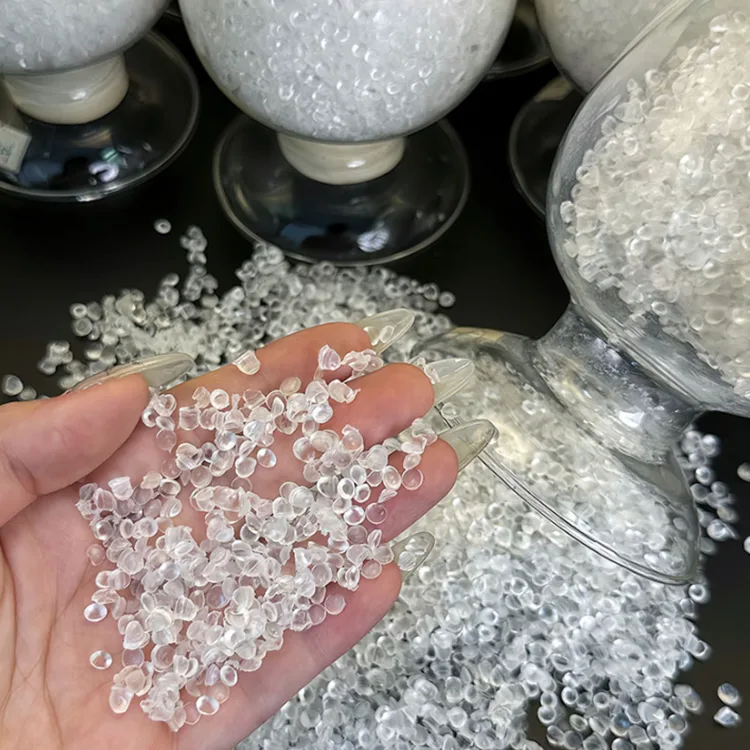
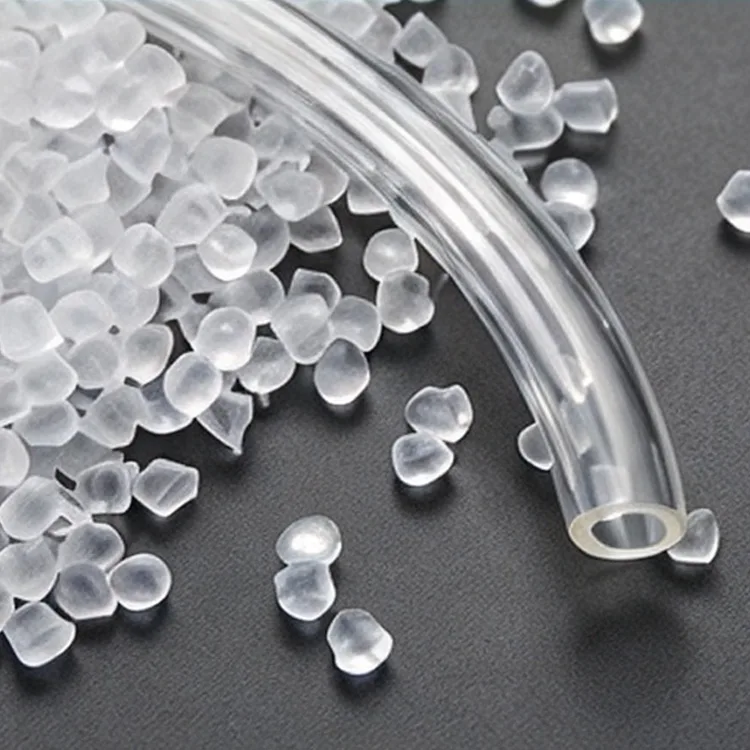
Pellets |
|
Glass Fiber Content |
Grade-dependent |
|
MFR / MFI |
Grade-dependent |
|
Density |
Grade-dependent |
|
Tensile Strength |
Grade-dependent |
|
Flexural Modulus |
Grade-dependent |
|
Impact Strength |
Grade-dependent |
|
Heat Resistance |
Grade-dependent |
|
Dimensional Stability |
Improved through reinforcement, grade-dependent |
|
Shrinkage |
Grade-dependent |
|
Processing |
Injection molding and applicable processing methods |
|
Color |
Natural or grade-dependent |
|
Packaging |
Standard resin packaging |
|
Technical Documents |
TDS, COA and applicable product documentation |
Specific technical values should be confirmed according to the selected grade and its corresponding technical documentation.
Glass fiber content is one of the main factors affecting the performance of reinforced ABS. Increasing reinforcement can generally increase stiffness and dimensional stability, but it may also influence impact behavior, surface appearance, flow characteristics and processing requirements.
When selecting a grade, consider:
Required rigidity
Dimensional tolerance
Mechanical loading
Operating temperature
Impact requirements
Product wall thickness
Mold structure
Surface appearance
Processing equipment
Glass fiber content
The appropriate reinforcement level should be determined according to the finished component rather than selected solely by fiber percentage.
During injection molding, glass fibers tend to align with the direction of melt flow. This orientation can create differences in mechanical properties and shrinkage between flow and transverse directions.
Gate position, runner design and product geometry can influence fiber orientation and material distribution. These factors should be considered when designing molds for reinforced ABS.
Melt temperature, injection speed, holding pressure and cooling conditions influence the final performance and appearance of the molded component. Processing parameters should follow the requirements of the selected grade.
Glass fiber reinforcement may produce a different surface texture from unfilled ABS. For visible components, mold conditions, material grade and surface requirements should be evaluated together.
Glass-Fiber-Reinforced ABS can be considered for:
Automotive structural components
Automotive interior components
Electrical equipment housings
Electronic equipment parts
Appliance structural components
Industrial housings
Brackets and supports
Mechanical components
Panels and covers
Components requiring increased rigidity
Parts requiring improved dimensional stability
The final application should be matched with the technical specifications of the selected reinforced ABS grade.
|
Property |
Glass-Fiber-Reinforced ABS |
Standard ABS |
|
Rigidity |
Higher, grade-dependent |
Moderate to high |
|
Dimensional Stability |
Improved, grade-dependent |
Good |
|
Deformation Resistance |
Improved |
Moderate |
|
Shrinkage |
Generally lower, direction-dependent |
Higher than reinforced grades |
|
Weight |
Higher due to glass fiber |
Lower |
|
Surface Appearance |
May show fiber-related texture |
Generally smoother |
|
Processing |
Requires attention to fiber orientation |
Relatively straightforward |
|
Typical Application |
Structural and reinforced components |
General molded components |
These are general material characteristics. Actual differences depend on the selected grade and processing conditions.
For structural applications, material selection should consider the complete component design.
Load requirements:Identify whether the part is exposed to constant load, impact, vibration or repeated mechanical stress.
Dimensional requirements:Tight dimensional tolerances may require attention to glass fiber orientation and molding shrinkage.
Temperature conditions:Operating temperature should be compared with the thermal performance of the selected grade.
Surface requirements:Visible components may require a balance between reinforcement and surface appearance.
Mold design:Gate location, flow direction and cooling conditions can affect the final performance of reinforced ABS components.
We are located at China Plastics City International Business Center in Yuyao, with access to plastics raw-material warehousing and logistics resources.
Our product range includes PP, PE, ABS, PC, PC/ABS, PA and other plastic resins. We maintain business cooperation with Sinopec, PetroChina and other domestic and international material brands.
For Glass-Fiber-Reinforced ABS sourcing, we can communicate with buyers regarding:
Finished-product structure
Required rigidity
Glass fiber reinforcement level
Dimensional requirements
Processing method
Mold structure
Operating environment
Surface requirements
Expected purchase volume
These details help determine the appropriate material specifications and supporting technical documentation.
Because reinforced ABS grades can differ significantly in formulation and reinforcement level, technical evaluation should be based on the specific grade.
Relevant documentation may include:
Technical Data Sheet (TDS)
Certificate of Analysis (COA)
Grade information
Glass fiber content
Physical and mechanical properties
Thermal performance data
Processing recommendations
Packaging information
Supply details
Actual values should be confirmed against the applicable grade documentation before production use.
Address
Building 1, China Plastics International Business Center, No. 285 Shunda West Road, Yuyao City, Ningbo City, Zhejiang Province, China
Tel
If you have any enquiry about quotation or cooperation, please feel free to email us or use the following inquiry form.Our sales representative will contact you within 24 hours. Thank you for your interest in our products.