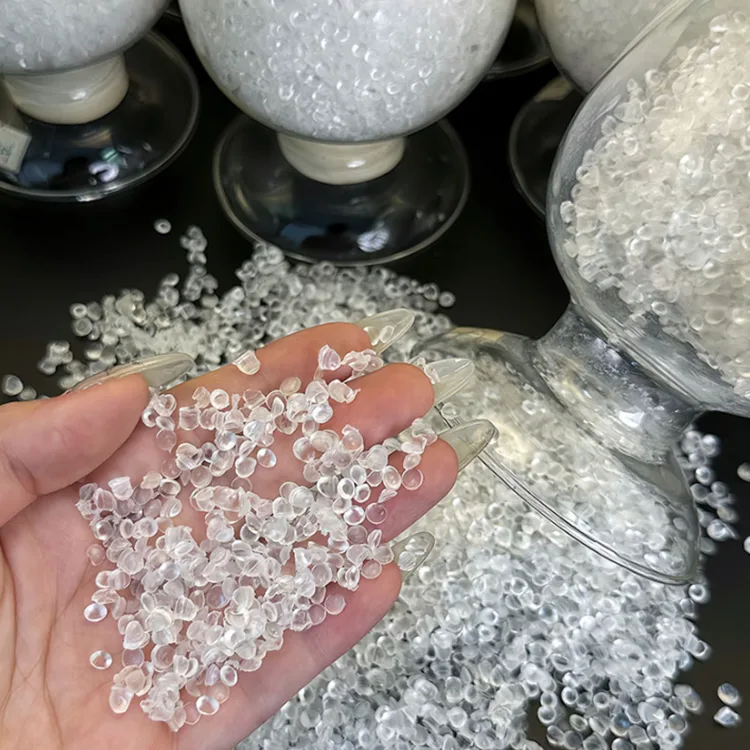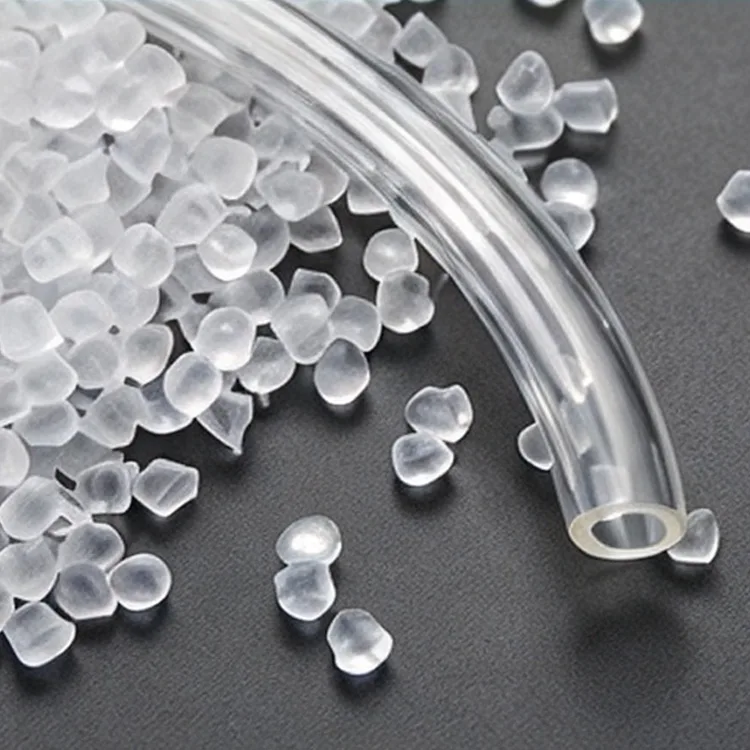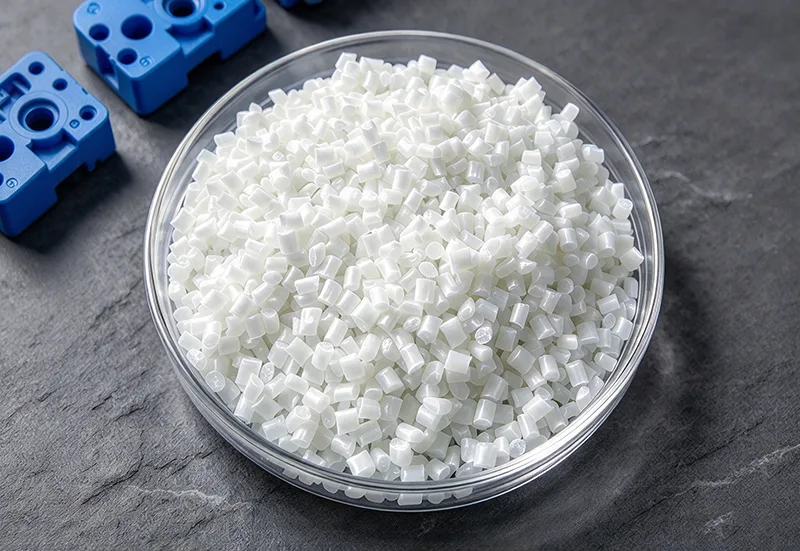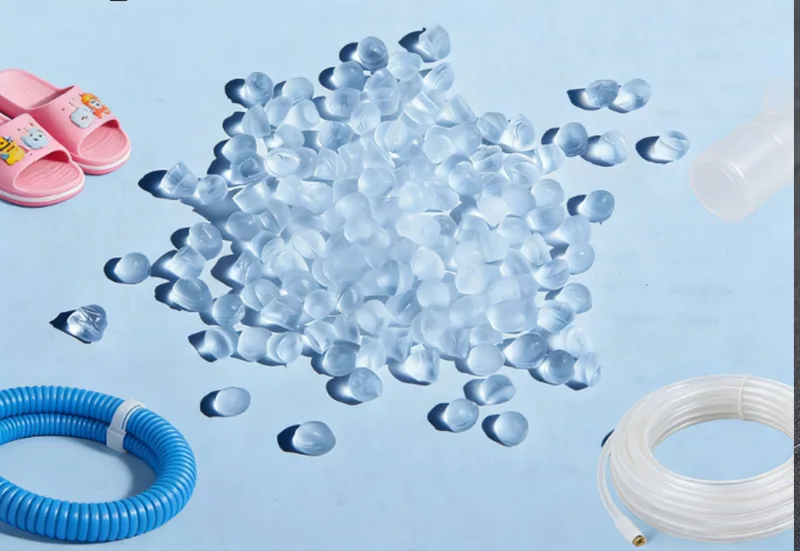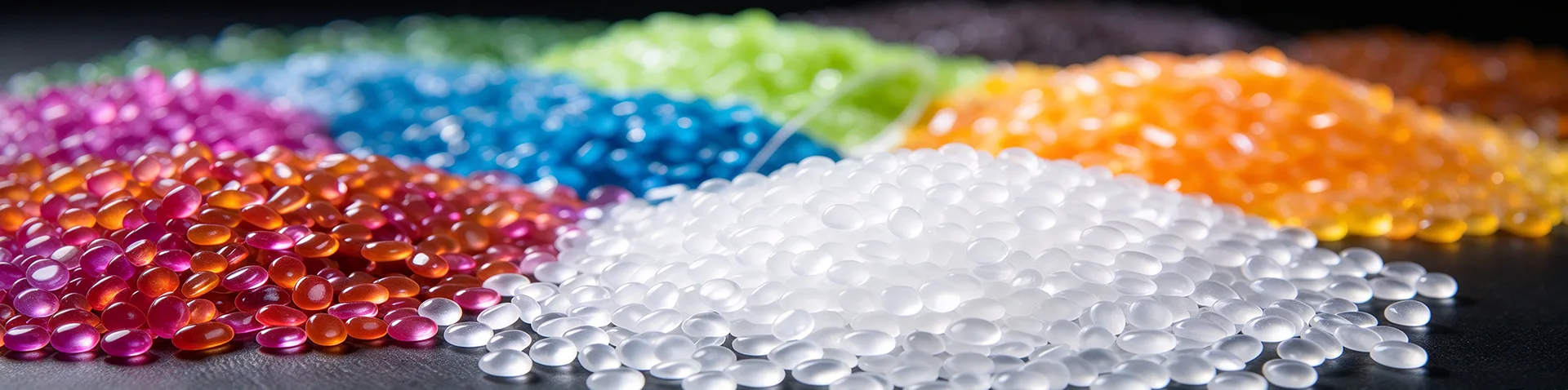
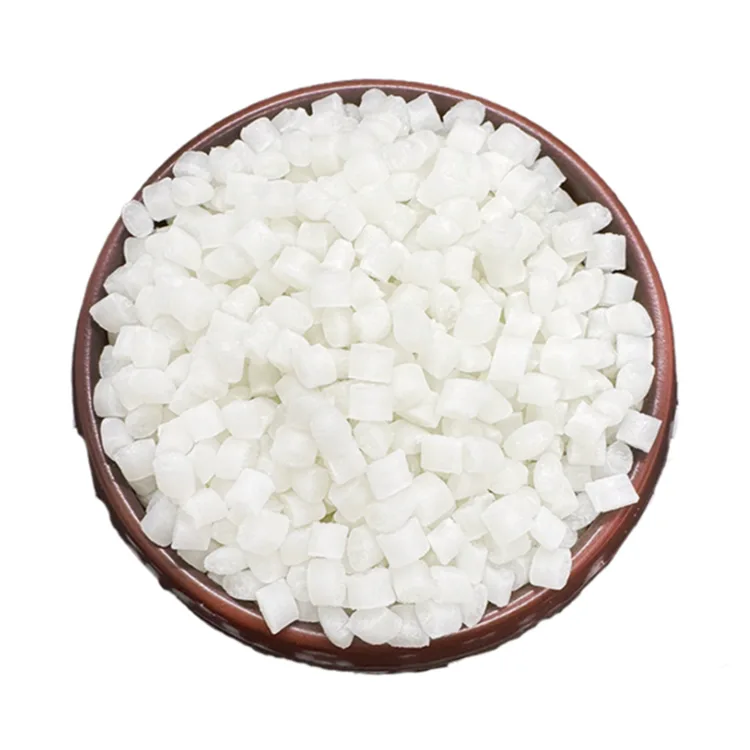
For procurement teams comparing reinforced plastics, Zhongwang coordinates sourcing of Glass-Fiber-Reinforced PP according to the component specification, required glass fiber content and production process. The material combines a polypropylene matrix with glass fibers to change how a molded part responds to load, heat and shrinkage.
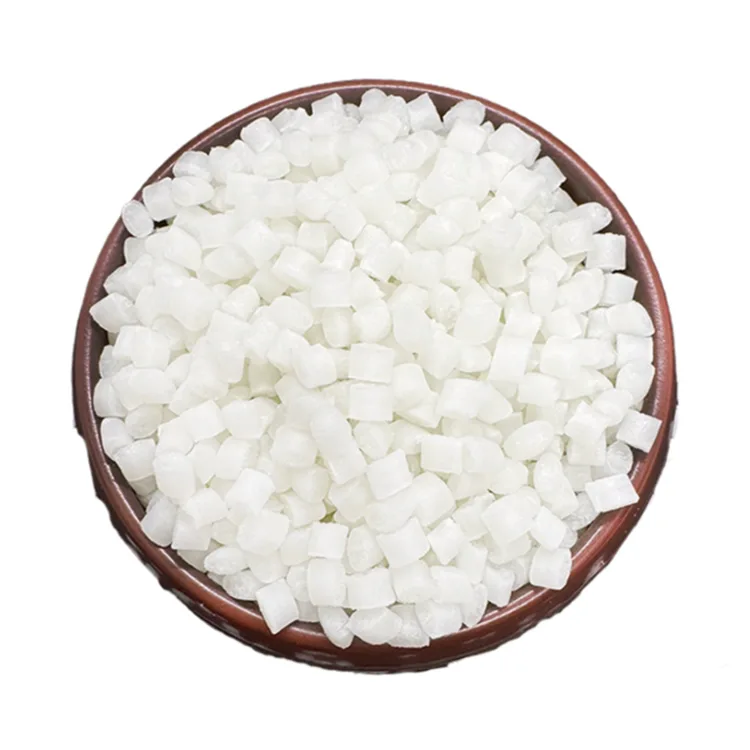
The main reason to consider this material is not simply higher strength. Reinforcement can help a part retain its shape under mechanical stress and reduce overall molding shrinkage, but it also changes flow behavior, surface appearance, density and directional shrinkage. These trade-offs matter when a component has tight dimensional tolerances, visible surfaces or loads acting in a particular direction.
A suitable grade should therefore be chosen around the finished component, not by selecting the highest available fiber content. Zhongwang can coordinate grade sourcing and technical documentation against an existing manufacturer reference or a defined set of processing and performance requirements.
Glass fibers increase the stiffness of the polypropylene matrix, allowing properly designed molded parts to resist bending or deformation more effectively than comparable unfilled PP grades. This can be useful for brackets, equipment components, housings and other parts that need structural support.
The level of improvement depends on fiber content, formulation, fiber orientation and component geometry. Tensile strength and flexural modulus should be checked in the selected grade’s technical data when these values determine whether the part meets its design requirements.
Unfilled PP can shrink during cooling after molding. Glass fiber reinforcement generally reduces overall shrinkage, which may help when a component must maintain its dimensions or fit with other parts.
However, lower average shrinkage does not guarantee uniform dimensions in every direction. Fibers tend to align with melt flow during injection molding, potentially creating differences between flow and cross-flow directions. Gate position, wall thickness, mold design and cooling conditions should be considered alongside the nominal shrinkage data.
Reinforcement can improve resistance to deformation under certain thermal and mechanical loads. The actual service performance depends on the grade and the conditions experienced by the finished part.
For components exposed to elevated temperatures while carrying a load, review the relevant thermal and mechanical data rather than relying on a general claim of improved heat resistance. Continuous operating temperature, short-term exposure and the applied load should all be defined before material selection.
Adding glass fiber increases material density compared with unfilled PP and may affect the appearance of the molded surface. Depending on the grade and molding conditions, fiber-related surface effects can be visible.
Where appearance, paintability or a uniform exterior finish is important, discuss the surface requirement before approving a grade. A formulation optimized for stiffness may not be the best match for a component with demanding cosmetic requirements.
| Item | Reference Information |
|---|---|
| Product Name | Glass-Fiber-Reinforced PP |
| Brand | Zhongwang |
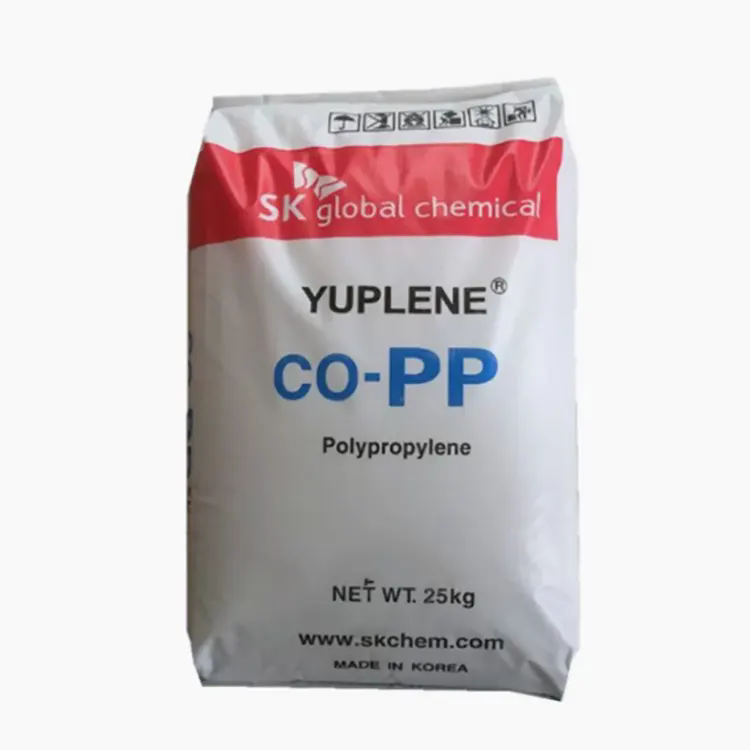
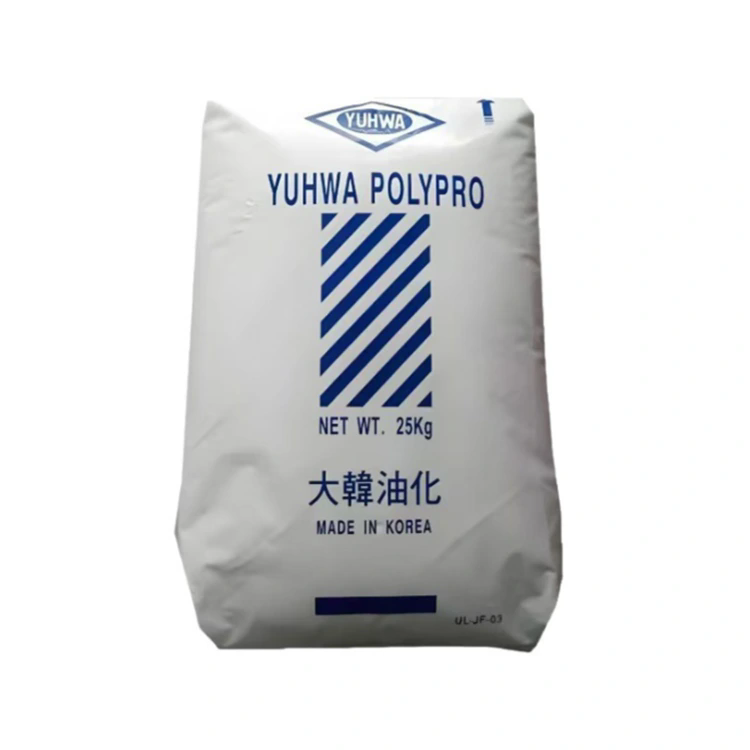
| Matrix Material | Polypropylene (PP) |
| Reinforcement | Glass fiber |
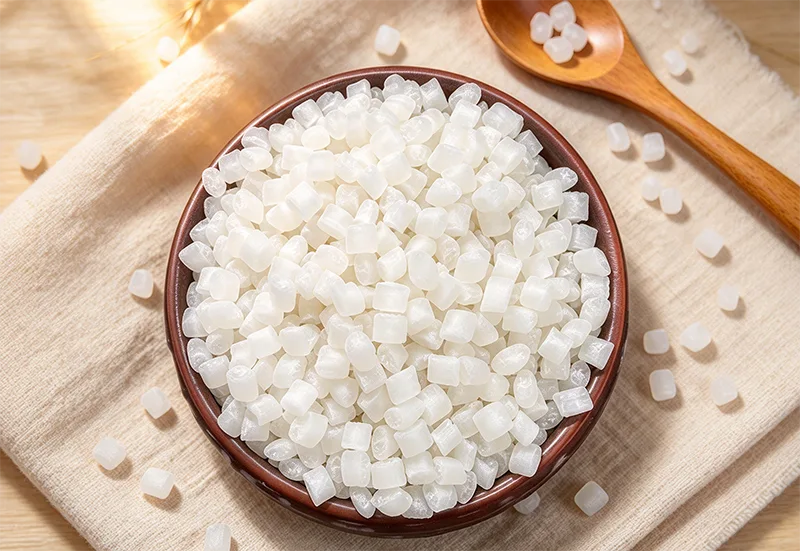
| Supply Form | Resin pellets |
| Glass Fiber Content | Grade-dependent |
| Melt Flow Rate (MFR) | Grade-dependent |
| Density | Grade-dependent |
| Tensile Strength | Grade-dependent |
| Flexural Modulus | Grade-dependent |
| Impact Strength | Grade-dependent |
| Heat Resistance | Grade-dependent |
| Main Processing Method | Injection molding |
| Color | According to selected grade |
| Packaging | Confirm according to order requirements |
| Technical Documents | TDS, COA, MSDS and applicable documents, subject to availability |
No universal numerical values are provided because the source information does not identify a specific grade or fiber percentage. Confirm physical properties, test methods and processing recommendations using the original technical documentation for the material being quoted.
Fiber content is an important purchasing parameter because it affects more than stiffness. Changes in reinforcement level can influence tensile and flexural performance, impact behavior, density, shrinkage, surface finish and processing characteristics.
A higher fiber content may be considered when rigidity and dimensional stability are major priorities. A lower reinforcement level may be more appropriate when the part needs a different balance between stiffness, impact behavior, surface quality and processability. The highest percentage is not automatically the most suitable option.
Before requesting a quote, clarify the following where possible:
• Required glass fiber percentage or an existing approved grade
• Tensile strength and flexural performance requirements
• Impact resistance requirements
• Part wall thickness and geometry
• Mold layout and dimensional tolerances
• Injection filling behavior and processing conditions
• Operating temperature and mechanical loading
• Surface appearance requirements
If the component already has a validated material specification, providing the manufacturer and grade number is a useful starting point. If the material is still under evaluation, the component drawing and performance requirements can help define which grades should be compared.
Injection molding is the main processing route identified for this material. Compared with unfilled polypropylene, glass fiber reinforcement changes the melt’s flow and shrinkage behavior, so existing process settings may need adjustment.
Melt temperature and injection speed: These should be matched to the selected grade, machine configuration and mold design. Filling behavior depends on both material flow properties and the geometry of the cavity.
Holding pressure and cooling: These influence how the part packs and stabilizes during molding. Their effect on final dimensions should be assessed together with wall thickness and mold design.
Screw configuration: Equipment settings and screw design can affect processing behavior and fiber condition. Follow the selected material supplier’s processing recommendations.
Fiber orientation: Fibers tend to align along melt flow, which can lead to directional differences in stiffness and shrinkage. For parts with tight tolerances or loads acting in a defined direction, gate position and flow paths deserve attention during mold design.
Mold shrinkage: Reinforcement generally reduces overall shrinkage, but the final part may still show uneven shrinkage across different directions or sections. Validate dimensions under the intended molding conditions instead of relying solely on a nominal material value.
The material can be evaluated for structural and semi-structural parts where unfilled polypropylene does not provide the required stiffness or dimensional control.
• Automotive components: Selected interior, exterior and under-hood parts, subject to temperature and mechanical requirements.
• Fans and motor components: Molded parts that need rigidity and dimensional stability.
• Appliance structures: Supports, housings and structural components.
• Electrical and electronic housings: Parts whose mechanical and thermal requirements match the selected grade.
• Industrial equipment: Brackets, supports, covers and other molded components.
• Pumps and fluid-handling equipment: Selected parts, after checking the relevant chemical, temperature and mechanical conditions.
These are potential application areas rather than a guarantee of suitability for every part in each category. The final material decision should be based on the component’s load, temperature, chemical exposure, dimensional tolerances and production process.
| Property | Unfilled PP | Glass-Fiber-Reinforced PP |
|---|---|---|
| Rigidity | Typical general-purpose PP performance | Generally higher, depending on grade |
| Dimensional Stability | Affected by PP shrinkage and part design | Overall shrinkage generally reduced; directional effects remain possible |
| Weight | Lower density | Higher density due to glass fiber |
| Impact Behavior | Depends on the PP structure and grade | Depends on fiber content and formulation; not always improved |
| Surface Appearance | Often smoother | May show fiber-related surface effects |
| Processing | Common thermoplastic processing behavior | Process settings may require adjustment |
| Material Cost | Depends on grade and market conditions | Depends on formulation, fiber content and grade |
This comparison describes general tendencies, not guaranteed differences between any two products. For a meaningful comparison, review the technical data sheets of the actual candidate grades under comparable test conditions.
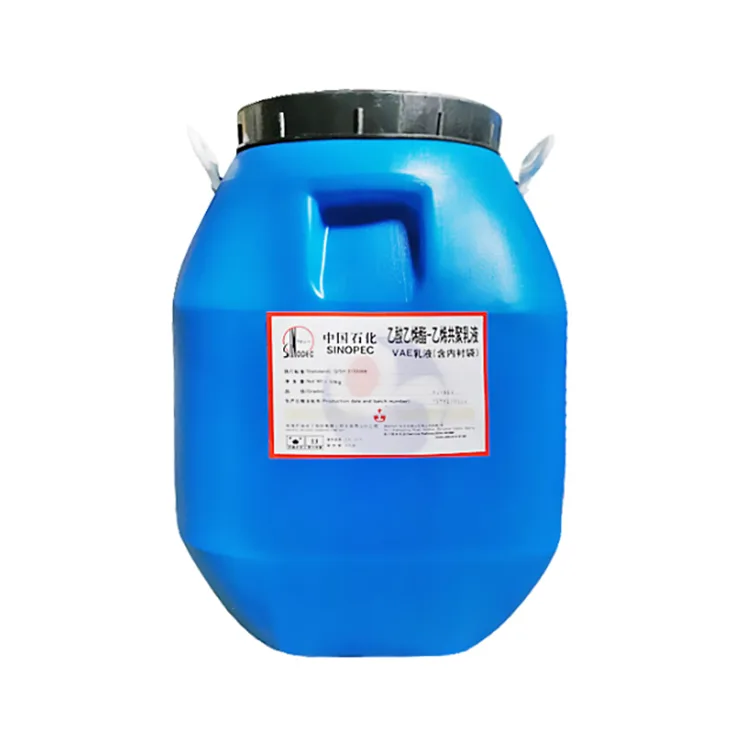
Zhongwang is based near the China Plastics City International Business Center in Yuyao, Ningbo, an area with established plastics trading, warehousing and logistics resources. Its supply network includes cooperation with domestic and international polymer brands, including Sinopec and PetroChina.
For sourcing inquiries, buyers can provide a grade number, manufacturer reference or required glass fiber percentage. Where the specification is not yet established, the intended component, processing method, dimensional requirements and mechanical loads can be used to frame the material discussion.
Depending on the actual supplied grade and order requirements, technical documents may include:
• Technical Data Sheet (TDS)
• Certificate of Analysis (COA)
• Material Safety Data Sheet (MSDS)
• Product specification
• Applicable test documentation
The availability of each document should be confirmed for the specific grade. Review glass fiber content, MFR, density, tensile strength, flexural modulus, impact data and thermal properties against the relevant documentation before production.
Order quantity, packaging and delivery arrangements can be coordinated according to the sourcing requirements. For repeat production, keeping the approved grade and purchasing specification consistent can help reduce avoidable material variation. Any proposed substitution should be reviewed against the original part requirements.
It is a polypropylene-based composite containing glass fibers. The reinforcement generally increases stiffness and can improve dimensional stability, while also changing density, surface appearance, impact behavior and processing characteristics.
No. More reinforcement may increase stiffness, but it can also affect impact behavior, surface quality, flow and directional shrinkage. Select the percentage according to the complete component specification rather than maximizing fiber content.
Yes. Injection molding is a main processing method. The processing window should be confirmed for the selected grade and adjusted to the machine, mold geometry and required part dimensions.
It generally reduces overall shrinkage compared with unfilled PP. However, fiber orientation can create differences between flow and cross-flow directions, so mold design and processing conditions still affect final dimensions.
Start with glass fiber content, tensile strength, flexural modulus, impact strength, MFR, density and thermal performance. Also consider the part’s wall thickness, dimensional tolerances, surface appearance and operating conditions. Use grade-specific data to compare candidate materials.
Buyers can provide the manufacturer, grade number, glass fiber percentage or technical specification as the basis for a sourcing inquiry. Availability, supporting documentation, packaging and delivery conditions should be confirmed for the requested material.
Provide the intended application, component drawing or dimensions, processing method, required fiber content, target properties, color, order quantity and destination. An existing approved grade reference can make material confirmation more precise.
Address
Building 1, China Plastics International Business Center, No. 285 Shunda West Road, Yuyao City, Ningbo City, Zhejiang Province, China
Tel
If you have any enquiry about quotation or cooperation, please feel free to email us or use the following inquiry form.Our sales representative will contact you within 24 hours. Thank you for your interest in our products.