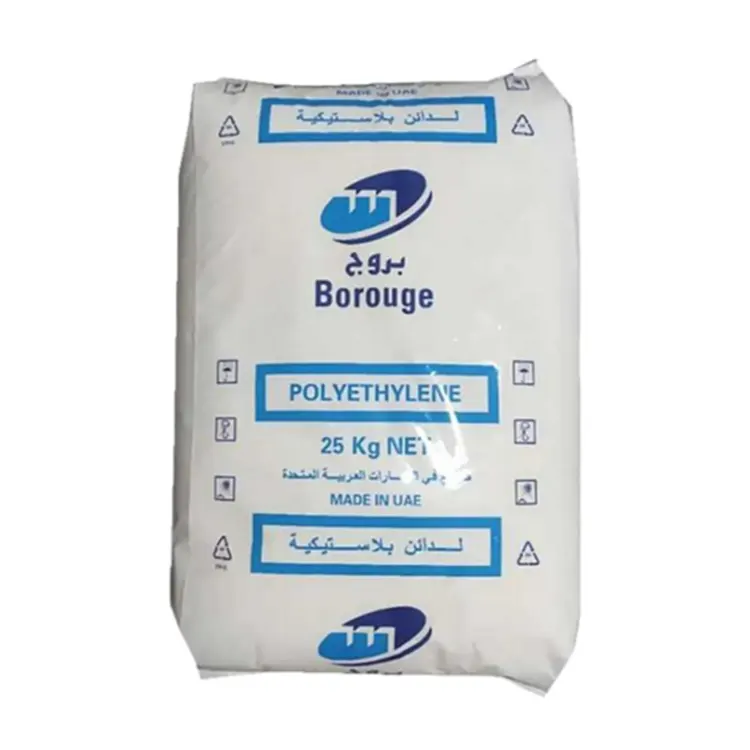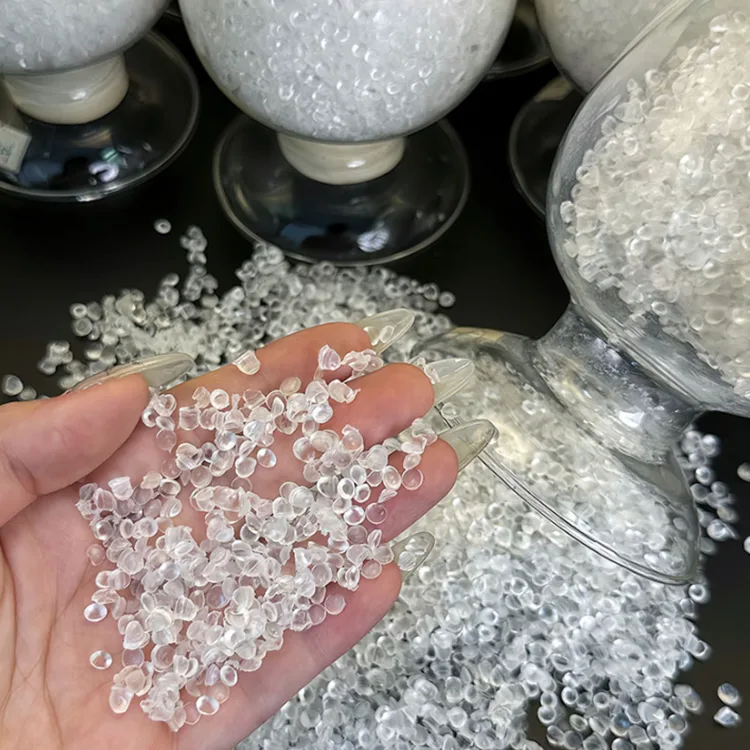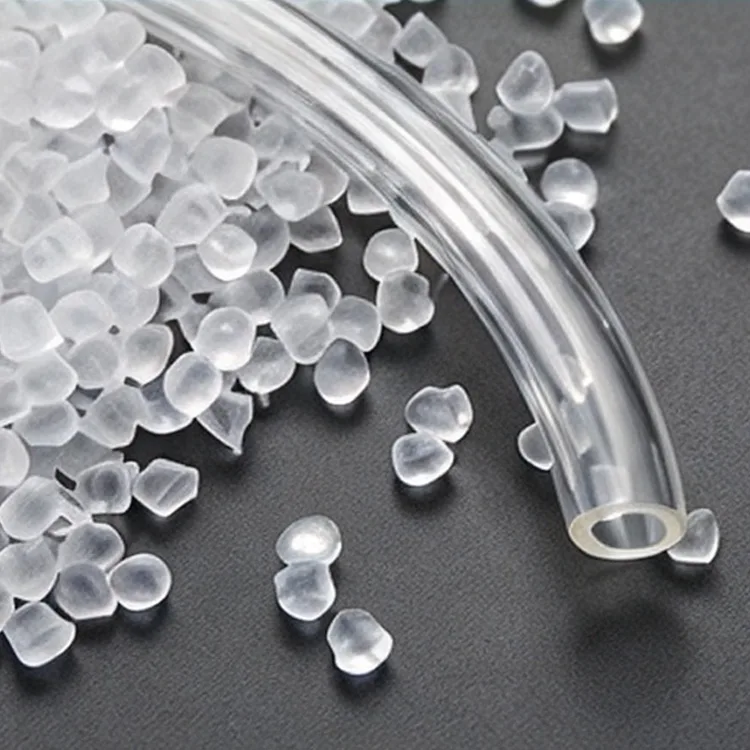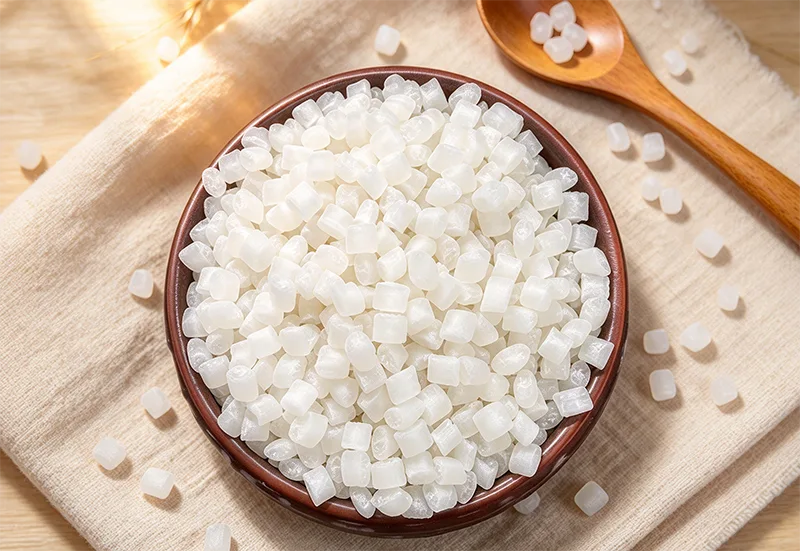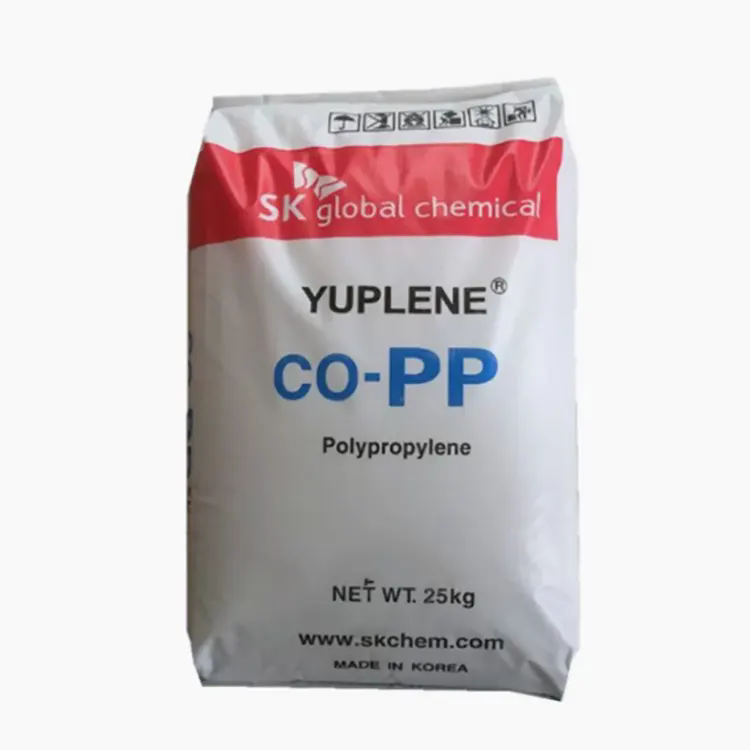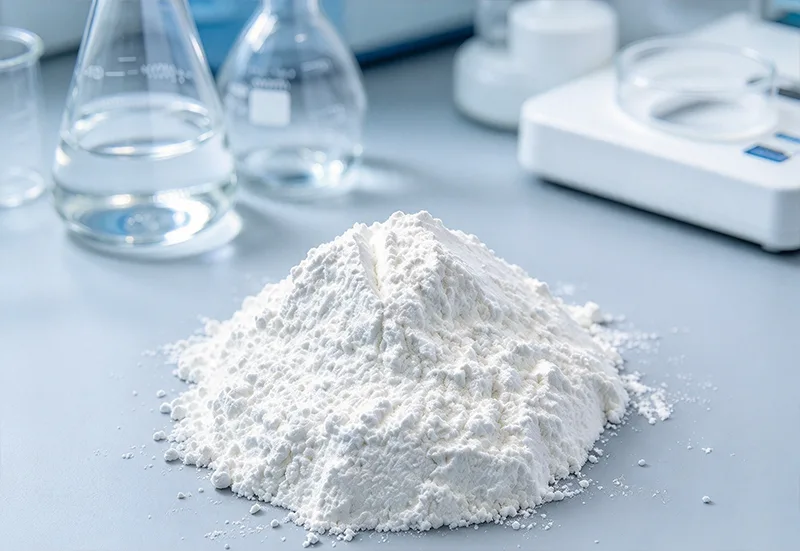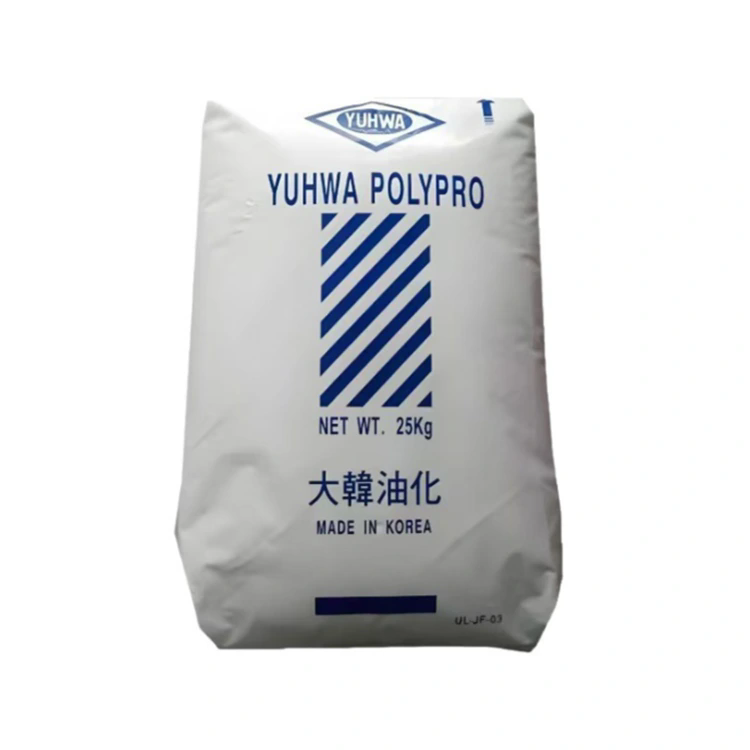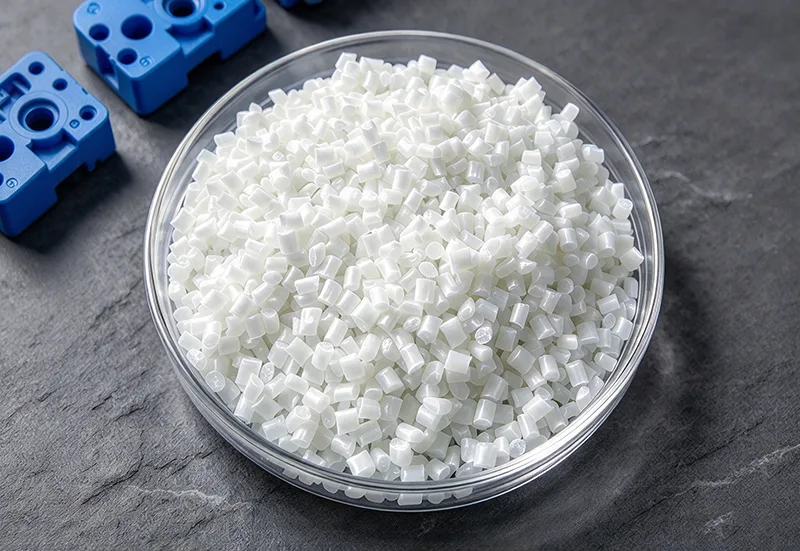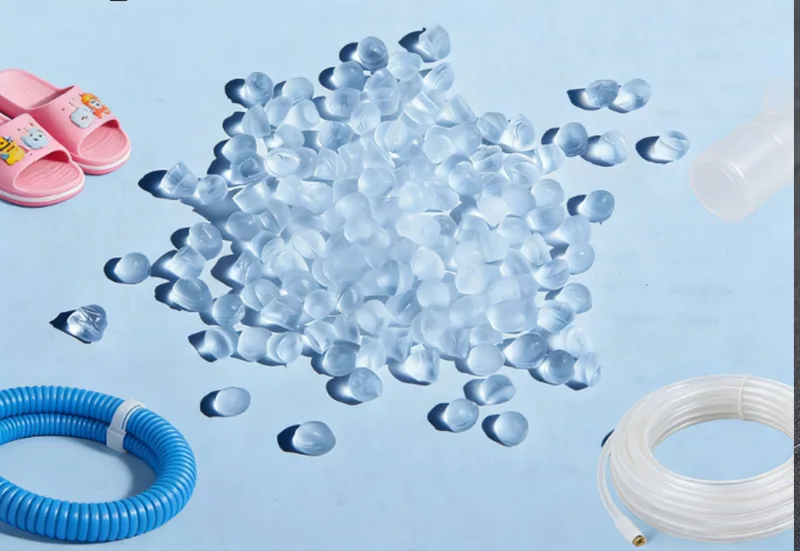
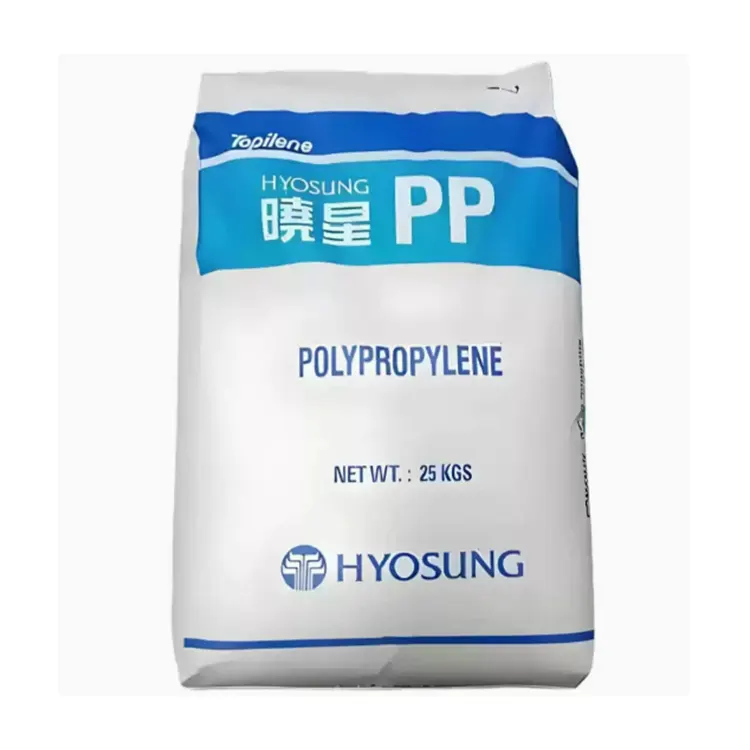
For manufacturers sourcing Industrial-Grade PP Resin from Zhongwang in China, the first decision is not simply which melt flow rate to buy, but which polypropylene structure fits the product. Homopolymer, random copolymer and impact copolymer grades offer different balances of rigidity, clarity, toughness and processing behavior.
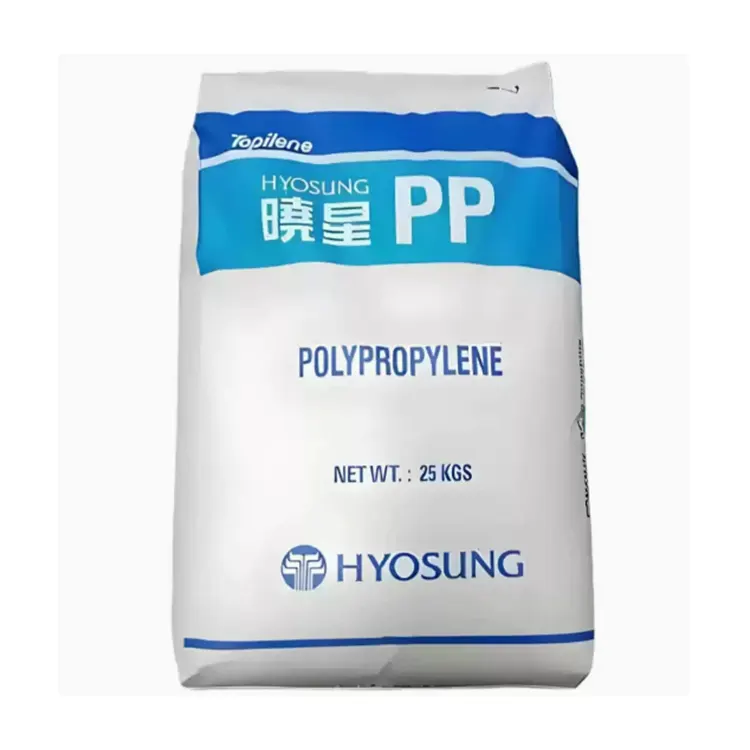
These differences matter when a resin is being specified for a rigid container, a durable crate, an extruded sheet or a molded industrial component. The intended geometry, wall thickness, mold design, operating temperature and mechanical loads all affect grade selection. Zhongwang coordinates material sourcing against the buyer’s processing requirements and existing specifications, with technical documents reviewed for the actual grade under consideration.
Homopolymer polypropylene is primarily composed of propylene units. Compared with many copolymer grades, it generally offers greater stiffness and rigidity, making it a candidate for products that need structural stability or relatively high heat resistance.
Common processing routes include injection molding and sheet extrusion, as well as selected fiber and film applications. Buyers should still check the grade’s mechanical and thermal data against the finished product’s requirements rather than assume all homopolymer grades perform alike.
Random copolymer PP incorporates a comonomer into the polymer chain, changing the balance between stiffness, clarity, impact performance and processing behavior. It may be considered for containers, household products, packaging components and molded parts where appearance or a different rigidity profile matters.
The right choice depends on the required appearance and mechanical performance, as well as the production process. If transparency is important, confirm the actual grade’s optical properties instead of relying on the copolymer classification alone.
Impact copolymer polypropylene contains a dispersed rubber phase that can improve impact resistance compared with conventional homopolymer grades. It is often considered for industrial containers, storage products, turnover crates, automotive components and other molded parts exposed to handling or mechanical impact.
The required balance between stiffness and toughness depends on the product design and operating environment. Where lower-temperature impact performance is important, buyers should check test data at relevant temperatures before finalizing the specification.
| Item | Reference Information |
|---|---|
| Product Name | Industrial-Grade PP Resin |
| Brand | Zhongwang |
| Material | Polypropylene (PP) |
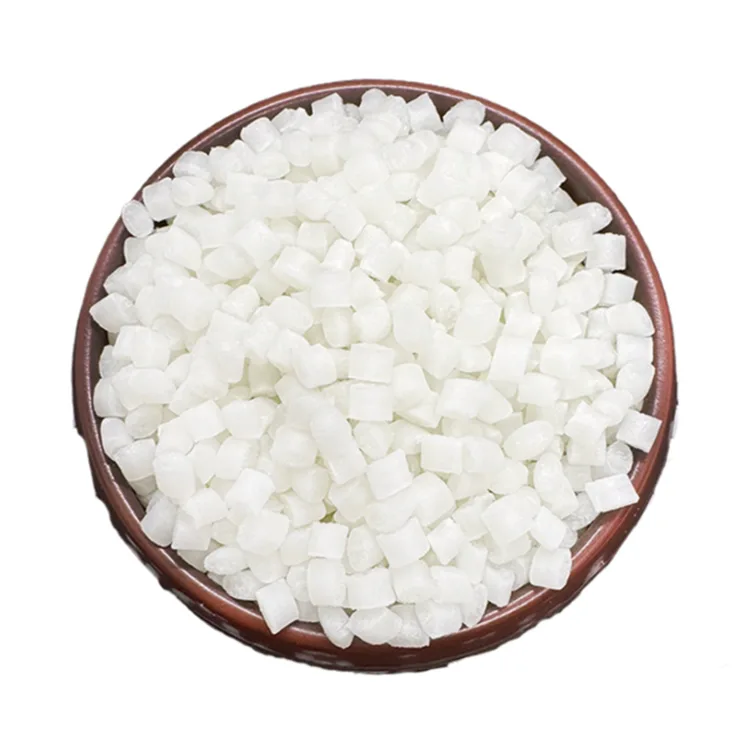
| Form | Resin pellets |
| Polymer Structures | Homopolymer, random copolymer, impact copolymer |
| Melt Flow Rate (MFR) | Grade-dependent |
| Density | Grade-dependent |
| Processing Methods | Injection molding, extrusion, blow molding and other suitable processes |
| Color | Natural or specified color, subject to grade availability |
| Packaging | Confirm according to order requirements |
| Origin | China |
| Technical Documents | TDS, COA, MSDS and other applicable documents, subject to availability |
This table is a sourcing reference rather than a specification for one universal grade. Confirm the selected material’s numerical properties, test methods and processing recommendations against its original technical documentation.
Melt flow rate (MFR) describes the flow behavior of molten resin under a defined test condition. It is useful when comparing candidate materials, but it should not be treated as a stand-alone indicator of finished-part quality.
• Higher-MFR grades: May suit certain thin-wall or high-cycle injection molding applications where mold filling is a priority.
• Medium-MFR grades: May be considered for general injection-molded parts that require a balance between flow and mechanical performance.
• Lower-MFR grades: May suit selected extrusion or thermoforming applications where melt strength and process stability are important.
These are general selection directions, not fixed MFR bands. Values should only be compared when the test conditions are equivalent. Mold geometry, machine setup, processing temperature, screw configuration and cooling conditions can all affect production results. For a new application, confirm the candidate grade through technical review and processing trials.
The required performance differs considerably across industrial products. Typical application areas include:
• Storage and handling: Industrial containers, plastic crates and turnover boxes.
• Equipment and component housings: Selected automotive, electrical and electronic plastic parts.
• Packaging: Containers, closures and other molded packaging components.
• Chemical handling: Selected chemical containers and fittings, subject to chemical compatibility.
• Extruded products: Sheets, profiles, pipes and other suitable extrusion products.
• Formed and hollow products: Thermoformed trays, industrial packaging and selected blow-molded containers.
• General plastic manufacturing: Household products and other molded components.
Industrial-Grade PP Resin is not interchangeable across all these uses. The selected grade must meet the product’s mechanical, thermal, dimensional and processing requirements. For products exposed to chemicals or sustained mechanical loads, evaluate the actual service conditions before purchase.
PP is used to mold containers, housings, caps, structural parts and many other plastic components. The grade should be matched to mold filling, part geometry, shrinkage behavior and the capabilities of the molding machine. For thin-wall parts or complex cavities, review flow requirements alongside mechanical properties.
Selected grades can be processed into sheets, profiles, films and other extruded products. Continuous processing places particular emphasis on stable output and appropriate melt behavior. For sheet destined for thermoforming, consider both the extrusion conditions and the subsequent forming process.
Specific PP grades may be suitable for hollow containers or thermoformed trays and packaging components. Selection depends on the equipment, product geometry, material behavior during forming and the finished product’s required strength. Confirm process suitability with grade-specific technical data rather than assuming that a grade suitable for injection molding will also perform well in these processes.
A clear material specification helps reduce uncertainty during sourcing and grade confirmation. Buyers should prepare the following information where available:
1. Product and application: Describe the finished part, its dimensions and its intended operating environment.
2. Processing method: Identify injection molding, extrusion, blow molding, thermoforming or another production route.
3. Material structure: Specify homopolymer, random copolymer or impact copolymer if already established.
4. MFR and physical requirements: Provide the target value, test condition and required mechanical or thermal properties where specified.
5. Color and quantity: State the required color, estimated order volume and packaging preferences.
6. Existing grade reference: Include the manufacturer and grade number if the material is already qualified for production.
For repeat orders, retaining the same approved grade and purchase specification can help limit unnecessary material variation. Any proposed substitution should be reviewed against the original processing and product requirements.
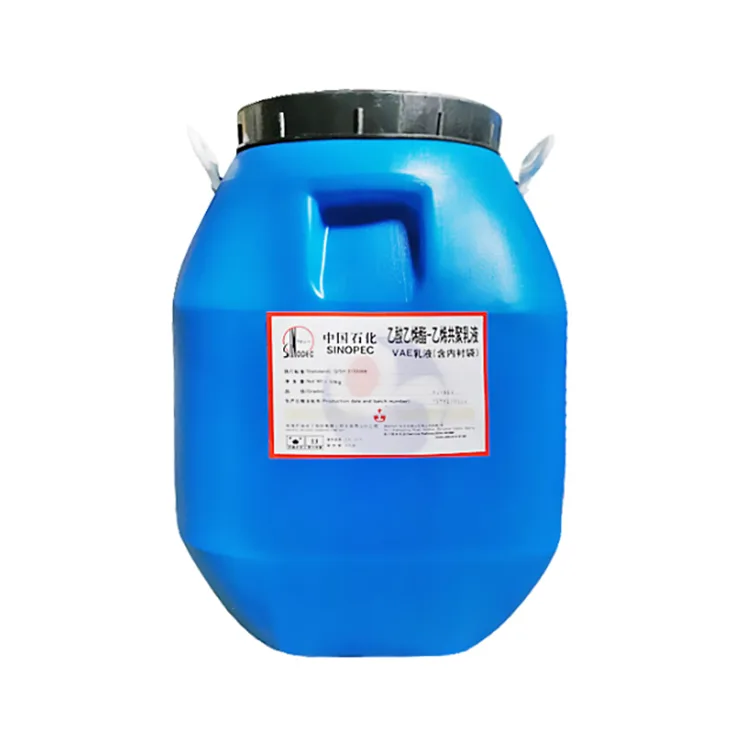
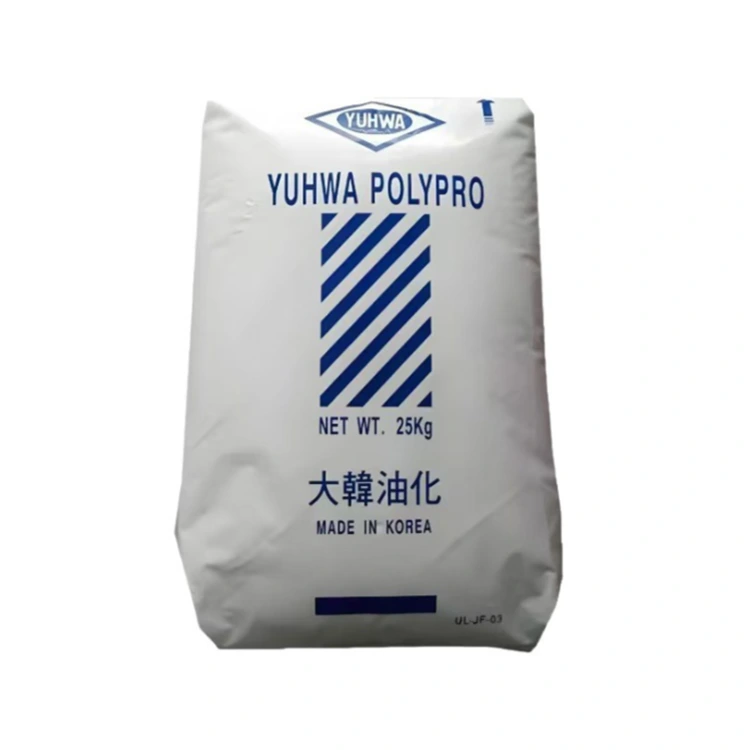
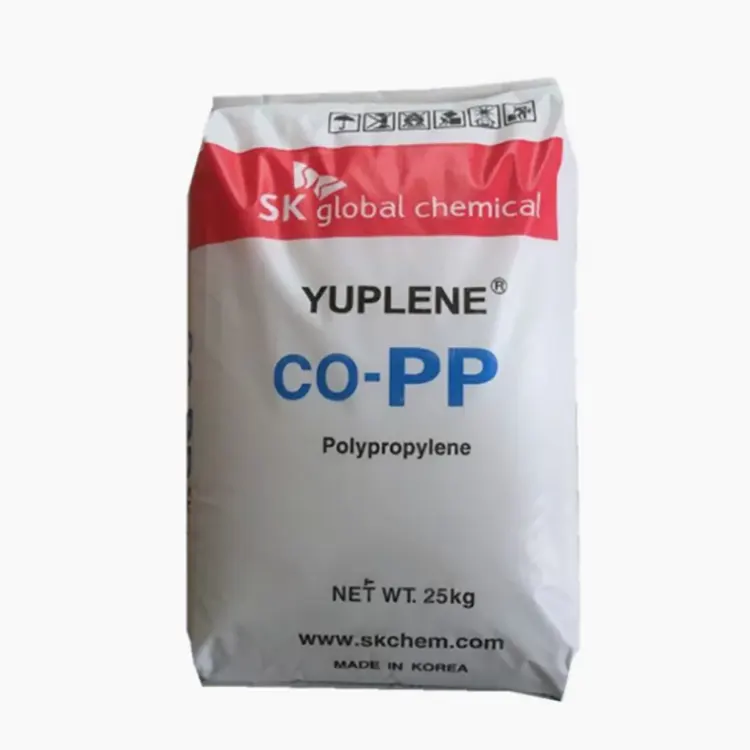
Zhongwang is based near the China Plastics City International Business Center in Yuyao, Ningbo, an area with plastics trading, warehousing and logistics resources. Its supply network includes cooperation with domestic and international polymer brands, including Sinopec and PetroChina.
For buyers with an established specification, sourcing can be coordinated around the stated manufacturer, grade number, required quantity and delivery conditions. For buyers still comparing options, the intended application and production process provide a starting point for discussing suitable material structures and available grades.
Depending on the supplied material and order requirements, documentation may include:
• Technical Data Sheet (TDS)
• Certificate of Analysis (COA)
• Material Safety Data Sheet (MSDS)
• Product specifications
• Applicable test or compliance documentation
Document availability varies by grade and supplier. Before production, verify values such as MFR, density, impact strength and tensile properties against the relevant technical records. Do not assume a particular certification or performance value applies to every polypropylene grade.
Domestic transport, packaging arrangements and international shipping through the Ningbo port area can be discussed according to the order. Final availability, documentation and delivery schedules should be confirmed during quotation.
Homopolymer PP generally provides higher rigidity, while impact copolymer PP contains a rubber phase that can improve impact resistance. The appropriate structure depends on the finished product’s strength, toughness and processing requirements.
MFR indicates melt flow behavior under a defined test condition and can help assess mold filling or processing suitability. It does not determine finished-part performance by itself; other material properties and production conditions must also be considered.
Yes. Many polypropylene grades are designed for injection molding. The specific grade should be selected according to product geometry, mold design, machine conditions and required mechanical performance.
The answer depends on the container’s design and use. Homopolymer may be considered when rigidity is important, while impact copolymer may be relevant where handling impacts are a concern. Confirm the final choice against the actual grade data and product requirements.
Buyers can provide the manufacturer, grade number or technical specification as the basis for a sourcing inquiry. Availability, supporting documents, quantity and delivery conditions must be confirmed for the requested material.
Useful details include the intended application, processing method, polymer structure, MFR requirement, mechanical properties, color, order quantity and destination. An existing manufacturer or grade reference can help make the request more specific.
Keep resin in its original packaging in a clean, dry environment. Protect it from contamination, direct sunlight and unsuitable temperature conditions. Follow the storage and handling recommendations supplied for the actual material.
Address
Building 1, China Plastics International Business Center, No. 285 Shunda West Road, Yuyao City, Ningbo City, Zhejiang Province, China
Tel
If you have any enquiry about quotation or cooperation, please feel free to email us or use the following inquiry form.Our sales representative will contact you within 24 hours. Thank you for your interest in our products.