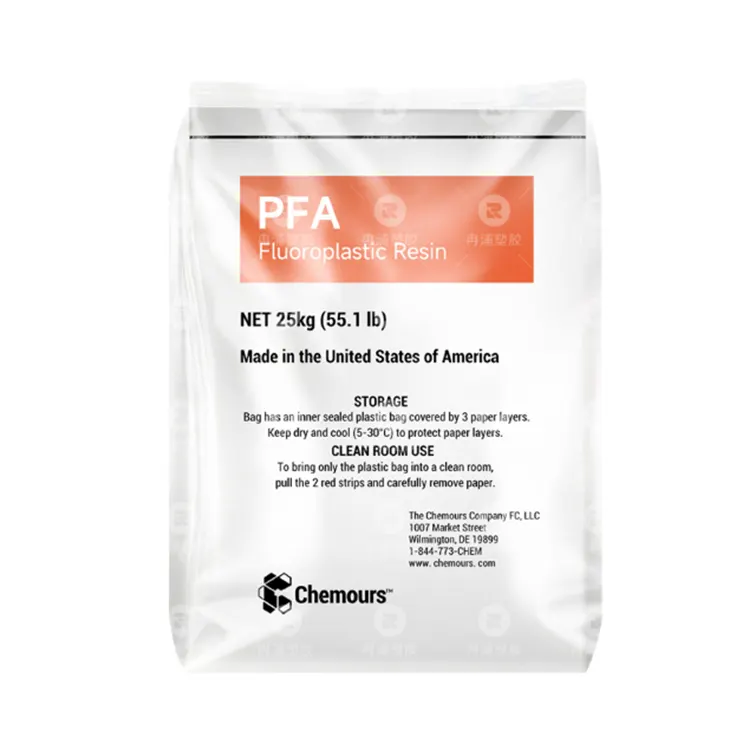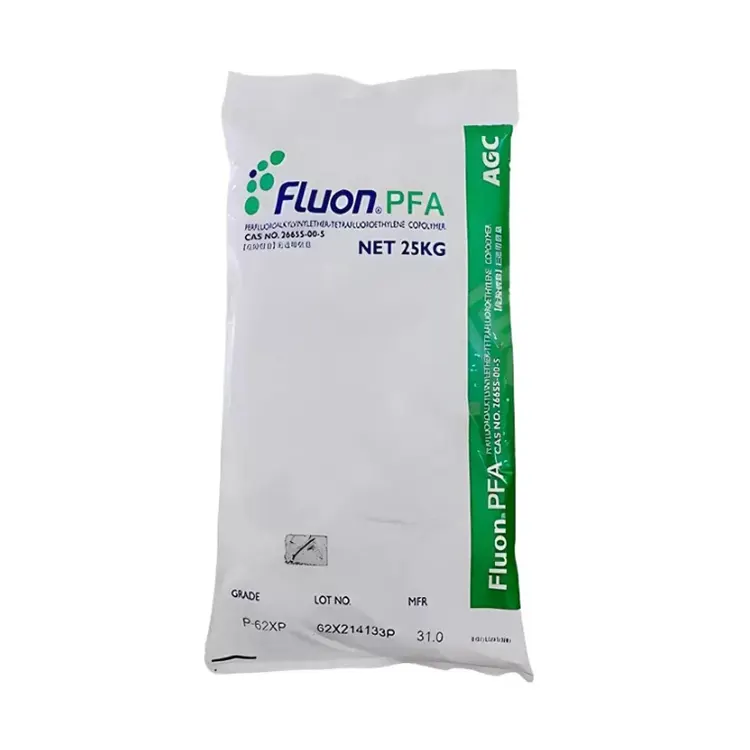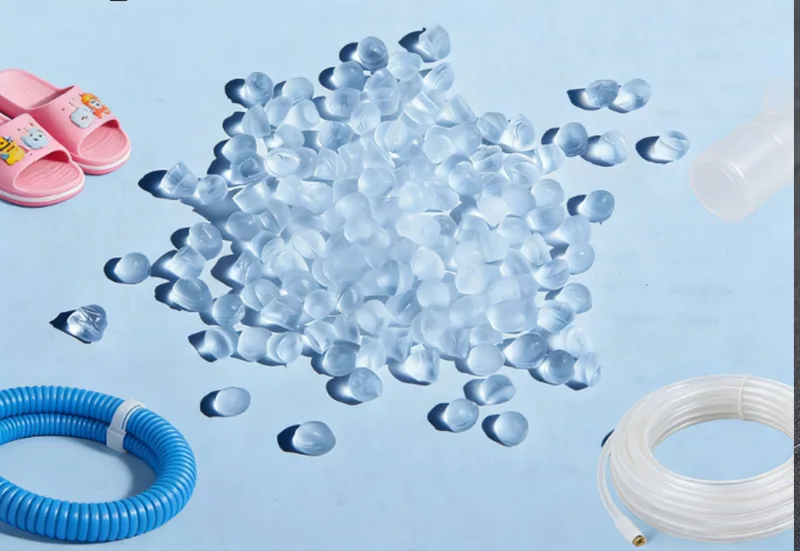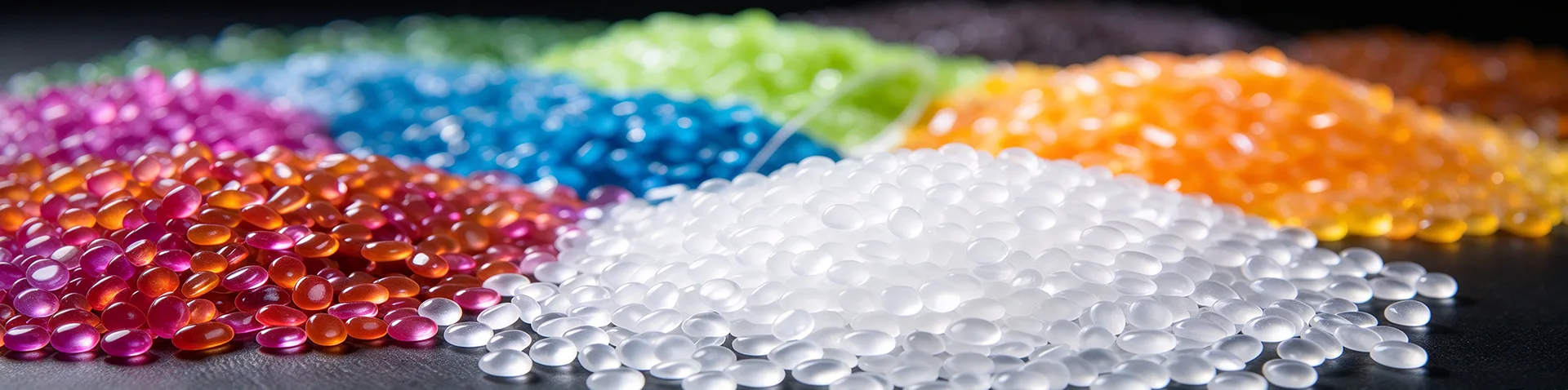
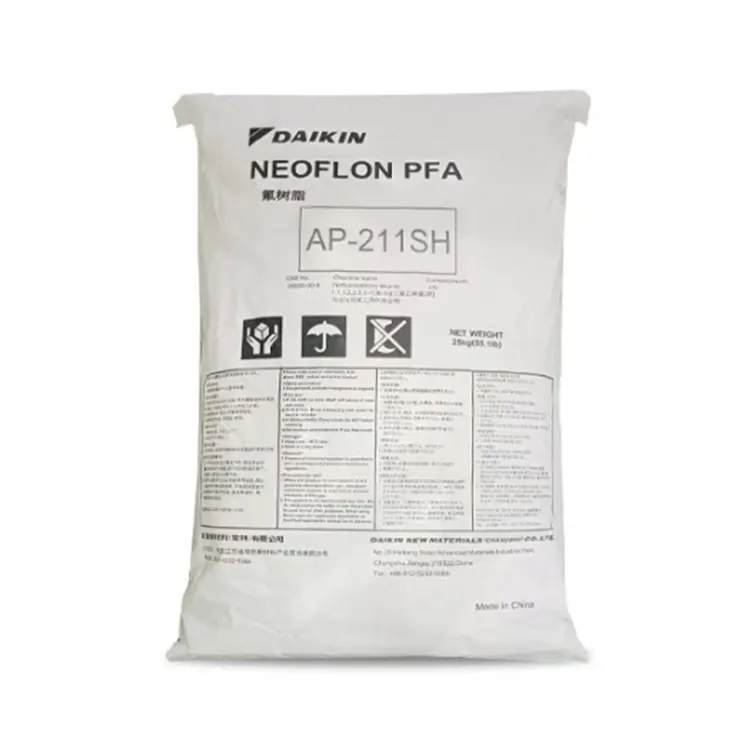
For buyers seeking Low-MFR PFA for thick-section chemical components, Zhongwang coordinates grade selection around the intended operating pressure, chemical medium, part geometry, and manufacturing process.
Low melt flow rate is associated with higher molecular weight and greater melt viscosity. Compared with medium- and high-flow PFA, these grades generally provide higher melt strength and improved resistance to creep and stress cracking under suitable conditions.
These characteristics matter when a finished component is continuously loaded, exposed to repeated mechanical movement, or subjected to temperature changes during operation.
The material retains the chemical resistance and thermal characteristics associated with PFA, but finished-part reliability also depends on processing quality, wall thickness, joint design, and the surrounding operating environment.
Its relatively high melt viscosity can make narrow cavities and very thin walls difficult to fill. For such components, medium- or high-MFR grades may be more appropriate.
Creep is the gradual deformation of a material subjected to sustained stress. In fluoropolymer components, this behavior becomes particularly important when mechanical loading is combined with elevated temperatures.
Low-flow PFA generally offers improved resistance to creep compared with higher-flow grades because of its higher molecular weight.
This makes it relevant to thick-walled fittings, valve components, and selected linings where dimensional stability during service is important.
The final component must nevertheless be qualified for its design pressure, temperature, geometry, and intended service period.
Chemical exposure and mechanical stress can interact over time. A resin that is chemically compatible with a liquid may still develop damage if a component experiences excessive localized stress.
Lower-MFR PFA can be considered where stress-crack resistance is a significant selection criterion.
Processing-induced residual stresses, sharp corners, inadequate wall thickness, and unsuitable installation conditions can still contribute to component failure.
Diaphragms, bellows, and other flexible components may experience repeated deformation during service.
Selected low-flow grades can be evaluated for their flex-life characteristics, although the finished part's geometry, strain level, operating temperature, and processing history influence durability.
Low-MFR PFA can be used as a raw material for selected corrosion-resistant lining systems.
In these applications, melt strength and the ability to form thick protective sections are important. The substrate, lining thickness, installation method, thermal expansion, and chemical environment must be considered together.
For chemical-process piping, resin selection must account for sustained pressure, operating temperature, fluid compatibility, and long-term deformation.
Suitable extrusion and molding grades are available for thick-wall pipes, fittings, and related components. Pressure ratings must be established for the finished system rather than inferred from resin tensile strength.
Flexible chemical equipment components may require a combination of chemical resistance, mechanical strength, and repeated deformation capability.
The material's higher molecular weight can be advantageous in applications where resistance to stress cracking and fatigue is relevant.
Component-level flex testing remains necessary because service life is influenced by geometry and actual operating conditions.
Selected grades with controlled extractables can be evaluated for sensitive fluid-handling applications.
Purity requirements should be defined through measurable limits for relevant contaminants and supported by grade-specific technical documentation.
| Item | Reference Specification |
|---|---|
| Product Name | Low-MFR PFA |
| Brand | Zhongwang |
| Polymer Type | Perfluoroalkoxy Fluoropolymer |
| Melt Flow Rate | 0.8–6 g/10 min (372°C/5 kg) |
| Density | 2.12–2.17 g/cm³ |
| Melting Point | 300–310°C |
| Tensile Strength | ≥32 MPa, typical reference |
| Elongation at Break | ≥300%, typical reference |
| Continuous Service Temperature | -200°C to 260°C, application-dependent |
| Dielectric Constant at 1 MHz | 2.15, typical reference |
| Flammability | UL94 V-0 at 1.5 mm, grade-specific reference |
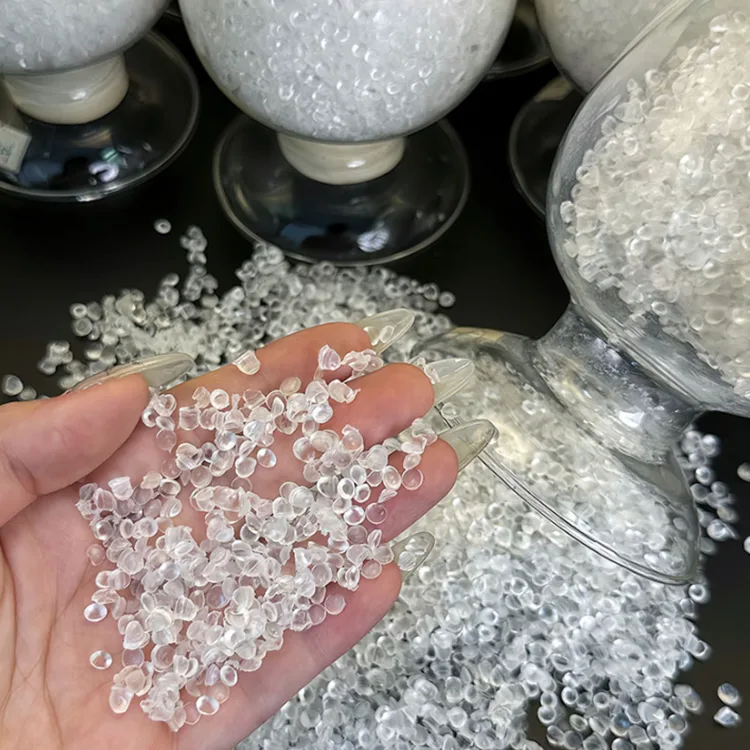
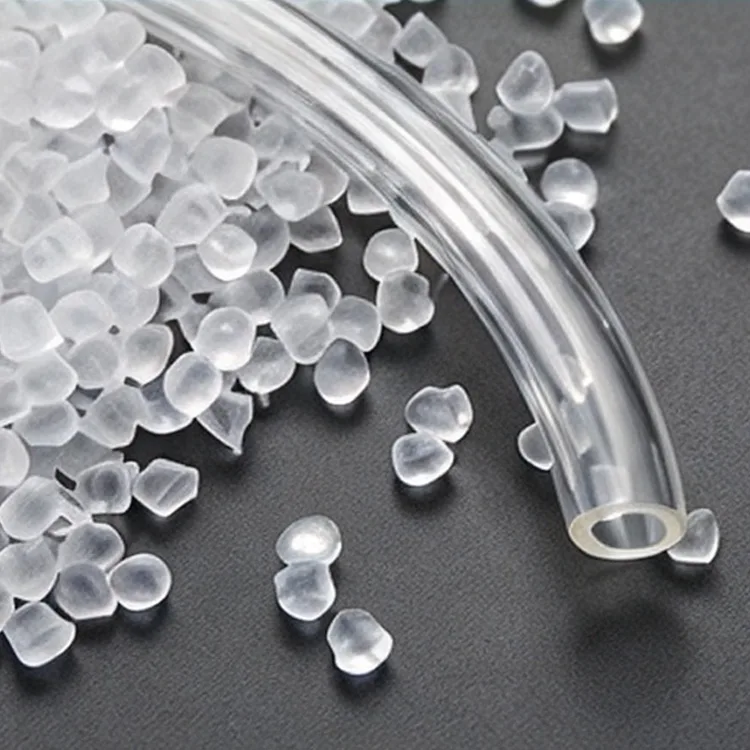
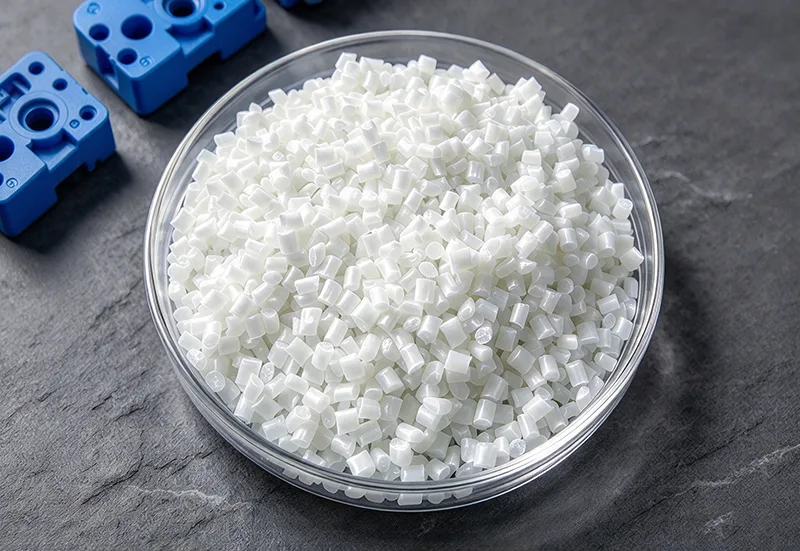
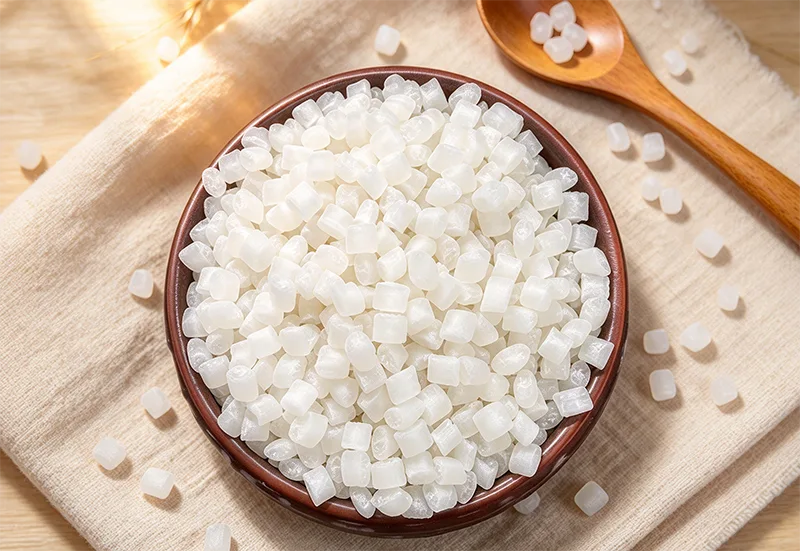
| Appearance | Translucent Ivory-White Pellets |
| Processing Methods | Injection Molding, Extrusion, Blow Molding, Transfer Molding, Compression Molding |
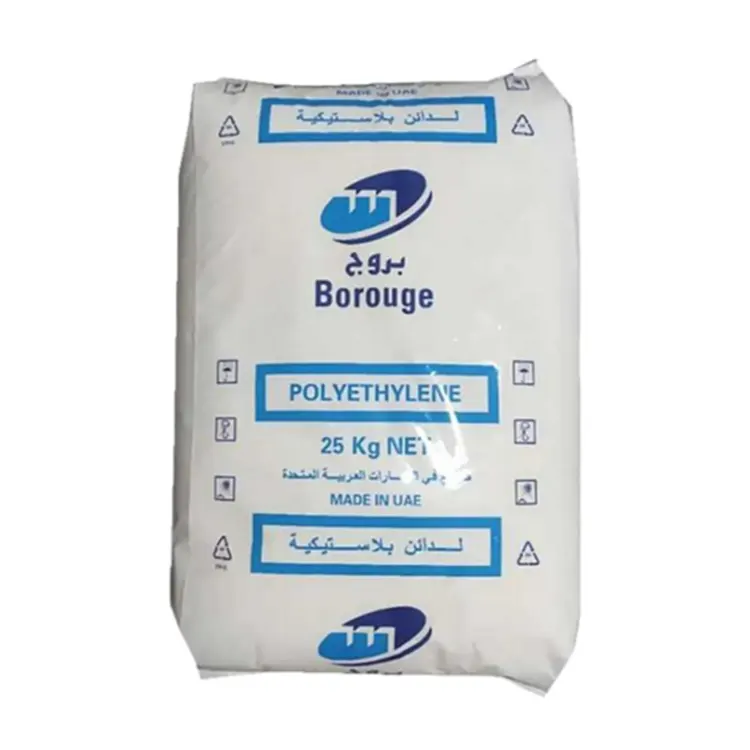
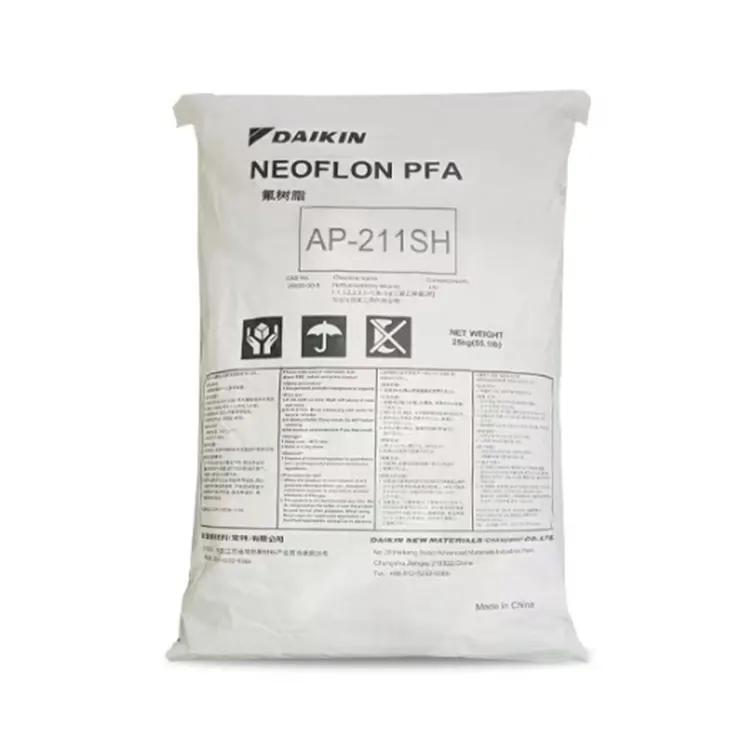
| Packaging | 25 kg PE Inner Bag and Paper Drum |
| Documentation | TDS, COA, SDS and Applicable Test Reports |
Higher molecular weight increases melt viscosity, making material movement through restricted flow paths more difficult.
The supplied technical reference identifies barrel temperatures of approximately 340–380°C and die temperatures of 360–400°C. These conditions should not be applied without checking the selected resin's processing recommendations.
Excessively low melt temperature may contribute to incomplete filling or poor fusion. Increasing temperature without considering residence time can introduce thermal degradation risks.
Thick-wall components require appropriate melt delivery, tooling design, and cooling control.
Inadequate processing may produce internal voids, weak weld lines, or residual stresses that are difficult to detect through surface inspection alone.
Section inspection and application-specific testing are recommended for critical finished components.
Thick polymer sections cool at different rates between the surface and the interior. These temperature differences can create residual stresses.
Suitable cooling and annealing procedures may reduce stress in selected components. The procedure should be developed according to the part geometry and manufacturer's recommendations.
Processing temperatures must be controlled to avoid excessive thermal exposure and potentially hazardous decomposition products.
Appropriate ventilation, thermal monitoring, and equipment shutdown procedures are required. Processing limits must follow the grade-specific technical and safety documentation.
Low-MFR PFA is available in grade categories intended for different manufacturing and service requirements.
Injection-molding grades within the approximate 2–6 g/10 min range can be considered for thick-wall fittings, valve bodies, and selected pump components.
Lower-flow extrusion and lining grades, referenced at approximately 0.8–3.0 g/10 min, are relevant to applications requiring higher melt strength and thicker polymer sections.
Where sensitive chemicals are handled, selected purity-controlled grades should be assessed against the application's contamination limits.
The choice should reflect the actual component design rather than simply selecting the lowest available MFR.
Zhejiang Zhongwang International Trade Co., Ltd. is located in Yuyao China Plastics City, with access to polymer supplier networks, warehousing resources, and regional logistics services.
Buyers sourcing Low-MFR PFA should provide the processing method, required melt flow range, finished-part thickness, pressure conditions, chemical medium, operating temperature, and purchasing quantity.
Where possible, additional information about mechanical cycling, creep requirements, and purity specifications can help narrow the suitable grades.
Material specifications should be confirmed against the relevant TDS and COA. For demanding pressure or chemical-service applications, small-batch production and finished-part testing should be completed before commercial use.
Lower MFR is generally associated with higher molecular weight and melt strength. These characteristics can be useful for thick sections and components requiring resistance to long-term deformation.
Lower flow grades may provide improved melt strength and creep-related performance, but MFR alone does not establish the strength of a finished component. Resin formulation, processing, geometry, and service conditions must also be considered.
Yes. Suitable injection-molding grades can be used for components such as valve bodies and thick-wall fittings. Tooling and processing conditions must accommodate the resin's relatively high melt viscosity.
It can be considered as a material for appropriately designed chemical piping components. Actual pressure suitability requires evaluation of pipe geometry, temperature, chemical compatibility, joining method, and applicable pressure-system requirements.
Important evaluations include chemical compatibility, flexibility, repeated bending behavior, stress-crack resistance, and the effect of operating temperature. Testing should use representative finished components.
Address
Building 1, China Plastics International Business Center, No. 285 Shunda West Road, Yuyao City, Ningbo City, Zhejiang Province, China
Tel
If you have any enquiry about quotation or cooperation, please feel free to email us or use the following inquiry form.Our sales representative will contact you within 24 hours. Thank you for your interest in our products.