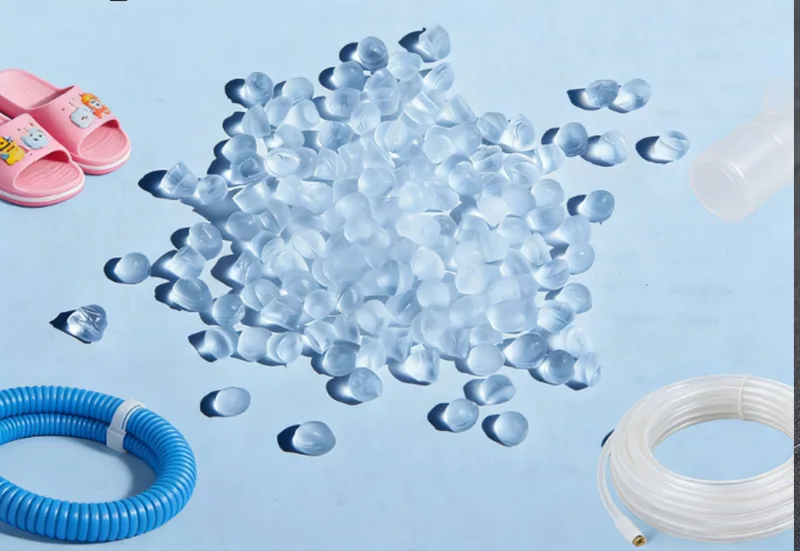
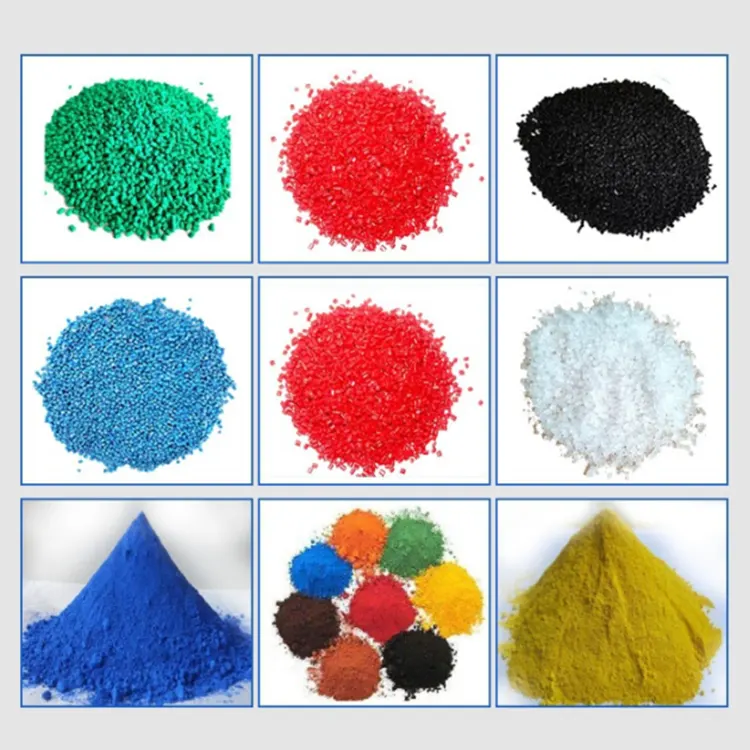
Rather than selecting materials by hardness alone, buyers sourcing Flame-Retardant TPV from Zhongwang should first establish the fire-performance requirements of their finished electrical components.
This material combines an EPDM rubber phase with a polypropylene thermoplastic phase through dynamic vulcanization. Flame-retardant additives are incorporated to modify the material's burning behavior while retaining elastomeric characteristics and thermoplastic processing capability.
The resulting compounds can be processed into flexible parts through suitable injection molding, extrusion, and related methods.
Unlike ordinary TPV intended primarily for sealing or cushioning, flame-retardant formulations introduce additional requirements concerning additive compatibility, thermal stability, part thickness, and burning-test performance.
A resin's nominal UL94 classification does not automatically establish the fire safety of every finished component. The actual formulation, thickness, processing history, and intended product standard must be evaluated together.
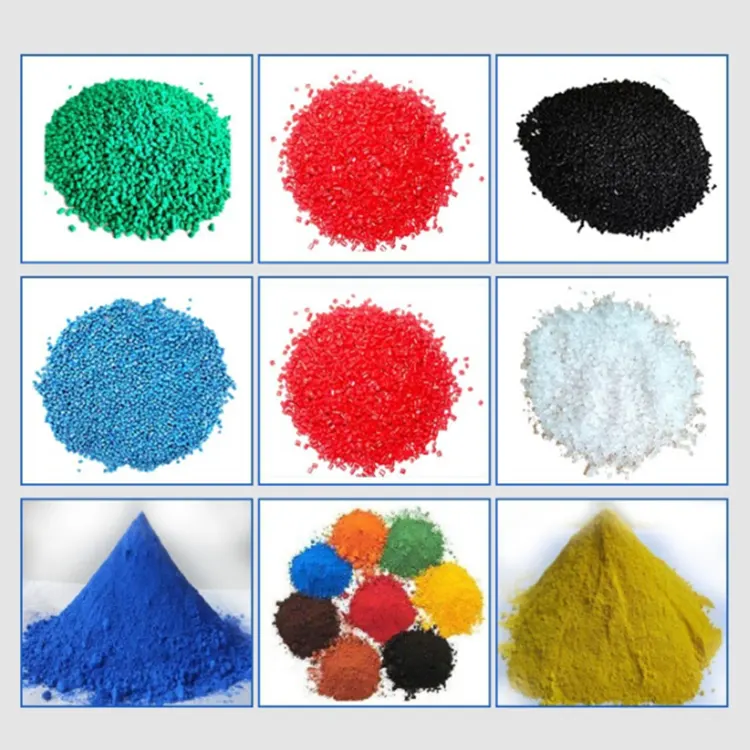
Halogen-containing grades use flame-retardant additive systems such as brominated compounds combined with suitable synergists.
These formulations can be selected where flame-retardant efficiency, processing behavior, flexibility, and material cost must be balanced.
Applications include electrical-equipment seals, connector coverings, low-voltage cable jackets, and protective components.
The exact chemical composition and applicable regulatory restrictions should be confirmed for the selected grade.
Halogen-free grades use alternative flame-retardant systems, including phosphorus- and nitrogen-based technologies identified in the supplied reference.
They are relevant to applications where halogen content, smoke characteristics, or corrosion associated with combustion products are important purchasing considerations.
Examples include selected public-transport electrical components, enclosed equipment, and low-voltage cable applications.
Halogen-free composition alone does not prove low-smoke performance. Smoke density, corrosivity, and other requirements must be verified using the applicable test methods.
One of the most important characteristics of Flame-Retardant TPV is that its flammability classification depends on the tested material thickness.
A formulation achieving a particular UL94 classification at one thickness may behave differently when manufactured into a thinner component.
For example, a thick molded gasket and a thin extruded cable covering can require different fire-performance evaluations even if they use materials from the same compound family.
During material selection, buyers should specify the minimum finished-part thickness rather than relying only on the nominal hardness and advertised flammability rating.
Where product certification is required, the applicable test method, actual dimensions, manufacturing process, and material classification must be confirmed.
Extrusion-oriented grades can be evaluated for flexible cable sheathing, wiring-harness protection, and related low-voltage applications.
Relevant properties include extrusion stability, flexibility, tensile performance, abrasion requirements, and flame-retardant behavior.
Cable manufacturers should also consider the applicable cable standard, which may require testing beyond the UL94 classification of the raw material.
Injection grades can be used for flexible connector coverings, protective sleeves, and molded cushioning elements.
When overmolding onto PC, ABS, or other rigid plastics, flame-retardant additives may affect bonding performance.
The bond should be evaluated with the actual substrate, surface preparation, and molding conditions.
Elastic gaskets and sealing profiles require an appropriate combination of hardness, compression recovery, thermal resistance, and flammability characteristics.
Flame-retardant fillers may influence compression set and mechanical properties, so the compound should be evaluated under representative installation conditions.
Selected formulations can be processed into flexible covers, corrugated profiles, and protective components used around electrical or mechanical equipment.
Flex-fatigue performance, wall thickness, and operating temperature should be considered alongside the required fire classification.
| Item | Reference Specification |
|---|---|
| Product Name | Flame-Retardant TPV |
| Brand | Zhongwang |
| Material Type | Flame-Retardant EPDM-PP Thermoplastic Vulcanizate |
| Hardness | Shore 55A–45D, grade-dependent |
| Density | 1.04–1.28 g/cm³ |
| Melt Flow Rate | 0.4–20 g/10 min (230°C/2.16 kg) |
| Tensile Strength | 3–10 MPa, typical reference |
| Elongation at Break | 220–500%, typical reference |
| Compression Set | 32–48% (70°C × 22 h), typical reference |
| Continuous Service Temperature | -40°C to 125°C, grade-dependent |
| Mold Shrinkage | 1.4–2.7% |
| Flammability Classification | UL94 V-2 / V-0, grade- and thickness-dependent |
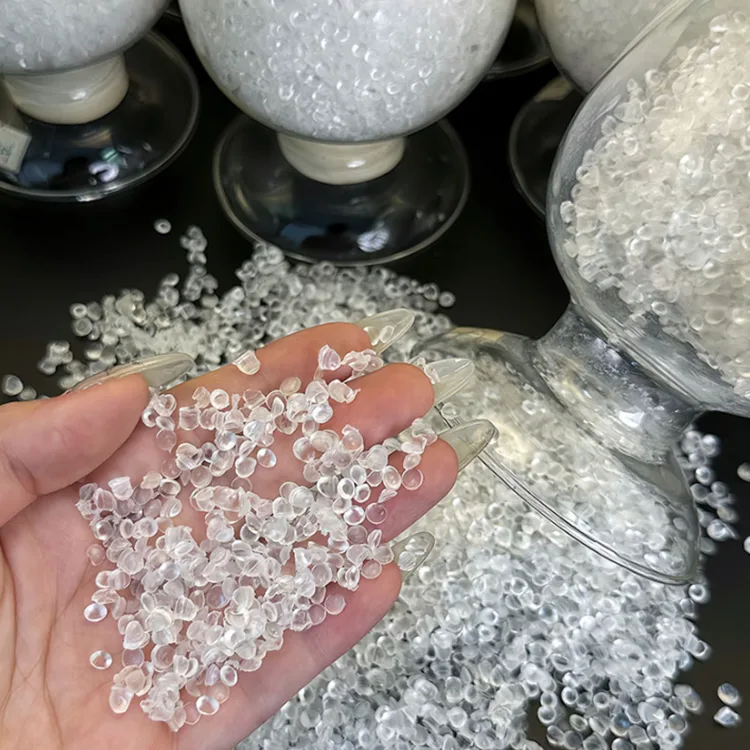
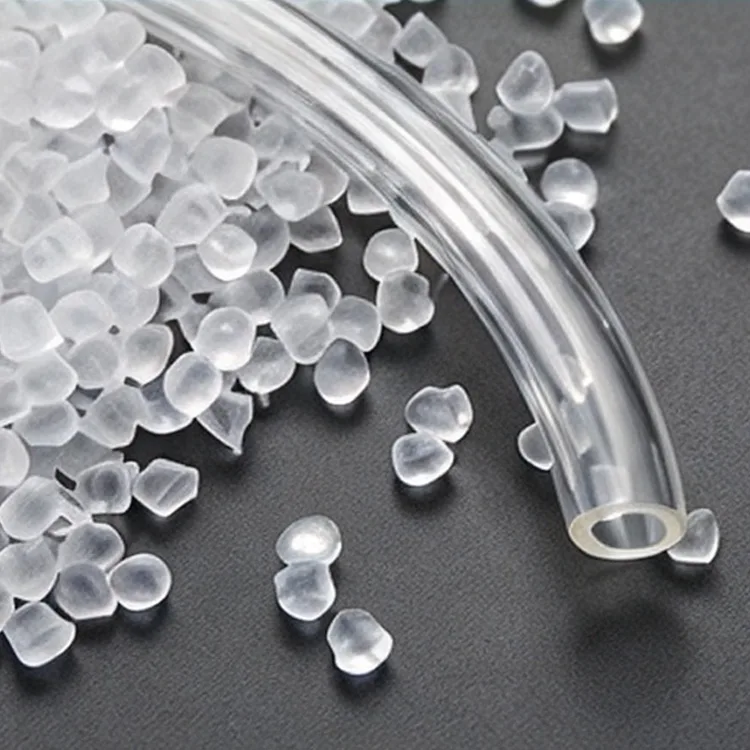
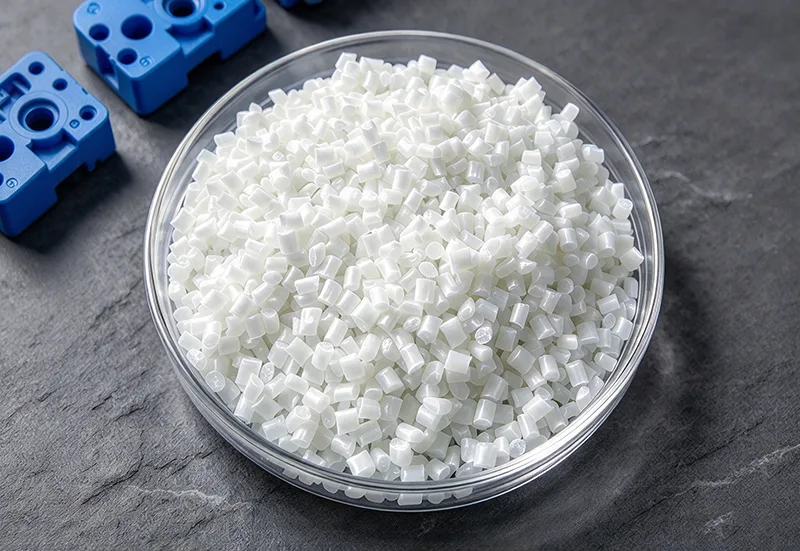
| Appearance | Black or Natural Pellets |
| Processing Methods | Injection Molding, Extrusion, Blow Molding, Co-Extrusion |
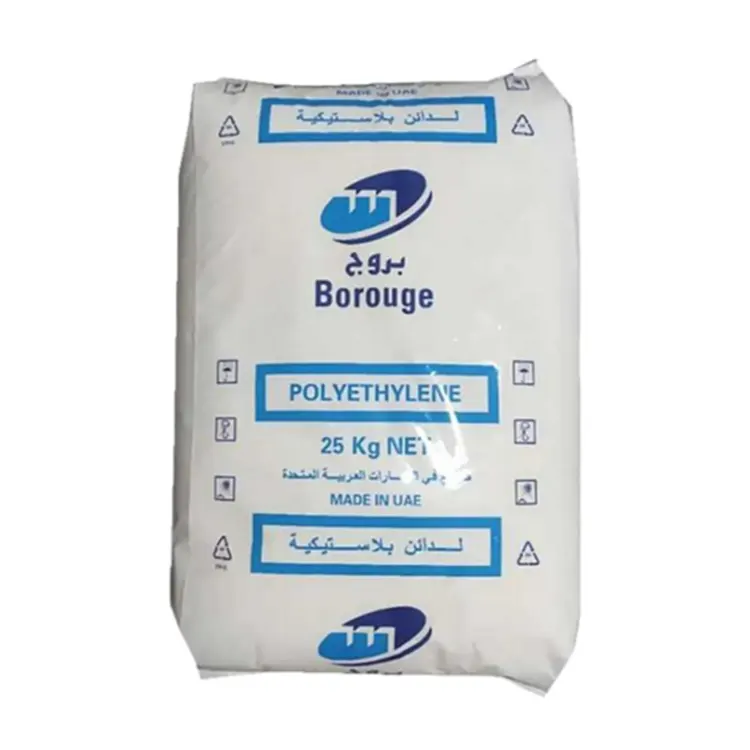
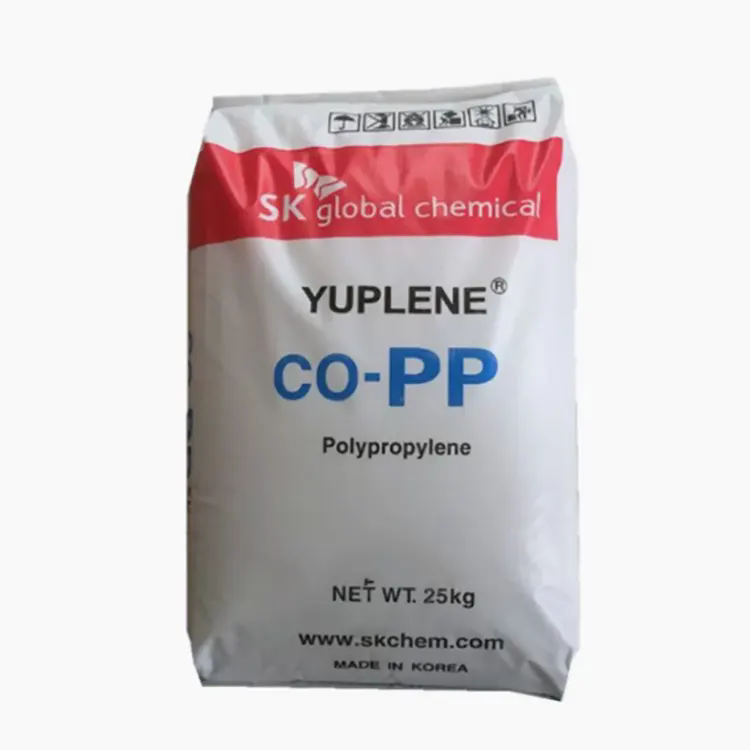
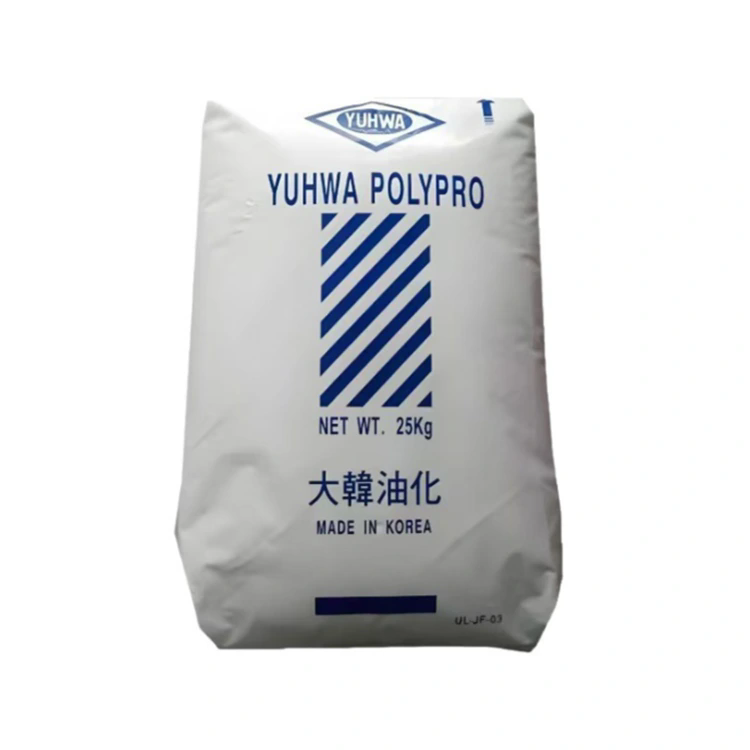
| Packaging | 25 kg Moisture-Protected Woven Bag |
| Available Documents | TDS, COA, SDS, Applicable Flammability and Regulatory Reports |
The original technical reference recommends barrel temperatures of approximately 180–225°C and cautions against prolonged processing above 230°C.
Excessive temperature or residence time may affect flame-retardant additives and cause odor, surface deposits, or deterioration in material performance.
Actual temperature limits should follow the selected compound's processing recommendations.
Moisture contamination, unsuitable processing temperatures, or poor additive compatibility can contribute to splay marks, bubbles, and surface bloom.
Where pellets have been exposed to humid storage conditions, the source reference suggests drying at 75–85°C for 2–3 hours. This should be verified against the specific grade before use.
Reprocessing can change the thermal history of flame-retardant compounds and may affect mechanical and flammability performance.
Any permitted regrind content should be defined by the material supplier and the applicable product specification.
For safety-critical or certified components, regrind must not be introduced without checking whether it is allowed by the relevant material and product requirements.
Zhejiang Zhongwang International Trade Co., Ltd. operates in Yuyao China Plastics City and maintains raw material sourcing relationships with established petrochemical suppliers, including SINOPEC and PetroChina.
When sourcing Flame-Retardant TPV, buyers should specify the required burning classification, minimum wall thickness, halogen restrictions, processing method, service temperature, and substrate compatibility.
Documentation requests may include the technical data sheet, certificate of analysis, relevant UL94 test information, and applicable RoHS or REACH statements.
These documents should be reviewed for the exact formulation and test conditions. Finished-component and product-level testing remain necessary where applicable.
The difference lies primarily in the flame-retardant additive system. Halogen-containing grades use halogen-based chemistry, while halogen-free grades use alternative systems. Smoke, corrosion, processing behavior, and mechanical properties must be evaluated for the specific formulation.
No. UL94 performance is associated with defined test specimens and thicknesses. The material classification and any finished-product fire requirements must be checked separately.
The described material categories are primarily intended for low-voltage applications. High-voltage insulation requires dedicated electrical properties, material selection, and testing against the applicable cable standards.
Additives and fillers can change interfacial compatibility and material flow. Bonding to substrates such as PC or ABS should be evaluated through actual molding trials.
Buyers should provide the target flammability rating, finished wall thickness, Shore hardness, halogen requirements, manufacturing method, operating temperature, and quantity.
Address
Building 1, China Plastics International Business Center, No. 285 Shunda West Road, Yuyao City, Ningbo City, Zhejiang Province, China
Tel
If you have any enquiry about quotation or cooperation, please feel free to email us or use the following inquiry form.Our sales representative will contact you within 24 hours. Thank you for your interest in our products.