Zhongwang's High-Temperature TPV range is intended for bulk purchasers replacing conventional elastomer compounds in components exposed to sustained heat or repeated thermal cycling. The material uses a dynamically vulcanized EPDM rubber phase distributed within a polypropylene thermoplastic matrix, together with a heat-stabilization system.
In a conventional elastic seal, prolonged exposure to elevated temperature can gradually increase permanent deformation. When the component no longer recovers sufficiently after compression, the contact pressure needed for sealing may decrease.
Heat-stabilized TPV formulations address this problem through controlled rubber-phase crosslinking and thermal-oxidative stabilization. The resulting properties depend on the selected grade, hardness, operating temperature, and applied compression.
Unlike thermoset rubber, the material can be manufactured through suitable injection molding, extrusion, and blow molding processes without a separate rubber vulcanization stage after forming.
For engine-compartment seals and equipment gaskets, hardness alone does not indicate how reliably a component will maintain its shape after prolonged compression.
Compression set is a more directly relevant property. It measures the permanent deformation remaining after a specimen has been compressed for a specified period at a controlled temperature.
The supplied material reference lists a compression-set range of 35–48% under ASTM D395 Method B conditions at 125°C for 22 hours, depending on grade.
Manufacturers should compare materials using identical test conditions. Results obtained at 70°C cannot be directly compared with results measured at 125°C.
For components subject to frequent heating and cooling, compression-set testing should be accompanied by thermal-aging and finished-part sealing evaluations.
Electrical harnesses, brackets, and equipment openings often use elastic grommets to provide protection and accommodate vibration.
Injection-molding grades with reference hardness values of Shore 55A–40D can be evaluated for these components.
Grade selection should account for local operating temperature, compression, vibration, and any contact with automotive fluids.
Flexible bellows may undergo repeated bending while exposed to heated air and changing component positions.
Blow-molding grades are formulated with the melt strength and flexibility needed for suitable hollow or corrugated geometries.
Reference hardness values range from Shore 60A to 85A. Finished bellows should be evaluated for flex fatigue, dimensional stability, and heat-aging performance.
Continuous sealing strips for automotive auxiliary systems and industrial equipment require stable extrusion characteristics and consistent cross-sectional dimensions.
Extrusion grades cover approximately Shore 50A–90A and can be considered for equipment gaskets, auxiliary compartment seals, and protective profiles.
Die swell, cooling behavior, surface quality, and compression recovery should be checked during production trials.
Selected formulations can be used for flexible cable coverings located near elevated-temperature equipment.
Thermal resistance must be assessed alongside insulation requirements, mechanical protection, and the applicable cable or electrical standard.
| Item | Reference Specification |
|---|---|
| Product Name | High-Temperature TPV |
| Brand | Zhongwang |
| Material | Heat-Stabilized EPDM-PP Thermoplastic Vulcanizate |
| Hardness | Shore 50A–45D, grade-dependent |
| Density | 0.95–0.99 g/cm³, unfilled grades |
| Melt Flow Rate | 0.4–22 g/10 min (230°C/2.16 kg) |
| Tensile Strength | 3–11 MPa, typical |
| Elongation at Break | 240–530%, typical |
| Compression Set | 35–48% (125°C × 22 h), ASTM D395-B reference |
| Continuous Service Temperature | -40°C to 140°C, grade-dependent |
| Short-Term Temperature | Up to 155°C, reference |
| Mold Shrinkage | 1.6–2.9% |
| Flammability | UL94 HB, standard non-flame-retardant grade reference |
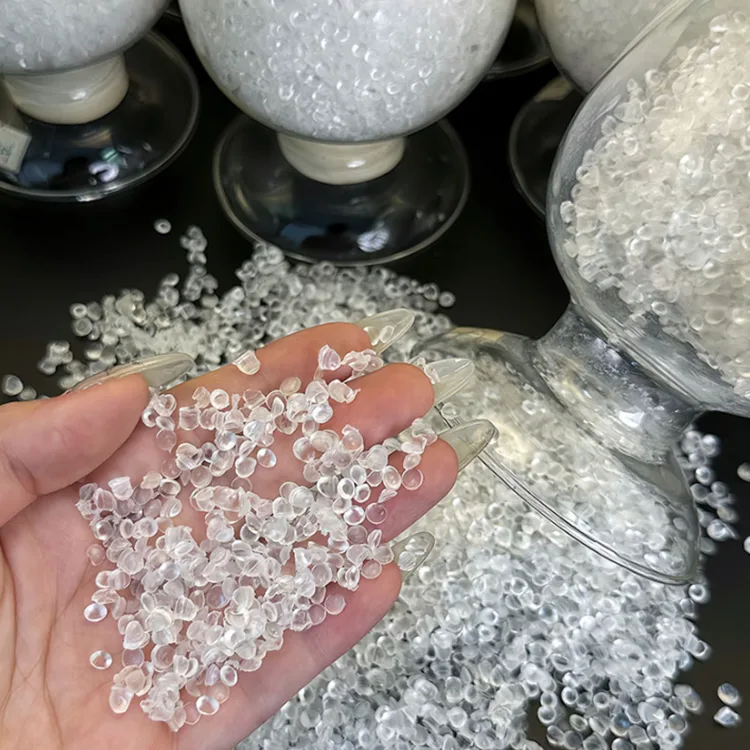
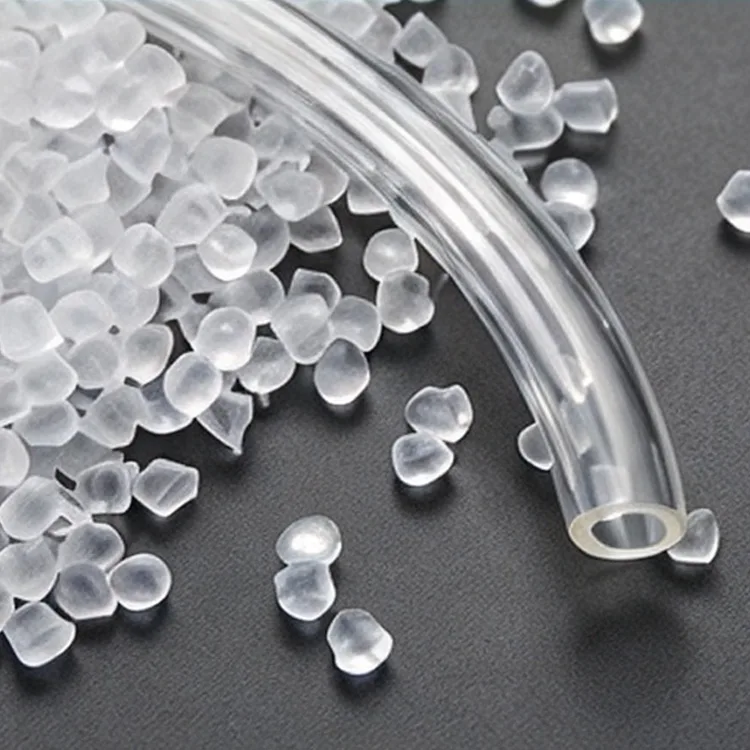
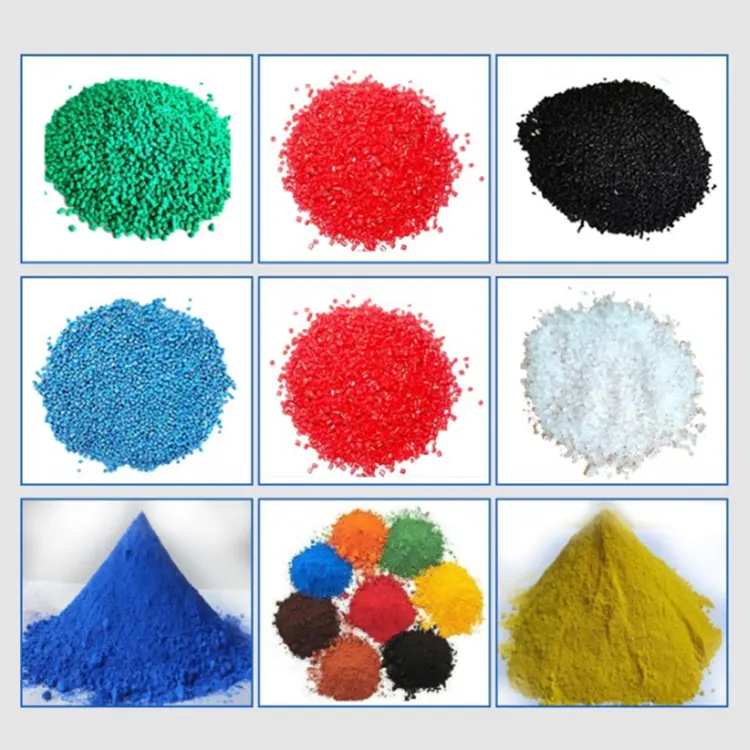
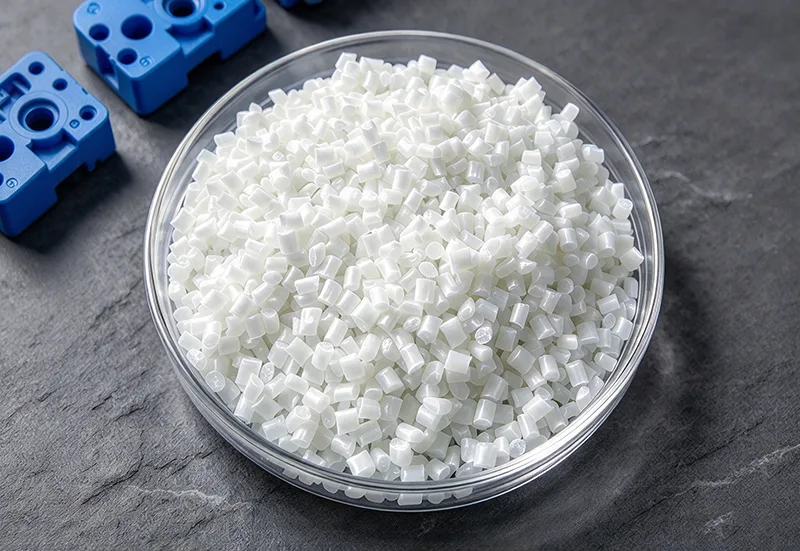
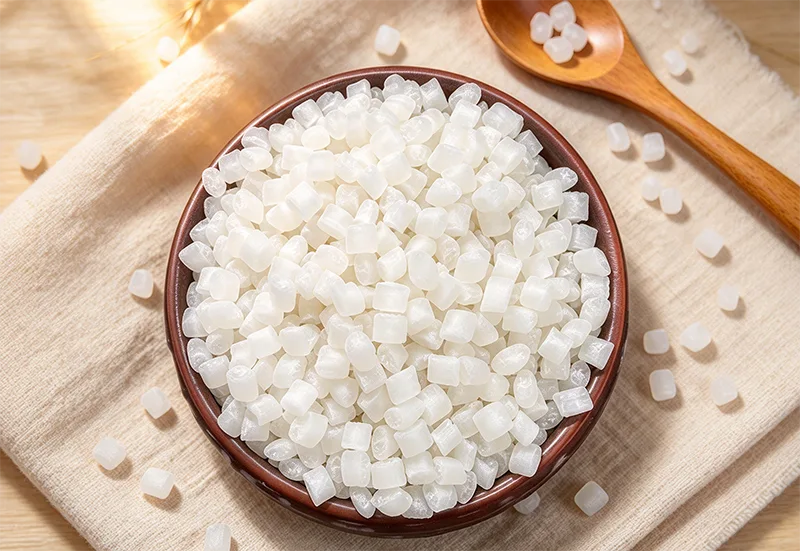
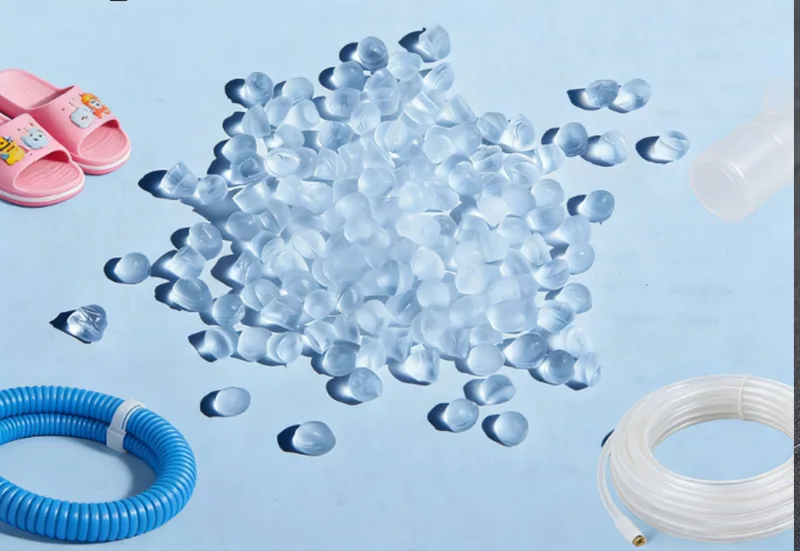
| Appearance | Black or Natural Pellets |
| Processing Methods | Injection Molding, Profile Extrusion, Blow Molding, Co-Extrusion |
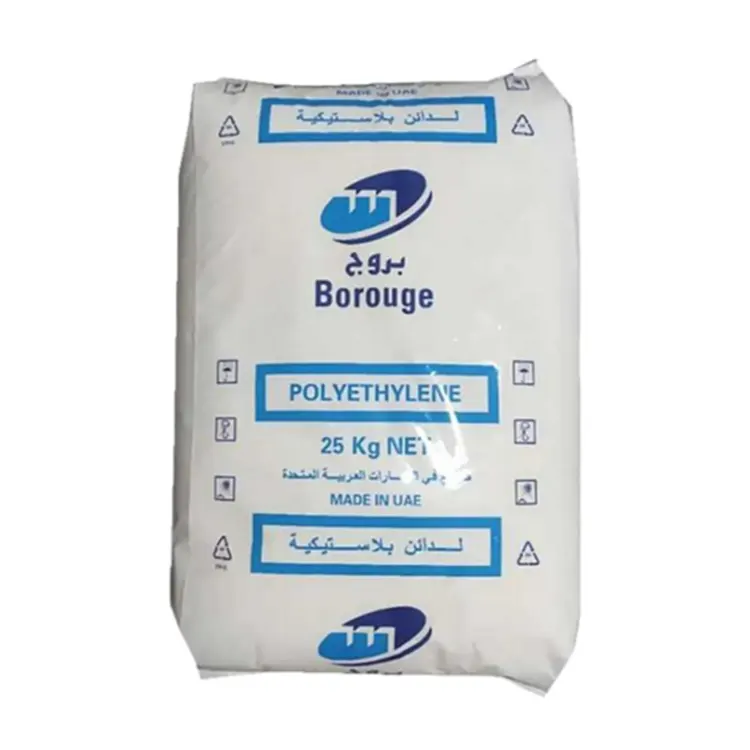
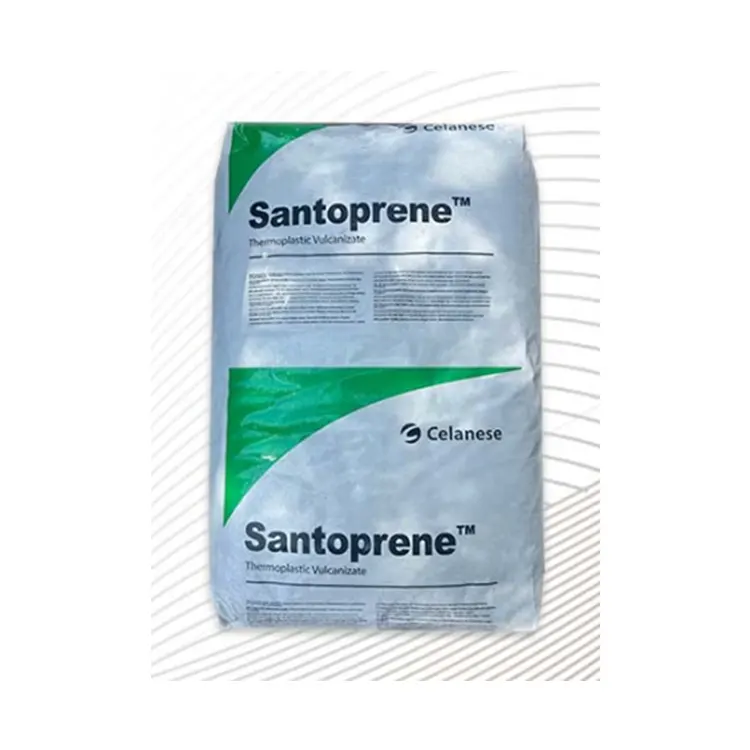
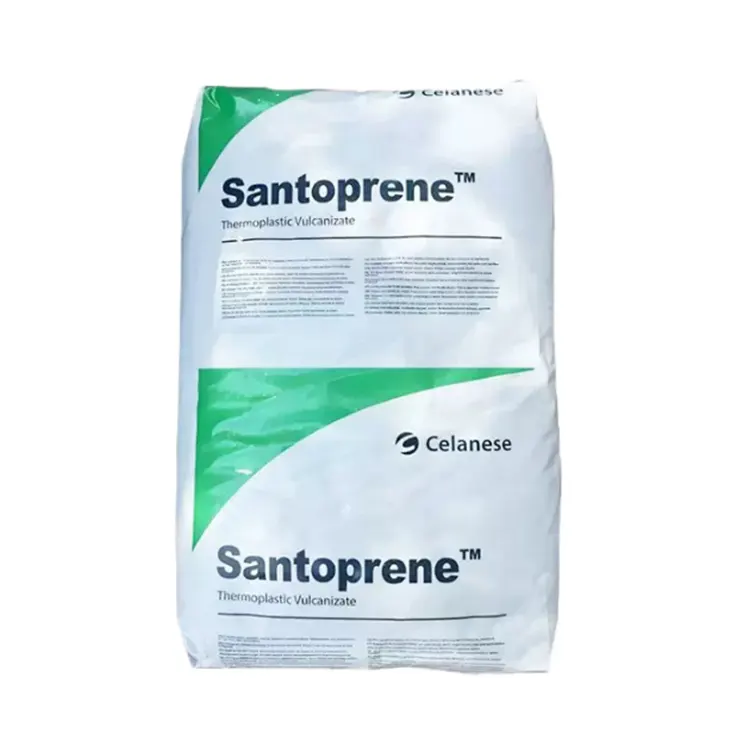
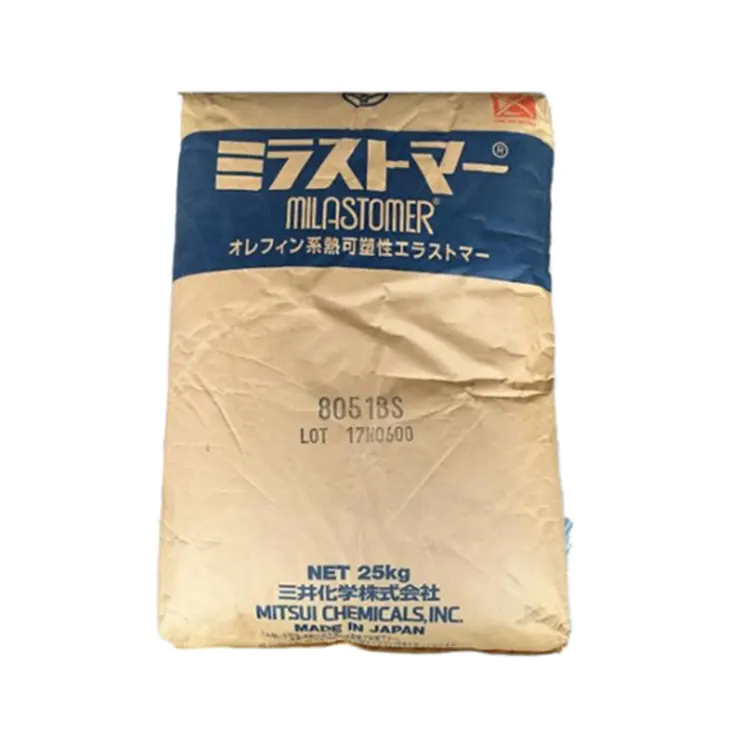
| Packaging | 25 kg Moisture-Protected Woven Bag |
| Available Documentation | TDS, COA, SDS, Applicable Mechanical and Regulatory Reports |
The supplied reference identifies a barrel-temperature range of approximately 185–225°C and recommends avoiding excessive thermal exposure during molding.
Overheating or prolonged residence time may damage the polymer or stabilization system, affecting finished-part appearance and long-term properties.
For heat-resistant sealing applications, the source reference recommends mold temperatures around 45–60°C.
Cooling conditions influence dimensional consistency and the development of the polypropylene phase. Actual mold settings should be established through the selected grade's technical recommendations and production trials.
Although EPDM-PP TPV generally has low intrinsic moisture absorption, condensation or humid storage may introduce surface moisture.
If drying is necessary, the supplied reference suggests 75–85°C for 2–3 hours. The appropriate conditions should be confirmed for the grade before processing.
Improved thermal-aging performance does not automatically improve compatibility with mineral oils or hydrocarbon solvents.
The supplied material information specifically cautions against prolonged immersion in concentrated mineral oil.
Components continuously exposed to engine oil, lubricants, or fuel-related media require separate chemical compatibility evaluation. An oil-resistant elastomer formulation may be necessary even when the operating temperature falls within the material's stated service range.
Zhejiang Zhongwang International Trade Co., Ltd. coordinates polymer sourcing from Yuyao China Plastics City, supported by established petrochemical supply relationships and regional logistics resources.
Buyers evaluating High-Temperature TPV should provide the maximum continuous temperature, thermal-cycle frequency, Shore hardness, compression requirements, processing method, and chemical-contact conditions.
For sealing applications, relevant trial tests should include compression recovery after heat exposure, dimensional stability, and assembly-level performance. Sample availability and technical documentation can be discussed during grade confirmation.
Heat-resistant grades use modified rubber-phase and stabilization systems intended to improve performance under elevated-temperature exposure. The supplied reference identifies continuous service up to 140°C for the heat-stabilized family, compared with approximately 125°C for conventional grades. Actual performance depends on the selected formulation and test conditions.
No. Temperature capability alone does not establish compression recovery or leak-tightness. Finished seals must be evaluated under representative compression, temperature, and service duration.
Only after chemical compatibility is established. The described EPDM-PP formulation is not recommended for prolonged immersion in concentrated mineral oils. An oil-resistant material may be required.
Relevant properties include hardness, flexibility, resistance to repeated bending, thermal aging, and dimensional stability. Tests should use representative bellows produced with the intended manufacturing process.
The original reference mentions limited regrind use, but repeated processing can alter the stabilization system and rubber-phase properties. Any regrind percentage should be approved for the selected grade and verified through finished-part thermal and mechanical testing.
Address
Building 1, China Plastics International Business Center, No. 285 Shunda West Road, Yuyao City, Ningbo City, Zhejiang Province, China
Tel
If you have any enquiry about quotation or cooperation, please feel free to email us or use the following inquiry form.Our sales representative will contact you within 24 hours. Thank you for your interest in our products.