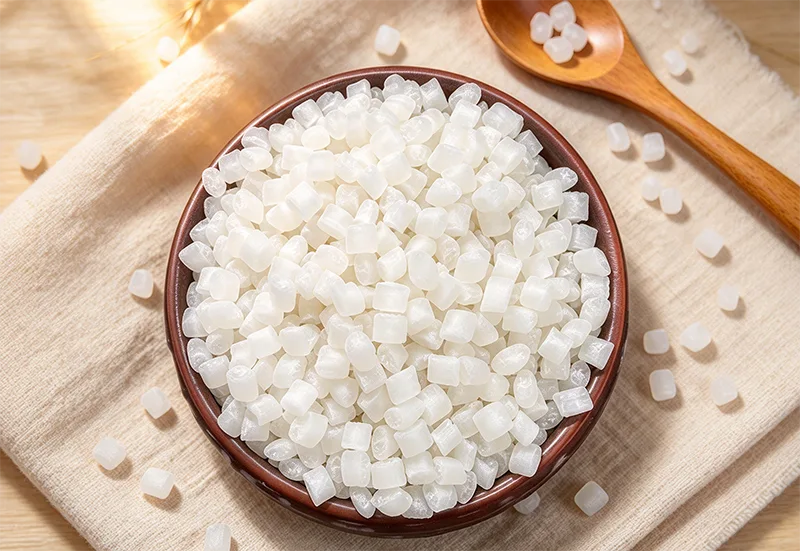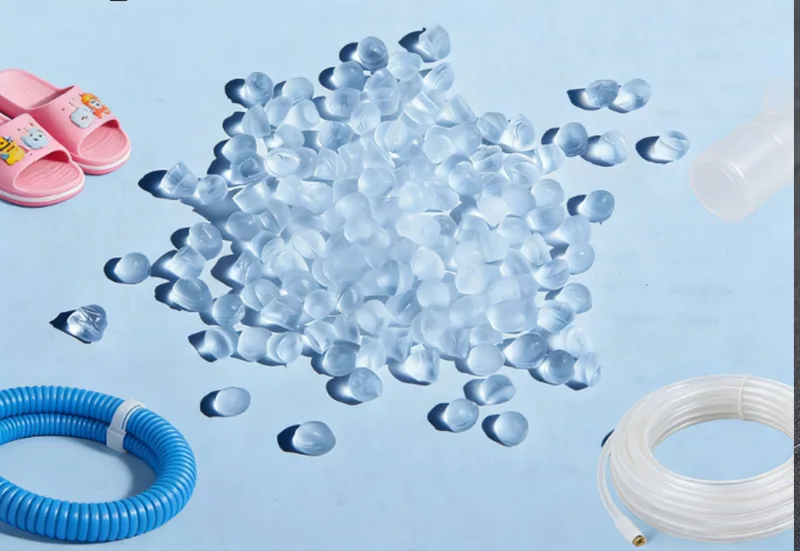
Located in Yuyao China Plastics City, Zhongwang provides diversified Food-Grade TPV grades for worldwide industrial buyers. Conventional standard TPV uses general-purpose additives which may not satisfy food-contact migration-limit requirements. Food Grade TPV is special EPDM-PP dynamic-vulcanization alloy: every raw-material, processing-oil, antioxidant and auxiliary additive is screened to meet international food-contact regulations, minimizing substance-migration toward aqueous, acidic and alcoholic food simulants Made-in-Ch.... It retains core merits of TPV: excellent compression-recovery, ozone-weathering resistance, thermoplastic injection-molding / extrusion processability and limited recyclability. Many purchasers mistakenly adopt ordinary industrial-grade TPV for food-contact projects, resulting in excessive extractables, peculiar smell and non-compliant test-reports.
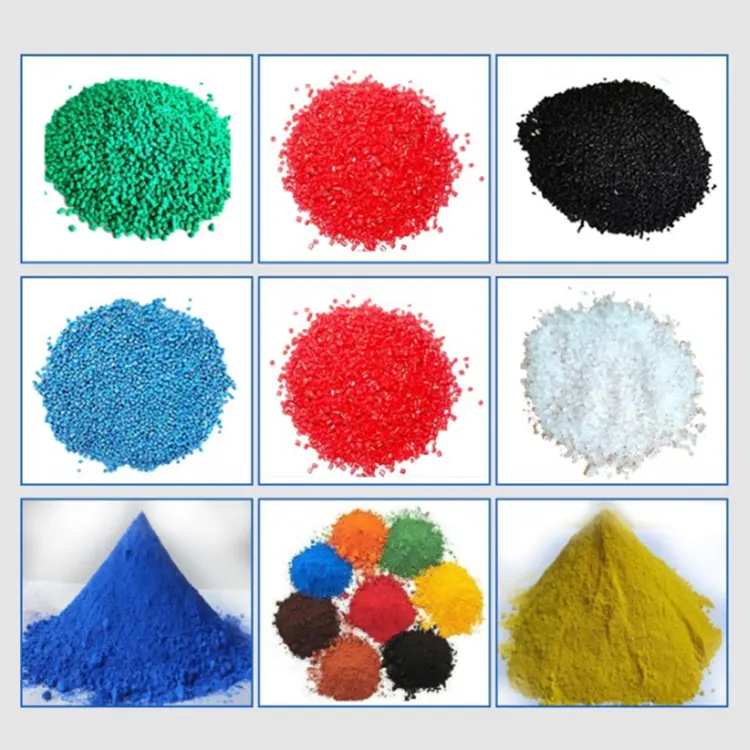
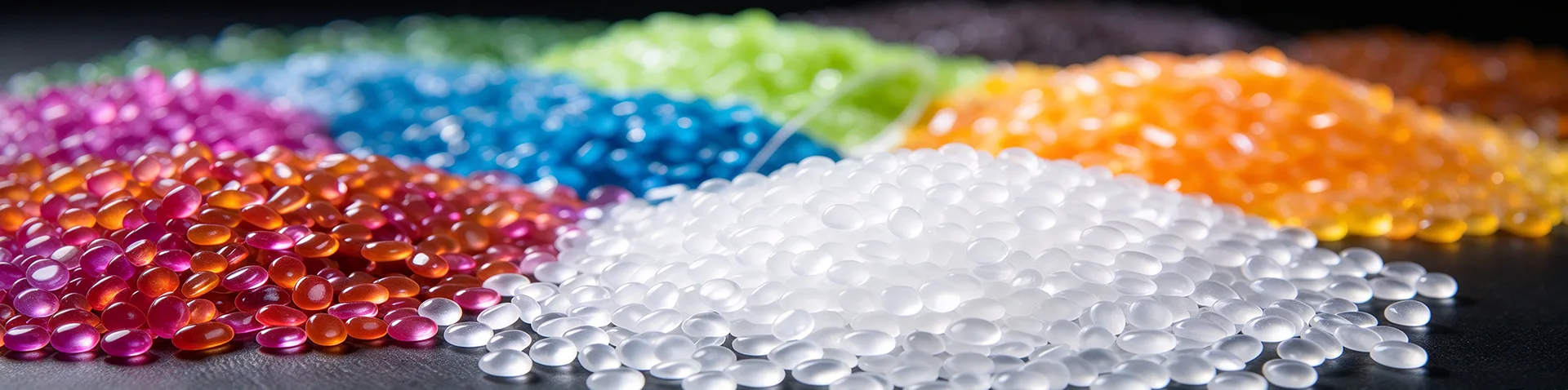
Our food-grade-series TPV includes food-safe injection grade, food-contact extrusion-profile grade and color-matchable base pellets. According to customers’ Shore hardness, processing-technology, actual-food-medium exposure (water / weak-acid / alcohol-containing food), target regulatory-standard and over-molding substrate condition, our technical team selects suitable Food-Grade TPV grades for mass-production projects. UV-stabilized food-grade modified variants are available upon request. Note: This EPDM- PP food- grade TPV is NOT recommended for long- term direct contact with high- fat / strong- hydrocarbon- oil food media.
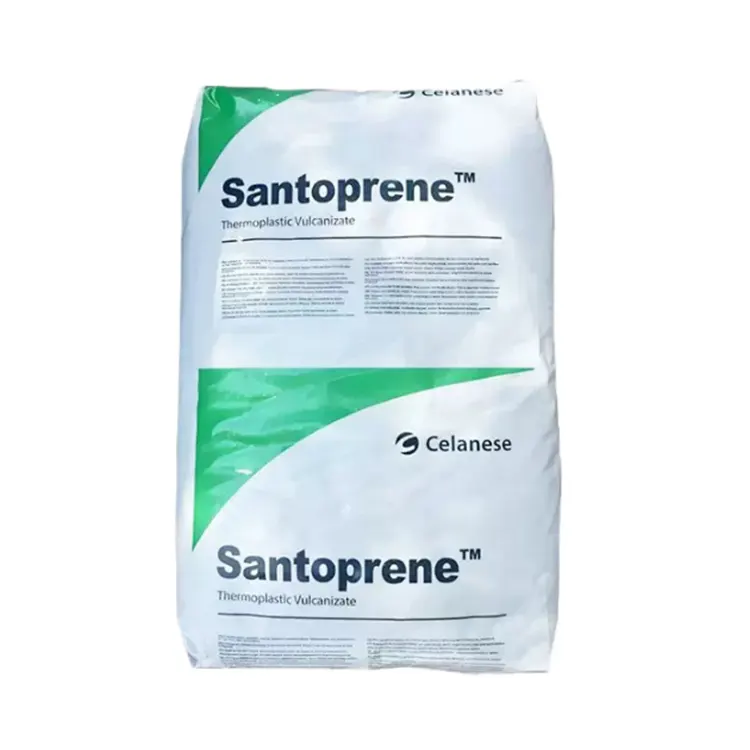
Food Grade TPV is food-contact-qualified dynamically-vulcanized thermoplastic vulcanizate based on EPDM-PP system. Under twin-screw dynamic-vulcanization, fine fully-cross-linked EPDM rubber-particles are homogeneously dispersed inside continuous PP thermoplastic matrix; the whole formula system strictly excludes restricted hazardous substances, adopting food-approved processing-oils and stabilizer packages to control total migration and peroxide residues as required by food-contact norms.
Compared with standard industrial-TPV, food grade TPV implements stricter raw-material incoming inspection and batch-wise food-simulant migration testing. It maintains good elasticity, hot-water hydrolysis resistance and flex-fatigue performance; can be processed via injection-molding, profile-extrusion and co-extrusion. Different from silicone rubber, food-grade TPV possesses thermoplastic recyclability and higher molding efficiency, while its long-term high-fat-food compatibility remains limited.
Even raw-material food-compliant certificates are available, final finished-products still require finished-article food-contact certification. Defects such as peculiar-odour, bloom and sealing-performance decay may occur from improper drying, excessive processing-temperature or cross-contamination during production. Processors must strictly avoid mixing with ordinary industrial-grade plastic materials, and verify migration-test and compression-set performance after trial-production.
|
Item |
Reference Data |
|
Product |
Food-Grade TPV |
|
Brand |
Zhongwang |
|
Hardness Range |
Shore 50A ~ 40D (grade-dependent, ASTM D2240) |
|
Density |
0.94-0.98 g/cm³ (unfilled food-grade grades) |
|
MFR (230 ℃ /2.16 kg) |
0.5-23 g/10 min, grade-dependent |
|
Tensile Strength |
3-11 MPa typical value (hardness-dependent) |
|
Elongation at Break |
240-540 % typical value |
|
Compression Set (70℃ × 22 h) |
30-46 % typical value (ASTM D395-B) |
|
Continuous Service Temperature |
-40 ℃ ~ 125 ℃; short-term peak 135 ℃ |
|
Mold Shrinkage |
1.5-2.8 % (hardness-relevant) |
|
Flammability UL94 |
HB (standard non-fire-retardant food-grade grade) |
|
Regulatory Compliance |
FDA 21CFR 177.2600, EU 10/2011, BfR XXI/3, GB 4806 series, RoHS, REACH SVHC |
|
Appearance |
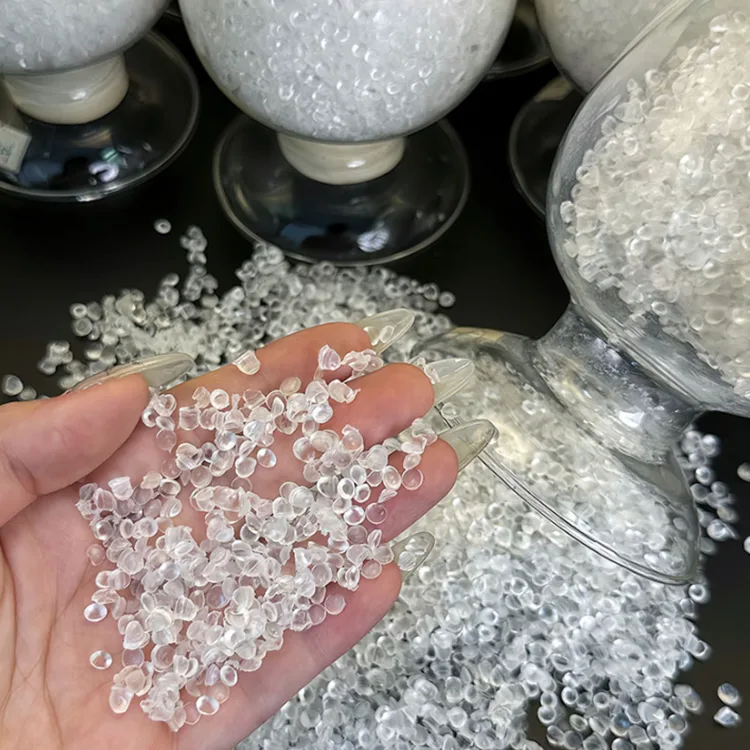
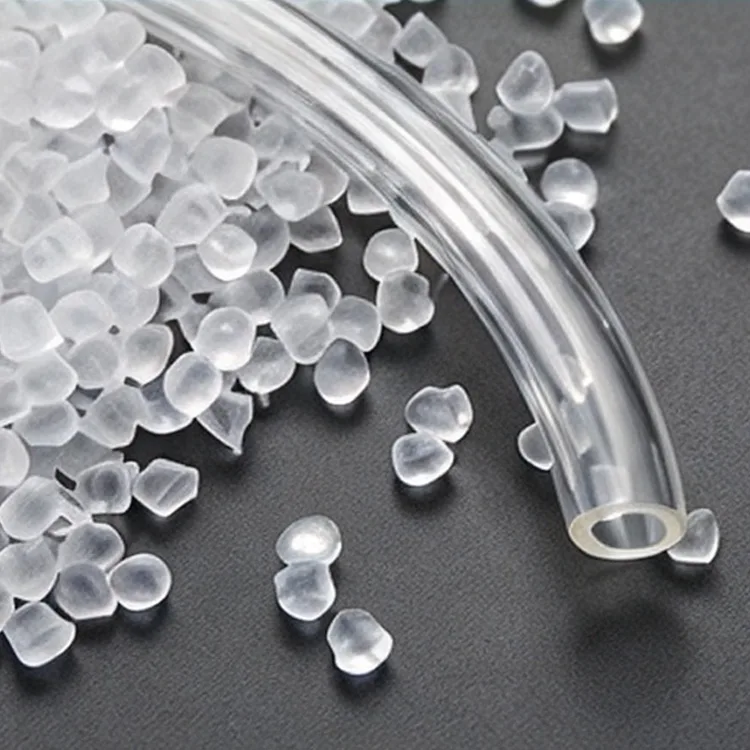
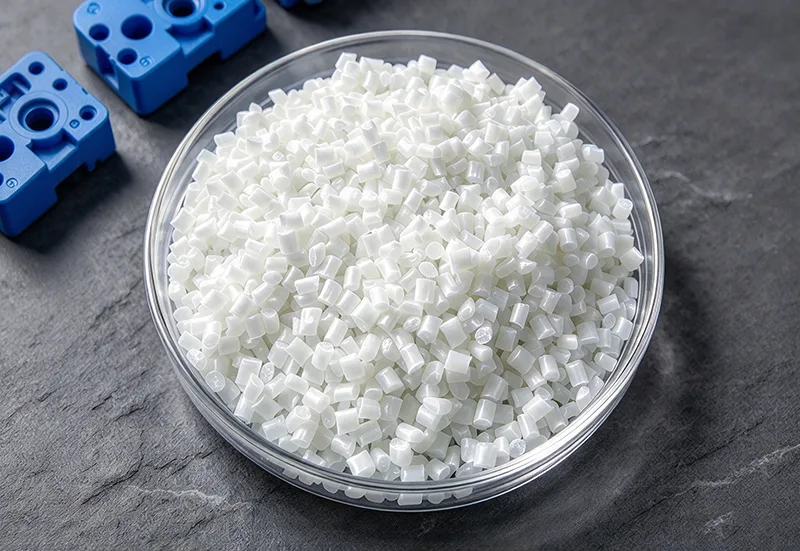
Black / Natural translucent low-odor pellets |
|
Processing Method |
Injection-Molding, Profile-Extrusion, Co-Extrusion |
|
Standard Packaging |
25 kg food-contact-grade inner-bag + moisture-proof woven outer bag |
|
Place of Origin |
Yuyao, Zhejiang, China |
|
Available Documents |
COA, TDS, MSDS, mechanical-performance test report, food-contact compliance statement, RoHS / REACH statement |
Selecting Food-Grade TPV cannot judge only by Shore hardness value. Buyers need to evaluate processing-technology, real food-contact medium (water / weak-acid / alcohol / high-fat food), target regulatory-standard, compression-set sealing-requirement and over-molding matching-substrate.
- Food- Safe Injection Food Grade TPV: Recommended for food-container sealing gaskets, drinking-water-equipment grommets, kitchen-tool soft-touch over-molded handles, beverage-machine small elastic components, non-mouthing soft consumer-goods. - Food- Contact Extrusion- Profile Food Grade TPV: Prioritize for water-dispenser sealing strips, food-processing-equipment gaskets, beverage-equipment flexible outer-layer profiles, household-food-appliance soft sealing profiles.
When sending inquiry, please inform our team of target Shore hardness, processing-technology, actual food-contact medium type, required compliance-standard and over-molding substrate type. Our technical team will recommend matched food grade TPV grades. Small-batch trial-production before mass-order is highly suggested; finished-product food-simulant migration-test shall be performed.
Our Food Grade TPV adopts virgin food-contact-qualified EPDM-PP dynamically-vulcanized raw-material; all processing-oils, antioxidants and auxiliaries comply with food-contact-access-list requirements, recycled-material mixing is strictly forbidden for food-grade batches. Every batch completes hardness test, MFR inspection, mechanical-property detection and food-contact-document review before shipment. Raw-material sources maintain long-term cooperation with Sinopec, PetroChina and well-known petrochemical enterprises.
We support third-party food-contact migration inspection appointed by purchasers. Re- grind recycling for direct food- contact finished- parts is strictly prohibited, because thermal-history may induce additive-decomposition and increase extractables risk. We can supply COA, TDS, MSDS and corresponding performance-test reports, food-contact compliance statement, together with RoHS / REACH compliance statement according to project requirements.
Zhongwang is located in Yuyao China Plastics City International Business Center, China’s largest plastic-raw-material trading hub. Geographically, it sits 60 km away from Beilun Port and 80 km away from Hangzhou Xiaoshan International Airport, enjoying convenient land-sea-air comprehensive logistics conditions.
Apart from Food Grade TPV, our product portfolio covers PP, PE, ABS, PC, PC/ABS, PA, EVA and other engineering plastics, covering automotive, home appliance, electronic-electrical and daily-commodity industries. We keep stable long-term partnerships with Sinopec, PetroChina and other domestic & international resin brands. Apart from spot stock supply and local delivery service, our technical group can provide material-selection consultation, process docking and full-set application technical support for customer projects.
Even purchasing qualified Food Grade TPV, improper molding operations or cross-contamination will lead to odor risk, migration-exceeding and sealing-performance decay. We summarize typical mistakes collected from cooperative molding factories:
1. Cross-contamination risk. Production equipment, hopper and screw must be fully purged and cleaned before running food grade TPV; strictly avoid residual industrial-grade plastics, color-masterbatches or additives from previous batches polluting food-grade material. Dedicated production line is preferred for stable food-contact production.
2. Improper pre-drying operation. Food grade TPV has low intrinsic-moisture-absorption, but surface condensation will occur after long-term damp-warehouse storage. Recommended drying condition:75-85 ℃ for 2-3 hours by dehumidifying hopper dryer. Excessive moisture will cause surface splay, matte defects and potential volatile-odor.
3. Unreasonable barrel-temperature setting. Suggested barrel-temperature range:180-220 ℃; nozzle temperature should not exceed 225 ℃. Avoid long-time material residence inside barrel; temperature over 235 ℃ will trigger additive-decomposition, generating peculiar-odor and raising migration-risk for food-contact application.
4. Mis-application for long-term high-fat-food direct-contact. This EPDM-PP food-grade TPV passes water-/weak-acid-/alcohol-food-simulant tests, yet oil-resistance remains limited. Continuous direct contact with high-fat-food will cause swelling and higher substance-migration risk; silicone or special oil-resistant food-grade elastomer shall be selected for such scenario.
Before switching production to food grade TPV, thoroughly purge and clean extruder / injection-machine barrel and screw to eliminate residual non-food-grade plastic materials.
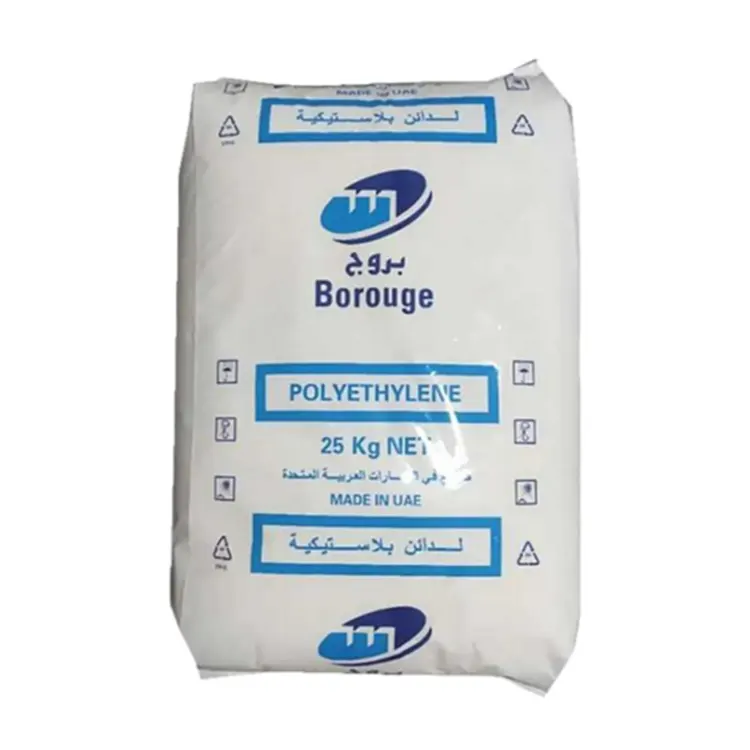
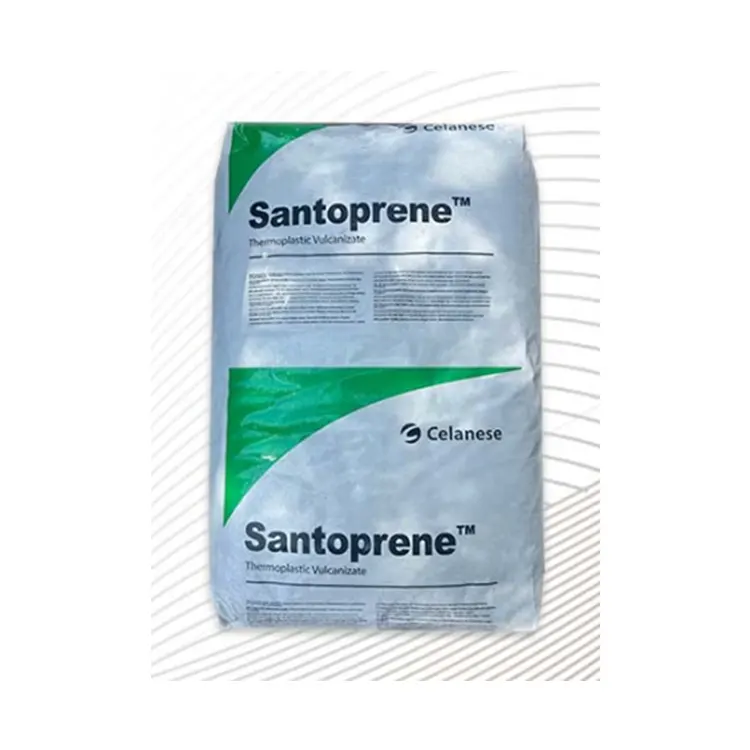
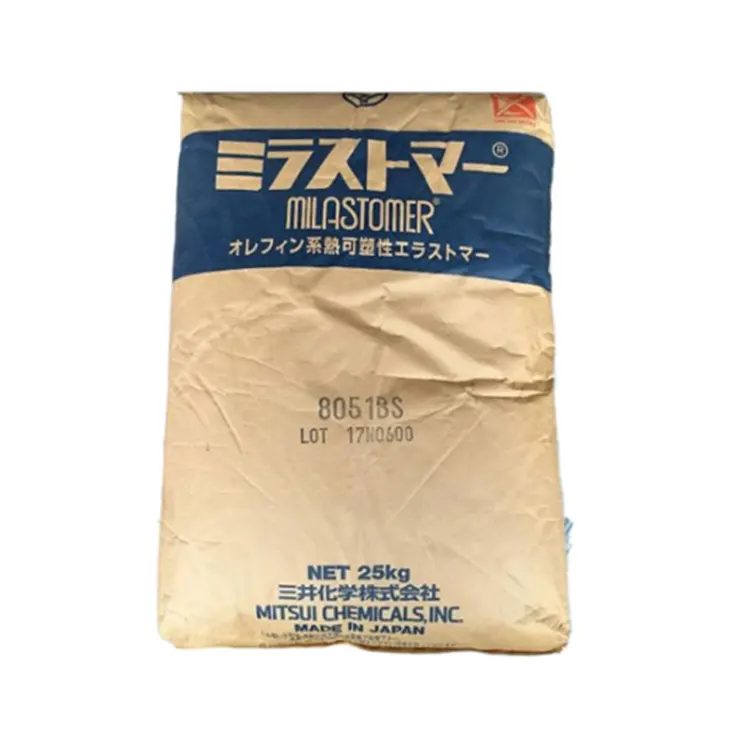
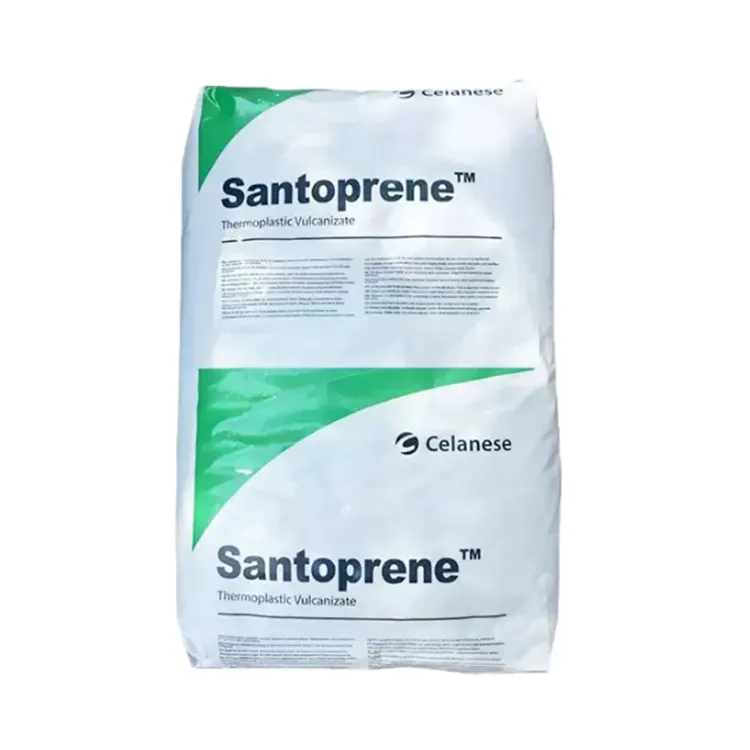
Food Grade TPV uses food-contact-qualified inner plastic bag plus 25 kg moisture-proof woven outer bag. Pellets shall be kept sealed, avoid damp, dust and cross-contamination during storage and transit, storage warehouse shall be clean and dry. Goods are stacked on standard plastic pallets to prevent dampness and mechanical damage in sea or land transportation. We support multiple trade terms such as FOB Ningbo, CIF. Spot goods can be delivered quickly after PO confirmation. For large-tonnage long-term framework orders, we coordinate stable allocation from modification manufacturers. Real-shot photos of packing and container-loading can be provided upon buyer’s request.
A1: Food Grade TPV is EPDM-PP dynamic-vulcanized elastomer with every raw-material and additive screened for food-contact regulations, controlling migration, peroxide residue and odor. Industrial-grade TPV uses general-purpose oils & stabilizers without food-compliant screening and cannot be used for direct food-contact parts. Food-grade TPV retains TPV’s elasticity and processability, but re-grind recycling for food-contact finished-goods is forbidden.
A2: Food grade TPV absorbs little moisture inherently. If pellets are stored in humid environment for long-time, dry at75-85 ℃ for 2-3 hours with dehumidifying dryer to eliminate surface condensed moisture. Meanwhile ensure drying-equipment is clean without industrial-material residue.
A3: Yes, small-quantity samples are available for customer testing purposes. Sample freight will be discussed separately. Notice: raw-material sample compliance cannot replace finished-product food-contact-migration test.
A4: We can provide COA, TDS, MSDS, mechanical-performance test report, food-contact compliance statement and RoHS / REACH compliance statement according to project requirements. Final finished-product still requires third-party migration-testing report.
A5: Direct reuse of re- grind for food- contact surface parts is strictly prohibited. Thermal history may decompose functional additives, increase extractables and odour risk. Re-grind can only be applied for non-food-contact secondary-components, if permitted by local regulation.
Address
Building 1, China Plastics International Business Center, No. 285 Shunda West Road, Yuyao City, Ningbo City, Zhejiang Province, China
Tel
If you have any enquiry about quotation or cooperation, please feel free to email us or use the following inquiry form.Our sales representative will contact you within 24 hours. Thank you for your interest in our products.