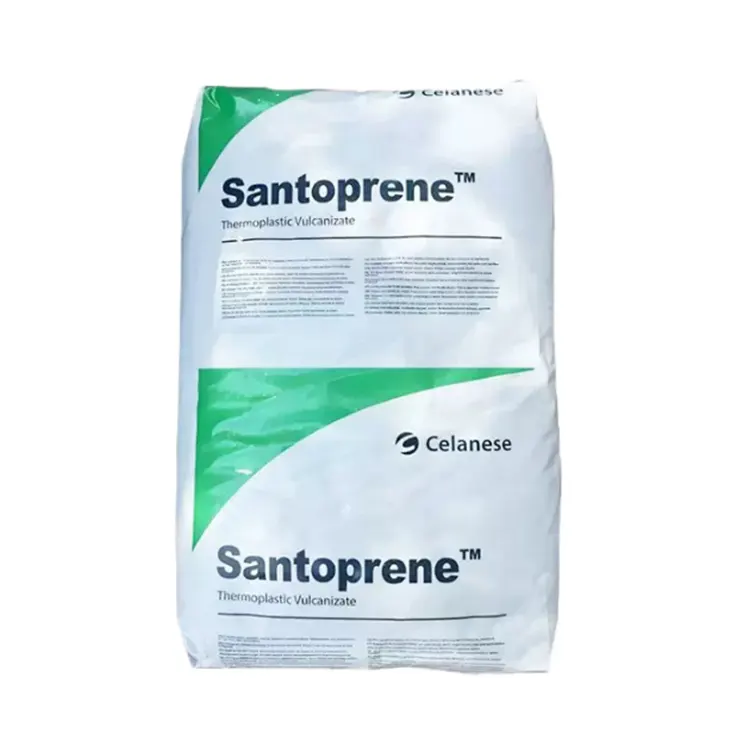
With Standard TPV, Zhongwang assists industrial purchasers in matching elastomer hardness and processing characteristics to automotive, building, and electrical component production.
The material consists of crosslinked EPDM rubber particles dispersed within a continuous polypropylene thermoplastic phase. The rubber phase contributes elasticity, compression recovery, and resistance to ozone exposure, while the polypropylene phase enables the material to soften and flow during thermoplastic processing.
This structure makes TPV different from conventional thermoset EPDM rubber. Finished shapes can be produced without a separate post-forming vulcanization cycle, allowing suitable grades to be used in established thermoplastic manufacturing operations.
Compared with many general-purpose styrene-based thermoplastic elastomers, TPV can provide more favorable compression-set and weathering characteristics. However, the difference depends on the specific compounds and the actual application.
The main consideration for purchasers is whether the selected hardness and formulation can deliver the required sealing or cushioning function after molding and installation.
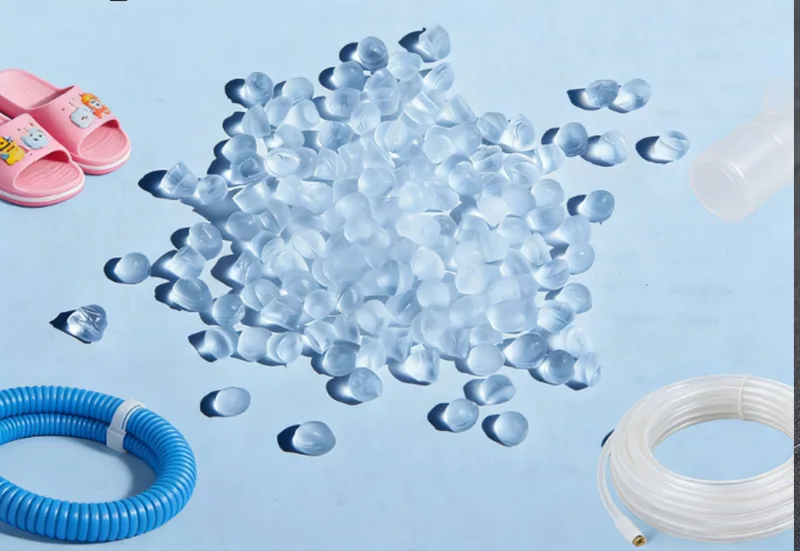
Injection grades can be selected for automotive wiring grommets, equipment cushions, buffer stoppers, appliance seals, and flexible overmolded components.
Reference hardness values of Shore 55A–40D cover applications requiring different levels of flexibility and resistance to deformation.
Mold filling, demolding, shrinkage, and the compression behavior of the finished component should be checked during trial production.
Extrusion grades are used for profiles where a consistent cross-section must be maintained over long production lengths.
Typical applications include window gaskets, automotive auxiliary weather strips, curtain-wall joint profiles, and flexible cable coverings.
The supplied reference lists extrusion-grade hardness options from Shore 45A to 90A. Die swell, line speed, cooling, and dimensional tolerance influence profile quality.
Selected blow-molding grades are intended for flexible hollow parts, including protective boots, air-duct bellows, and corrugated sleeves.
These components require sufficient melt strength during forming and suitable flexibility during repeated movement.
For automotive protective boots, exposure to oils, grease, temperature, and mechanical movement must be evaluated before final material approval.
General-purpose TPV pellets may also serve as a base for further compounding.
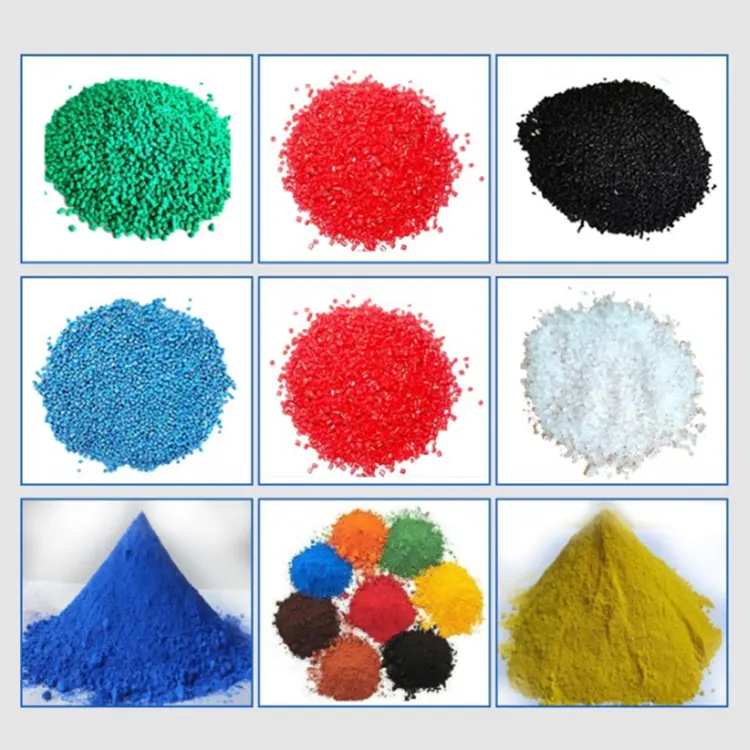
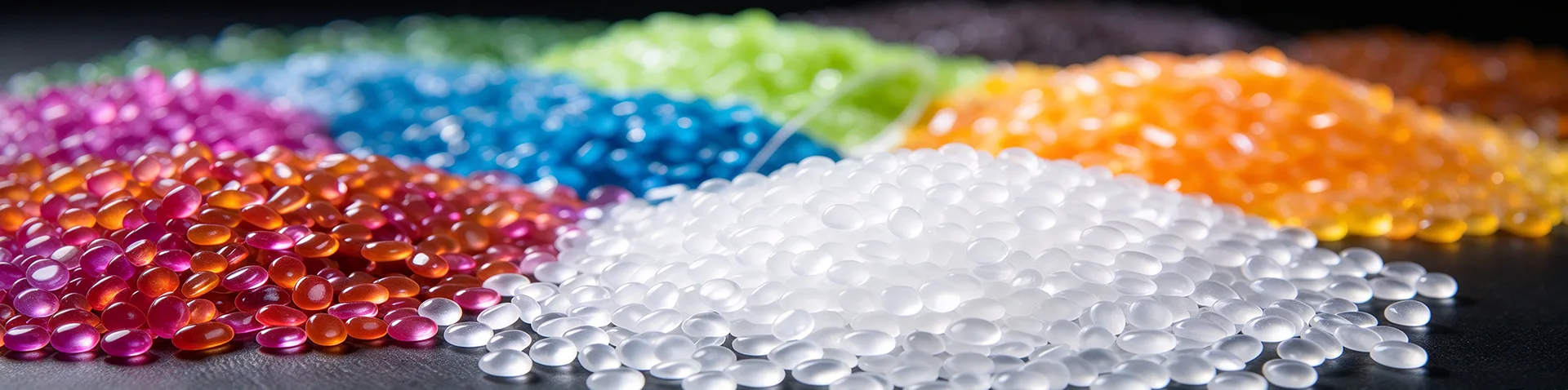
Depending on compatibility, color masterbatches, UV stabilizers, and other additives can be incorporated to develop application-specific formulations.
Modification can change hardness, mechanical properties, flow behavior, and aging performance, so the final compound must be evaluated separately.
A sealing profile needs more than initial softness. Its function depends on the contact pressure maintained after compression and repeated use.
The original technical information identifies compression-set values of 28–45% after 22 hours at 70°C, depending on the grade.
Lower compression set under identical test conditions generally indicates less permanent deformation. However, actual sealing behavior also depends on the profile geometry, installation compression, operating temperature, and surrounding components.
Hardness should therefore be considered together with compression set and finished-part testing rather than used as the sole purchasing criterion.
| Item | Reference Specification |
|---|---|
| Product Name | Standard TPV |
| Brand | Zhongwang |
| Material | EPDM-PP Thermoplastic Vulcanizate |
| Hardness Range | Shore 45A–50D, grade-dependent |
| Density | 0.94–0.98 g/cm³, unfilled grades |
| Melt Flow Rate | 0.5–25 g/10 min (230°C/2.16 kg) |
| Tensile Strength | 3–12 MPa, typical |
| Elongation at Break | 250–550%, typical |
| Compression Set | 28–45% (70°C × 22 h), ASTM D395-B reference |
| Continuous Service Temperature | -40°C to 125°C, grade-dependent |
| Short-Term Temperature | Up to 135°C, reference |
| Mold Shrinkage | 1.5–2.8% |
| Flammability | UL94 HB, standard grade reference |
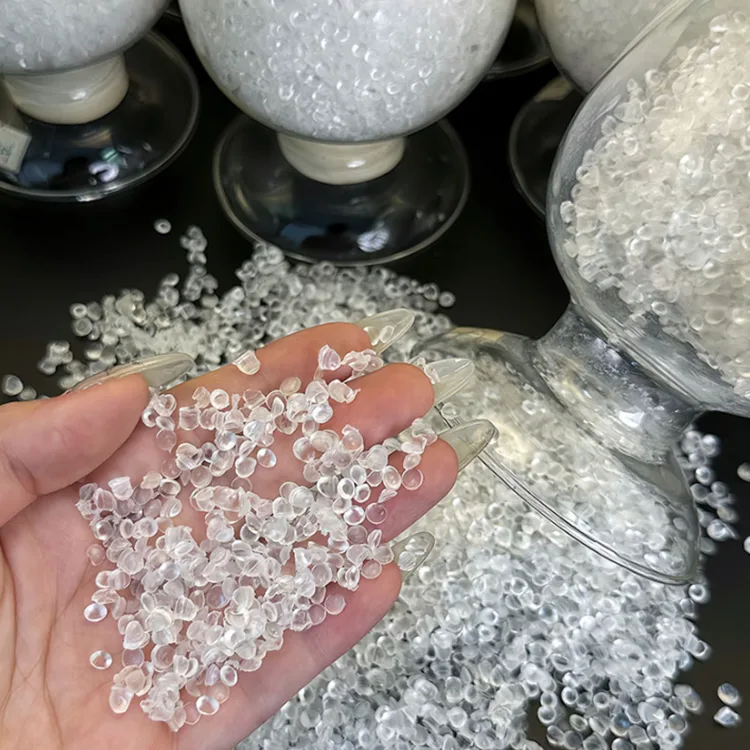
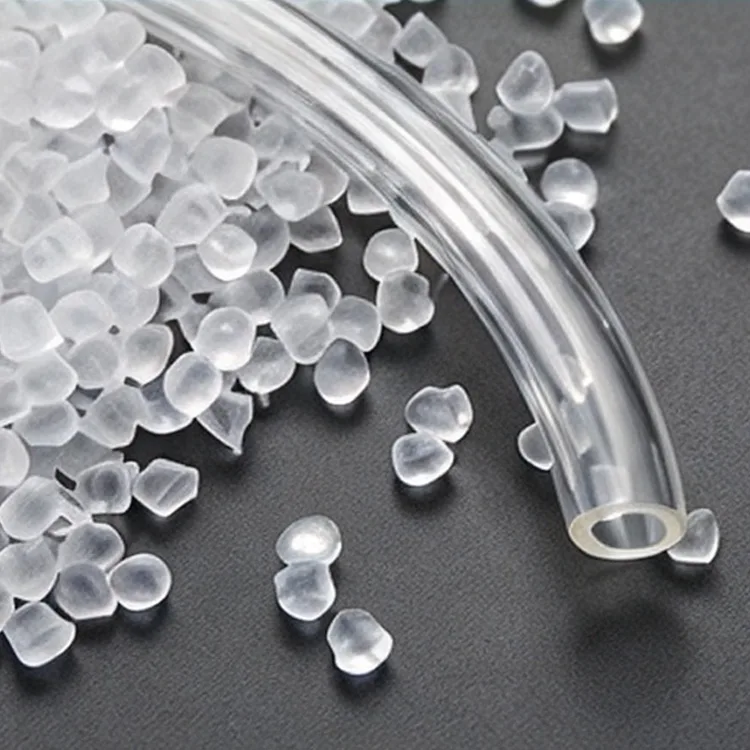
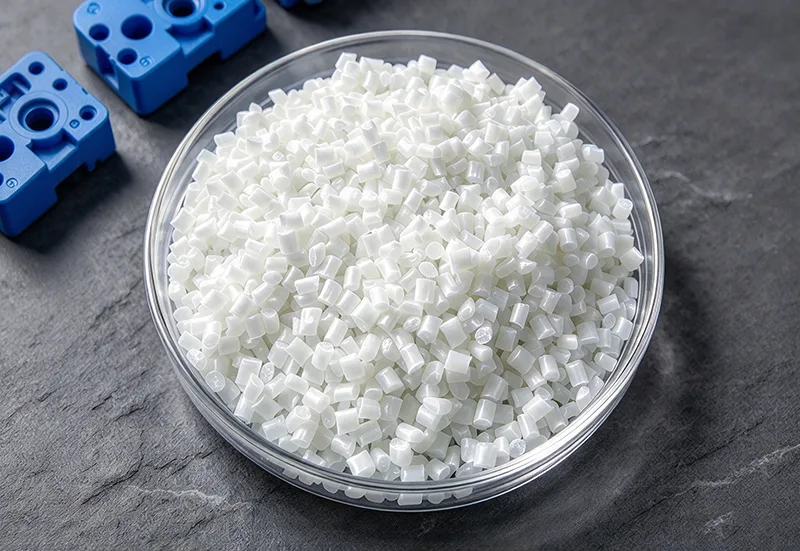
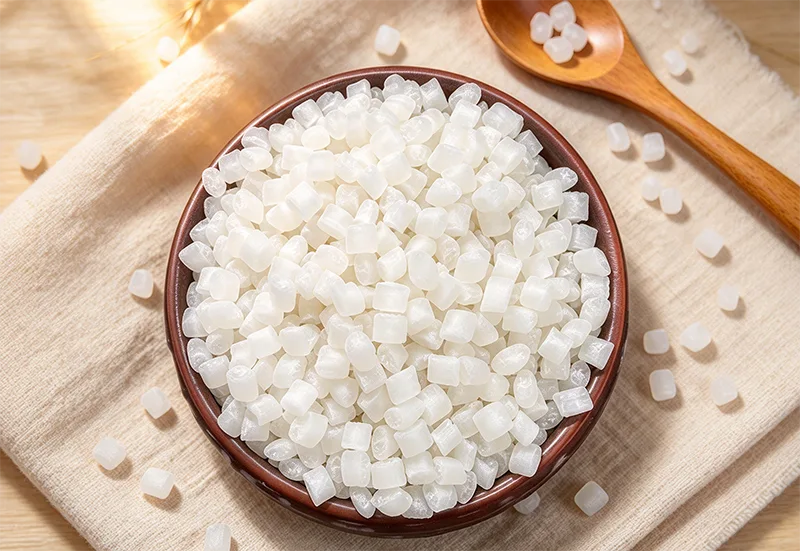
| Appearance | Black or Natural Pellets |
| Processing Methods | Injection Molding, Extrusion, Blow Molding, Co-Extrusion |
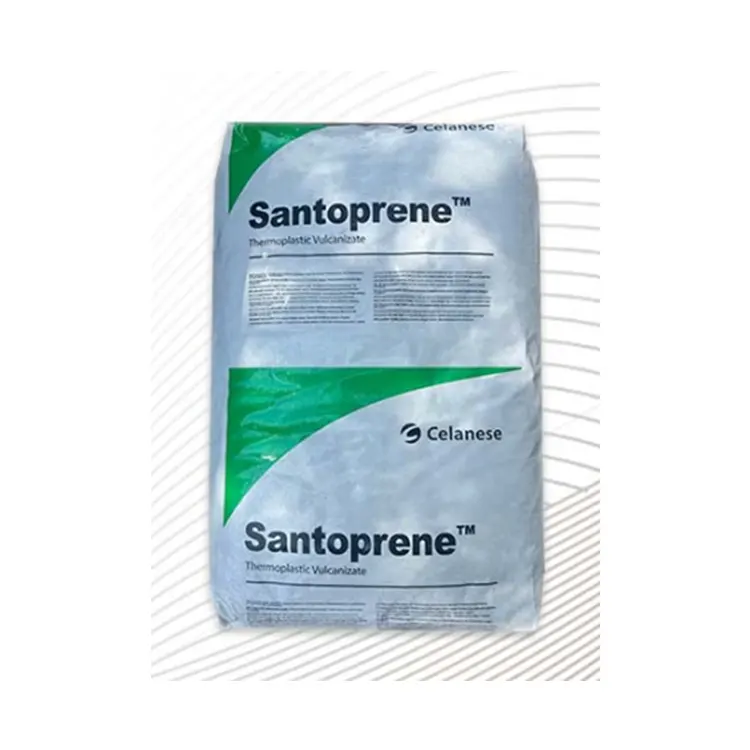
| Packaging | 25 kg Moisture-Protected Woven Bag |
| Technical Documents | TDS, COA, SDS and Applicable Test Reports |
Listed properties represent typical grade-family values. Actual material specifications and performance classifications should be confirmed using the selected grade's technical documentation.
Injection-molded elastomer components may develop sink marks, inconsistent gloss, or dimensional variations when the processing conditions do not suit the grade.
The supplied reference identifies barrel temperatures of approximately 180–225°C and mold temperatures around 40–60°C for selected sealing applications.
Injection pressure, melt temperature, cooling, and mold design should be established through trial molding.
Extruded profiles require stable output and cooling to maintain the intended section shape.
A grade with unsuitable melt characteristics may cause dimensional variation or changes in surface appearance.
Profile dimensions should be measured after cooling and, where relevant, after a defined conditioning period.
The material may be used in soft-touch and flexible overmolded components, but adhesion depends on the rigid substrate and compound formulation.
Polypropylene and other plastics can have different bonding behavior. Substrate compatibility should be established through actual production trials.
General-purpose EPDM-PP compounds are not recommended for prolonged immersion in concentrated mineral oils or hydrocarbon solvents.
For components requiring higher temperature capability, flame retardancy, food contact, or specialized chemical resistance, a dedicated compound should be evaluated.
Zhejiang Zhongwang International Trade Co., Ltd. operates in Yuyao China Plastics City, sourcing general and engineering plastic materials through established supplier relationships, including SINOPEC and PetroChina.
For a Standard TPV quotation, purchasers can provide Shore hardness, manufacturing process, finished-part dimensions, compression requirements, operating temperature, and order quantity.
Where outdoor use or overmolding is required, the UV exposure conditions and substrate material should also be specified.
Trial parts should be evaluated for compression set, dimensional stability, weathering behavior, and assembly performance before bulk purchasing.
TPV contains dynamically crosslinked rubber particles within a thermoplastic phase, while conventional TPE-S is based on styrenic block copolymer systems. TPV may provide advantages in compression recovery and weather resistance for certain applications, but performance depends on the specific material grades.
It can be considered for certain seals, grommets, profiles, and flexible parts. Replacement should be evaluated using the required compression set, mechanical properties, temperature range, chemical resistance, and production method.
The appropriate hardness depends on installation force, component geometry, required flexibility, and sealing or vibration-isolation function. A representative molded sample should be tested before grade confirmation.
Suitable TPV grades can be processed on thermoplastic injection molding equipment. Temperature settings, screw configuration, mold design, and cooling should be adjusted according to the selected compound.
Clean production scrap may be reusable within controlled limits, depending on the grade and finished-part requirements. Repeated processing can alter mechanical and compression-set properties, so the permitted percentage should be established through testing.
Address
Building 1, China Plastics International Business Center, No. 285 Shunda West Road, Yuyao City, Ningbo City, Zhejiang Province, China
Tel
If you have any enquiry about quotation or cooperation, please feel free to email us or use the following inquiry form.Our sales representative will contact you within 24 hours. Thank you for your interest in our products.