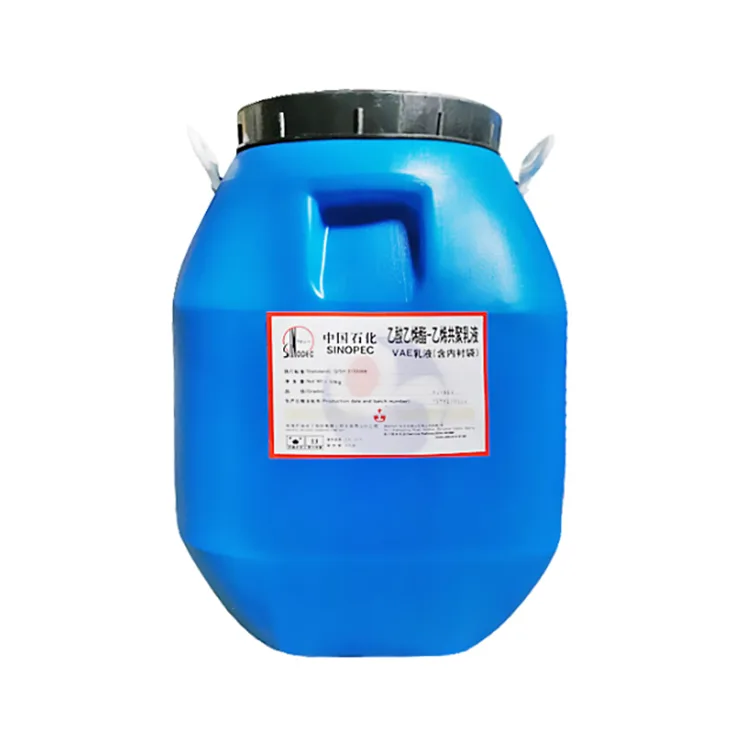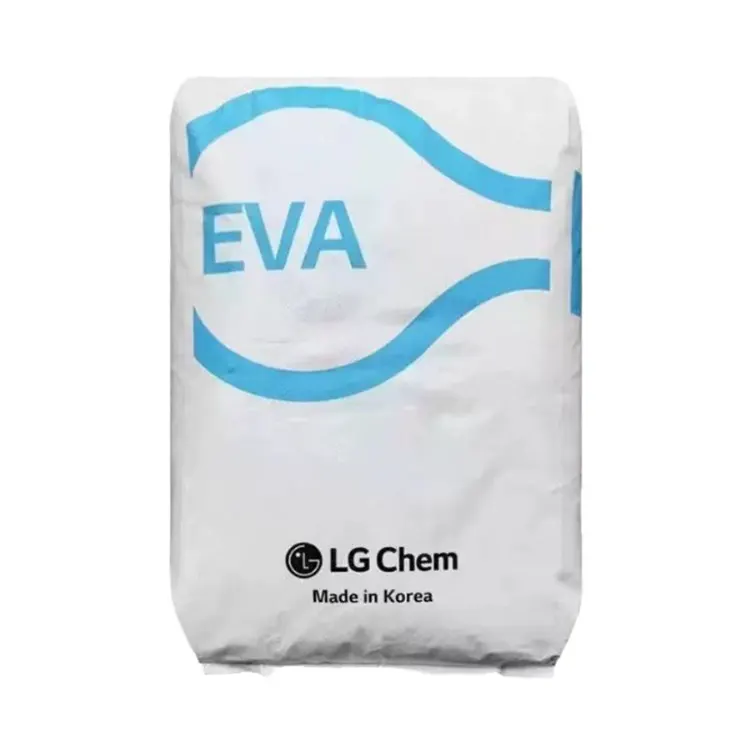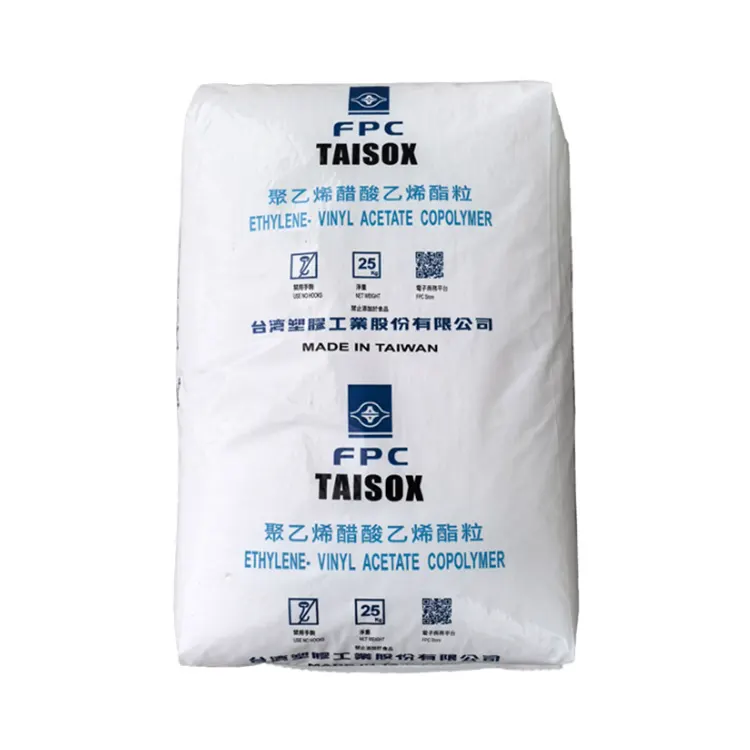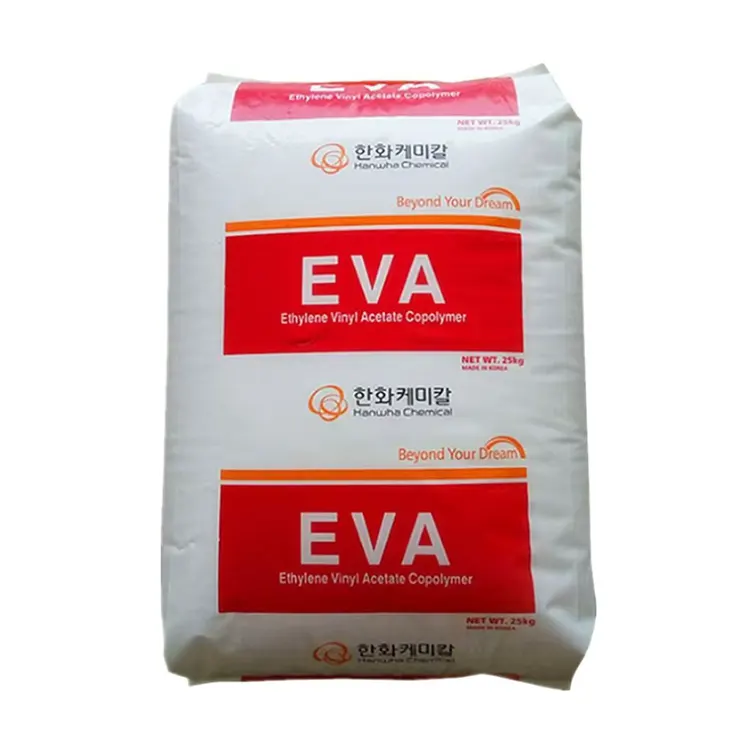
For film producers and adhesive manufacturers comparing bulk High-VA EVA resin grades, Zhongwang supports the selection of materials according to melt behavior, polymer flexibility, and the requirements of the finished formulation.
EVA is a copolymer of ethylene and vinyl acetate. The vinyl acetate segments interrupt the crystallinity associated with polyethylene, increasing polymer softness and changing its thermal and interfacial characteristics.
At the 28–42 wt% VA range described here, the material is substantially softer than lower-VA grades. It can be used in formulations requiring flexible films, compatibility with adhesive ingredients, and selected bonding characteristics.
However, high VA content does not create the same performance in every product. A resin grade suitable for hot-melt adhesive compounding may have a different melt flow rate and molecular structure from a grade intended for photovoltaic encapsulant film.
Selecting a material therefore requires identifying the final product and its manufacturing process before choosing a specific VA percentage.
| Item | Reference Specification |
|---|---|
| Product Name | High-VA EVA |
| Brand | Zhongwang |
| Polymer | Ethylene-Vinyl Acetate Copolymer |
| Vinyl Acetate Content | 28–42 wt%, grade-dependent |
| Melt Flow Rate | 2–150 g/10 min (190°C/2.16 kg) |
| Density | 0.945–0.968 g/cm³ |
| Melting Point | 55–82°C, reference range |
| Tensile Strength | 6–16 MPa, typical |
| Elongation at Break | 700–1300%, typical |
| Vicat Softening Temperature | 30–52°C, typical |
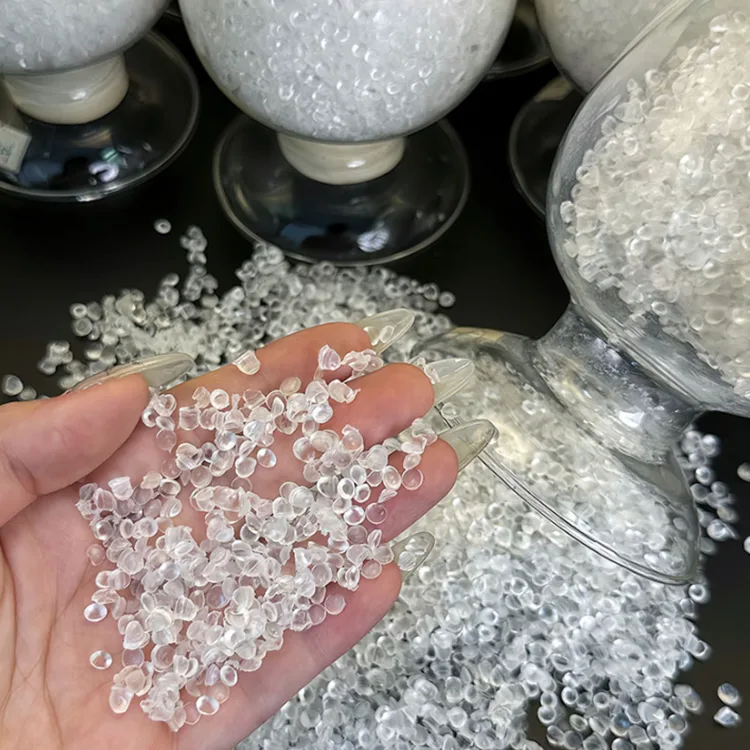
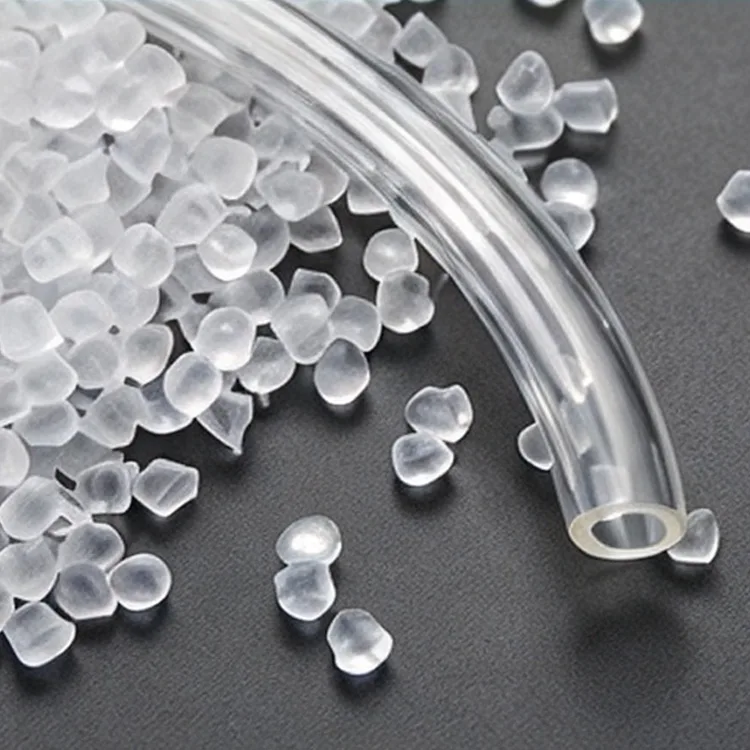
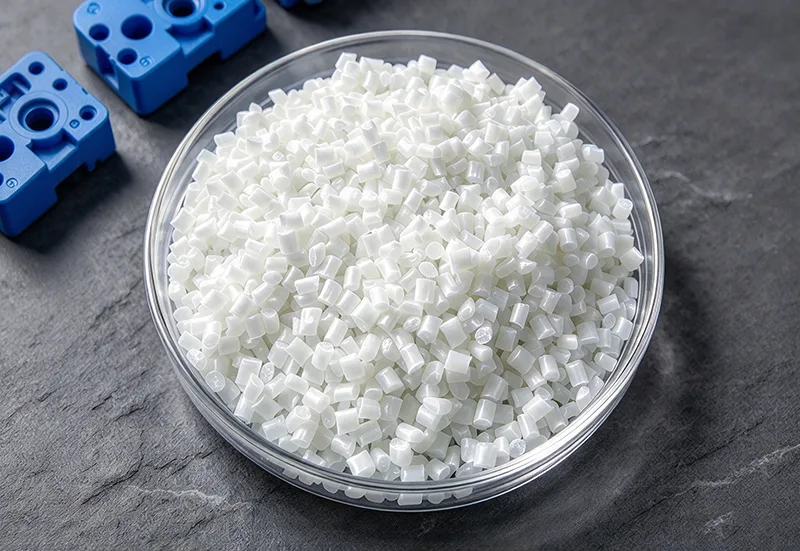
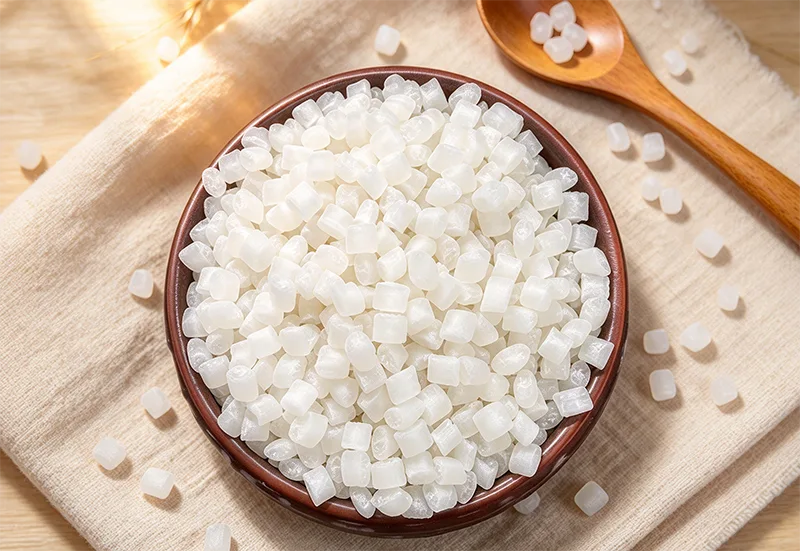
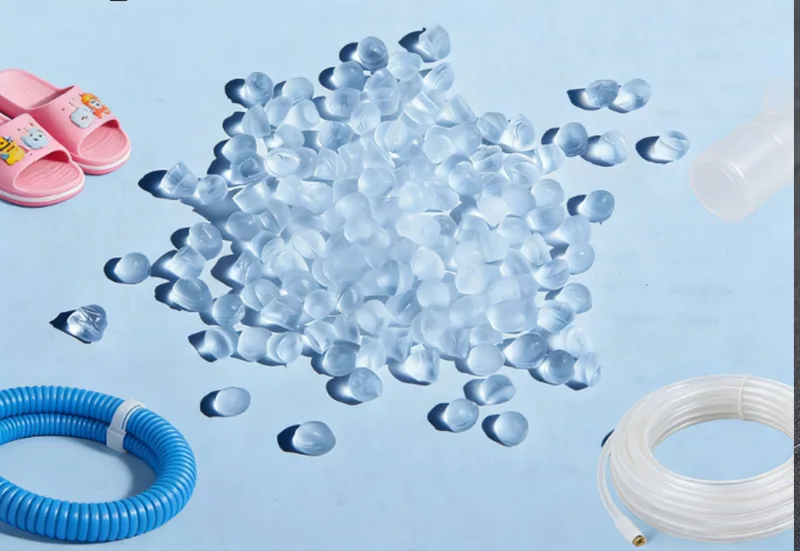
| Appearance | Translucent Milky-White Pellets |
| Processing Methods | Cast-Film Extrusion, Extrusion Coating, Hot-Melt Compounding, Flexible Compound Extrusion |
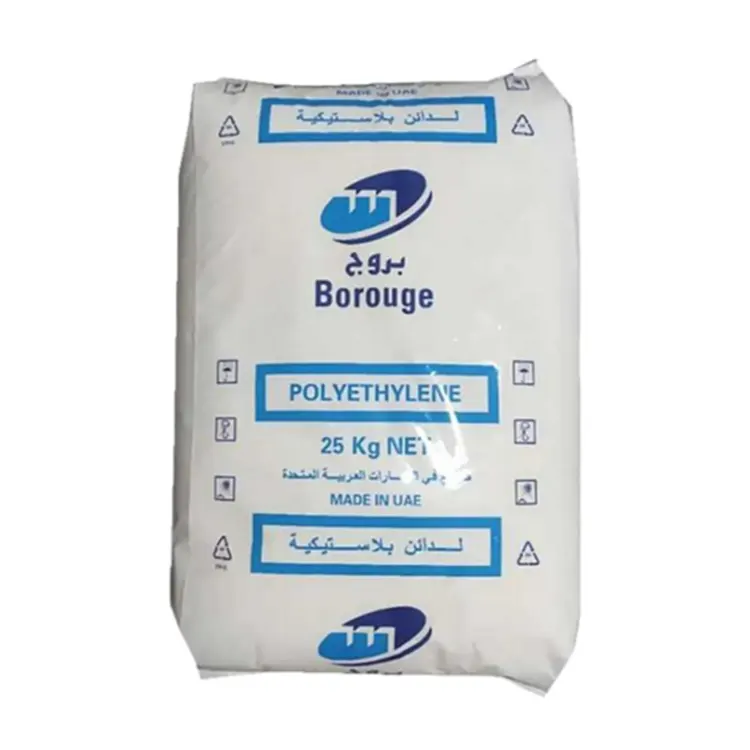
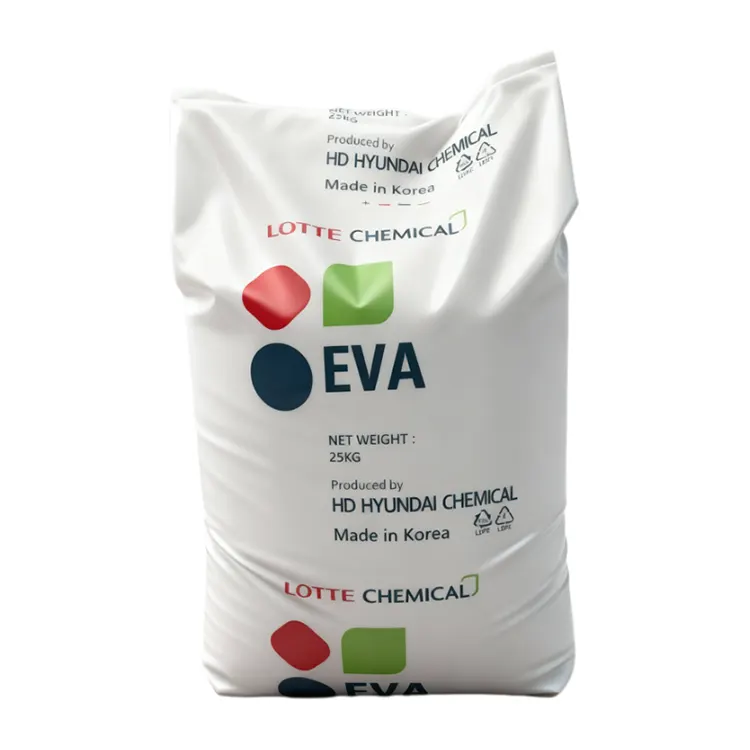
| Packaging | 25 kg Moisture-Protected Woven Bag |
| Technical Documents | TDS, COA, SDS and Applicable Physical Test Reports |
Solar module encapsulation is one of the technically demanding applications identified for selected high-VA resin grades.
The encapsulant film is positioned within the module structure, where its function includes maintaining contact between layers and supporting protection of the photovoltaic components.
The supplied reference identifies photovoltaic-oriented grades with VA content of approximately 32–42 wt% and MFR values of 2–30 g/10 min.
These materials can be used as a base for film formulations incorporating appropriate crosslinking agents, stabilizers, and other components.
Encapsulant film production requires uniform melt distribution and control over film thickness.
An unsuitable MFR can affect extrusion behavior and film consistency. Cooling conditions also influence handling, surface characteristics, and dimensional stability.
EVA encapsulant films commonly undergo crosslinking during solar-module lamination.
The crosslinked network helps limit material flow under elevated service temperatures. The effectiveness of the process depends on the complete formulation and lamination conditions.
Gel content, adhesion, optical characteristics, and aging performance should be evaluated against the specific module requirements.
A high-VA resin is not automatically UV-stable or qualified for long-term outdoor encapsulation.
UV stabilizers, antioxidants, crosslinking chemistry, lamination conditions, and module construction influence durability.
Material selection should be supported by relevant encapsulant and module-level testing.
Apart from film production, selected High-VA EVA grades are used as base polymers in industrial hot-melt adhesives.
The reference adhesive-grade category covers approximately 28–40 wt% VA with MFR values of 20–150 g/10 min.
These resins can be combined with compatible tackifiers, waxes, and stabilization additives to develop formulations for bookbinding, carton sealing, edge banding, labels, and selected assembly applications.
Polymer polarity may contribute to compatibility with certain adhesive ingredients, but bonding performance depends on the complete formulation and actual substrates.
Hot-melt manufacturers should evaluate viscosity, open time, setting behavior, peel strength, cohesive strength, and service-temperature performance before production approval.
Other grade categories include flexible cable compounds and extrusion-coating formulations.
The original material reference identifies VA content of approximately 28–38 wt% and MFR values of 5–80 g/10 min for this group.
These materials can be evaluated for flexible cable coverings, textile coating layers, soft compound development, and compatible polymer blends.
For cable applications, flexibility must be considered together with electrical properties, flame-retardant requirements, temperature conditions, and relevant product standards.
For extrusion coating, substrate wetting, coating uniformity, layer adhesion, and thermal processing stability are important evaluation criteria.
Excessive processing temperature or prolonged residence time may cause EVA degradation, resulting in discoloration, odor, or changes in material performance.
The supplied reference identifies approximately 120–180°C as a processing range and cautions against prolonged exposure above 190°C.
Actual settings should be adjusted according to the resin grade, equipment, additives, and processing time.
A relatively low-MFR film grade may not provide the viscosity required by a particular hot-melt adhesive process.
Conversely, a very high-MFR adhesive grade may not provide sufficient melt strength for stable film extrusion.
The selected MFR should be matched to the intended production route rather than chosen solely for ease of processing.
Films and compounds exposed to sunlight or elevated temperatures may require UV and thermal stabilization.
The additive system must be evaluated as part of the finished formulation. The base resin's VA content alone does not demonstrate weathering resistance.
Zhejiang Zhongwang International Trade Co., Ltd. is based in Yuyao China Plastics City and works with established petrochemical raw material sourcing channels.
Buyers requesting High-VA EVA should specify whether the resin will be used for photovoltaic film, hot-melt adhesive, flexible compounding, or extrusion coating.
The inquiry should include the required VA percentage, MFR, production method, performance requirements, and purchasing quantity.
For photovoltaic projects, buyers should additionally identify the encapsulant formulation and crosslinking requirements. Laboratory film preparation and relevant finished-product testing should be completed before bulk approval.
No. Photovoltaic encapsulation requires grades with suitable film-processing behavior and compatibility with the intended crosslinking and stabilization system. Encapsulant and module performance must be validated separately.
Crosslinking helps the encapsulant maintain dimensional stability at elevated temperatures. The appropriate crosslinking system and lamination conditions depend on the film formulation and module requirements.
They may differ in VA content, MFR, molecular characteristics, and formulation requirements. Adhesive grades are selected for mixing and bonding behavior, while film grades require suitable extrusion stability and film properties.
Higher VA content generally reduces crystallinity and increases softness, but final flexibility also depends on the specific grade, formulation, film thickness, and processing history.
Relevant factors include VA content, MFR, optical requirements, crosslinking compatibility, film-processing behavior, stabilizer system, and applicable encapsulant qualification tests.
Address
Building 1, China Plastics International Business Center, No. 285 Shunda West Road, Yuyao City, Ningbo City, Zhejiang Province, China
Tel
If you have any enquiry about quotation or cooperation, please feel free to email us or use the following inquiry form.Our sales representative will contact you within 24 hours. Thank you for your interest in our products.