Adhesive formulators purchasing Ultra-High-VA EVA through Zhongwang typically require a polymer with greater polarity and flexibility than conventional EVA grades used in films or foams.
Ethylene-vinyl acetate copolymers contain both ethylene and vinyl acetate segments. As the proportion of vinyl acetate increases, polyethylene crystallinity generally decreases, changing the polymer's flexibility, melting behavior, and interaction with other formulation ingredients.
At the exceptionally high vinyl acetate levels described in this product family, the material becomes substantially more elastomer-like. The increased concentration of polar acetate groups can be useful when formulating adhesives or blends involving suitable polar substrates.
The trade-off is reduced stiffness, lower softening temperature, and a narrower practical processing window for some grades. This makes the material more relevant as a formulation component than as a standalone load-bearing plastic.
High vinyl acetate content can increase compatibility with selected polar ingredients and substrates, but the copolymer alone does not determine the bonding strength of a commercial adhesive.
Adhesive performance also depends on tackifiers, waxes, stabilizers, fillers, application temperature, substrate preparation, and the cooling or setting process.
For a formulation intended to bond textiles, paper, metal, or polar plastics, the balance between adhesion and cohesive strength is particularly important.
A formulation may wet a substrate effectively but still fail if the adhesive layer lacks sufficient internal strength or softens excessively during service.
The supplied reference identifies hot-melt grades with approximately 43–60 wt% VA and MFR values of 80–800 g/10 min.
These grades are intended for formulation with compatible tackifier resins, waxes, and antioxidants.
Applications include specialized textile-laminating adhesives, selected automotive interior bonding systems, and high-adhesion packaging formulations.
Adhesive manufacturers should evaluate Ultra-High-VA EVA wetting, peel strength, cohesive behavior, open time, and performance at the actual operating temperature.
Coating-oriented grades are identified with approximately 43–52 wt% VA and MFR values of 30–200 g/10 min.
Their polarity and softness make them relevant to specialty fabric coatings, flexible bonding layers, and selected multilayer constructions.
Coating continuity, substrate adhesion, melt stability, and resistance to delamination should be assessed using the actual substrate and processing line.
Modifier grades have a reference VA content of 43–55 wt% and an MFR range of approximately 10–120 g/10 min.
These materials may be considered as soft-phase components or formulation modifiers in compatible polymer systems.
Their effect depends on the base polymer, mixing conditions, composition, and other compatibilizing ingredients.
Changes in toughness, flexibility, or filler dispersion should be established through comparative blending trials rather than inferred from VA content alone.
| Item | Reference Specification |
|---|---|
| Product Name | Ultra-High-VA EVA |
| Brand | Zhongwang |
| Polymer | Ethylene-Vinyl Acetate Copolymer |
| Vinyl Acetate Content | 43–60 wt%, grade-dependent |
| Melt Flow Rate | 10–800 g/10 min (190°C/2.16 kg) |
| Density | 0.960–0.985 g/cm³ |
| Melting Point | 45–65°C, reference range |
| Tensile Strength | 3–10 MPa, typical |
| Elongation at Break | 800–1400%, typical |
| Vicat Softening Temperature | 20–40°C, typical |
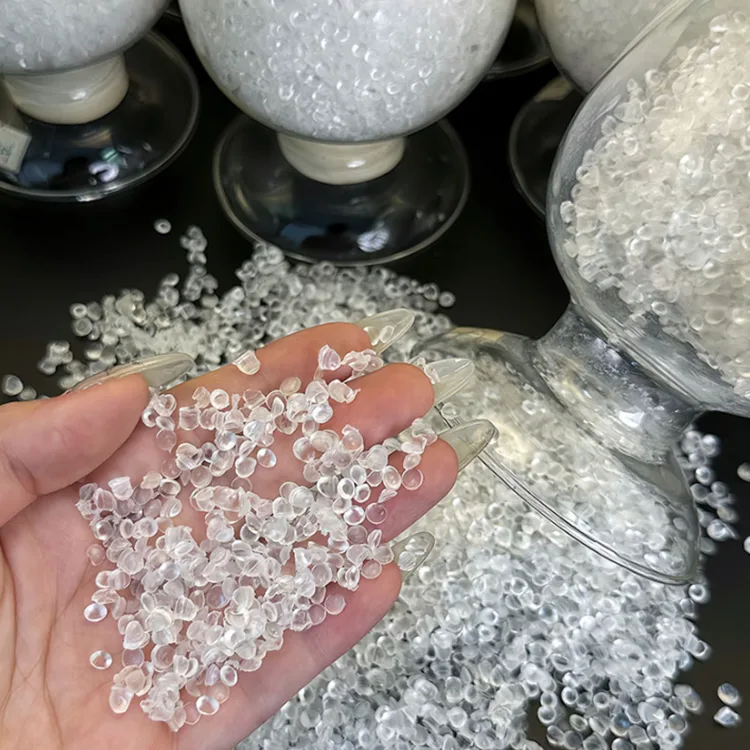
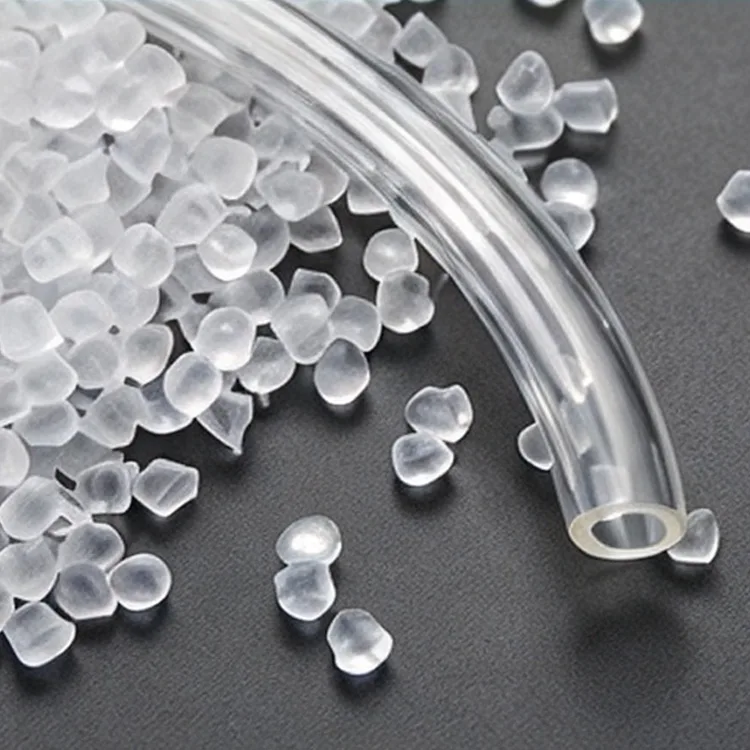
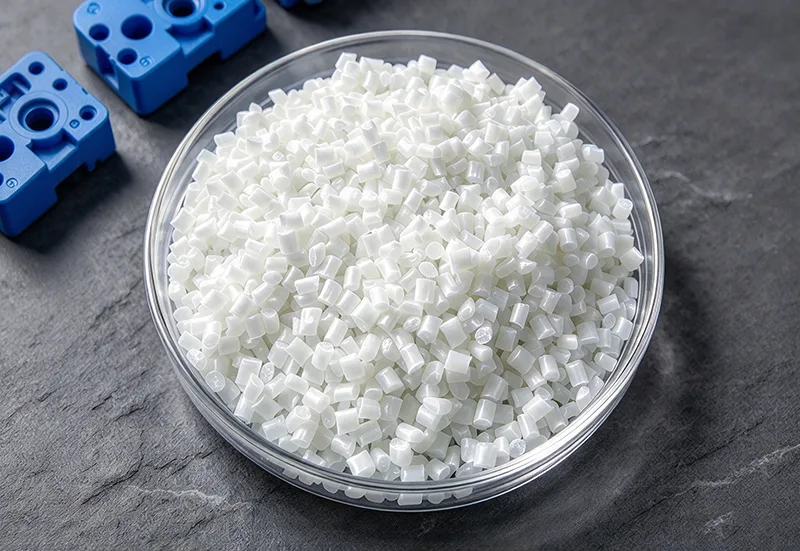
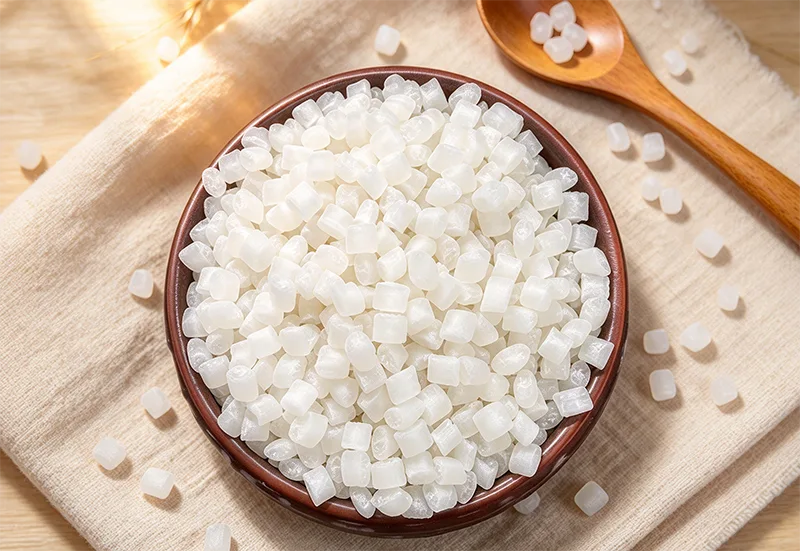
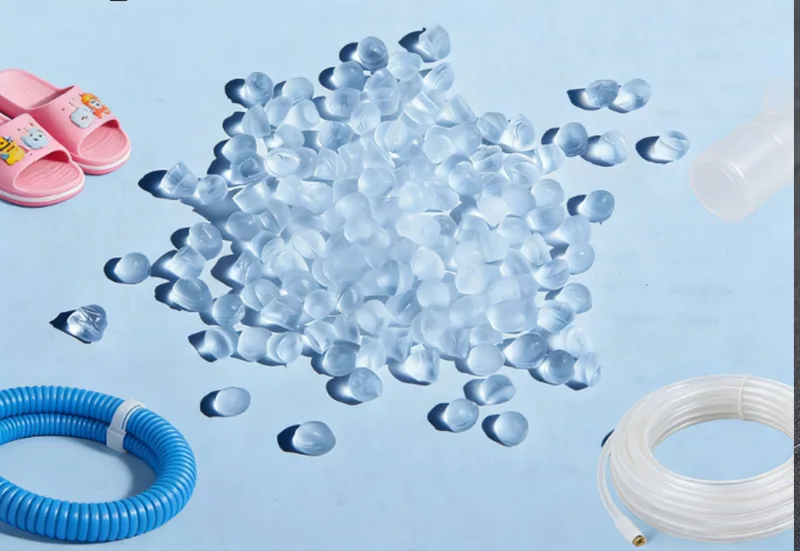
| Appearance | Translucent Milky-White Soft Pellets |
| Processing Methods | Hot-Melt Compounding, Extrusion Coating, Polymer Blending |
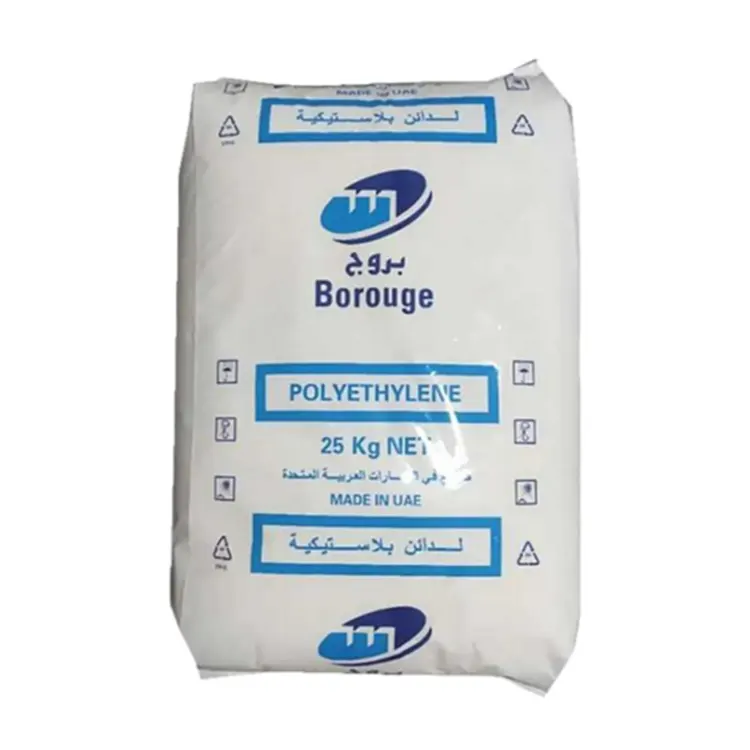
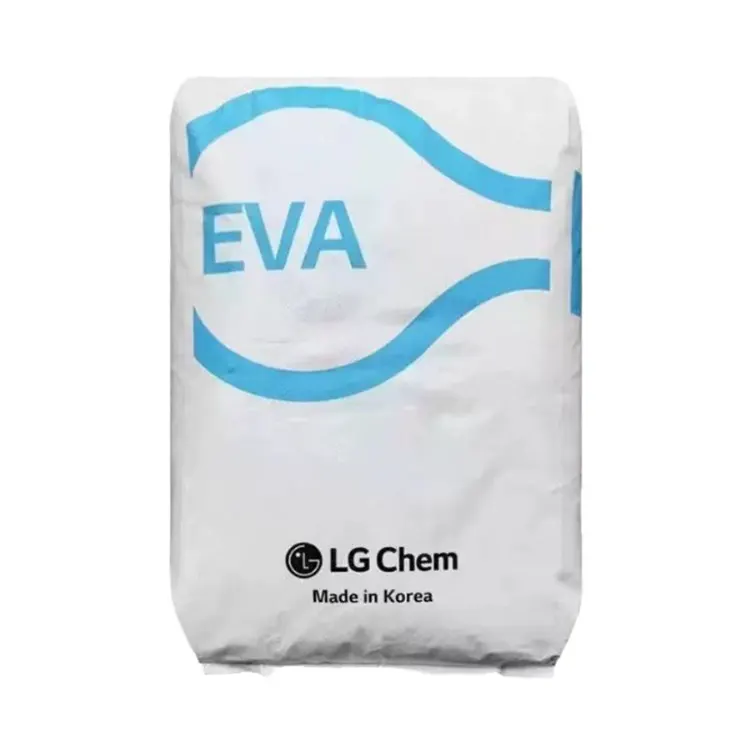
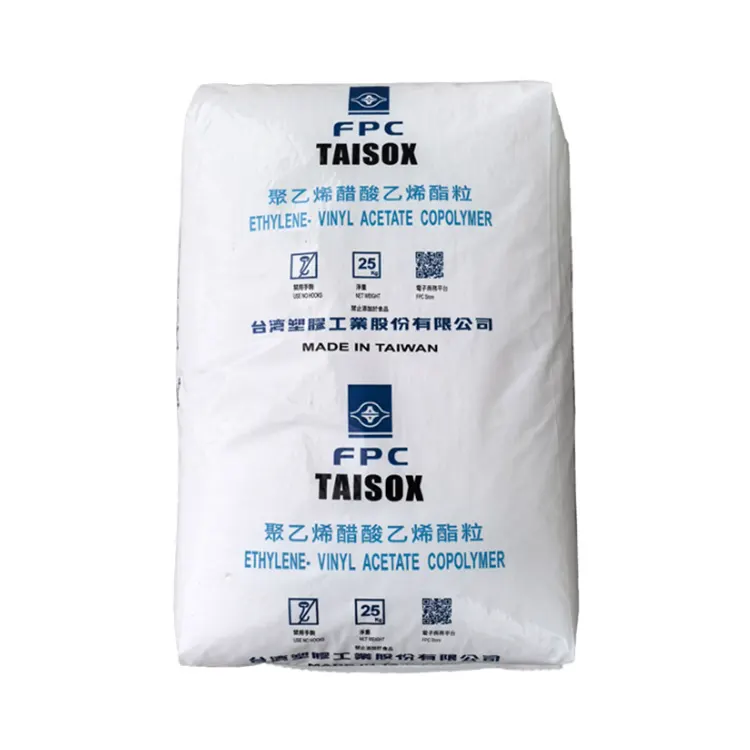
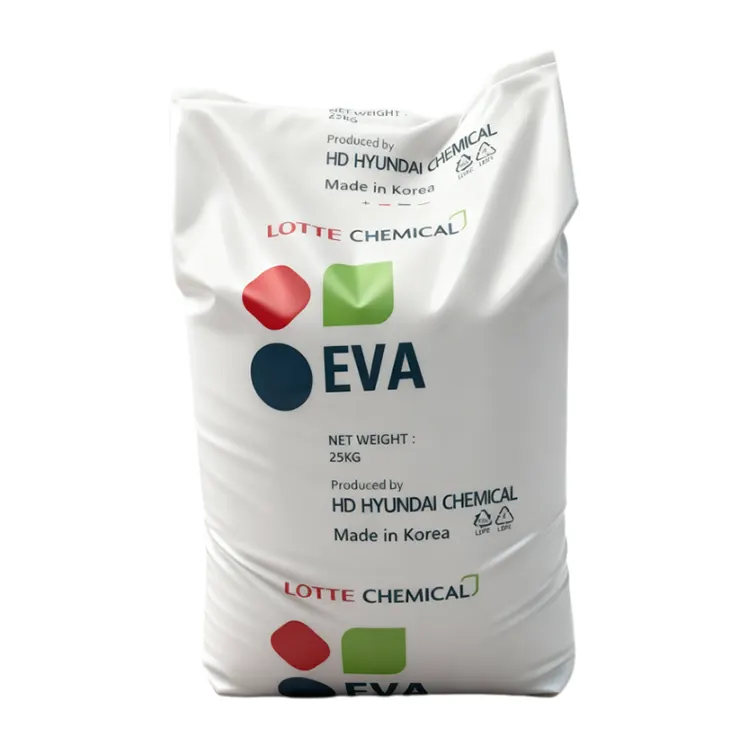
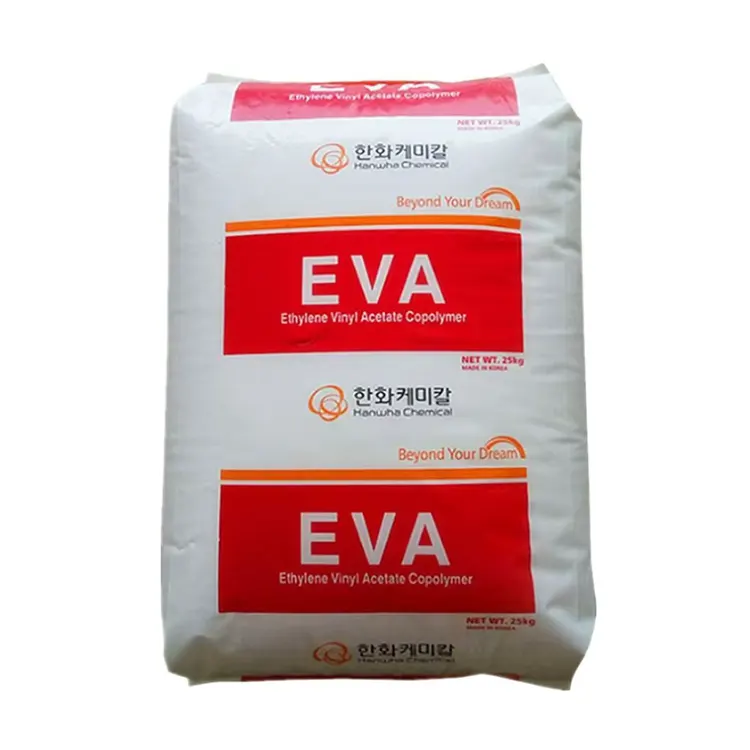
| Packaging | 25 kg Moisture-Protected Woven Bag |
| Technical Documents | TDS, COA, SDS and Applicable Physical Test Reports |
Higher-VA EVA grades may undergo changes in color, odor, and performance when exposed to excessive processing temperature or prolonged thermal residence.
The source reference recommends approximately 110–170°C for processing and cautions against prolonged exposure near or above 180°C.
Actual temperatures depend on the resin grade, formulation, equipment, and residence time.
A high-MFR material may flow more readily during adhesive compounding but may not provide the cohesive properties required for every formulation.
Conversely, a lower-MFR grade may require different processing conditions to achieve suitable mixing and wetting.
Formulators should evaluate MFR together with viscosity, substrate wetting, adhesive strength, and the intended application temperature.
Antioxidants and other formulation ingredients may be required to control thermal degradation during processing and end use.
The stabilization system should be selected according to the complete formulation and validated through thermal-aging or production testing.
The high vinyl acetate level reduces crystallinity and softening temperature, which is beneficial for selected adhesive and flexible applications but less suitable for load-bearing plastic parts.
Finished components requiring stiffness, elevated-temperature dimensional stability, or sustained mechanical strength should be evaluated using an alternative resin or an appropriately engineered blend.
The material's performance should be understood in the context of its role as an adhesive base or modification ingredient.
Zhongwang coordinates industrial polymer sourcing through its operations in Yuyao China Plastics City and established petrochemical supply channels.
For Ultra-High-VA EVA procurement, buyers should specify the target VA percentage, MFR, intended formulation, processing temperature, substrate materials, and required bonding or modification performance.
Laboratory comparisons should measure the properties relevant to the application, including peel strength, cohesive behavior, coating adhesion, or blend compatibility.
Sample arrangements and grade-specific TDS and COA documentation can be discussed before commercial purchasing.
Increasing VA content generally reduces crystallinity and increases softness and polarity. This may improve compatibility with selected polar substrates and formulation ingredients, while reducing stiffness and softening temperature.
No. Bond strength depends on substrate wetting, adhesive cohesion, the overall formulation, surface preparation, and testing conditions. Higher VA content is one formulation variable rather than a guarantee of stronger adhesion.
It is generally not the preferred choice for standalone load-bearing components because of its softness and relatively low softening temperature. It is primarily relevant to adhesives, coatings, and modification systems.
Excessive temperature or residence time can cause thermal degradation. The formulation, processing equipment, and stabilization system should be reviewed if odor or discoloration develops.
Useful information includes target VA content, MFR, tackifier and wax system, processing temperature, substrate combination, application method, and required adhesion performance.
Address
Building 1, China Plastics International Business Center, No. 285 Shunda West Road, Yuyao City, Ningbo City, Zhejiang Province, China
Tel
If you have any enquiry about quotation or cooperation, please feel free to email us or use the following inquiry form.Our sales representative will contact you within 24 hours. Thank you for your interest in our products.