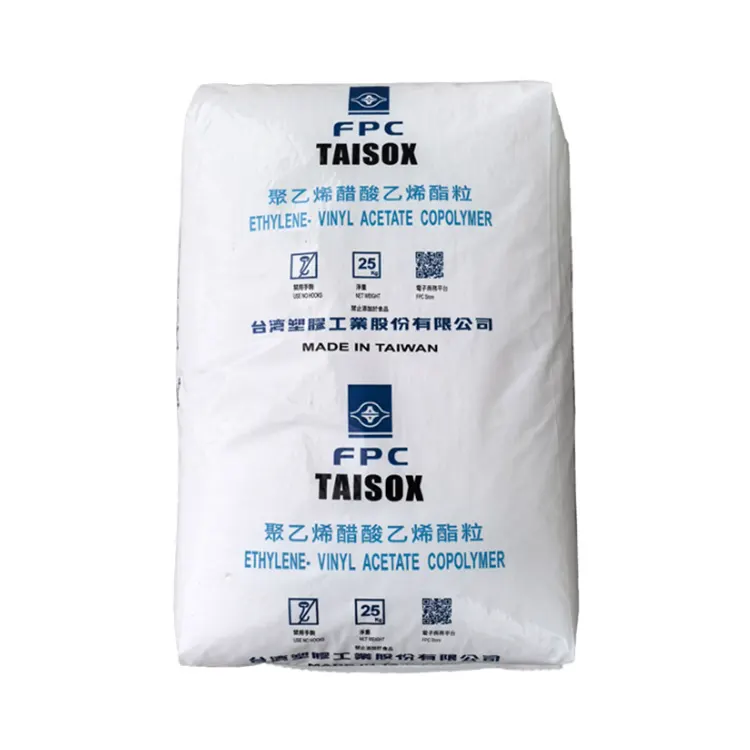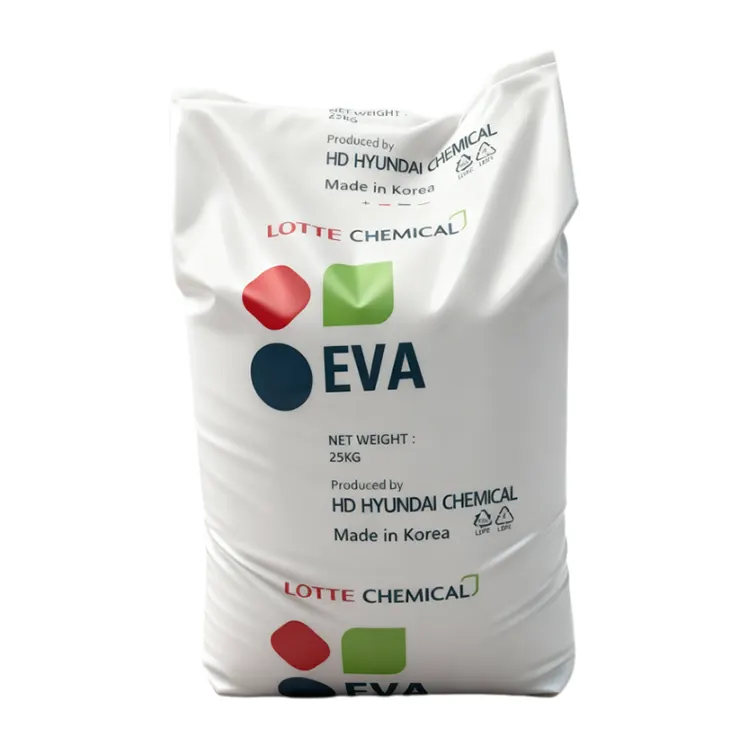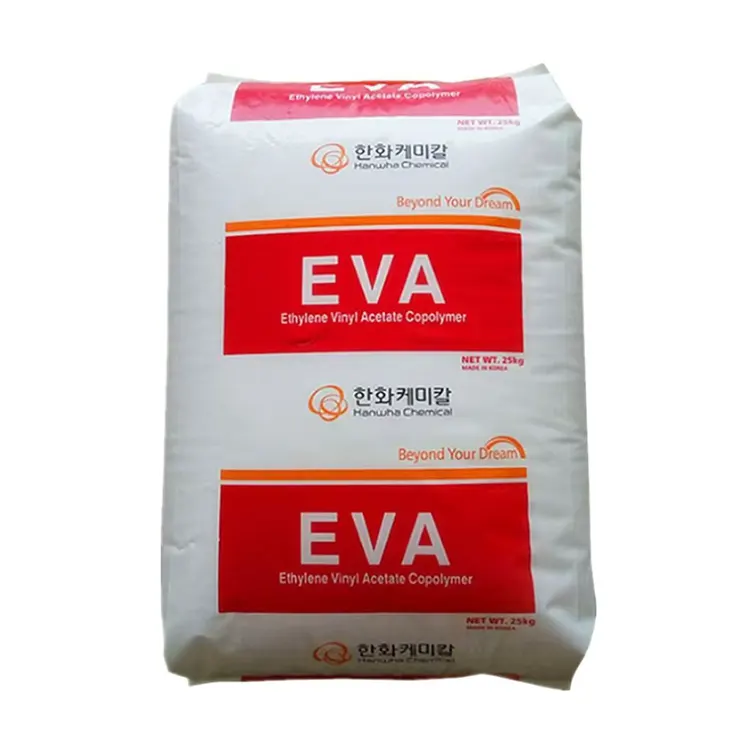
Zhongwang's material sourcing support for Low-VA EVA focuses on a practical question for film and extrusion buyers: how much flexibility is needed before the formulation loses the stiffness or processing behavior required by the finished product?
Ethylene-vinyl acetate is a copolymer whose properties depend partly on the proportion of vinyl acetate incorporated into the polymer chain. Lower-acetate grades retain a greater degree of polyethylene-like crystallinity than higher-acetate materials.
As a result, these grades are generally evaluated where the application needs a balance between mechanical support, flexibility, melt processing, and selected heat-sealing characteristics.
Increasing vinyl acetate content within an EVA family normally reduces crystallinity and changes flexibility and thermal behavior. However, VA content alone does not establish whether a resin will run successfully on a film line or produce a suitable heat seal.
Melt flow rate, molecular structure, processing equipment, additives, and final film construction must also be considered.
Packaging performance is determined by the complete film rather than the raw polymer in isolation.
A film producer may need a material that bends without cracking, seals within the available temperature range, and maintains adequate mechanical strength during winding, packing, and transport.
These requirements can compete with one another. Increasing softness may improve flexibility but change stiffness, blocking behavior, or dimensional response.
A lower-VA formulation may be appropriate when the finished layer must retain more rigidity than an EVA material designed primarily for high softness or adhesion.
Selected EVA grades are used in film structures where heat-sealing behavior is important.
Seal quality depends on the material's thermal characteristics, film thickness, dwell time, sealing pressure, and the layers being joined.
For commercial packaging, buyers should evaluate seal initiation temperature, seal strength, hot-tack behavior where relevant, and performance after cooling.
A successful heat seal cannot be predicted from VA percentage alone.
Applicable grades can be used for blown-film or cast-film production where controlled flexibility and continuous processing are required.
The resin's flow behavior should be matched to the extrusion line, die configuration, cooling conditions, and intended film thickness.
Unstable melt output or unsuitable cooling may cause thickness variation, surface defects, or inconsistent winding performance.
| Selection Factor | Lower VA Content | Higher VA Content |
|---|---|---|
| Polymer Crystallinity | Generally higher | Generally lower |
| Rigidity | More polyethylene-like | Generally softer |
| Flexibility | More moderate | Generally greater |
| Thermal Behavior | Higher crystallinity-related transition temperatures in comparable systems | Often lower melting and softening behavior |
| Adhesion | Application-dependent | May improve with suitable polar substrates |
| Typical Selection Priority | Mechanical balance and processability | Softness, flexibility, and formulation compatibility |
| Item | Reference Information |
|---|---|
| Product Name | Low-VA EVA |
| Brand | Zhongwang |
| Polymer | Ethylene-Vinyl Acetate Copolymer |
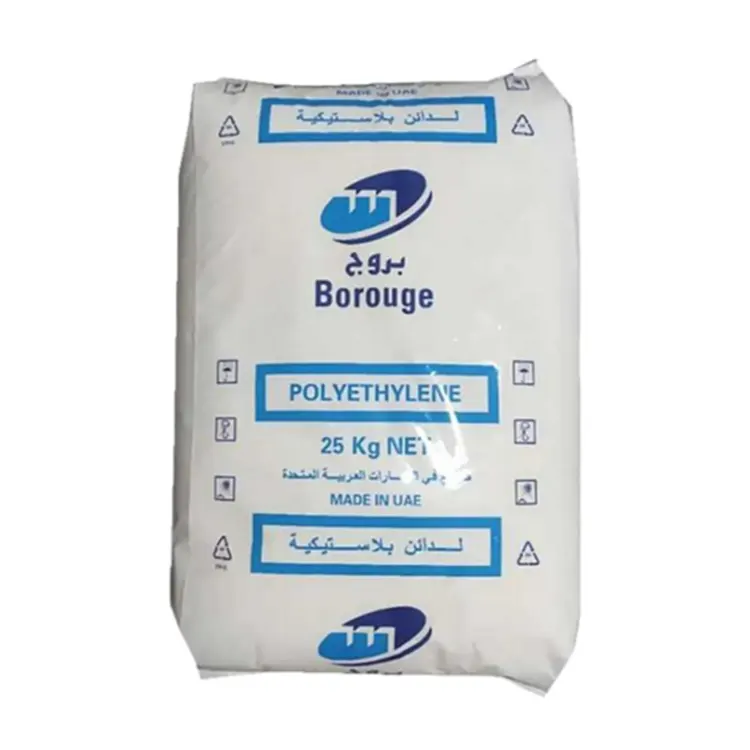
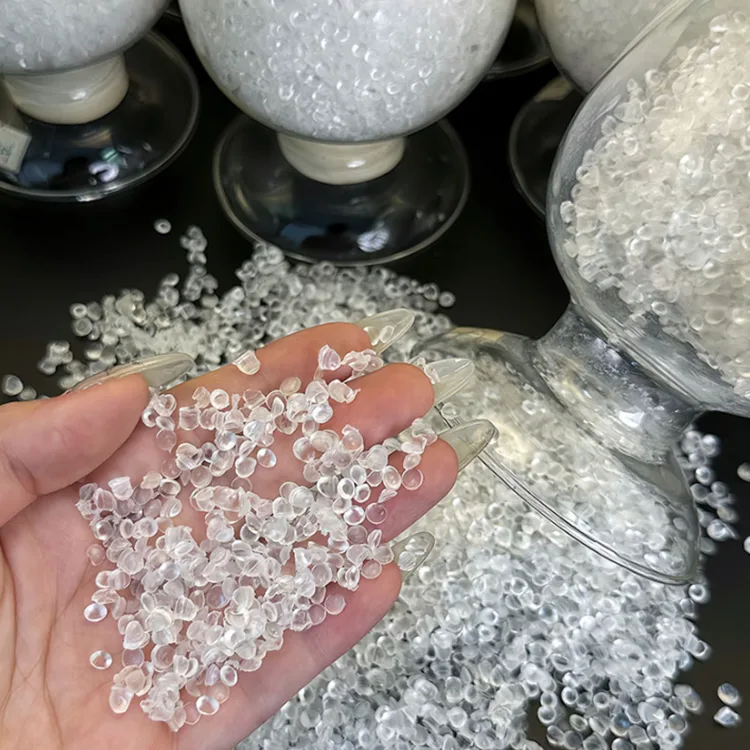
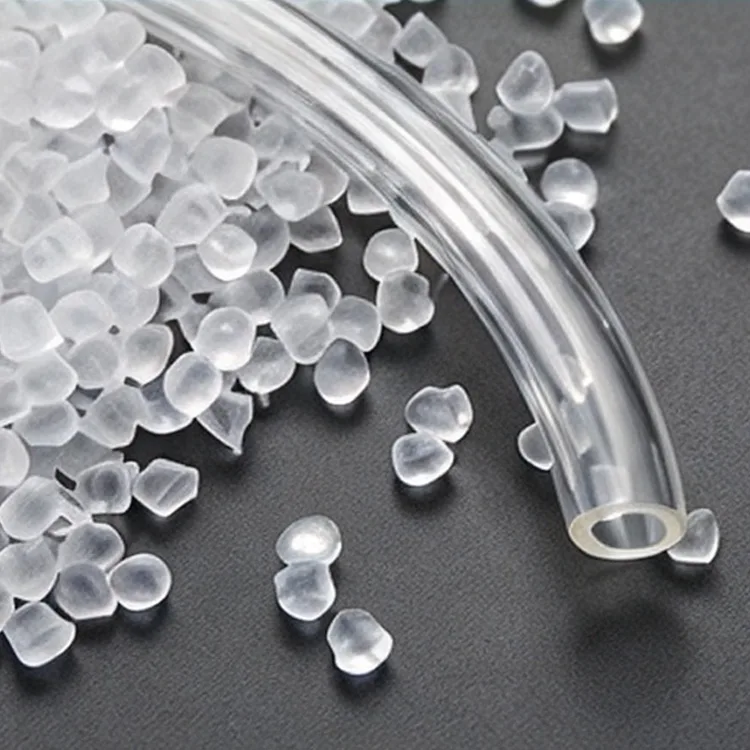
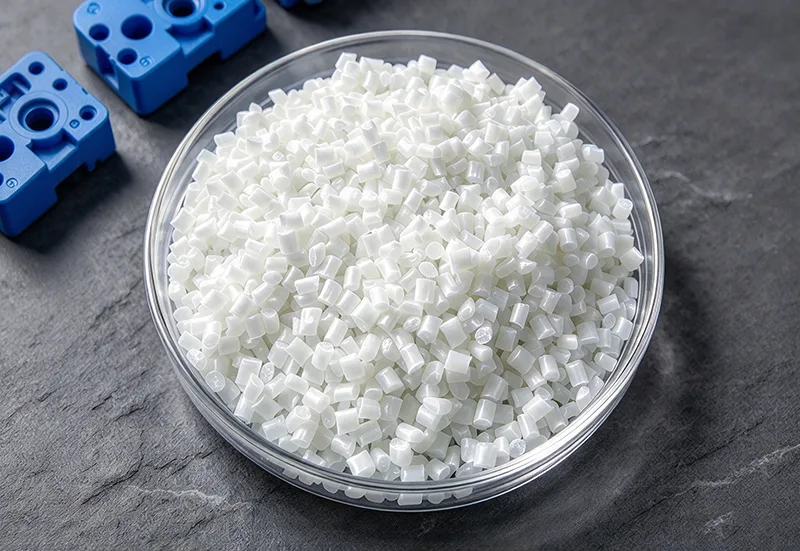
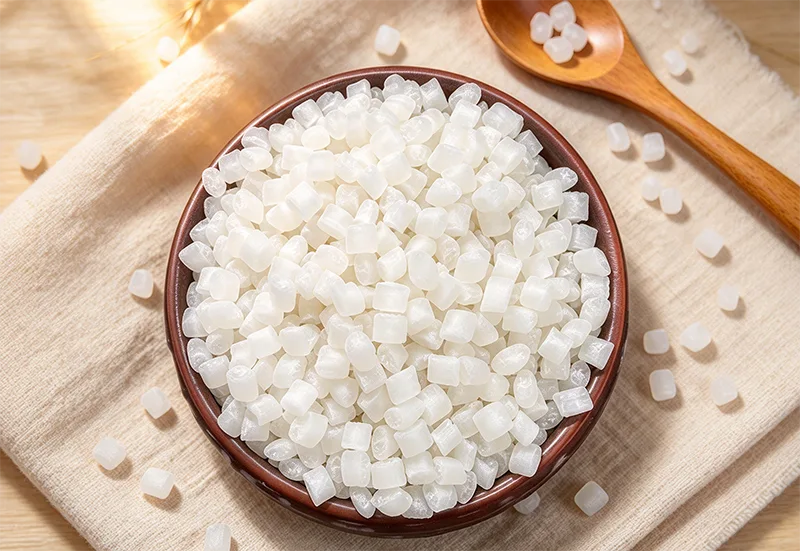
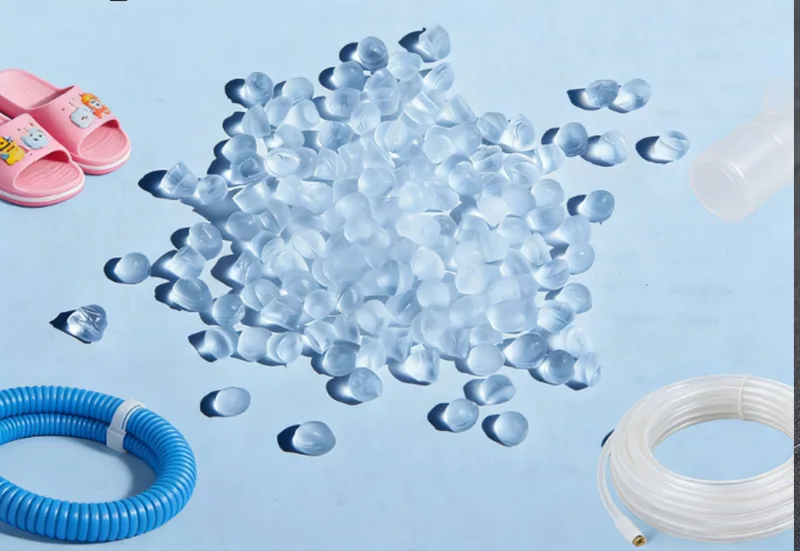
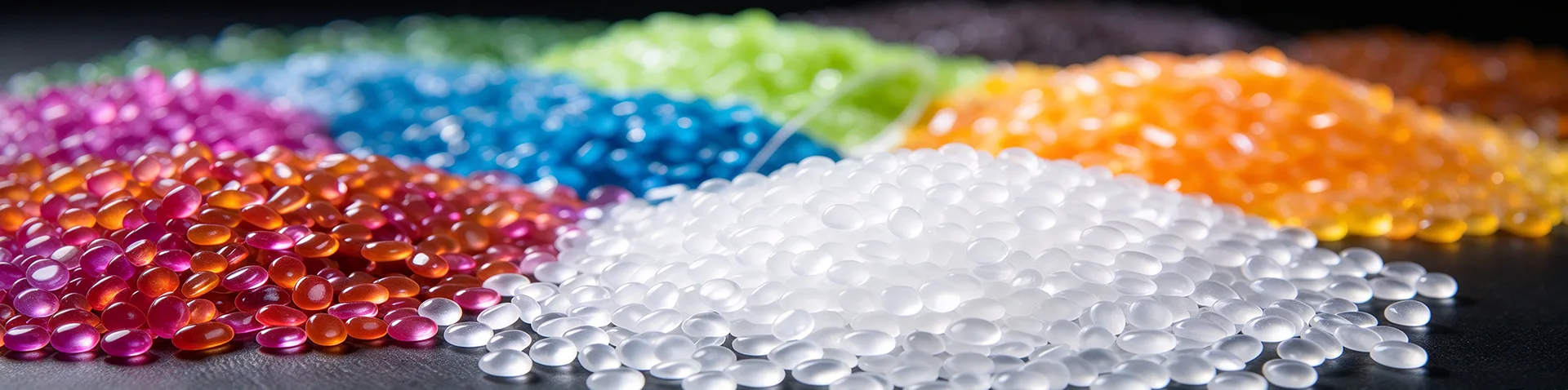
| Material Form | Pellets |
| Vinyl Acetate Content | Grade-dependent |
| Melt Flow Rate | Grade-dependent |
| Density | Grade-dependent |
| Tensile Strength | Grade-dependent |
| Elongation at Break | Grade-dependent |
| Flexibility | Grade-dependent |
| Transparency | Grade- and processing-dependent |
| Heat-Sealing Behavior | Grade- and film-construction-dependent |
| Processing Methods | Film Extrusion, General Extrusion, Applicable Molding Processes |
| Appearance | Natural Pellets; grade-dependent |
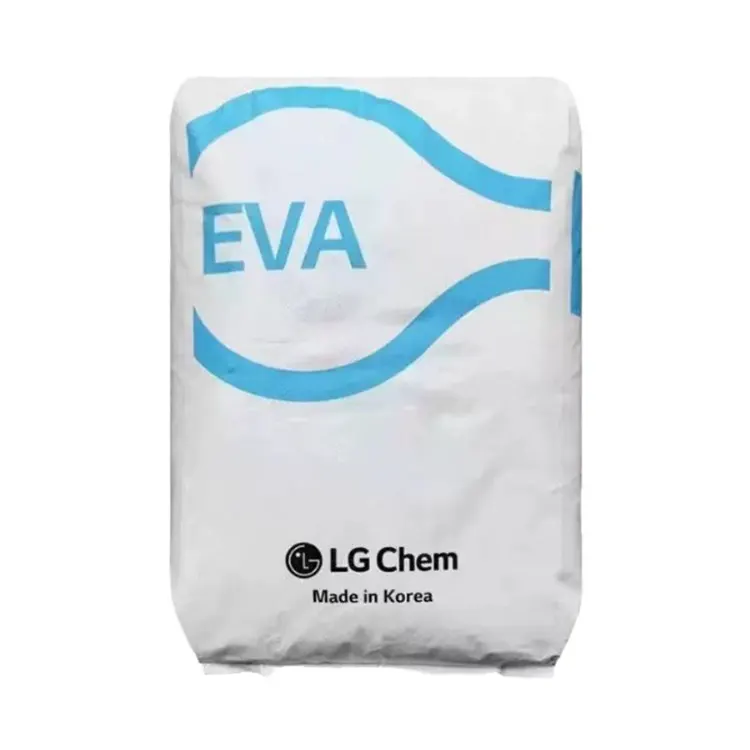
| Packaging | Standard Resin Packaging |
| Available Documentation | TDS, COA and Applicable Product Information |
Exact VA content, melt flow, and mechanical values must be taken from the technical data of the selected grade. No single set of numerical properties applies to every lower-VA resin.
Thickness variation can result from unstable feeding, melt-temperature fluctuations, die conditions, or cooling inconsistencies.
The resin should be assessed with the production line's screw configuration, target output, and die arrangement rather than evaluated solely through a laboratory melt-flow measurement.
Poor sealing may involve insufficient temperature, inadequate dwell time, incompatible film surfaces, or unsuitable resin characteristics.
Compare candidate grades using identical film thicknesses and sealing conditions to establish whether the material change improves performance.
A higher-acetate resin may be unnecessarily soft for some packaging or profile applications.
Where structural support or stiffness is required, a suitable lower-VA grade or compatible blend should be evaluated against the finished product's mechanical specifications.
Optical performance is affected by crystallinity, film thickness, cooling rate, surface quality, and additives.
Buyers should specify the required haze or transparency measurement where appearance is a critical purchasing criterion.
Outside packaging films, lower-VA ethylene-vinyl acetate can be evaluated for selected extruded sheets, flexible profiles, footwear-related components, cable compounds, and compatible polymer blends.
The grade that performs acceptably in one process may not provide the necessary melt strength, flexibility, or surface characteristics in another.
Each intended application should therefore be matched with an appropriate processing-grade specification.
Zhejiang Zhongwang International Trade Co., Ltd. operates from Yuyao China Plastics City and coordinates polymer material sourcing through established supplier channels and logistics resources.
For Low-VA EVA procurement, buyers should identify the intended product, required VA content, melt flow range, extrusion or molding equipment, film thickness, sealing specifications, and purchasing quantity.
Existing material grades, trial results, and finished-product requirements can help narrow the available choices. The selected grade should be confirmed using its TDS and COA before commercial production.
Suitable grades can be used in heat-sealable film applications. Performance depends on the VA content, melt flow, film construction, sealing temperature, pressure, and dwell time.
Lower VA content generally allows greater polyethylene-like crystallinity, which can increase rigidity relative to comparable higher-VA grades. Actual stiffness depends on the specific resin and formulation.
Not automatically. Film extrusion and injection molding place different demands on melt flow and processing characteristics. The intended processing method should be confirmed against the selected grade's technical data.
Possible causes include incompatible substrates, insufficient surface preparation, unsuitable processing temperatures, or an inappropriate formulation. Actual laminate adhesion should be evaluated through testing.
Useful details include target VA content, MFR, film structure, thickness, sealing requirements, transparency requirements, processing method, and expected purchasing volume.
Address
Building 1, China Plastics International Business Center, No. 285 Shunda West Road, Yuyao City, Ningbo City, Zhejiang Province, China
Tel
If you have any enquiry about quotation or cooperation, please feel free to email us or use the following inquiry form.Our sales representative will contact you within 24 hours. Thank you for your interest in our products.