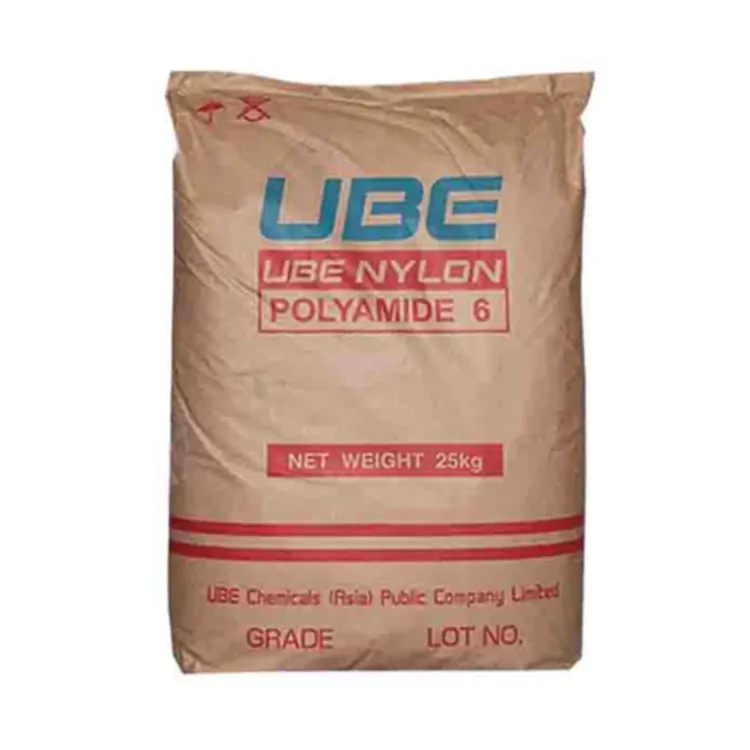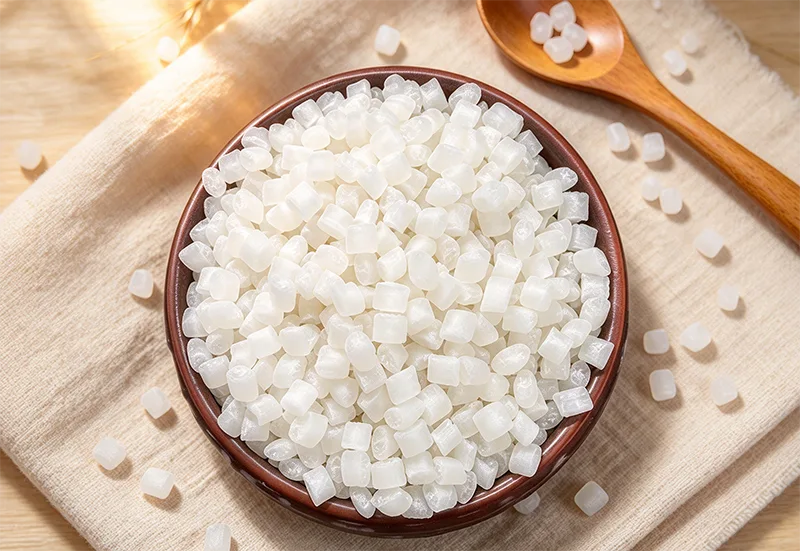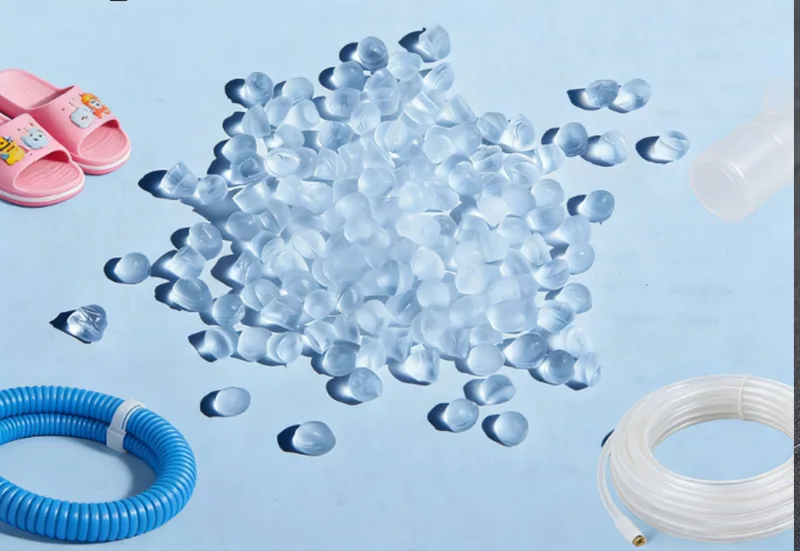
Before specifying PA6 Nylon Resin for production procurement, engineers can work with Zhongwang to compare dry-molded properties with the dimensions and mechanical performance expected after environmental exposure. Polyamide 6 is a semi-crystalline engineering thermoplastic produced from caprolactam and commonly used for molded and extruded components.
The material contains polar amide groups that contribute to its mechanical and chemical characteristics but also make it hygroscopic. Absorbed moisture can increase flexibility and impact toughness while reducing stiffness and causing dimensional swelling. These changes matter particularly for cable ties, gear housings, snap-fit components and close-fitting assemblies.
Its relatively useful toughness and melt-processing characteristics allow different grades to be selected for injection molding, extrusion and modified engineering applications. However, a high-flow injection grade and a high-viscosity extrusion grade are not direct substitutes.
One of the most important design considerations with PA6 Nylon Resin is the difference between dry-as-molded and moisture-conditioned material. The supplied reference identifies equilibrium moisture content around 2–3% at 50% relative humidity, with actual absorption depending on grade and environmental conditions.
When a precision component absorbs moisture, dimensional changes may affect clearances, fastening force or assembly fit. Dry-state tensile and flexural properties should not automatically be used to predict performance after conditioning.
A snap-fit feature must bend during installation without unacceptable fracture, then retain sufficient holding force. Moisture conditioning can change both stiffness and ductility, so testing should reflect the product's expected storage and service environment.
Small gears and moving components require suitable wear performance and consistent clearances. Consider humidity, operating temperature, mating surfaces and lubrication together with the selected resin's mechanical properties.
Where screw holes, mounting slots or connector openings have close tolerances, measure representative molded parts both after production and after the specified environmental conditioning period.
Reference MFR: 12–24 g/10 min at 235°C/2.16 kg. This category combines processing flow and mechanical properties for cable ties, fasteners, small gears, appliance components and general molded parts.
Reference MFR: 4–9 g/10 min under the same conditions. Higher molecular weight and melt strength make these grades relevant to films, monofilaments, tubing and selected blow-molded articles.
Elastomer-modified formulations are used where impact performance, particularly at low temperature, is a more important requirement than standard stiffness. Applications include automotive protective components and shock-exposed hardware.
Selected formulations may carry UL94 V-2 or V-0 classifications under specified test conditions. Electrical enclosures and terminal components must be matched to the required wall thickness and documented flame rating.
| Parameter | Reference Data |
|---|---|
| Product Name | PA6 Nylon Resin |
| Brand | Zhongwang |
| Material | Polyamide 6 / Nylon 6 |
| Available Grades | General Injection / High-Viscosity Extrusion / Super-Toughened / Flame-Retardant |
| Density | 1.12–1.15 g/cm³, unfilled grades |
| Melting Point | 215–225°C |
| MFR | 4–24 g/10 min (235°C/2.16 kg), grade-dependent |
| Tensile Strength | 70–85 MPa, typical dry-molded reference |
| Flexural Modulus | 2,600–3,200 MPa, typical dry-molded reference |
| Notched Izod Impact at 23°C | 5–8 kJ/m², typical dry reference |
| Heat Deflection Temperature at 1.82 MPa | 55–70°C, typical reference |
| Mold Shrinkage | 1.0–1.8%, unfilled grades |
| Equilibrium Moisture at 50% RH | 2–3%, reference |
| UL94 Flammability | HB / V-2 / V-0, grade- and thickness-dependent |
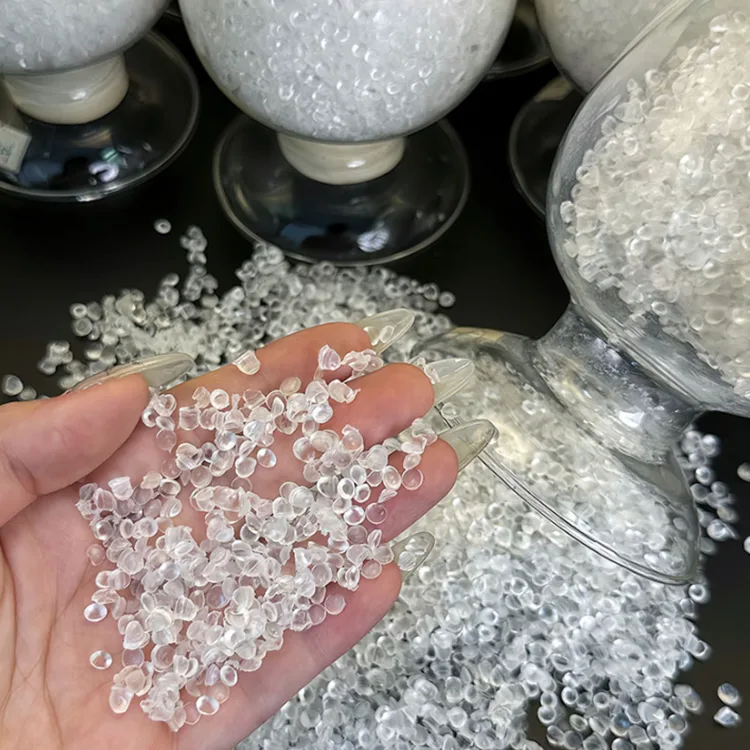
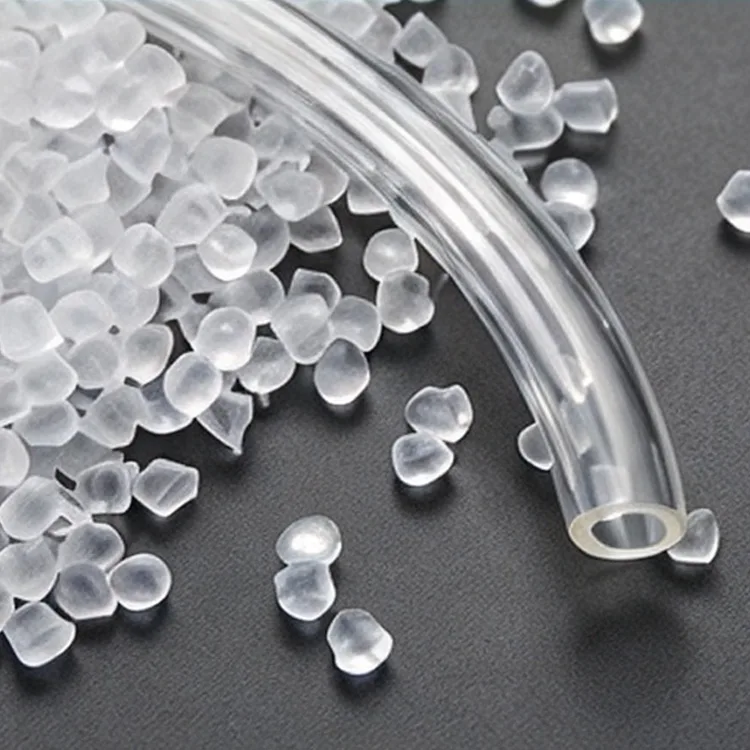
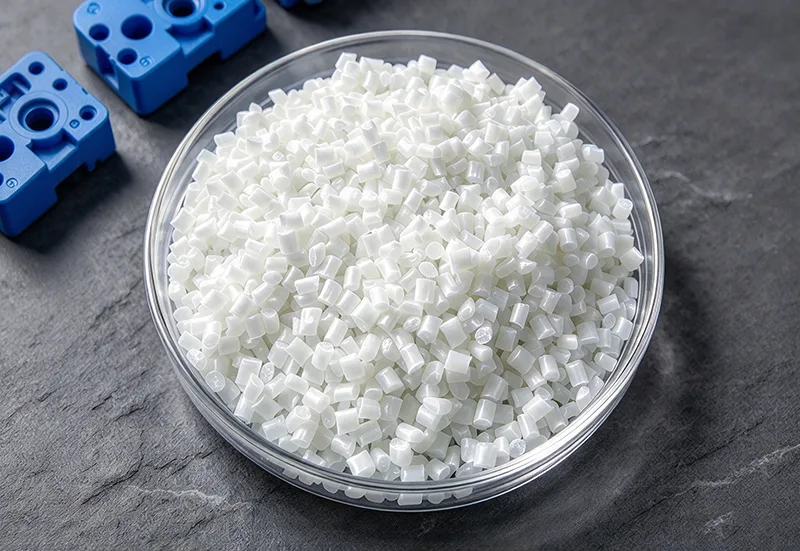
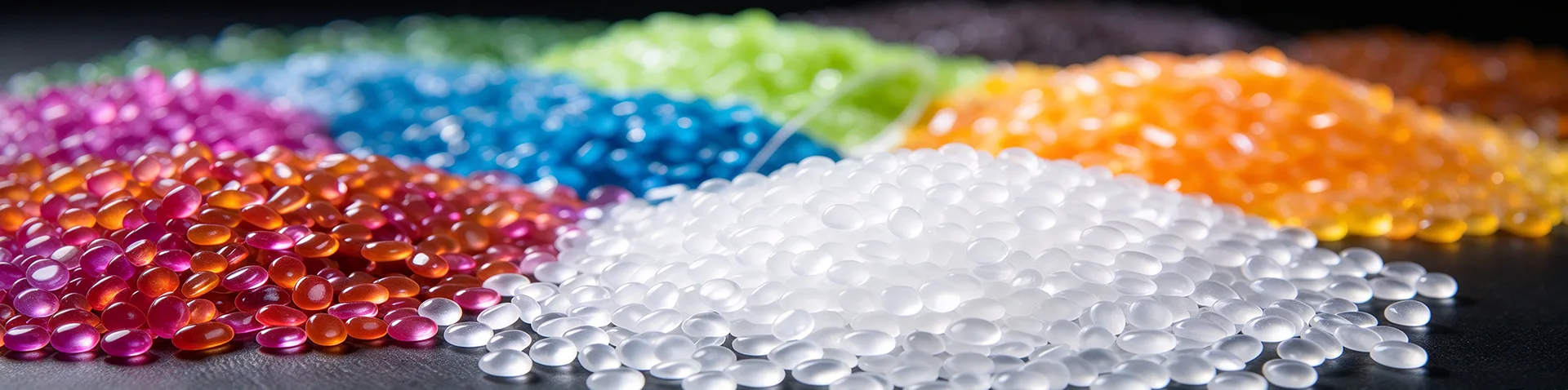
| Appearance | Natural White or Black Pellets |
| Processing | Injection Molding / Extrusion / Applicable Blow Molding |
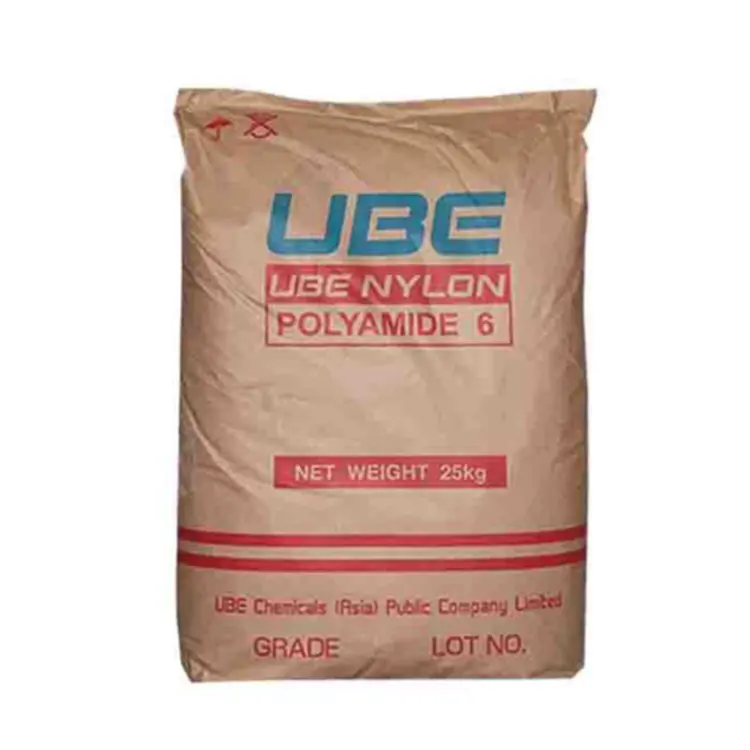
| Packaging | 25 kg Moisture-Protected Woven Bag |
| Documentation | TDS, COA, SDS and Applicable Mechanical or Flame-Test Reports |
The reference drying recommendation is 80–85°C for 4–6 hours using a desiccant dryer, targeting moisture at or below 0.2%. A separate vacuum-drying reference of 105°C for 8–12 hours is given for material exposed to air for extended periods. The actual schedule should follow grade-specific instructions and moisture measurement.
Typical unfilled-material barrel temperatures are referenced at 230–260°C. Excessive heat, long residence time or insufficient drying may produce splay, silver streaks, bubbles or loss of mechanical properties.
Mold temperature also influences crystallization and dimensions. Trial settings should consider part thickness and required stiffness rather than adopting one temperature for all applications.
Located in Yuyao China Plastics City, Zhongwang coordinates nylon sourcing for buyers using injection molding and extrusion. When requesting PA6 Nylon Resin, specify the process, target MFR, mechanical or impact requirements, humidity conditions, critical dimensions and annual quantity.
For precision assemblies, the recommended qualification sequence is to mold trial components, measure dry dimensions, condition samples to the intended environment and reassess fit and function. Grade-specific COA and TDS documents should support the purchasing specification.
Polyamide absorbs atmospheric moisture. Water acts as a plasticizer in the polymer, which can reduce stiffness while increasing certain measures of toughness and flexibility.
Not without evaluation. The two polymers differ in melting behavior, thermal properties, moisture response and shrinkage. Tooling and component requirements must be checked before substitution.
Excessive pellet moisture is one possible cause. Processing temperature, contamination and other molding conditions should also be reviewed.
It should not be treated as a direct replacement. Its lower melt flow and higher melt strength are selected for extrusion-oriented applications, and injection suitability requires separate trials.
Suitable grades can be considered when their documented flame classification, wall thickness, electrical properties and mechanical performance match the application.
Address
Building 1, China Plastics International Business Center, No. 285 Shunda West Road, Yuyao City, Ningbo City, Zhejiang Province, China
Tel
If you have any enquiry about quotation or cooperation, please feel free to email us or use the following inquiry form.Our sales representative will contact you within 24 hours. Thank you for your interest in our products.