Mechanical performance under actual service conditions determines whether PA66 Nylon Resin is appropriate for a new component, and Zhongwang helps industrial purchasers compare grades against those requirements.
Polyamide 66 is an engineering thermoplastic produced from hexamethylenediamine and adipic acid. Its molecular structure provides a combination of rigidity, strength, thermal performance and resistance to certain chemicals.
Unlike a material selected primarily for appearance or low cost, PA66 is commonly considered for functional components exposed to mechanical forces, repeated movement or temperature changes.
Different resin grades may emphasize processing flow, impact behavior, mechanical performance or specialized modification.
Reinforced and unreinforced formulations should not be treated as interchangeable because adding fillers or modifying the polymer can significantly change the resulting properties.
Moisture absorption is also important. Polyamide can absorb water from the environment, influencing dimensions and mechanical behavior after molding.
PA66 is frequently considered for engineering parts where surfaces slide, rotate or repeatedly contact other components.
Its suitability depends on contact pressure, sliding speed, lubrication, operating temperature and the materials on the opposing surfaces.
A resin showing useful general wear resistance may still perform poorly if the loading or thermal conditions exceed the component's design requirements.
Plastic gears experience repeated tooth engagement, localized contact stress and cyclic loading.
Relevant material properties include strength, stiffness, fatigue behavior, dimensional stability and wear resistance.
Gear geometry, lubrication, rotational speed and the material of the mating gear can significantly influence performance.
Bushings and guides may be selected to reduce friction or support controlled mechanical movement.
The material should be evaluated for wear, dimensional changes, contact pressure and frictional heating.
For continuous movement, the combined effect of pressure and sliding velocity must be considered.
Fasteners, clips and support components may require sufficient stiffness and toughness to withstand assembly forces.
Local stress concentrations, repeated loading and operating temperature should be taken into account.
Polyamide contains chemical groups that interact with water. As moisture is absorbed, the mechanical and dimensional characteristics of a finished part can change.
The effect depends on the resin grade, humidity, temperature, thickness and exposure duration.
This matters for gears, bearings and precision assemblies where small dimensional changes can influence clearances or mechanical contact.
| Item | Reference Specification |
|---|---|
| Product Name | PA66 Nylon Resin |
| Brand | Zhongwang |
| Polymer Type | Polyamide 66 (Nylon 66) |
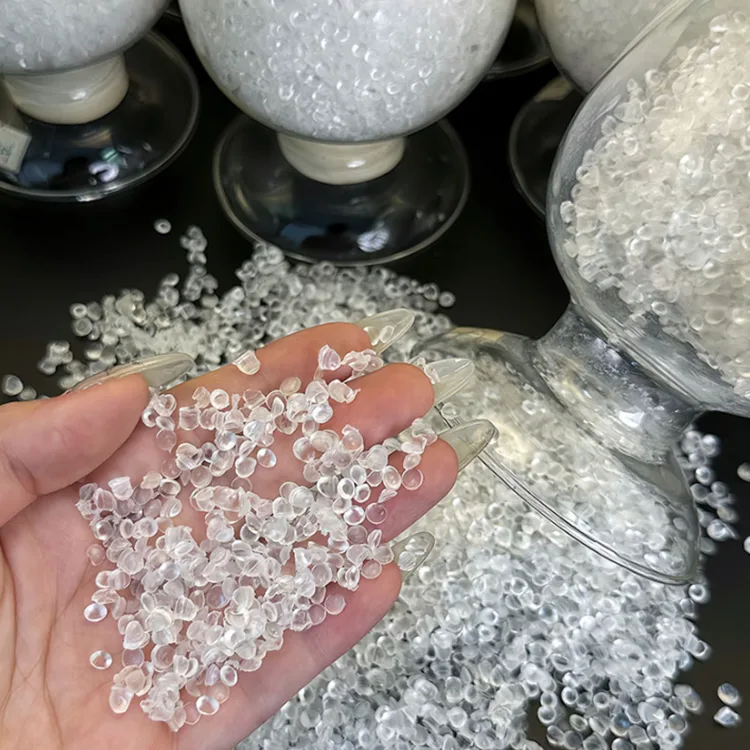
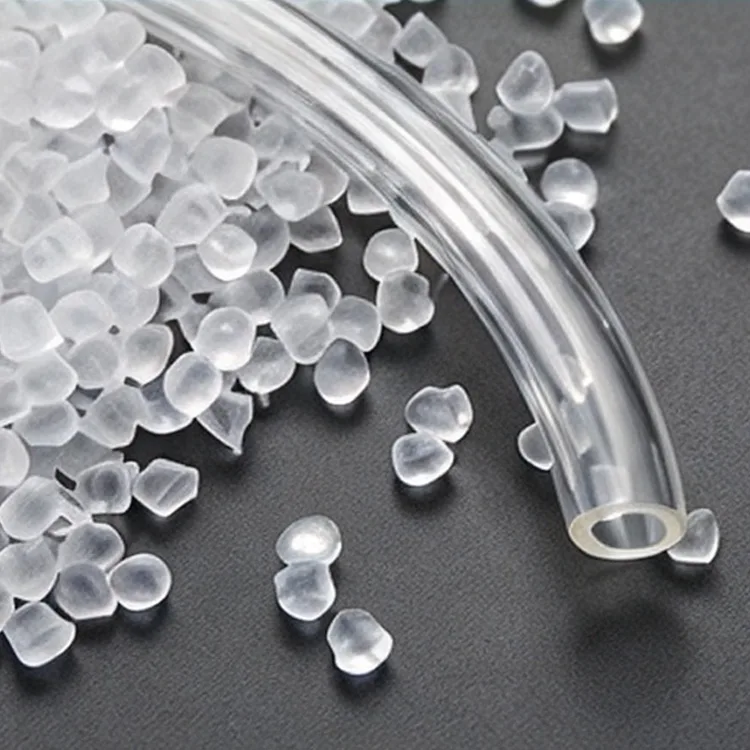
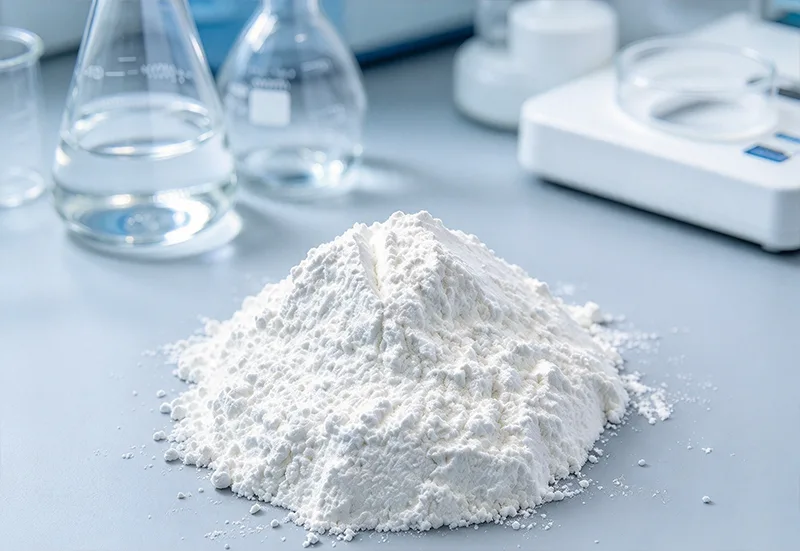
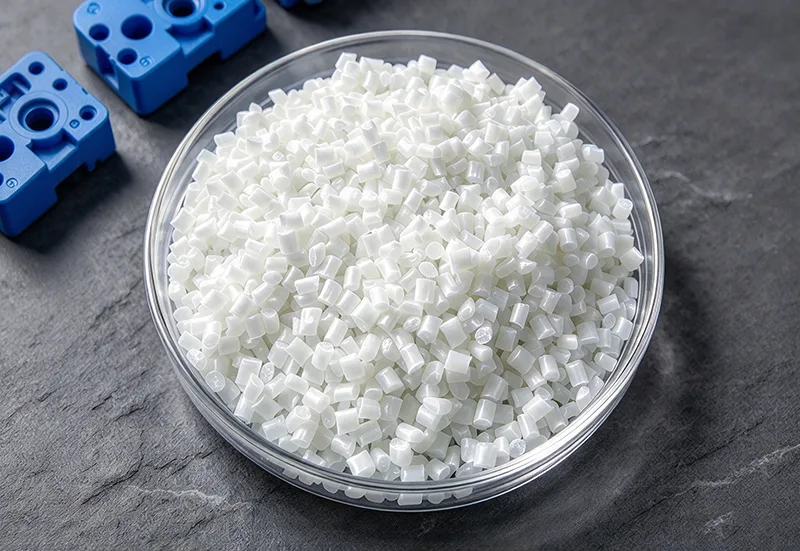
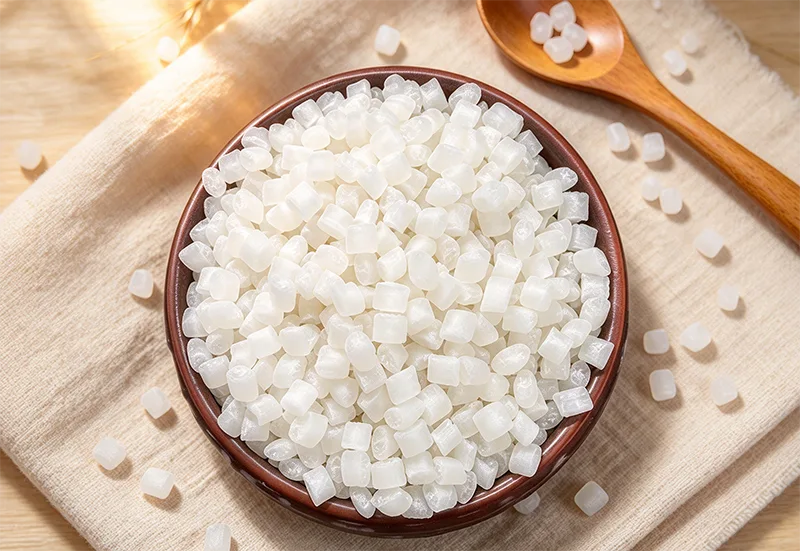
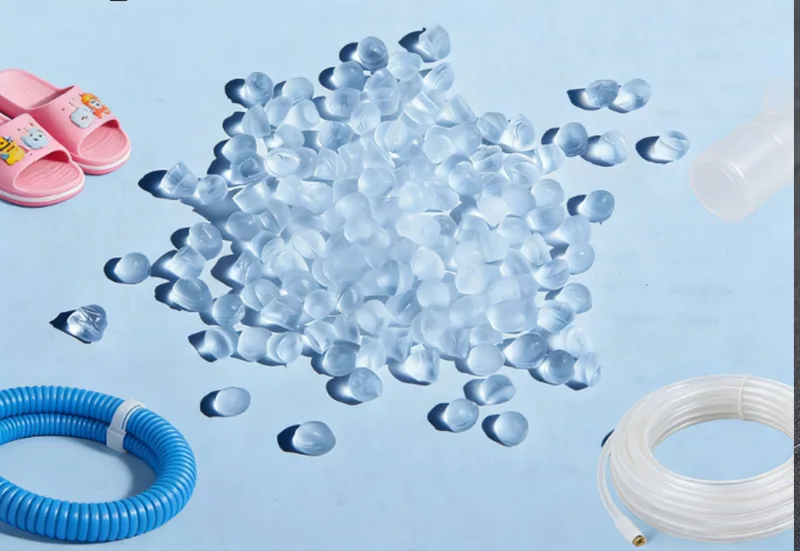
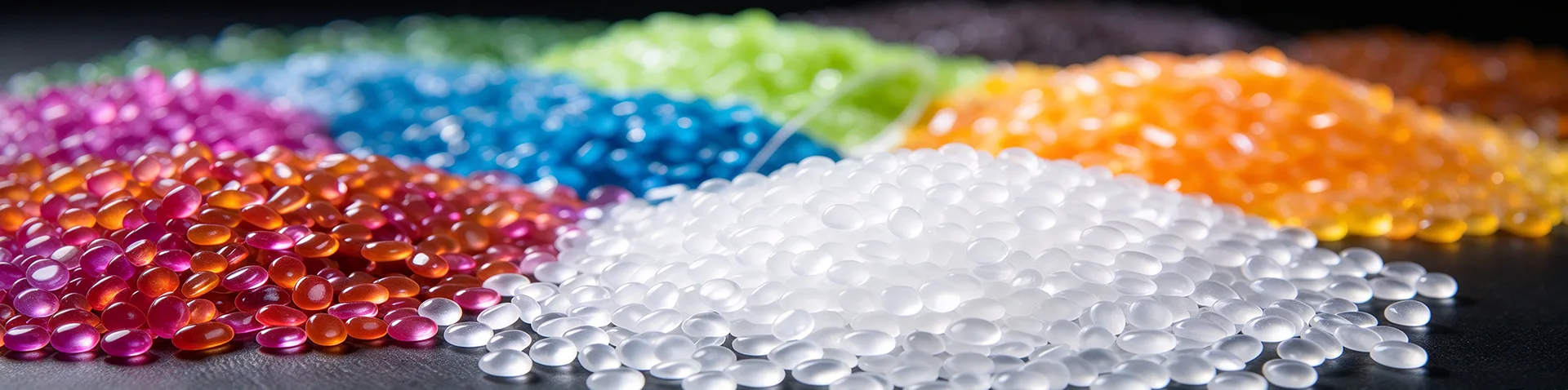
| Material Form | Pellets |
| Primary Processing | Injection Molding and Applicable Thermoplastic Processing |
| Melt Flow | Grade-dependent |
| Density | Grade-dependent |
| Tensile Strength | Grade- and condition-dependent |
| Flexural Modulus | Grade- and condition-dependent |
| Impact Strength | Grade- and condition-dependent |
| Thermal Performance | Grade-dependent |
| Wear Behavior | Grade- and application-dependent |
| Moisture Absorption | Grade- and environment-dependent |
| Dimensional Stability | Grade-, processing- and moisture-dependent |
| Color | Natural or Grade-Dependent Color |
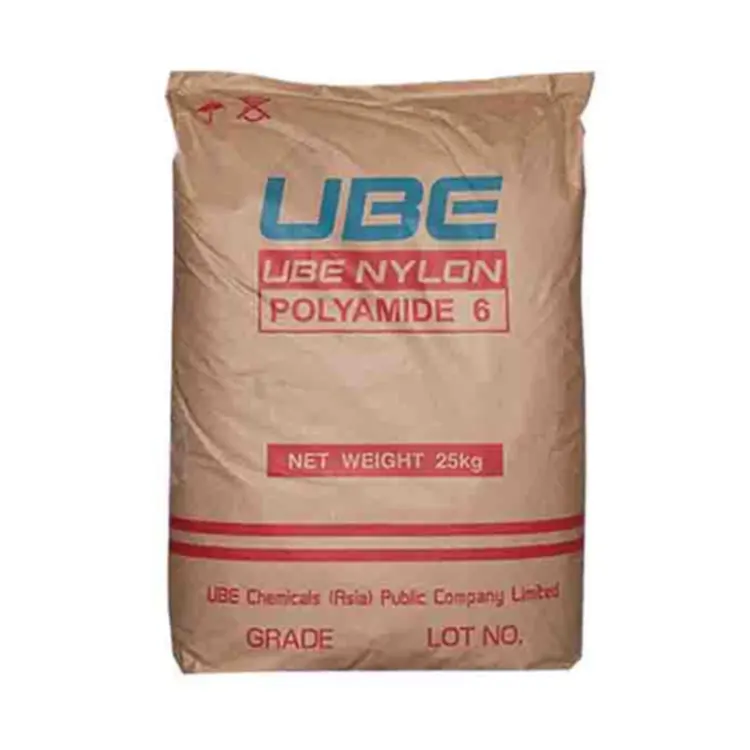
| Packaging | Standard Resin Packaging |
| Documentation | TDS, COA and Applicable Product Documentation |
Numerical specifications vary by grade and conditioning state. Actual material properties should be checked against the corresponding technical data sheet and test conditions.
PA66 can provide useful rigidity and strength for mechanical components, but a single tensile-strength value does not establish the load capacity of a finished part.
Component geometry, notches, fastening points, temperature and loading duration influence mechanical performance.
Elevated temperature can change the stiffness and deformation behavior of thermoplastic materials.
Parts exposed to heat should be evaluated using grade-specific thermal data and representative mechanical loading.
PA66 has useful resistance to selected oils and chemicals, but compatibility is not universal.
The actual fluid, concentration, temperature and exposure duration must be considered.
Where an unreinforced grade does not provide sufficient stiffness or dimensional stability, a reinforced formulation may be considered.
Impact-modified or other specialized grades may be relevant when toughness or environmental requirements differ from those of a standard material.
Any modification should be evaluated for trade-offs in processing, mechanical behavior and component function.
The resin absorbs moisture and requires appropriate handling before injection molding.
Excess moisture during melt processing can contribute to degradation and inconsistent molded-part properties.
Drying procedures should follow the selected grade's technical recommendations.
Injection speed, melt temperature, mold temperature, holding pressure and cooling influence part formation.
Gear teeth, thin sections and complex features require suitable gate design and consistent filling.
Molded components should be evaluated for shrinkage and dimensional changes after moisture conditioning where relevant.
For precision mechanical assemblies, measurements should be performed under agreed conditions so that inspection results remain comparable.
In addition to gears and bushings, PA66 can be evaluated for automotive functional parts, electrical connectors, appliance components, structural fasteners, mechanical housings and industrial supports.
Each application may place different emphasis on strength, electrical properties, thermal behavior or environmental resistance.
The material grade should be chosen according to the component's actual function rather than the general nylon designation alone.
Suitable grades can be evaluated for gears, but performance depends on tooth geometry, load, speed, lubrication, temperature and mating materials. Application-specific testing is recommended.
Yes. Moisture absorption is a characteristic of polyamide materials and can influence mechanical properties and dimensions. The effect depends on environmental conditions and the selected grade.
It can be considered for appropriate sliding applications. The material must be evaluated for contact pressure, friction, wear, temperature and lubrication conditions.
PA66 identifies a specific polyamide polymer. Glass-fiber-reinforced nylon identifies a family of reinforced polyamides that may use PA66, PA6 or another nylon matrix. Reinforcement changes stiffness, shrinkage and other mechanical properties.
Compare the exact resin specifications, conditioning state, strength, stiffness, impact behavior, processing characteristics, wear requirements and dimensional stability. Trial production should use the intended mold and equipment.
Address
Building 1, China Plastics International Business Center, No. 285 Shunda West Road, Yuyao City, Ningbo City, Zhejiang Province, China
Tel
If you have any enquiry about quotation or cooperation, please feel free to email us or use the following inquiry form.Our sales representative will contact you within 24 hours. Thank you for your interest in our products.